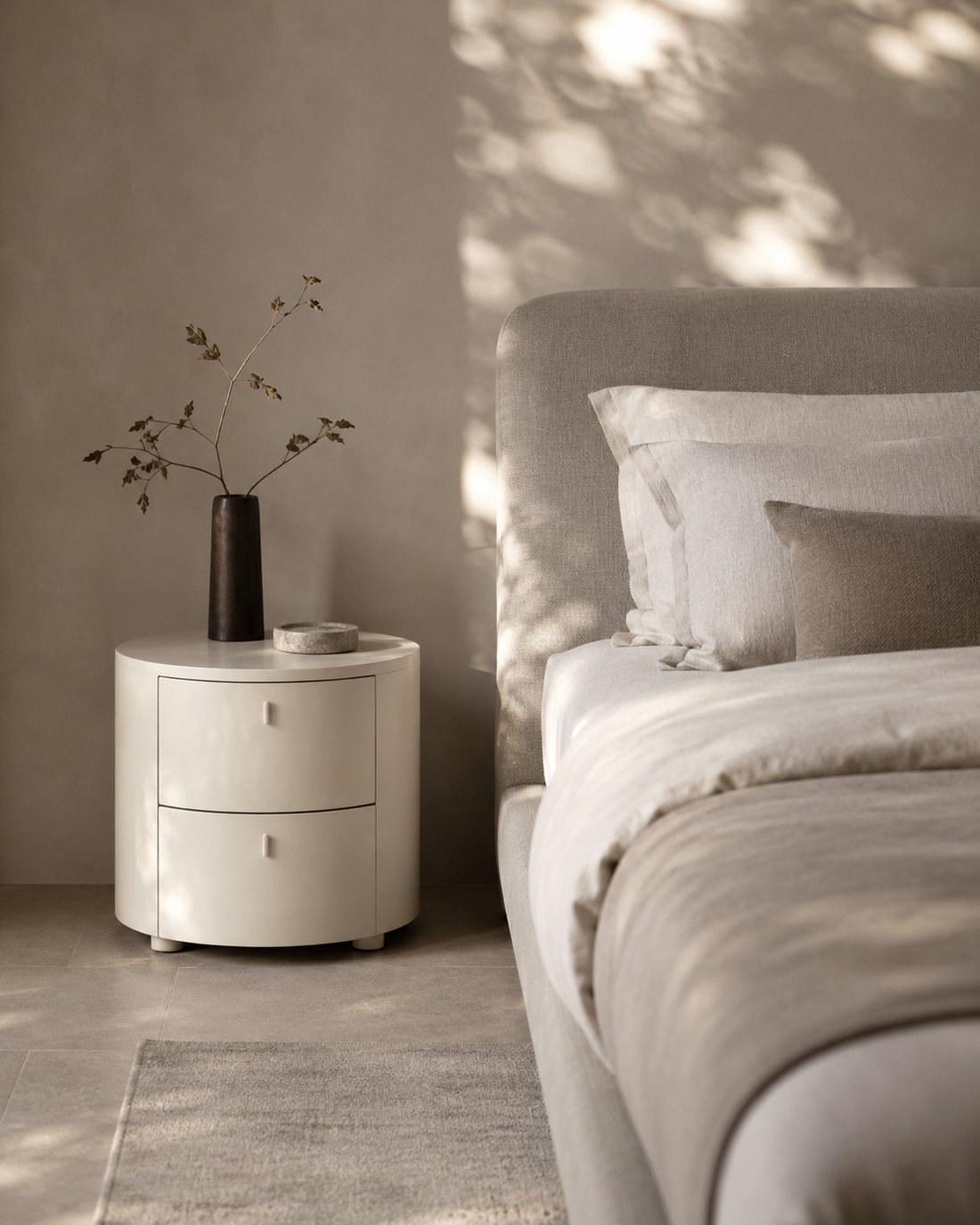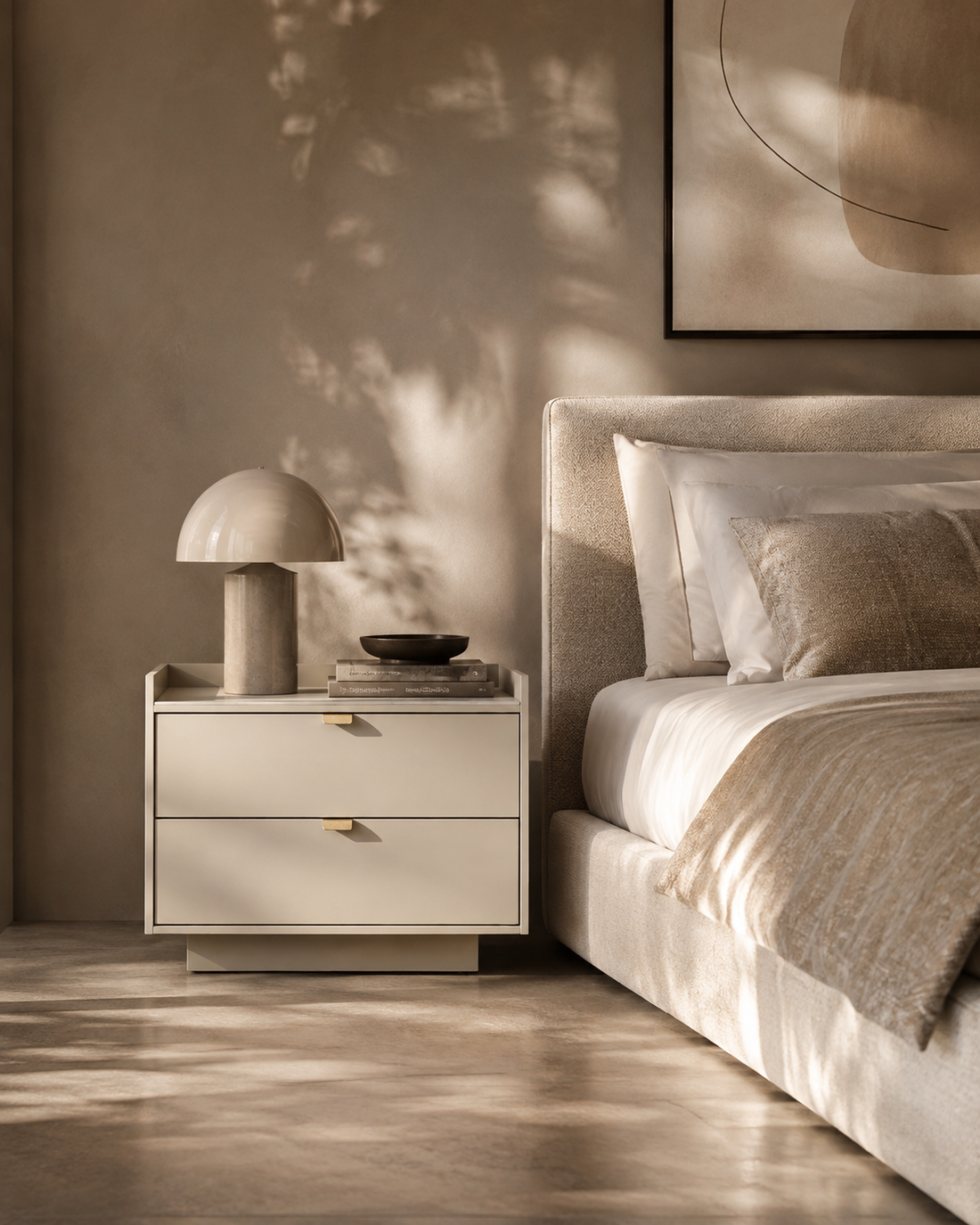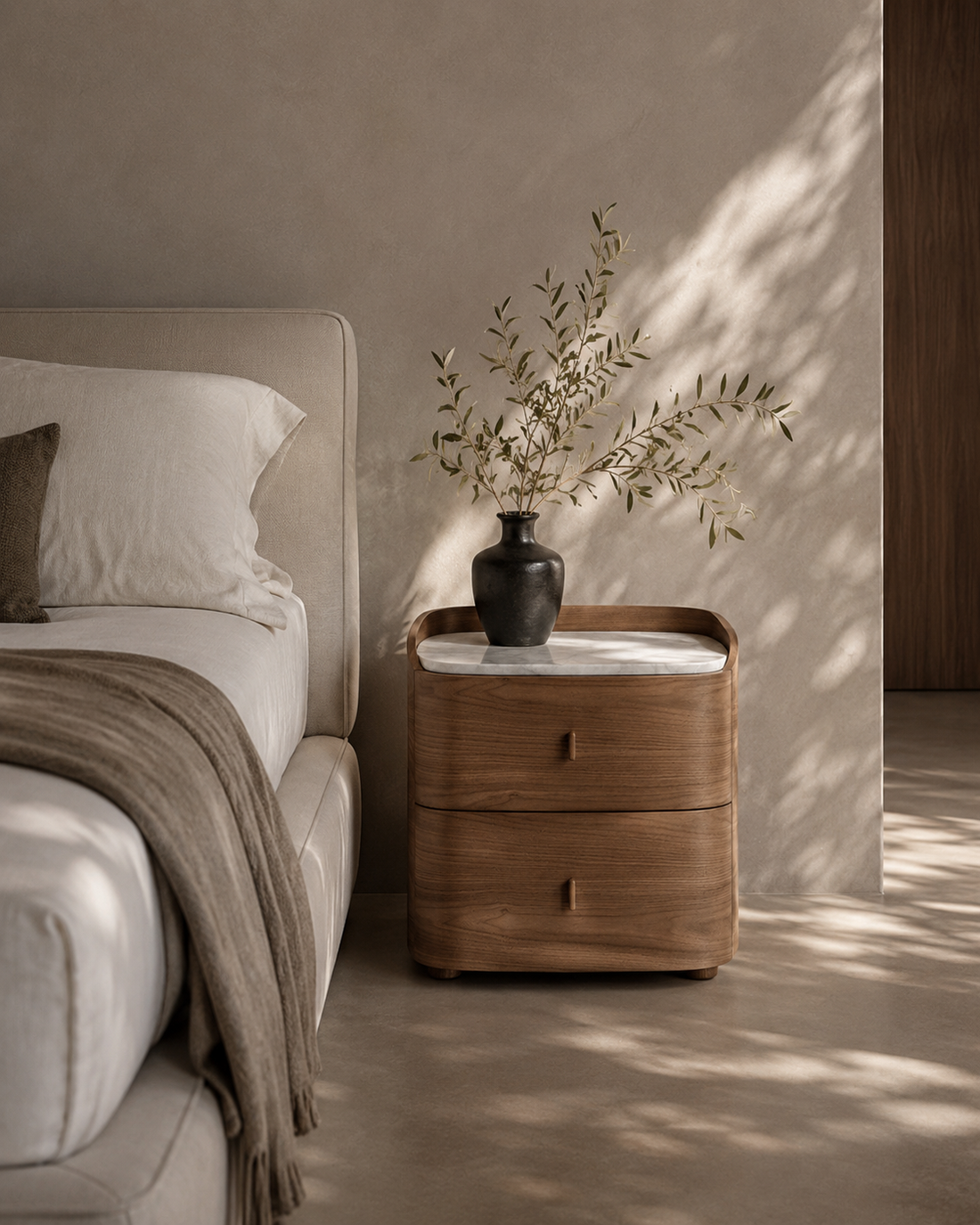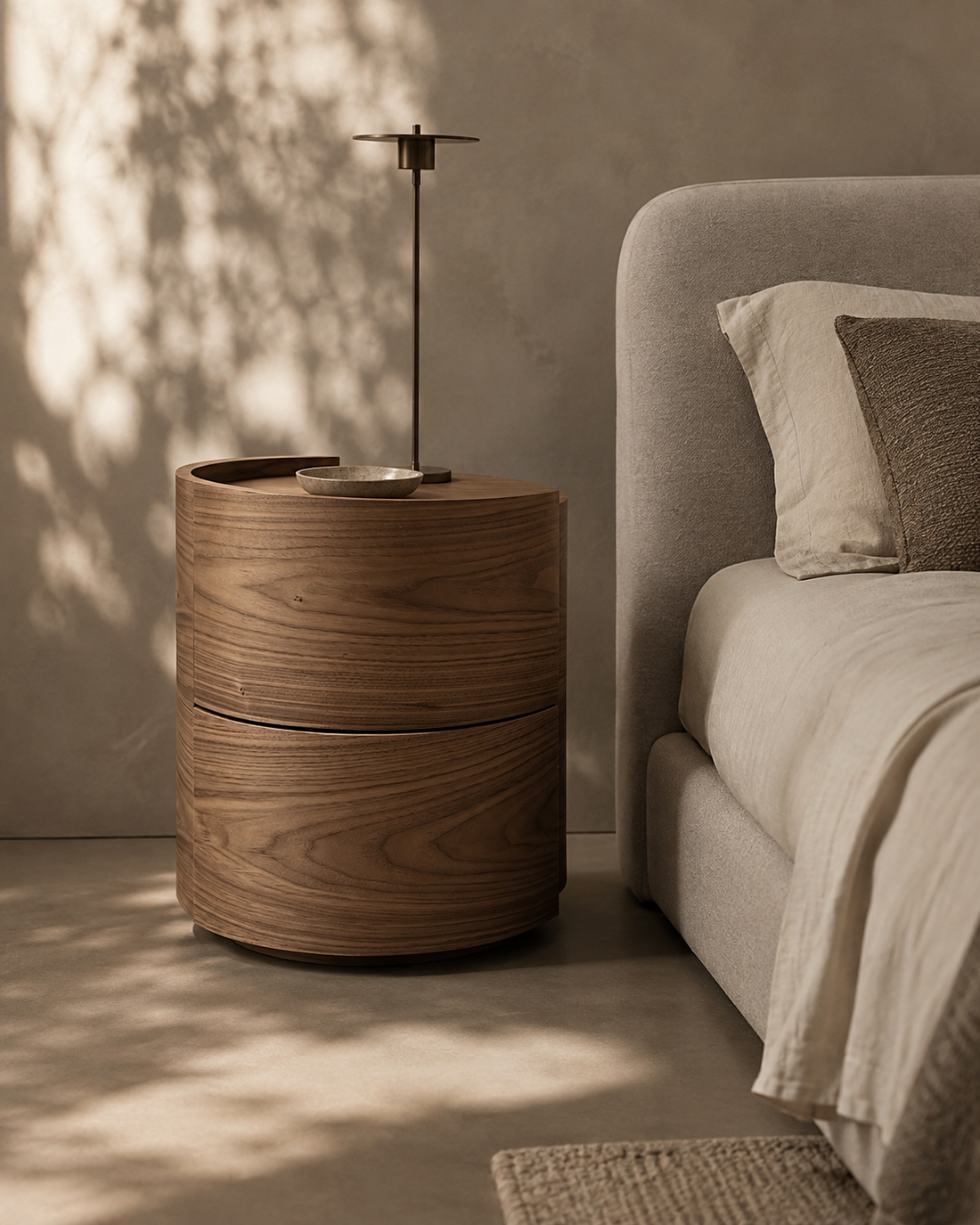
A wood pillar is a vertical structural or decorative element crafted from timber that brings both visual strength and sculptural warmth to interiors and architectural settings. Wood pillars can be used as supportive structural features in open‑plan spaces, standalone decorative accents in hallways or lounges, or integrated elements within furniture and room partitions. In UK interiors, a wood pillar adds tactile richness and natural texture, elevating both traditional and contemporary schemes with its material authenticity and refined presence.
Interior designers and independent retailers value wood pillars for their versatility and enduring appeal. Whether used to articulate transitions between spaces, frame focal zones, or introduce textural contrast against metal, glass and soft furnishings, a well‑considered wood pillar contributes to the rhythm, proportion and character of a room.
What Defines a Wood Pillar
A wood pillar is distinguished by several key characteristics that support both form and function:
Vertical Presence: Tall and upright, wood pillars draw the eye upwards, emphasising ceiling height and architectural proportion.
Material Warmth: The natural grain, tone variation and tactile surface of timber introduce an organic quality that softens hard architectural lines.
Design Flexibility: Wood pillars can range from simple, understated posts to richly detailed columns with fluting, chamfered edges or integrated joinery.
Functional Integration: In some schemes, pillars support shelves, define circulation paths or incorporate hidden lighting and storage, marrying aesthetics with utility.
These qualities make wood pillars desirable both as structural accents in larger plans and as decorative features that complement furniture, lighting and fixtures.
Materials and Timber Options
The type of timber selected for a wood pillar influences both appearance and performance. Common choices in the UK interiors market include:
Oak: Known for its strength and attractive grain, oak pillars convey timeless character and durability, suiting both classic and contemporary schemes.
Walnut: Rich, deep tones and subtle grain patterns make walnut ideal for refined spaces where wood elements are focal.
Ash: Lightly coloured with linear grain, ash offers a modern, crisp aesthetic that complements minimalist interiors.
Cherry and Beech: Warm, reddish hues support cosy, traditional schemes and layer beautifully with woven textiles and leather furniture.
Engineered Timber Options: Veneered or laminated timber pillars provide consistent finish and structural stability, particularly useful where large format pieces are required.
Designers choose timber species and finish based on surrounding materials, lighting conditions and the desired level of visual emphasis.
Where Wood Pillars Work Best
Wood pillars are adaptable architectural elements that perform well in a range of interior contexts:
Open‑Plan Living Areas: Positioned to subtly define zones (such as living, dining and circulation) without the bulk of partition walls.
Hallways and Entrances: Standalone pillars anchor expansive entry spaces, creating a sense of welcome and vertical rhythm.
Commercial Interiors: In boutique retail, hospitality lounges or galleries, wood pillars enhance material layering and create visual cues within the customer journey.
Feature Displays: Integrated into shelving or wall systems, pillars support both display and structural articulation.
Furniture Integration: Wood pillars can be incorporated into bespoke furniture—such as sideboards, shelving units or room dividers—balancing decorative and functional roles.
By negotiating scale, proportion and material harmony, designers use wood pillars to create both structural clarity and visual depth.
Styling with Wood Pillars
A wood pillar becomes a compelling feature when integrated with thoughtful styling:
Layered Lighting: Uplights or concealed LED strips accentuate grain and vertical form, enhancing mood and highlighting architectural rhythm.
Adjacent Materials: Pairing wood pillars with stone surfaces, metal accents or woven textiles introduces contrast and tactile richness.
Furniture Coordination: Timber pillars harmonise with surrounding furniture—such as coffee tables, sideboards and seating—when finishes and grain tones are aligned.
Decorative Accents: Sculptural objects, ceramics or indoor plants around pillar bases enrich composition and reinforce spatial narrative.
Interior designers consider both functional placement and visual dialogue when positioning wood pillars, ensuring they support overall scheme coherence.
Trade & Wholesale Wood Pillar Supply
For interior designers and independent retailers sourcing wood pillars in the UK, working with a dependable wholesale partner ensures both design quality and practical availability. Tommy Franks is a favourite among interior designers and independent retailers for furniture, architectural elements and bespoke timber features that combine premium materials with considered design.
Trade accounts welcome professionals with flexible onboarding and purchasing arrangements that support both bespoke project requirements and retail inventory planning. There is no minimum order value, enabling designers to specify single architectural elements like wood pillars for tailored schemes and allowing retailers to order selectively without threshold constraints. Free UK delivery on all items simplifies logistics—particularly for larger, heavier timber elements—and reduces barriers associated with transportation and handling.
A vast range of UK‑held stock ensures reliable availability and shorter lead times, helping trade clients plan and deliver projects with confidence and consistency. Carefully curated collections reflect contemporary UK design trends while maintaining enduring quality and material integrity. A reliable UK supply chain underpins consistent fulfilment, empowering designers and retailers to meet deadlines and client expectations without compromise. Competitive wholesale margins further enhance commercial viability, enabling independent retailers to offer premium architectural and furniture elements that resonate with discerning customers while maintaining strong resale value.
Choosing the Right Wood Pillar
When selecting a wood pillar for an interior scheme, several key considerations guide trade professionals:
Proportion and Scale: The height and diameter should relate to room volume and sightlines, ensuring the pillar enhances rather than dominates the space.
Material Match: Coordinate timber species and finish with surrounding furniture, flooring and joinery to achieve harmony.
Finish Quality: Attention to surface preparation, grain continuity and protective finishes ensures longevity and visual refinement.
Functional Outcome: Consider whether the pillar will be purely decorative or integrated with structural, lighting or furnishing systems.
Interior designers often utilise visualisations or mock‑ups to confirm proportion and placement before specification, while retailers can advise customers on finish, dimension and installation considerations suited to varied interiors.
Why Choose Tommy Franks?
Tommy Franks has established itself as a trusted wholesale partner for UK interior designers and independent retailers seeking premium architectural and furniture solutions, including wood pillars that combine material warmth with refined design integrity. Each element within the collection reflects premium craftsmanship and thoughtful selection, ensuring trade clients can specify or stock features that resonate with refined UK interiors while performing reliably over time.
Trade accounts benefit from streamlined onboarding with no minimum order value and free UK delivery, making procurement efficient for bespoke specifications and broader retail planning alike. With a vast range of UK‑held stock and a reliable UK supply chain, designers and retailers can source timber architectural pieces with confidence and consistency. Carefully curated collections allow trade clients to present options that feel desirable and relevant to evolving UK interior trends, while competitive wholesale margins support profitable resale outcomes.
Tommy Franks stands out as a partner for professionals prioritising material quality, design clarity and enduring performance in interior elements and furniture offerings.