

Unique Ceiling Lights
Unique ceiling lights are statement lighting fixtures designed to combine functional illumination with distinctive visual character. Unlike standard ceiling fittings, these lights act as focal points within a room, introducing sculptural form, texture, and personality to interior spaces. They are used to enhance both residential and commercial interiors by delivering light while contributing to the overall design narrative.
For interior designers and independent retailers, unique ceiling lights represent a premium lighting category with strong aesthetic appeal and broad commercial value.
What Are Unique Ceiling Lights?
Unique ceiling lights are overhead lighting fixtures defined by unconventional shapes, materials, or design concepts. They move beyond purely practical lighting solutions and become decorative centrepieces within a room.
These lights are commonly installed in living rooms, dining areas, bedrooms, hallways, and hospitality interiors where atmosphere and visual impact are equally important. Their designs may feature artistic silhouettes, mixed materials, or creative arrangements that distinguish them from traditional ceiling lights.
Unique ceiling lights provide an opportunity to introduce individuality into a space while maintaining essential lighting performance.
Design and Visual Impact
Design is the defining feature of unique ceiling lights. Sculptural forms, layered structures, and asymmetrical arrangements create visual interest and elevate ceiling areas that might otherwise remain understated.
Proportion plays an important role. A light should suit the scale of the room without overpowering it. Larger statement lights anchor open-plan interiors, while smaller distinctive fixtures add character to compact spaces.
Designers often select unique ceiling lights to define zones within a room, such as dining areas or seating zones, reinforcing layout and visual hierarchy.
Materials and Craftsmanship
Unique ceiling lights are produced using a wide range of materials that contribute to their character and durability. Metal finishes such as brass, black steel, or brushed nickel create refined and contemporary looks. Glass elements add lightness and enhance brightness through reflection and diffusion.
Natural materials such as wood, rattan, or stone introduce texture and warmth, while mixed-material designs bring contrast and depth. High-quality craftsmanship ensures secure fittings, balanced weight distribution, and long-term performance.
Premium construction supports both residential and hospitality environments where reliability and safety are essential.
Styles and Aesthetic Options
Unique ceiling lights are available across many design styles. Contemporary designs feature clean lines and artistic silhouettes for modern interiors. Scandinavian-inspired lights focus on simplicity and natural materials for calm and balanced spaces.
Industrial styles use exposed metals and bold forms for character and contrast. Traditional interiors may incorporate decorative detailing and classic shapes with distinctive finishes.
Luxury interiors often feature statement chandeliers or sculptural pendants that act as visual centrepieces, enhancing both elegance and atmosphere.
Where Unique Ceiling Lights Are Used
Unique ceiling lights are widely used in residential interiors such as living rooms, dining rooms, and bedrooms to create focal points and enhance ambience. In hallways and entrances, they establish first impressions and guide movement through the space.
Hospitality environments including boutique hotels, restaurants, and serviced apartments use unique ceiling lights to reinforce brand identity and create memorable interiors. Their distinctive designs support mood-setting and visual storytelling.
Commercial spaces such as offices, showrooms, and reception areas rely on unique lighting to create professional yet engaging environments that stand out.
Light Quality and Atmosphere
Beyond appearance, unique ceiling lights must deliver effective illumination. Many designs combine ambient and decorative lighting to ensure both visual impact and practical performance.
Warm light tones create inviting atmospheres in living and hospitality spaces, while brighter neutral lighting suits commercial environments. Layered lighting schemes often pair ceiling lights with wall lights and table lamps for depth and balance.
The interplay between form and light output determines how successfully a unique ceiling light enhances a room’s atmosphere.
Styling and Interior Coordination
Unique ceiling lights work best when integrated thoughtfully into wider interior schemes. Designers often coordinate finishes with furniture, mirrors, or hardware to create cohesion.
For example, brass ceiling lights pair well with metallic accents in tables or décor, while black metal lights complement industrial or modern interiors. Natural materials blend seamlessly with wood furniture and neutral textiles.
The ceiling light should act as a focal point without competing with other design elements, ensuring visual harmony across the space.
Practical and Installation Considerations
Installation requirements vary depending on size and weight. Secure fixings and appropriate ceiling support are essential, particularly for larger or sculptural lights.
Energy-efficient bulbs and LED compatibility improve sustainability and long-term running costs. Many unique ceiling lights are designed to work with dimmer switches, allowing flexibility in mood and light intensity.
Practical considerations ensure that style does not compromise safety or functionality.
Choosing the Right Unique Ceiling Light
Selecting the right unique ceiling light involves considering room size, ceiling height, and interior style. A light should complement the space rather than dominate it.
Designers also consider how the light interacts with natural light and other fixtures. Balance between decorative impact and functional illumination is key.
A well-chosen unique ceiling light enhances both the visual identity and everyday usability of a room.
Trade & Wholesale Positioning
Unique ceiling lights are a valuable category for interior designers and independent retailers. Designers benefit from access to statement lighting suitable for residential, hospitality, and commercial projects.
Retailers rely on unique ceiling lights for showroom appeal and consistent customer interest. These products photograph well, create strong visual merchandising opportunities, and encourage complementary sales of wall lights and table lamps.
Trade professionals benefit from no minimum order value, allowing flexible sourcing for individual projects. UK stock availability ensures reliable supply and supports tight installation schedules. Free UK delivery simplifies procurement and removes logistical barriers.
Strong resale margins make unique ceiling lights commercially attractive within wholesale lighting collections. Easy trade account onboarding further supports designers and retailers seeking efficient sourcing solutions.
Why Choose Tommy Franks?
Tommy Franks is a favourite among interior designers and independent retailers seeking premium unique ceiling lights with dependable availability. Carefully curated collections focus on refined design, premium craftsmanship, and everyday practicality.
Trade accounts are welcome, offering straightforward onboarding for professionals across the interior design and retail sectors. With a vast range of UK-held stock, clients benefit from reliable supply and reduced lead times for residential and hospitality projects.
Free UK delivery on all items removes logistical complexity, while no minimum order value allows flexibility for both small and large requirements. Competitive wholesale margins support strong resale performance, and a reliable UK supply chain ensures confidence in ongoing availability.
Through thoughtfully selected collections and consistent quality, Tommy Franks provides unique ceiling lights that balance innovation, design, and commercial value for modern interiors.
Products
-
Sims Bedside Table - Matte Beige
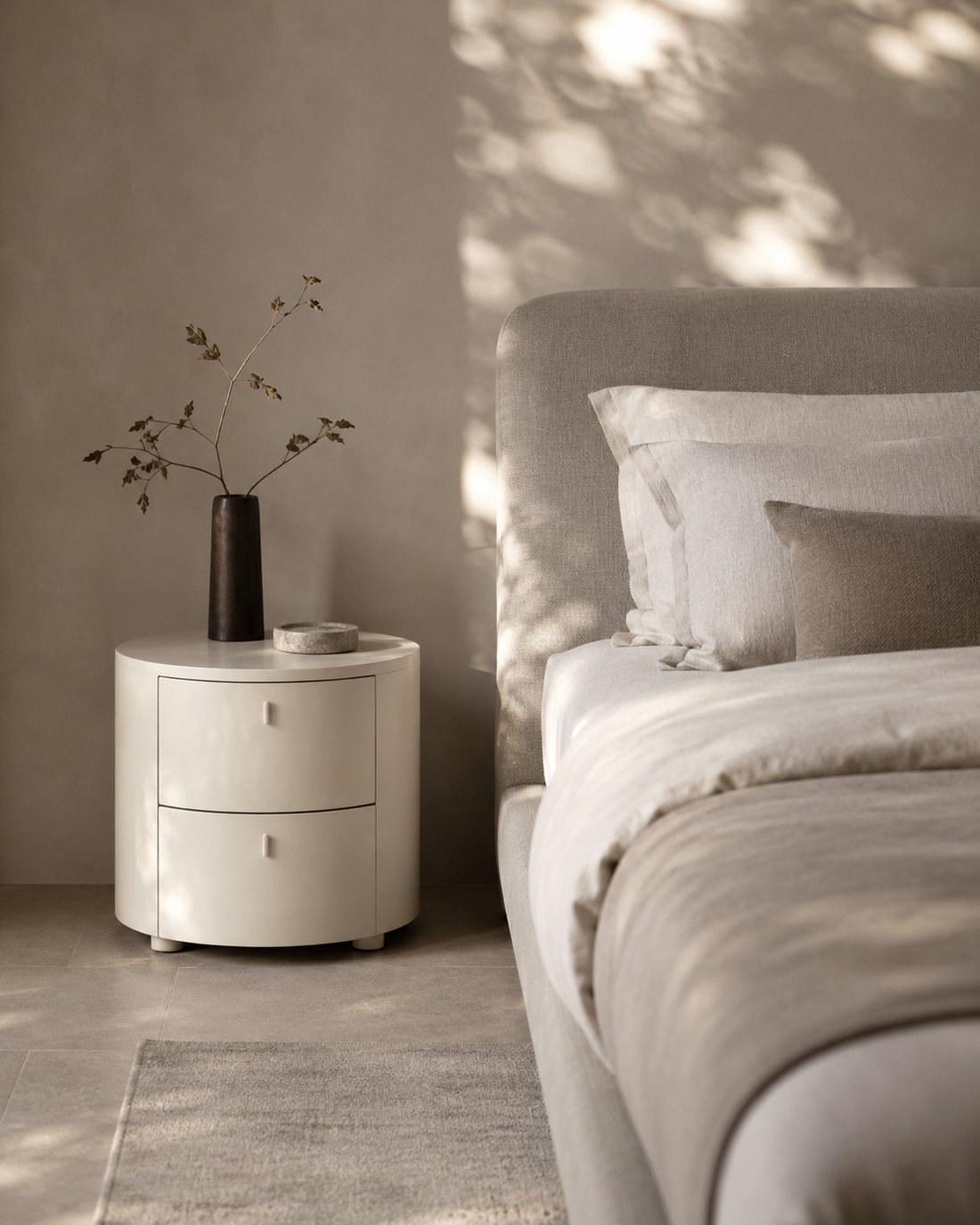 Sims Bedside Table - Matte Beige
- Regular price
-
- Regular price
-
- Sale price
-
-
Saviour Bedside Table - White Marble & Beige
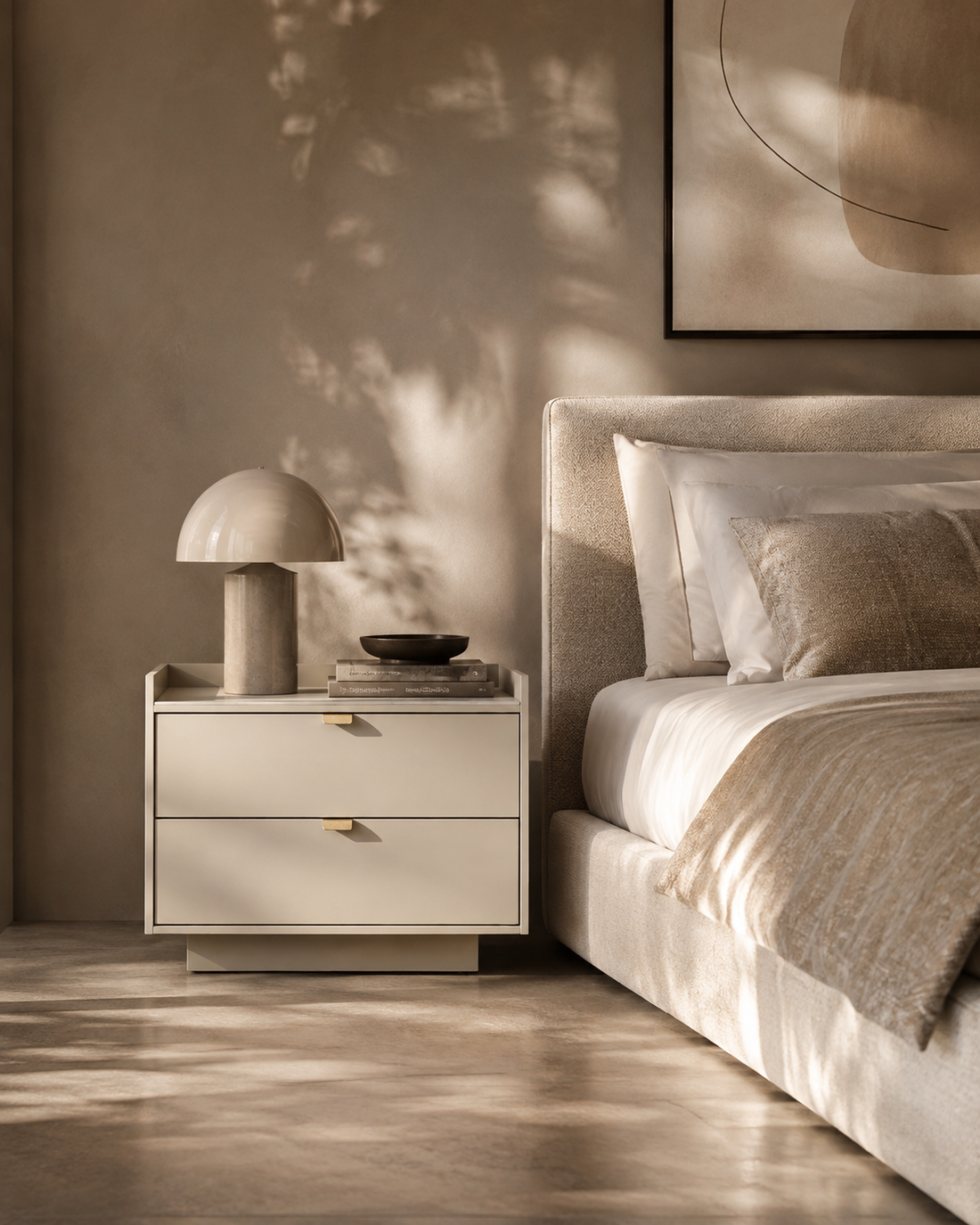 Saviour Bedside Table - White Marble & Beige
- Regular price
-
- Regular price
-
- Sale price
-
-
Dexter Bedside Table - Walnut - Pair
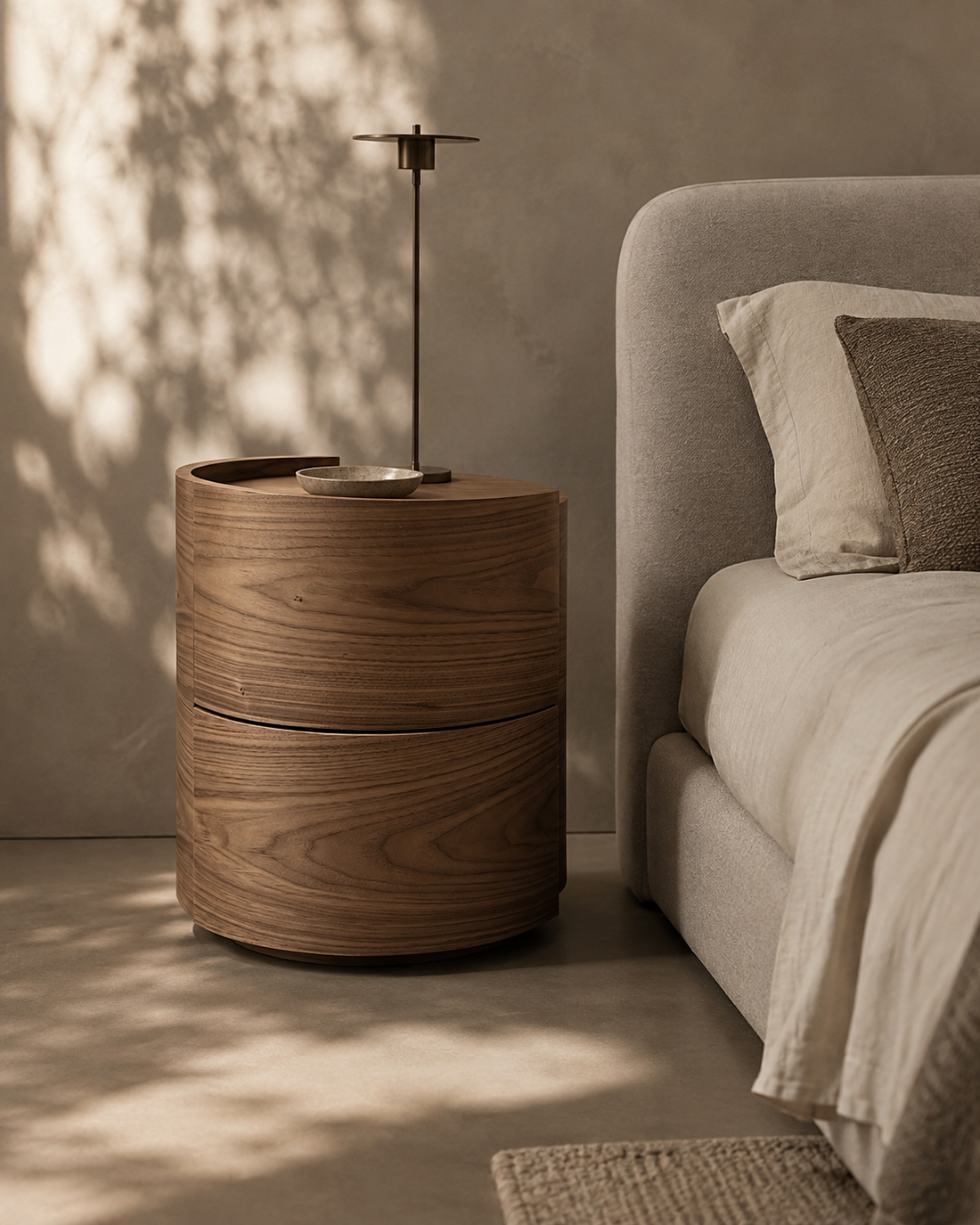 Dexter Bedside Table - Walnut - Pair
- Regular price
-
- Regular price
-
- Sale price
-
Disclaimer: All trademarks, brand names and product names mentioned on this website are the property of their respective owners. Any references are made for identification, informational or comparative purposes only, and do not imply any affiliation, endorsement, sponsorship or authorisation.