

Top Of Dresser
The top of dresser refers to the flat surface of a chest of drawers used for both functional storage and decorative styling. In bedrooms, dressing rooms and hospitality interiors, it acts as a focal point where lighting, mirrors and carefully chosen accessories enhance the overall design scheme while supporting everyday use.
A thoughtfully styled top of dresser balances practicality with visual harmony. It allows interior designers and homeowners to express personal style without disrupting the structure of the room, making it an essential element in both residential and commercial interiors.
What Is the Top of Dresser Used For?
The top of dresser is commonly used as a display and utility surface. In domestic settings, it holds table lamps, jewellery boxes, framed artwork, scent diffusers and decorative trays. In boutique hotels and serviced apartments, it may support lighting, curated objects or brand-led accessories that create a welcoming and consistent guest experience.
From a design perspective, this surface plays a key role in establishing vertical balance. It visually connects the dresser with wall-mounted mirrors, artwork or lighting fixtures above it. When styled correctly, the top of dresser creates structure and draws the eye without overwhelming the space.
Because it sits at eye level, it is one of the most visible areas in a bedroom or dressing space. Designers often use it as a subtle statement zone, introducing texture and interest while maintaining a clean and composed aesthetic.
Styling the Top of Dresser for Visual Impact
Styling the top of dresser requires careful consideration of proportion and placement. Overcrowding the surface can make a room feel cluttered, while under-styling may leave the furniture looking unfinished.
A popular approach is to work in balanced groupings. Combining a lamp, a decorative object and a functional accessory such as a tray or box creates visual rhythm. Height variation is important, with taller pieces positioned toward the back and lower items in front to preserve clear sightlines.
Mirrors are frequently paired with the top of dresser. A framed mirror adds depth and reflects light, enhancing the sense of space. In luxury interiors, marble trays, sculptural ceramics or metal accents introduce refinement without excess ornamentation.
Material contrast also contributes to visual interest. Wooden dressers benefit from glass or metallic accessories, while darker finishes can be softened with lighter decorative pieces. Textile elements such as runners or soft-lined trays can introduce warmth and protect the surface from marks.
Materials and Finishes That Define the Top of Dresser
The finish of the dresser itself has a strong influence on how the top surface functions visually and practically. Solid wood surfaces provide warmth and durability, developing character over time. Painted and lacquered finishes create a cleaner, contemporary appearance and are easy to maintain in high-use environments.
Stone and marble-topped dressers bring a sense of architectural elegance and are increasingly used in premium residential and hospitality interiors. These surfaces elevate the overall design and offer excellent durability when crafted to a high standard.
Glass-topped designs offer a lighter visual footprint and suit modern or compact spaces where bulkier furniture might feel intrusive. Regardless of material, premium craftsmanship ensures that the top of dresser maintains its structure and finish under daily use.
Choosing the Right Accessories for the Top of Dresser
Accessories selected for the top of dresser should complement both the furniture and the wider interior scheme. Table lamps provide ambient lighting and help define the composition. Their scale should be proportionate to the width of the dresser to avoid visual imbalance.
Storage accessories such as jewellery trays, catch-all bowls and decorative boxes help maintain order while adding visual appeal. Books and art objects can introduce personality, particularly in layered or eclectic interiors.
In trade and hospitality environments, consistency is key. Coordinating accessories across multiple rooms ensures visual continuity and strengthens brand identity. Neutral tones with subtle textural variation are often preferred for their versatility and long-term appeal.
Top of Dresser in Interior Design Projects
Interior designers treat the top of dresser as a styling platform rather than just a functional surface. It is often used to echo colour palettes and materials found elsewhere in the room, creating cohesion across furniture and accessories.
In minimalist schemes, the top of dresser may feature only a single lamp and one sculptural object, reinforcing clean lines and negative space. In more decorative interiors, it becomes an opportunity to introduce layered styling with books, artwork and statement lighting.
Lighting is particularly important. Lamps placed on the top of dresser provide soft ambient illumination and enhance the visual composition. Their placement should feel intentional and balanced within the room’s layout.
For show homes and boutique accommodation, the top of dresser is often styled in a consistent manner across multiple rooms to maintain visual standards and professional presentation.
Practical Considerations for Everyday Use
Beyond aesthetics, the top of dresser must support everyday function. Items placed there should be easily accessible while maintaining a tidy appearance. Organisational accessories help prevent clutter and ensure the surface remains visually composed.
Weight capacity is an important consideration, particularly when placing stone lamps, mirrors or large decorative objects. A well-constructed dresser with premium craftsmanship ensures structural stability and longevity.
Maintenance also plays a role in material selection. Finishes that resist scratches and stains are especially valuable in commercial environments and rental properties. Protective bases on accessories can further preserve the surface over time.
Trade and Wholesale Benefits for Designers and Retailers
For interior designers and independent retailers, the top of dresser represents an opportunity to increase perceived value through styling and product pairing. Dressers presented with coordinated accessories are more likely to convert in showrooms and visual merchandising displays.
Designers benefit from sourcing furniture and complementary décor from a single supplier, ensuring consistency in finish and availability across projects. Retailers benefit from offering customers a complete solution rather than just a standalone furniture item.
Access to UK-held stock is essential for professionals working to project deadlines. Reliable supply reduces lead times and improves confidence in product availability. Free UK delivery on all items supports smoother logistics, while no minimum order value allows flexibility for smaller studios and independent retailers.
Strong resale margins make this category commercially attractive, particularly when dressers are sold alongside lamps, mirrors and decorative accessories designed for top-of-dresser styling.
Why Choose Tommy Franks?
Tommy Franks is a favourite among interior designers and independent retailers seeking refined furniture and complementary accessories with dependable availability. Carefully curated collections ensure that dressers and styling pieces work cohesively within premium interior schemes.
Each piece reflects premium craftsmanship and attention to detail, making them suitable for both residential and commercial use. With a vast range of UK-held stock, trade clients benefit from reliable supply and consistent lead times.
Free UK delivery on all items simplifies procurement, while no minimum order value provides flexibility for projects of every size. Competitive wholesale margins support strong resale performance, and trade accounts are welcome with easy onboarding for busy professionals. Tommy Franks’ reliable UK supply chain makes it a trusted partner for designers and retailers alike.
Products
-
Sims Bedside Table - Matte Beige
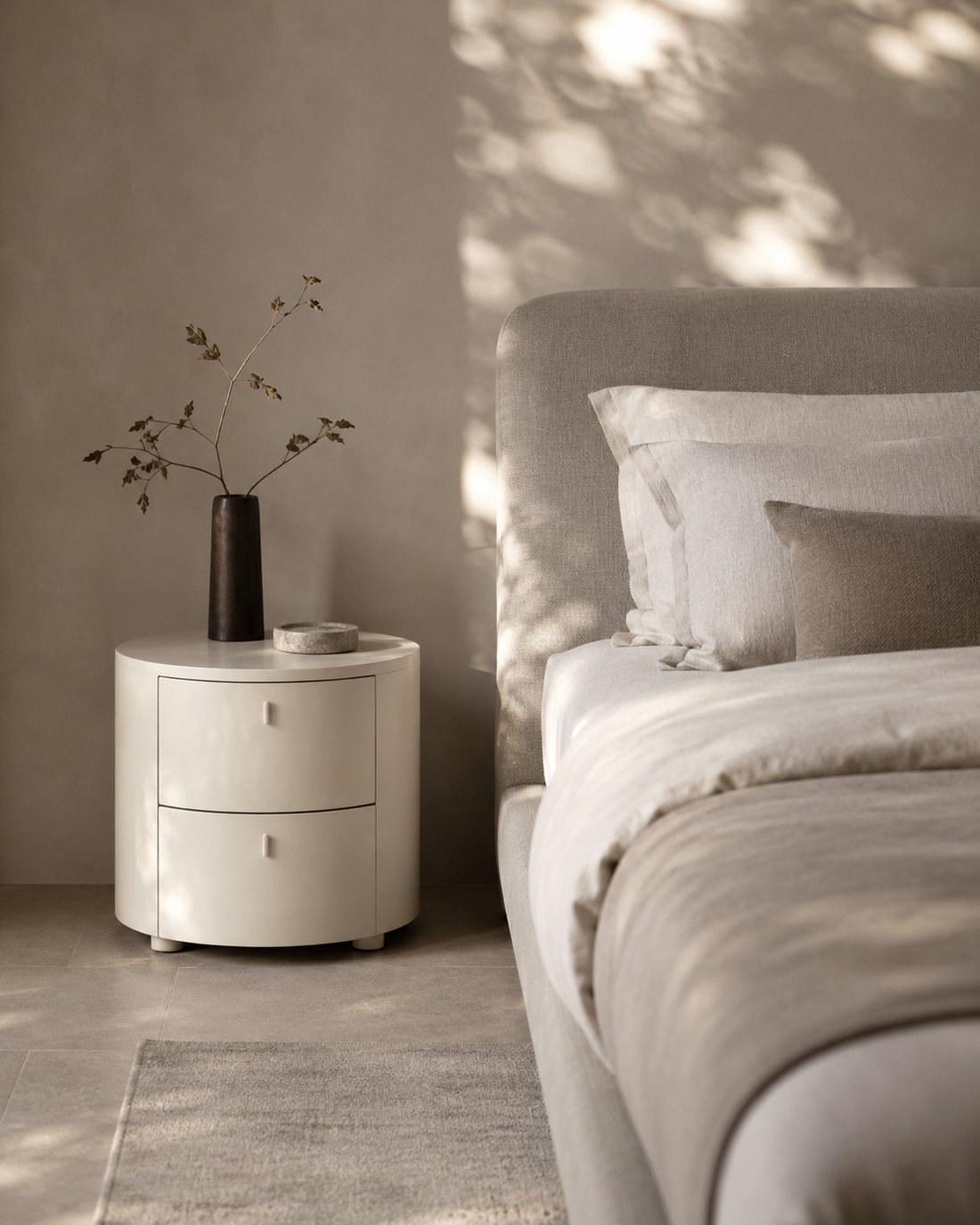 Sims Bedside Table - Matte Beige
- Regular price
-
- Regular price
-
- Sale price
-
-
Saviour Bedside Table - White Marble & Beige
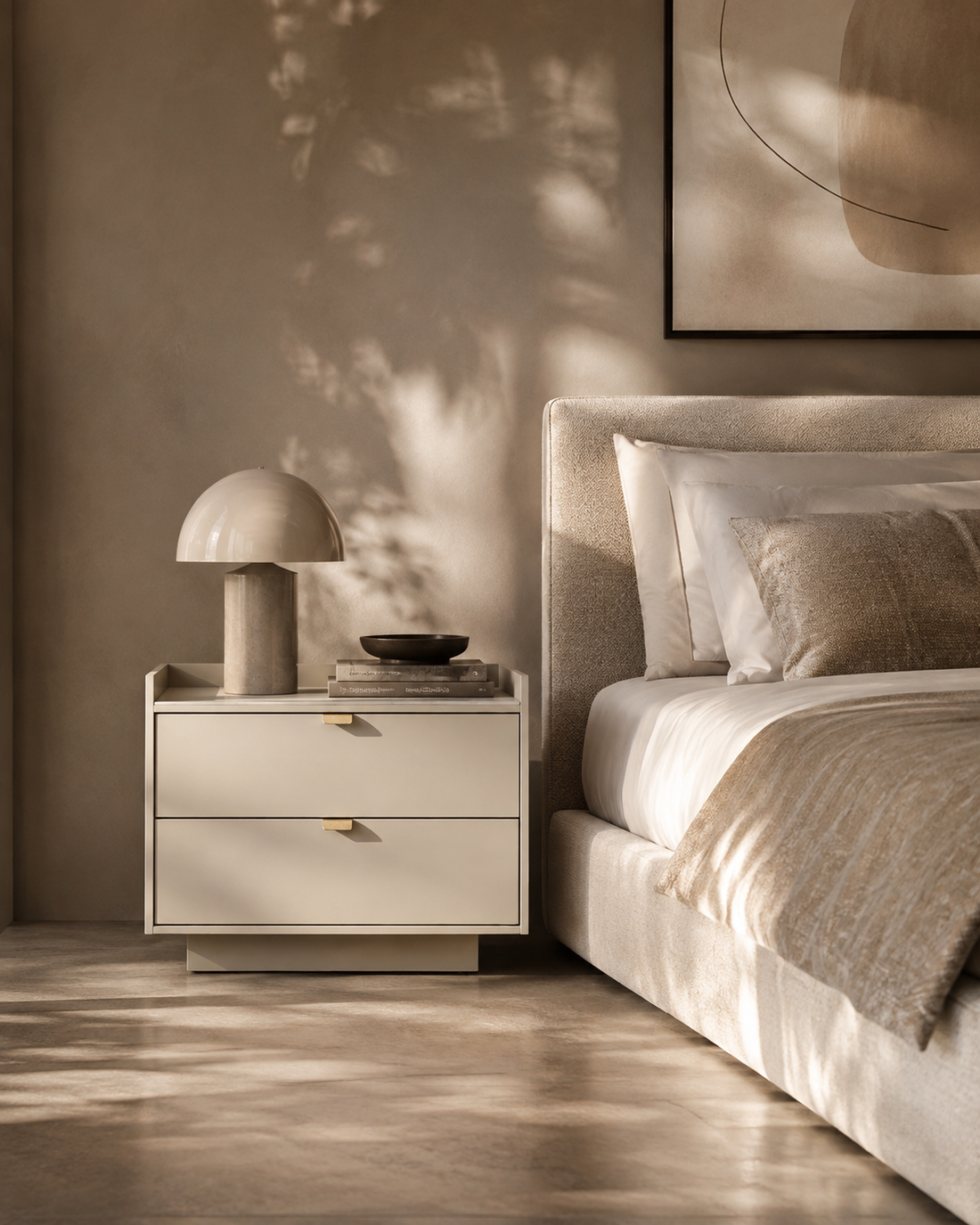 Saviour Bedside Table - White Marble & Beige
- Regular price
-
- Regular price
-
- Sale price
-
-
Dexter Bedside Table - Walnut - Pair
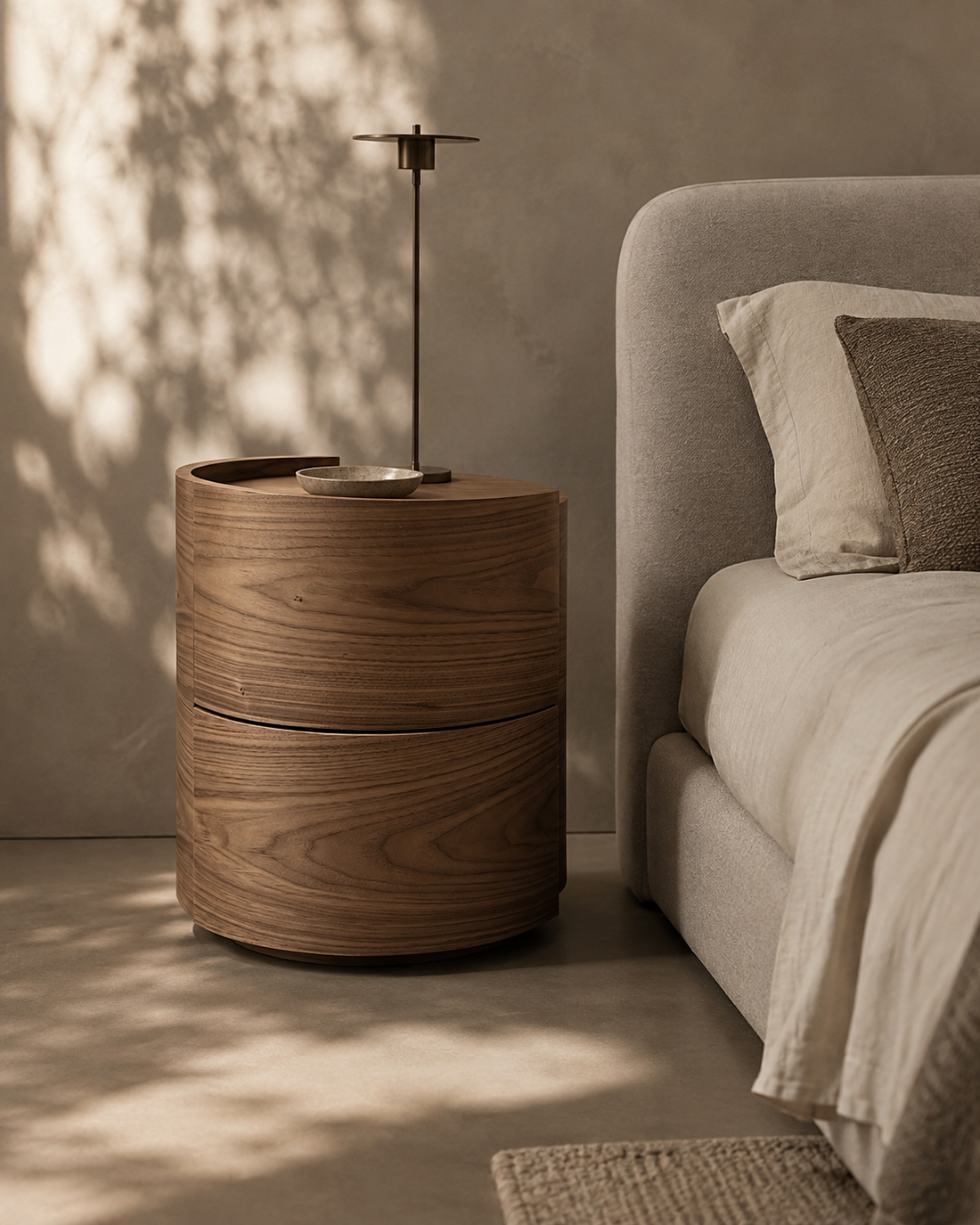 Dexter Bedside Table - Walnut - Pair
- Regular price
-
- Regular price
-
- Sale price
-
Disclaimer: All trademarks, brand names and product names mentioned on this website are the property of their respective owners. Any references are made for identification, informational or comparative purposes only, and do not imply any affiliation, endorsement, sponsorship or authorisation.