

The Range Lighting Range
The range lighting range is a search term commonly used to refer to the lighting products sold by The Range, a UK-based home and garden retailer. Within trade and commercial interiors, the term is typically encountered as part of market research, competitor comparison, or client-led references to accessible, mass-market lighting styles.
For interior designers, developers, hospitality buyers, and retailers, understanding references to the range lighting range helps contextualise consumer expectations while distinguishing between retail lighting products and trade-grade lighting specified for professional environments.
How The Range Lighting Range Is Referenced in Trade Contexts
In professional interior projects, the range lighting range is most often referenced during early design discussions rather than final specification. Trade buyers may encounter the term when:
Clients reference familiar retail lighting styles or price points
Designers assess mainstream trends in finishes, silhouettes, and formats
Retail-facing interiors seek inspiration aligned with high-street aesthetics
Benchmarking perceived value between retail and trade lighting solutions
In these cases, the range lighting range functions as a style and market reference, not a primary source for scalable or commercial lighting supply.
Retail Lighting vs Trade Lighting Specification
Lighting from retail brands such as The Range is designed primarily for individual domestic use. In contrast, trade lighting must meet different requirements, particularly in hospitality, residential developments, and commercial interiors.
Trade buyers typically prioritise:
Consistent finishes and specifications across multiple units
Reliable availability for bulk orders and phased projects
Durable construction suitable for higher usage environments
Compliance with UK commercial and safety standards
Predictable lead times and ongoing replacement options
Retail lighting collections may change frequently, making long-term consistency and like-for-like replacement more challenging for professional projects.
Why Trade Buyers Look Beyond Retail Lighting Ranges
While the range lighting range may offer accessible design inspiration, trade buyers often require lighting solutions that can be specified repeatedly and supported over time. Hospitality operators, developers, and build-to-rent providers rely on lighting that remains available across multiple phases or locations.
Trade-focused lighting is typically designed to integrate with coordinated furniture ranges, ensuring visual cohesion across interiors while supporting operational efficiency and maintenance requirements.
Design Influence and Market Awareness
Retail lighting ranges, including those from The Range, contribute to wider consumer awareness of trends such as metallic finishes, neutral tones, and simple contemporary forms. Trade professionals often monitor these trends to understand end-user preferences.
These influences can then be translated into trade-grade lighting solutions that retain familiar aesthetics while delivering improved durability, consistency, and suitability for professional interiors.
Integration With Furniture and Interior Schemes
In trade interiors, lighting is rarely specified in isolation. It is selected to complement furniture finishes, room layouts, and overall design intent. Table lamps, floor lamps, and accent lighting are often coordinated with side tables, consoles, and storage units to create cohesive, functional spaces.
Trade buyers typically favour lighting that integrates seamlessly with wider furniture collections rather than standalone retail pieces.
Brand & Trade Context
As a UK-based, trade-only furniture brand, Tommy Franks supplies lighting designed to align with professional interior requirements rather than retail-only ranges such as the range lighting range. With UK-held stock, free UK mainland delivery, competitive trade pricing, and consistent collections suitable for repeat projects, trade buyers benefit from reliable specification and cohesive design outcomes.
This trade-first approach supports hospitality, residential, and commercial interiors that require consistency, scalability, and long-term reliability.
Products
-
Sims Bedside Table - Matte Beige
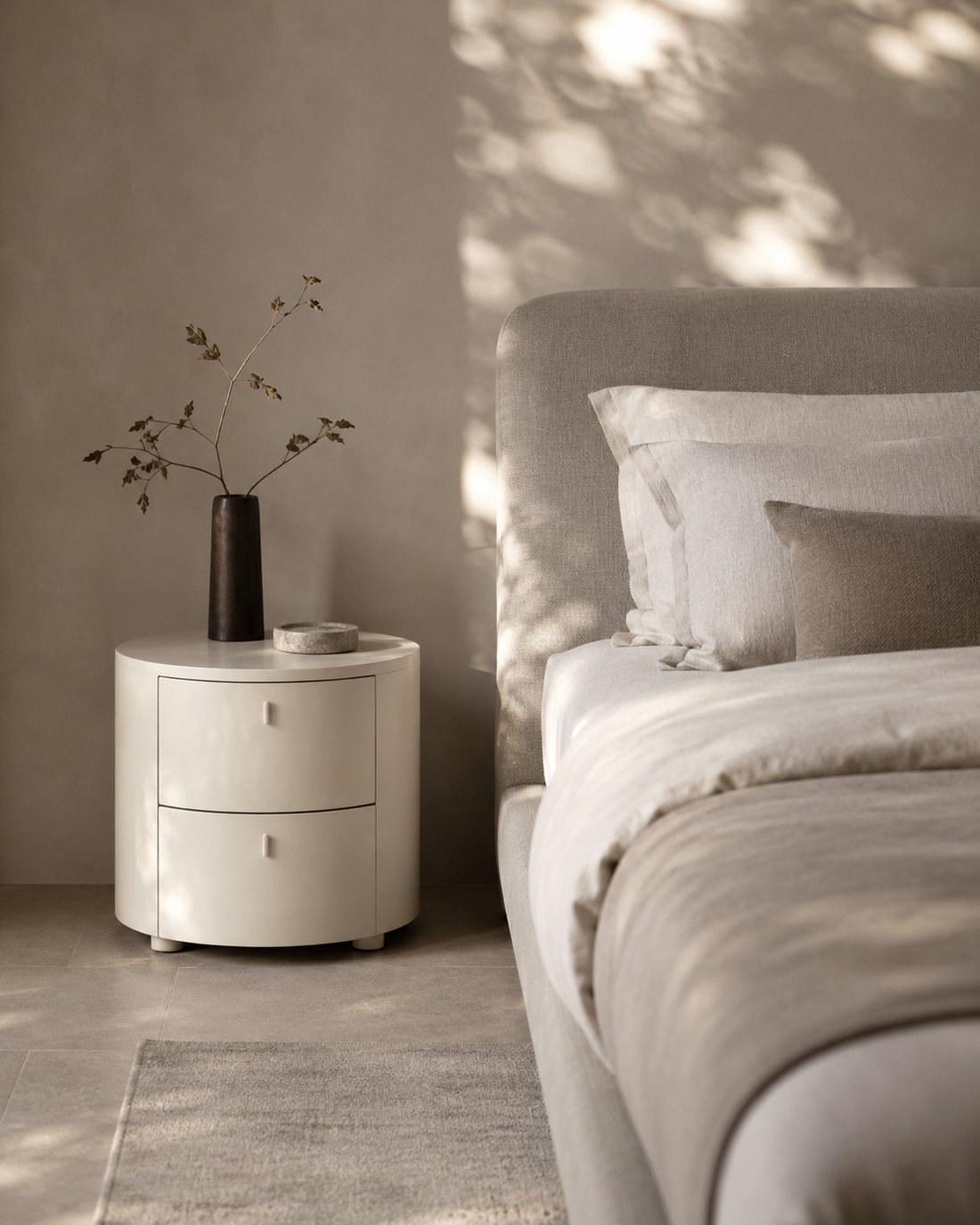 Sims Bedside Table - Matte Beige
- Regular price
-
- Regular price
-
- Sale price
-
-
Saviour Bedside Table - White Marble & Beige
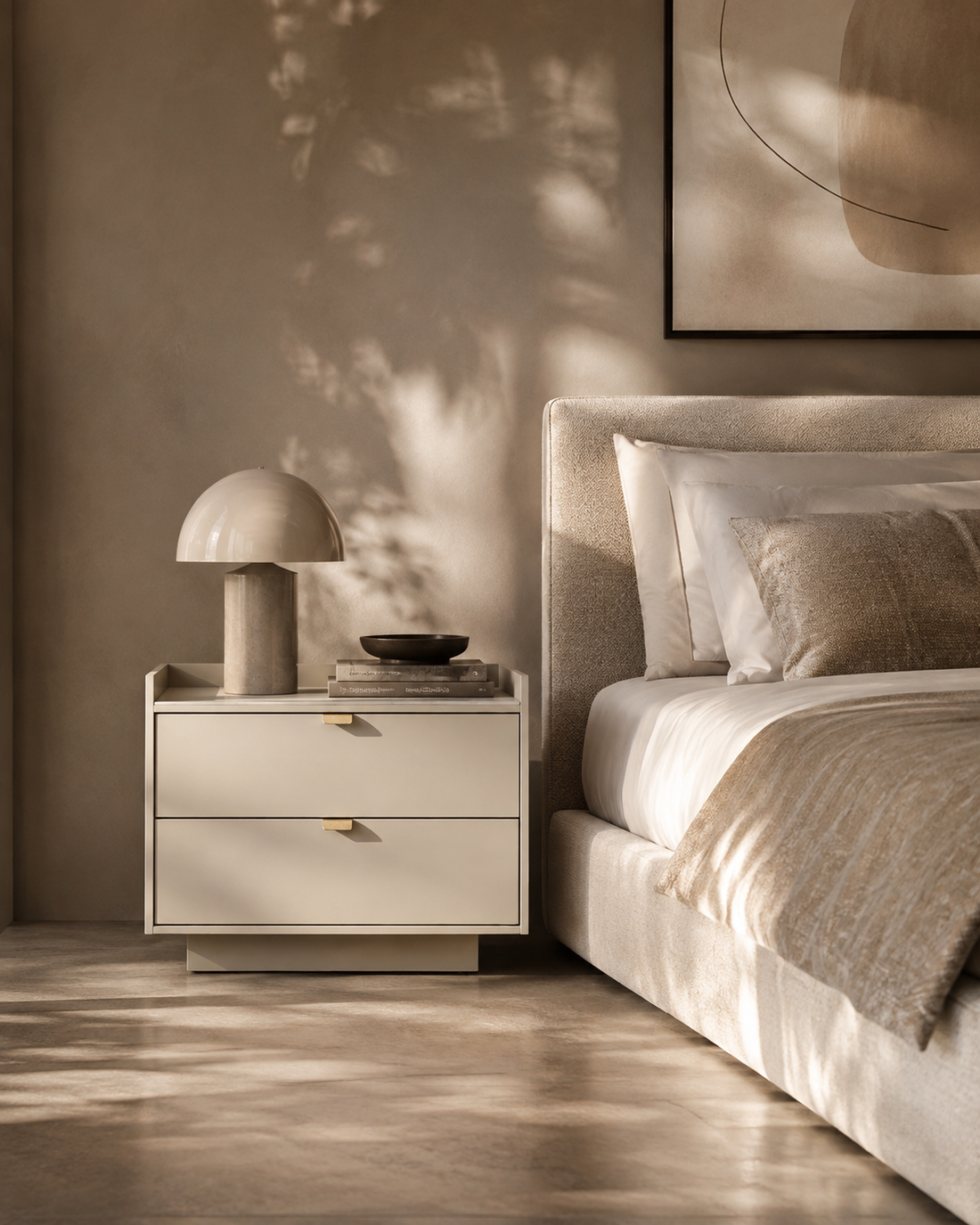 Saviour Bedside Table - White Marble & Beige
- Regular price
-
- Regular price
-
- Sale price
-
-
Dexter Bedside Table - Walnut - Pair
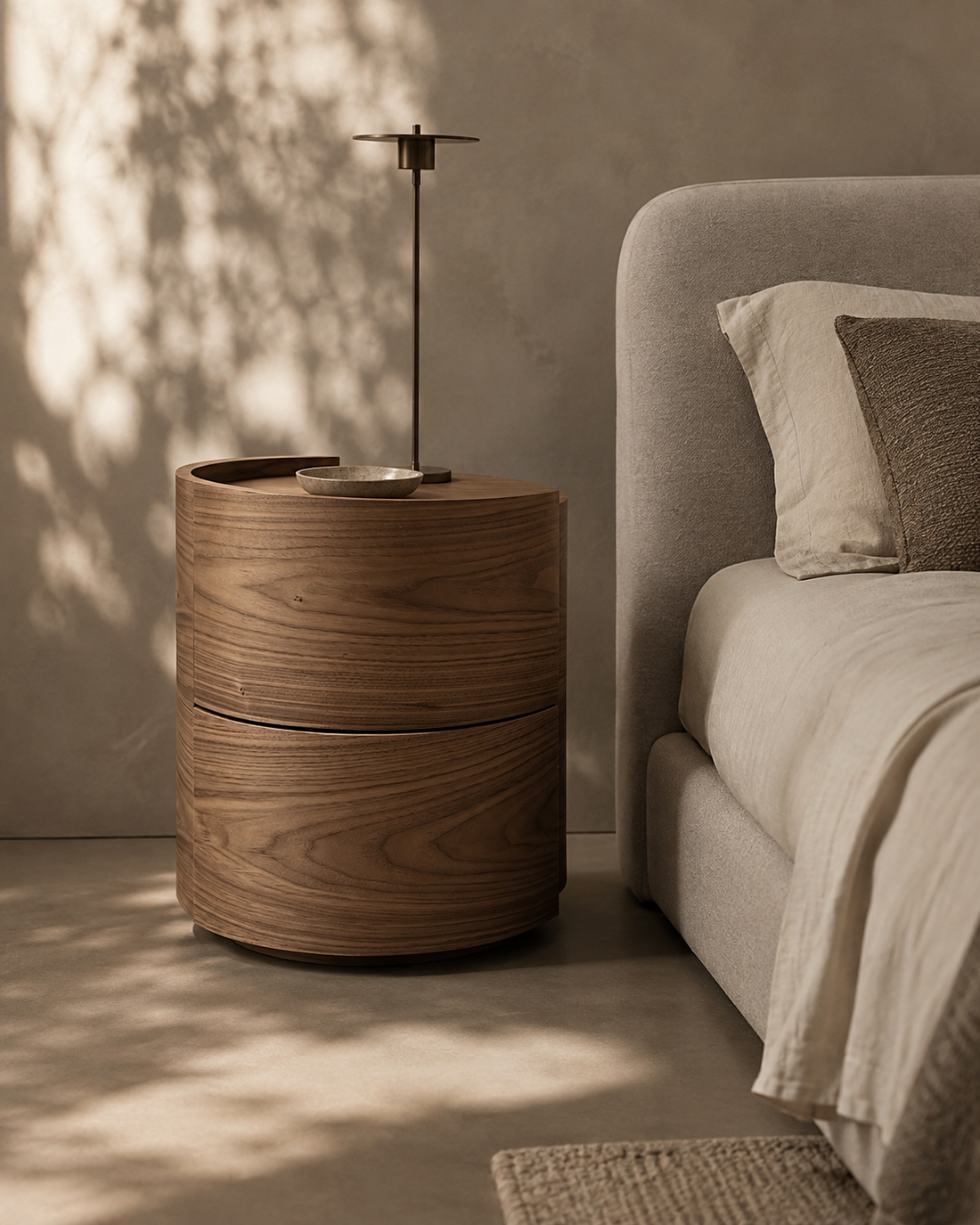 Dexter Bedside Table - Walnut - Pair
- Regular price
-
- Regular price
-
- Sale price
-
Disclaimer: All trademarks, brand names and product names mentioned on this website are the property of their respective owners. Any references are made for identification, informational or comparative purposes only, and do not imply any affiliation, endorsement, sponsorship or authorisation.