

The Decorium
The Decorium is a well-known UK furniture and interiors retailer, often referenced within the trade sector as a point of comparison for residential furniture styles, showroom presentation, and mid-to-upper market positioning. In professional interior discussions, the decorium is typically mentioned in relation to consumer-facing design trends rather than as a trade supplier.
For interior designers, developers, hospitality buyers, and retailers, understanding references to the decorium helps contextualise end-user expectations while reinforcing the differences between retail-led furniture and trade-grade specification.
How The Decorium Is Referenced in Trade & Commercial Contexts
In commercial interiors, the decorium is most commonly referenced during early-stage design conversations or benchmarking exercises. Trade buyers may encounter the term when:
Comparing retail furniture aesthetics with trade-appropriate alternatives
Assessing popular residential styles that influence show homes and build-to-sell developments
Discussing brand awareness with stakeholders or clients familiar with consumer retailers
Reviewing pricing expectations and perceived value in the wider UK furniture market
In these cases, the decorium acts as a reference point for style and market positioning, rather than a source for scalable or commercial supply.
Retail Furniture vs Trade Furniture Specification
While retailers such as the decorium focus on individual consumer purchases, trade furniture suppliers operate with different priorities. Trade and wholesale furniture must support bulk ordering, consistent finishes, and repeat availability across multiple projects or locations.
Professional buyers typically require furniture that offers:
Consistent dimensions and finishes across collections
Durability suitable for high-use or shared environments
Stable lead times and reliable stock levels
Products designed for repeat specification and long-term replacement
Retail collections may change frequently, making them less suitable for hospitality projects, phased residential developments, or large-scale interior rollouts.
Why Trade Buyers Look Beyond Retail Brands Like The Decorium
For designers and developers working on commercial or multi-unit projects, relying on retail brands such as the decorium can introduce risks around continuity, availability, and long-term support. Retail furniture is generally not designed for repeated commercial use or ongoing replacement programmes.
Trade-focused suppliers provide collections that remain available over time, supporting consistency across multiple phases and locations. This is particularly important in hotels, serviced apartments, build-to-rent schemes, and student accommodation, where uniformity and reliability are essential.
Design Influence and Market Awareness
Although the decorium operates within the retail sector, its presence contributes to broader UK interior design awareness. Trade professionals often monitor retailers to understand prevailing consumer tastes, including colour palettes, furniture silhouettes, and styling approaches.
These insights can then be translated into trade-grade furniture solutions that retain the visual appeal of retail styles while meeting the performance, durability, and scalability requirements of professional interiors.
Brand & Trade Context
As a UK-based, trade-only furniture brand, Tommy Franks operates independently of consumer retailers such as the decorium, focusing exclusively on the needs of professional buyers. With UK-held stock, free UK mainland delivery, competitive trade pricing, and consistent collections designed for repeat projects, Tommy Franks supports reliable furniture specification across hospitality, residential, and commercial interiors.
This trade-first approach enables designers, developers, and retailers to achieve refined, retail-inspired interiors while maintaining the consistency and performance required for professional projects.
Products
-
Sims Bedside Table - Matte Beige
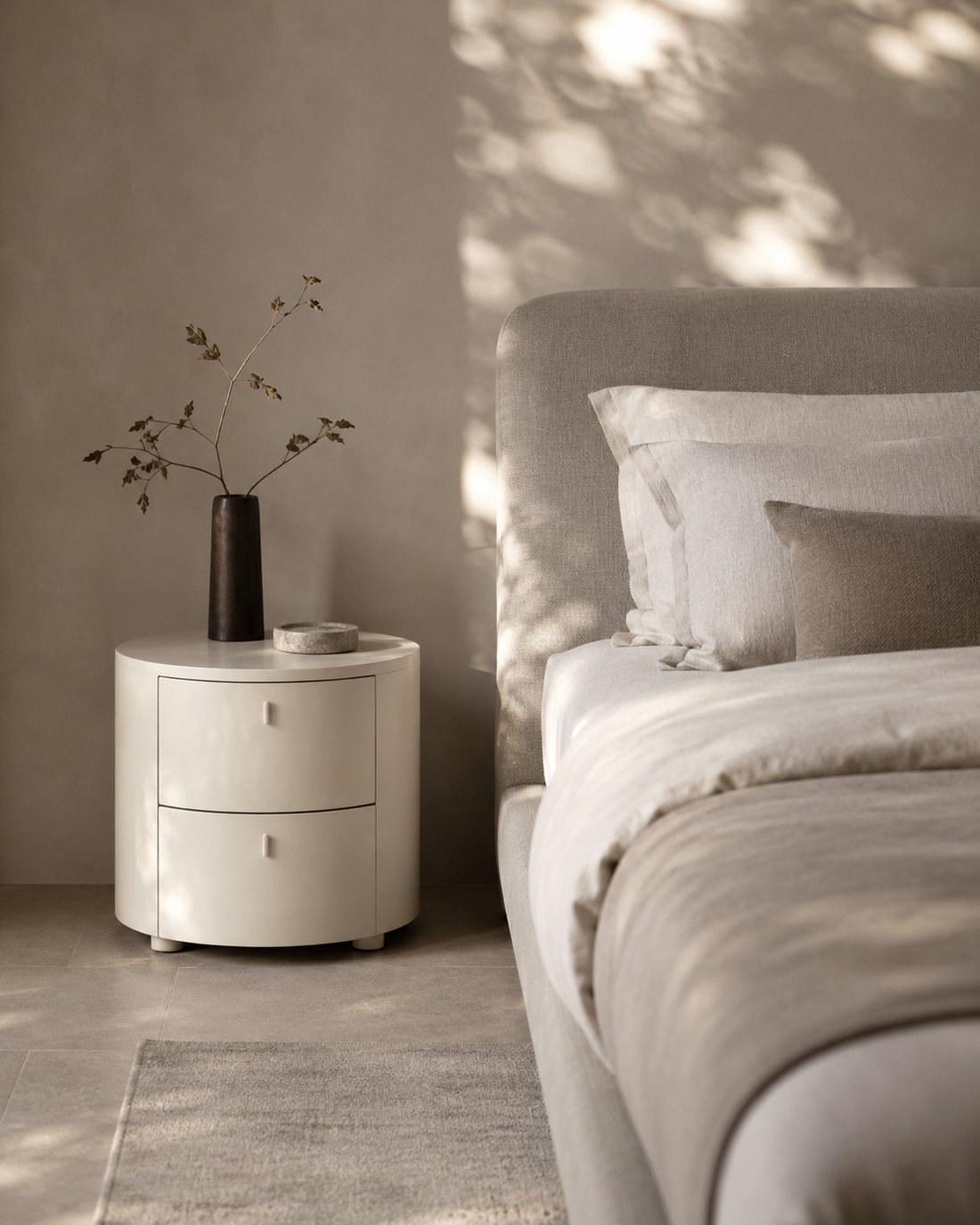 Sims Bedside Table - Matte Beige
- Regular price
-
- Regular price
-
- Sale price
-
-
Saviour Bedside Table - White Marble & Beige
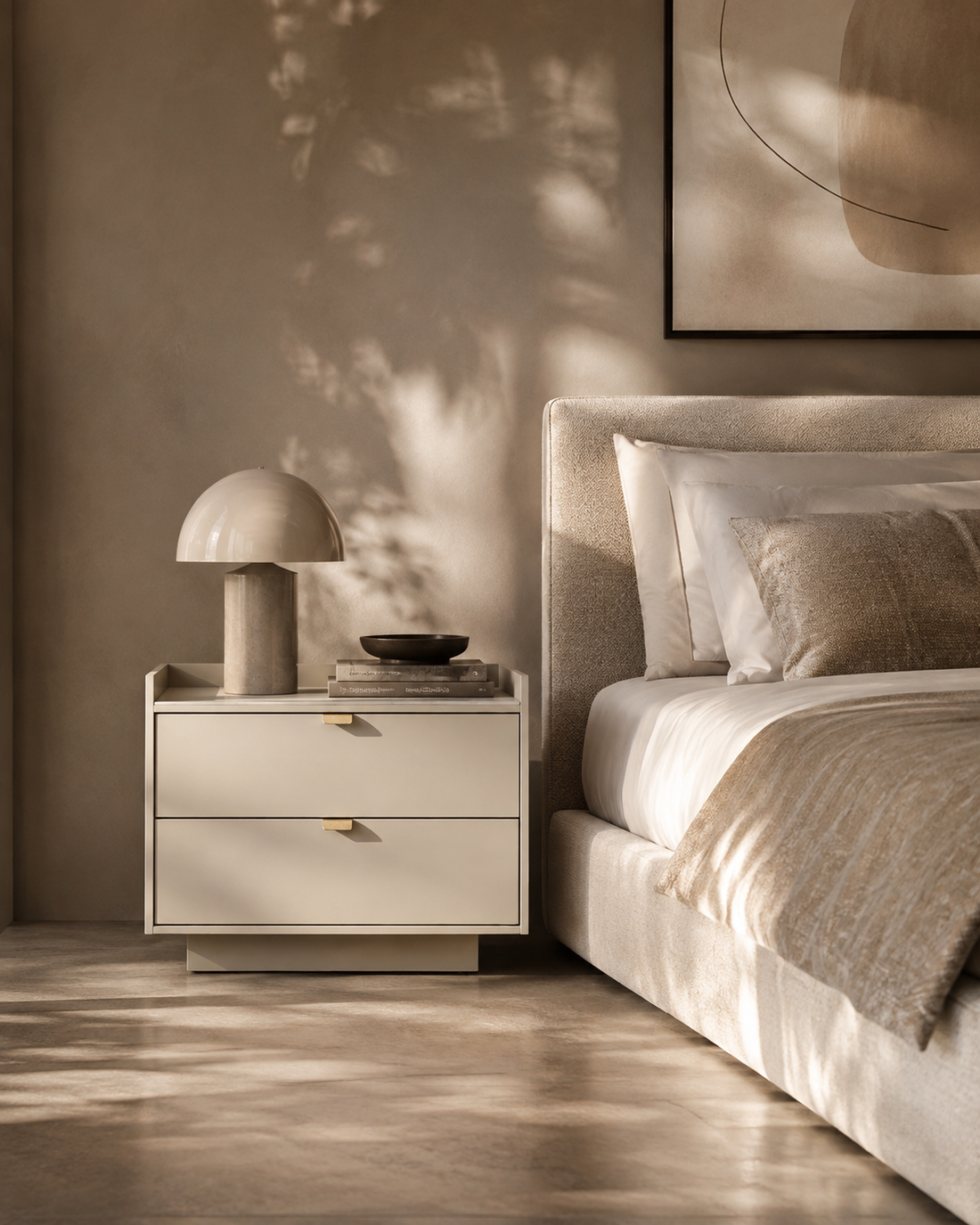 Saviour Bedside Table - White Marble & Beige
- Regular price
-
- Regular price
-
- Sale price
-
-
Dexter Bedside Table - Walnut - Pair
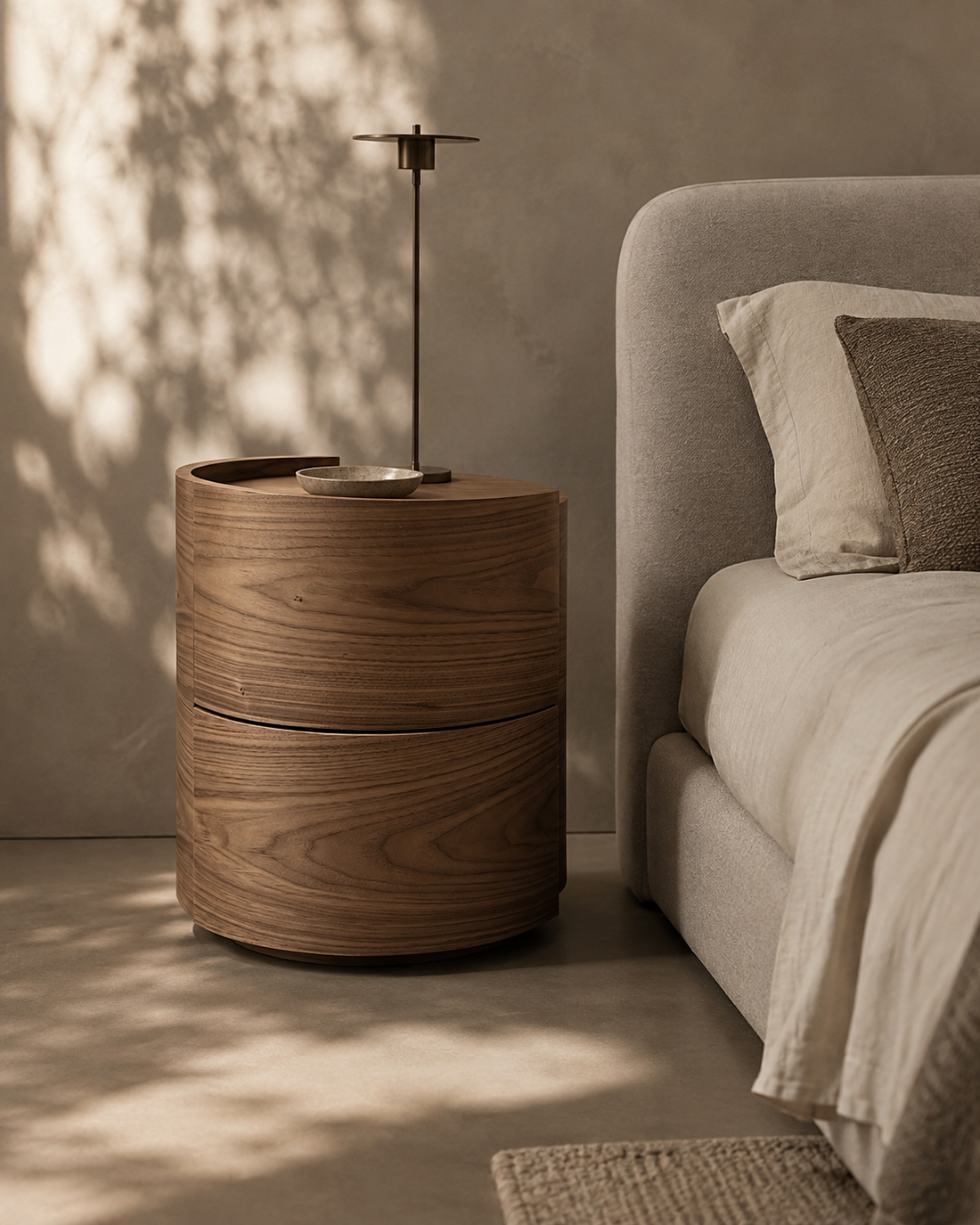 Dexter Bedside Table - Walnut - Pair
- Regular price
-
- Regular price
-
- Sale price
-
Disclaimer: All trademarks, brand names and product names mentioned on this website are the property of their respective owners. Any references are made for identification, informational or comparative purposes only, and do not imply any affiliation, endorsement, sponsorship or authorisation.