

Room Screens And Dividers
Room screens and dividers are versatile interior furnishings designed to separate spaces while maintaining light, flow, and visual harmony. Used across residential and commercial interiors, they provide a practical solution for creating distinct zones without the need for permanent walls or structural alterations. Combining function with decorative appeal, room screens and dividers enhance privacy, organisation, and design cohesion.
In modern UK interiors, where open-plan living is common, room screens and dividers play an increasingly important role. They allow spaces to be adapted for multiple uses, whether dividing a living and dining area, creating a home office zone, or adding privacy to bedrooms and hospitality environments.
What Are Room Screens and Dividers?
Room screens and dividers are freestanding or semi-fixed furniture pieces used to visually and physically separate areas within a room. Unlike built-in partitions, they offer flexibility and can be repositioned or removed as needed. Designs range from folding screens and open shelving units to sculptural panels and decorative partitions.
Interior designers frequently specify room screens and dividers to introduce structure into open spaces without compromising natural light. They can be subtle and understated or bold and expressive, depending on the style and purpose of the interior scheme.
These pieces are valued not only for their practical function but also for their contribution to the overall aesthetic. When chosen carefully, a room divider becomes a design feature that adds texture, height, and visual interest to a space.
Types of Room Screens and Dividers
Room screens and dividers are available in a wide range of styles and configurations to suit different spatial needs and design preferences.
Folding Screens
Folding screens are among the most traditional forms of room dividers. They are lightweight, portable, and easy to reposition. Often constructed from wood, fabric, or woven materials, folding screens are ideal for bedrooms, dressing areas, and temporary privacy solutions.
Open Shelving Dividers
Open shelving used as a room divider offers both separation and storage. These designs allow light to pass through while providing space for books, plants, and decorative objects. They work particularly well in studio apartments and modern living rooms where zoning and display are equally important.
Panel Dividers
Panel-style dividers feature solid or semi-open panels made from wood, metal, or composite materials. They provide stronger visual separation and are often used in dining rooms, offices, or hospitality settings where a more defined boundary is required.
Decorative and Textured Screens
Decorative screens incorporate materials such as rattan, cane, glass, or metal mesh. These introduce texture and pattern, making the divider a statement feature rather than a purely functional element. They are commonly used in boutique hotels, lounges, and design-led residential interiors.
Design Styles and Materials
Room screens and dividers are available across a broad range of design styles, from minimalist to classic and eclectic. Contemporary designs focus on clean lines and neutral finishes, blending seamlessly into modern interiors. More decorative styles feature carved wood, fluted panels, or woven textures that suit layered and expressive schemes.
Common materials include solid wood, engineered wood, metal frames, glass panels, and natural fibres such as rattan or bamboo. Wood adds warmth and structure, metal introduces a more architectural quality, and woven materials soften the overall look while maintaining visual interest.
Finish options range from natural wood tones and painted neutrals to darker shades that allow the divider to act as a focal point. Designers often choose room screens and dividers either to complement existing furniture or to provide contrast within a restrained palette.
Benefits of Room Screens and Dividers
One of the primary advantages of room screens and dividers is flexibility. They allow spaces to be adapted quickly and easily, making them ideal for modern homes and commercial interiors where layouts must remain dynamic.
They enhance privacy while preserving light and openness. Many designs use open or semi-open structures that maintain brightness while creating distinct zones. This is especially valuable in smaller UK homes and apartments where both space and light are limited.
Room screens and dividers also add vertical structure to interiors. They help define circulation routes, frame furniture arrangements, and create visual boundaries without the need for physical walls.
From a design perspective, they introduce texture, material contrast, and depth, helping interiors feel layered and intentional rather than open and undefined.
Choosing the Right Room Screen or Divider
Selecting the right room screen or divider depends on the function of the space and the level of separation required. For light zoning and decorative effect, open shelving or textured screens work well. For greater privacy, panel or folding dividers provide more coverage.
Scale and proportion are key considerations. A divider should be tall enough to define the space but not so large that it overwhelms the room. In compact interiors, slim-profile designs preserve openness while still offering separation.
Stability and build quality are important, particularly in commercial or hospitality environments. Well-constructed room screens and dividers ensure durability and consistent performance over time.
The chosen style should complement surrounding furniture and finishes. In modern interiors, understated designs integrate easily, while more expressive dividers suit eclectic or statement-led schemes.
Styling Room Screens and Dividers
Room screens and dividers can be styled as decorative features rather than purely functional elements. Open shelving dividers allow curated displays of plants, books, and accessories. Folding screens can be positioned behind sofas or beds to add depth and layering.
Lighting enhances their impact. Floor lamps or directional lighting can highlight textures and patterns, making the divider part of the overall design composition.
In hospitality and commercial interiors, room screens and dividers are often used to frame seating areas or create semi-private zones while reinforcing brand identity through material and colour choices.
Coordinating dividers with rugs, cushions, and artwork helps create cohesive zones that feel purposeful and well-considered.
Trade and Wholesale Considerations
Room screens and dividers are particularly valuable for interior designers and independent retailers working across residential and commercial projects. Their adaptability makes them suitable for apartments, offices, hotels, restaurants, and retail environments.
For designers, room screens and dividers provide creative solutions to zoning challenges without the need for permanent construction. They allow layouts to evolve while maintaining visual structure and client satisfaction.
Retailers benefit from stocking room screens and dividers because they appeal to customers seeking both decorative and practical furnishings. Their visual presence supports strong showroom displays and encourages complementary purchases alongside lighting and accessories.
Access to UK-held stock is essential for trade professionals working to project deadlines. Reliable availability ensures consistency and confidence across projects. Free UK delivery simplifies logistics, while no minimum order value allows designers and retailers to order individual pieces rather than committing to bulk quantities.
Strong resale margins make room screens and dividers commercially attractive, particularly as statement furniture items that bridge décor and architecture.
Practical Considerations
Maintenance and durability are important when specifying room screens and dividers. Finishes should be easy to clean and resistant to wear, especially in high-traffic environments such as hospitality or retail spaces.
Fire safety and material standards are also relevant for commercial projects. Selecting well-constructed pieces with appropriate finishes ensures compliance and long-term performance.
Because room screens and dividers often occupy prominent positions within interiors, their quality of craftsmanship and finish should match the overall standard of the design scheme.
Why Choose Tommy Franks?
Tommy Franks is a favourite among interior designers and independent retailers seeking premium furniture and accessories with dependable availability. Carefully curated collections focus on refined design, premium craftsmanship, and practical functionality.
Trade accounts are welcome, offering easy onboarding for professionals across the interior design and retail sectors. With a vast range of UK-held stock, clients benefit from reliable supply and reduced lead times across residential and commercial projects.
Free UK delivery on all items removes logistical complexity, while no minimum order value allows flexibility for both small and large-scale requirements. Competitive wholesale margins support strong resale performance, and a reliable UK supply chain ensures confidence in ongoing availability.
Through thoughtfully selected collections and a commitment to quality, Tommy Franks provides room screens and dividers that balance visual impact with everyday usability.
Products
-
Sims Bedside Table - Matte Beige
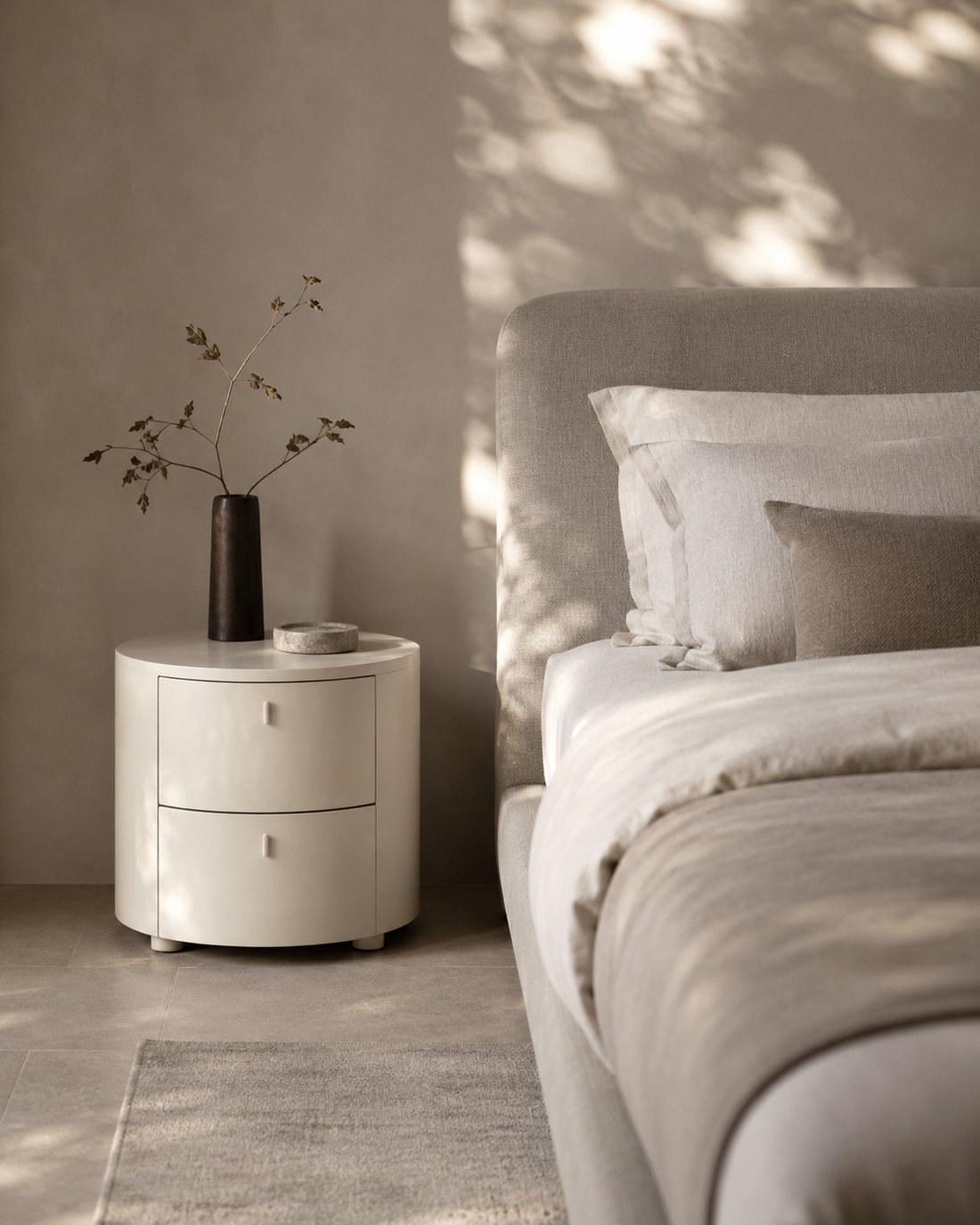 Sims Bedside Table - Matte Beige
- Regular price
-
- Regular price
-
- Sale price
-
-
Saviour Bedside Table - White Marble & Beige
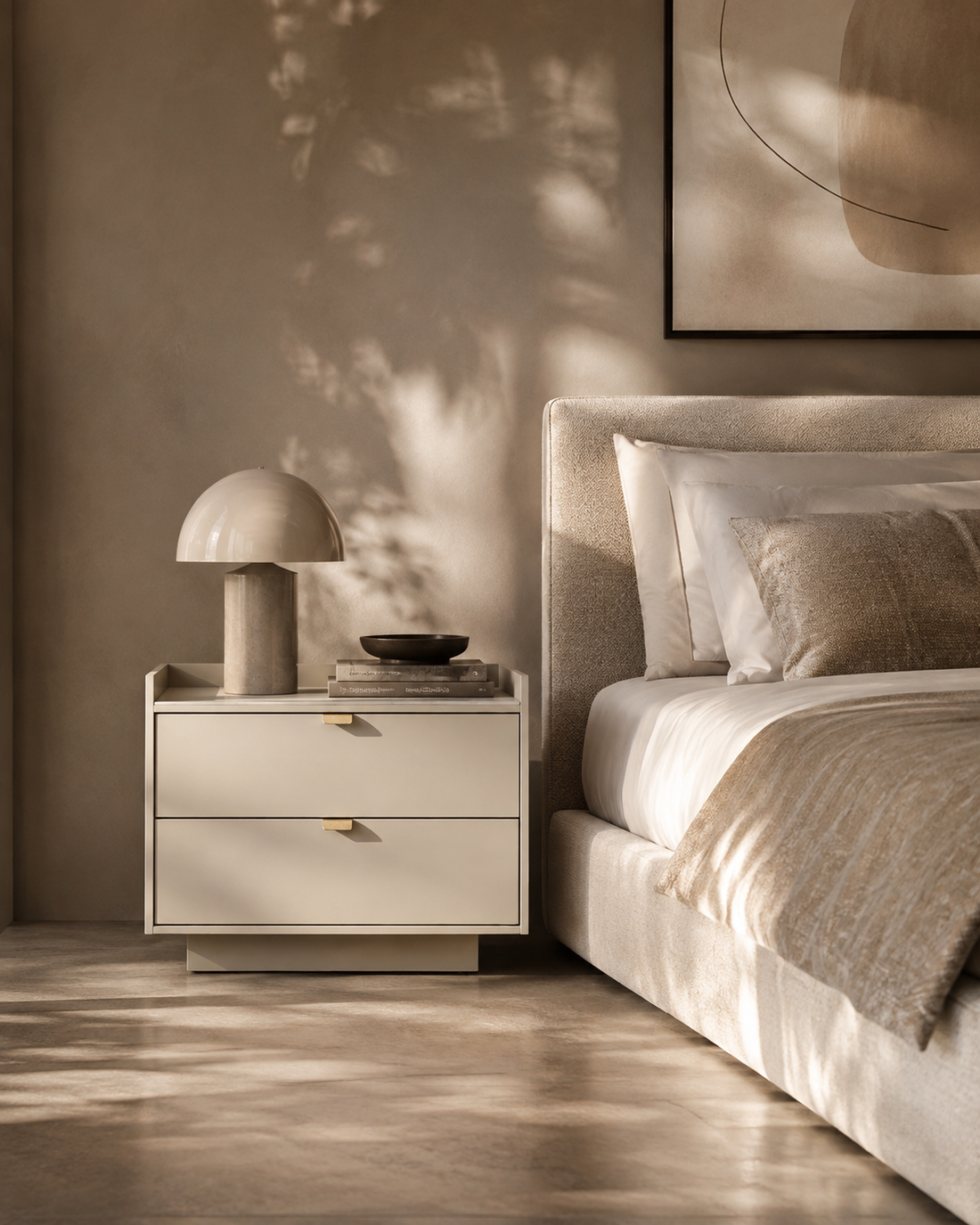 Saviour Bedside Table - White Marble & Beige
- Regular price
-
- Regular price
-
- Sale price
-
-
Dexter Bedside Table - Walnut - Pair
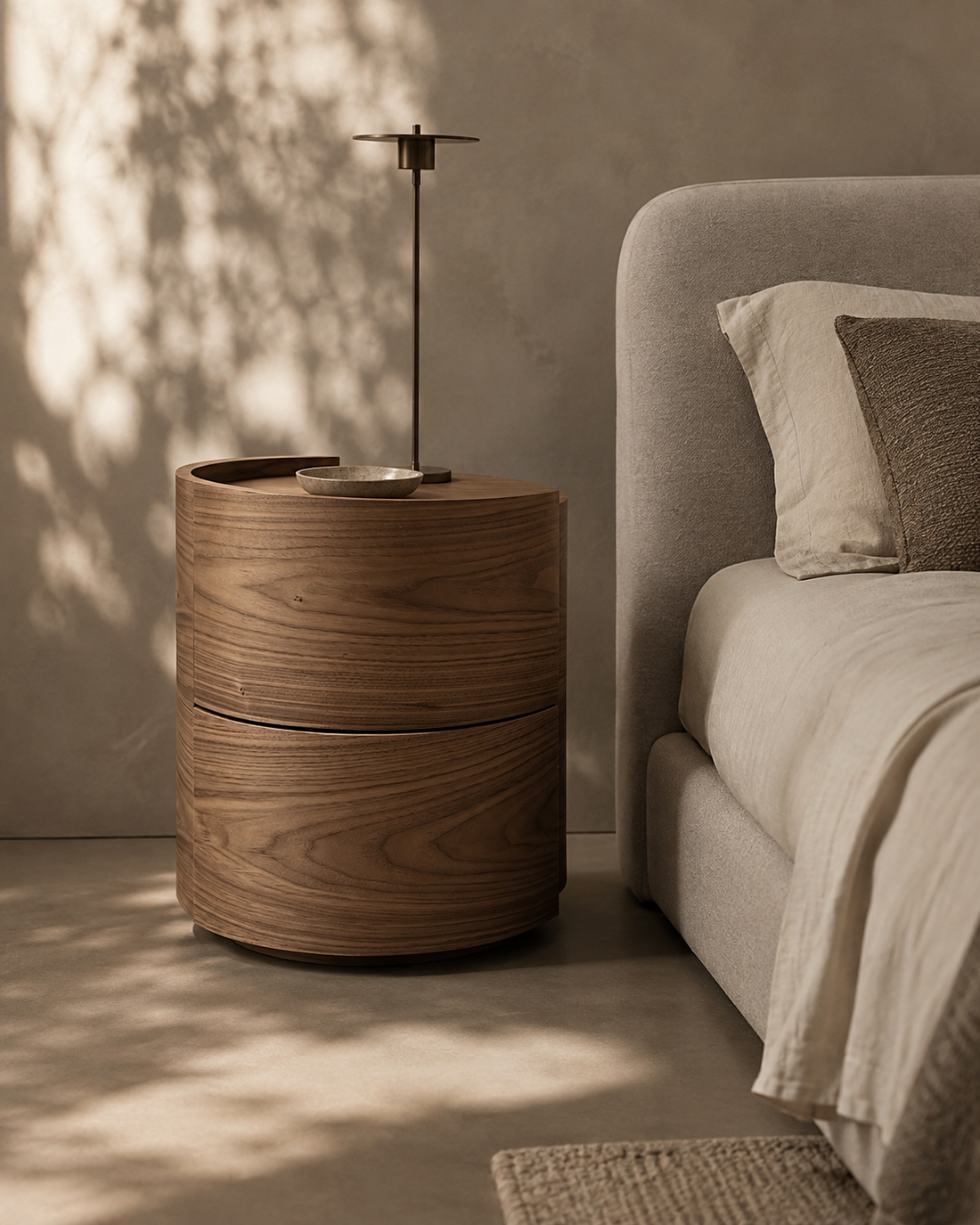 Dexter Bedside Table - Walnut - Pair
- Regular price
-
- Regular price
-
- Sale price
-
Disclaimer: All trademarks, brand names and product names mentioned on this website are the property of their respective owners. Any references are made for identification, informational or comparative purposes only, and do not imply any affiliation, endorsement, sponsorship or authorisation.