

Living And Dining Area
A living and dining area refers to an open-plan or connected space within a home or commercial setting designed for relaxation, socialising, dining, and entertainment. This combined space is central to daily living and often serves as the focal point for family gatherings, social events, and leisure activities. Thoughtful design ensures harmony between functional zones while maintaining a cohesive style and atmosphere.
Premium living and dining areas balance comfort, practicality, and aesthetics, providing flexible environments suitable for both casual use and formal occasions.
What Is a Living and Dining Area Used For?
Living and dining areas serve multiple purposes, including:
-
Relaxation and Socialising: Seating arrangements such as sofas, armchairs, and occasional chairs create comfortable spaces for conversation, reading, or media viewing.
-
Dining: Dining tables and chairs accommodate meals, from daily family dinners to entertaining guests.
-
Work and Study: Open layouts can incorporate flexible workspaces or homework zones without compromising design flow.
-
Entertaining: A well-planned layout supports hosting, offering ample circulation space and versatile seating.
-
Display and Storage: Furniture such as sideboards, cabinets, and shelving provide storage and display for tableware, decorative objects, and books.
Interior designers often approach living and dining areas as integrated zones, using furniture, lighting, and décor to define function while maintaining a harmonious aesthetic.
Planning a Living and Dining Area
Effective planning ensures that living and dining areas are functional, comfortable, and visually balanced:
-
Zoning: Use rugs, furniture placement, or lighting to distinguish between living and dining zones without creating visual barriers.
-
Flow and Circulation: Ensure sufficient space for movement between seating, dining, and access points such as doors or windows.
-
Furniture Scale and Proportion: Select sofas, tables, and storage units that suit the dimensions of the room while allowing flexibility.
-
Lighting: Combine ambient, task, and accent lighting to create mood and functionality for both lounging and dining.
-
Style Cohesion: Choose complementary finishes, colours, and textures to unify both zones, whether the style is contemporary, traditional, or eclectic.
Open-plan spaces benefit from careful layering of materials and lighting to create visual distinction between living and dining functions.
Furniture and Accessories for Living and Dining Areas
Key furniture and accessory choices include:
-
Seating: Sofas, armchairs, dining chairs, benches, and occasional seating.
-
Tables: Coffee tables, side tables, dining tables, and console tables.
-
Storage: Sideboards, cabinets, bookcases, and media units.
-
Lighting: Ceiling lights, pendants over the dining table, floor lamps, and wall lights.
-
Soft Furnishings: Cushions, throws, and rugs to create comfort, texture, and colour continuity.
-
Decorative Accents: Artwork, mirrors, plants, and decorative objects to personalise and elevate the space.
Designers often select flexible, modular, or multi-purpose furniture to maximise both seating and storage without compromising circulation or style.
Styling a Living and Dining Area
To create a harmonious living and dining area:
-
Coordinate colour schemes and materials between zones for continuity.
-
Layer lighting: use pendant lights over the dining table, floor or table lamps in the living area, and ambient ceiling lighting throughout.
-
Use rugs to visually define seating or dining zones.
-
Mix textures, finishes, and textiles to add depth while maintaining cohesion.
-
Include statement pieces, such as a sculptural dining table or designer sofa, to create focal points.
-
Consider traffic flow and ease of access to seating, dining surfaces, and storage.
Professional styling ensures the space is functional, comfortable, and visually balanced, suitable for everyday living and entertaining.
Trade & Wholesale Benefits
For interior designers and independent retailers, furnishing living and dining areas presents commercial advantages:
-
Versatile Products: Sofas, dining tables, chairs, and storage units can be specified across multiple projects.
-
UK Stock Availability: Immediate access ensures projects stay on schedule.
-
Premium Craftsmanship: Durable, high-quality furniture ensures client satisfaction and longevity.
-
Trade-Friendly Terms: Free UK delivery, no minimum order, and competitive wholesale margins simplify procurement.
-
Cohesive Collections: Carefully curated ranges allow designers to coordinate furniture, lighting, and décor efficiently.
Trade professionals benefit from sourcing reliable, versatile, and stylish pieces that appeal to clients and customers alike.
Why Choose Tommy Franks?
Tommy Franks is a favourite among interior designers and independent retailers for furnishing premium living and dining areas. Carefully curated collections combine comfort, style, and practicality with UK-held stock, free delivery, no minimum order, and competitive wholesale margins.
Trade clients benefit from premium craftsmanship, design versatility, and reliable availability across multiple projects. Trade accounts are welcome, with easy onboarding to support busy designers and retailers. Tommy Franks provides a dependable supply chain and curated selections, enabling professionals to create sophisticated, functional living and dining areas that meet both client and retail expectations.
Products
-
Sims Bedside Table - Matte Beige
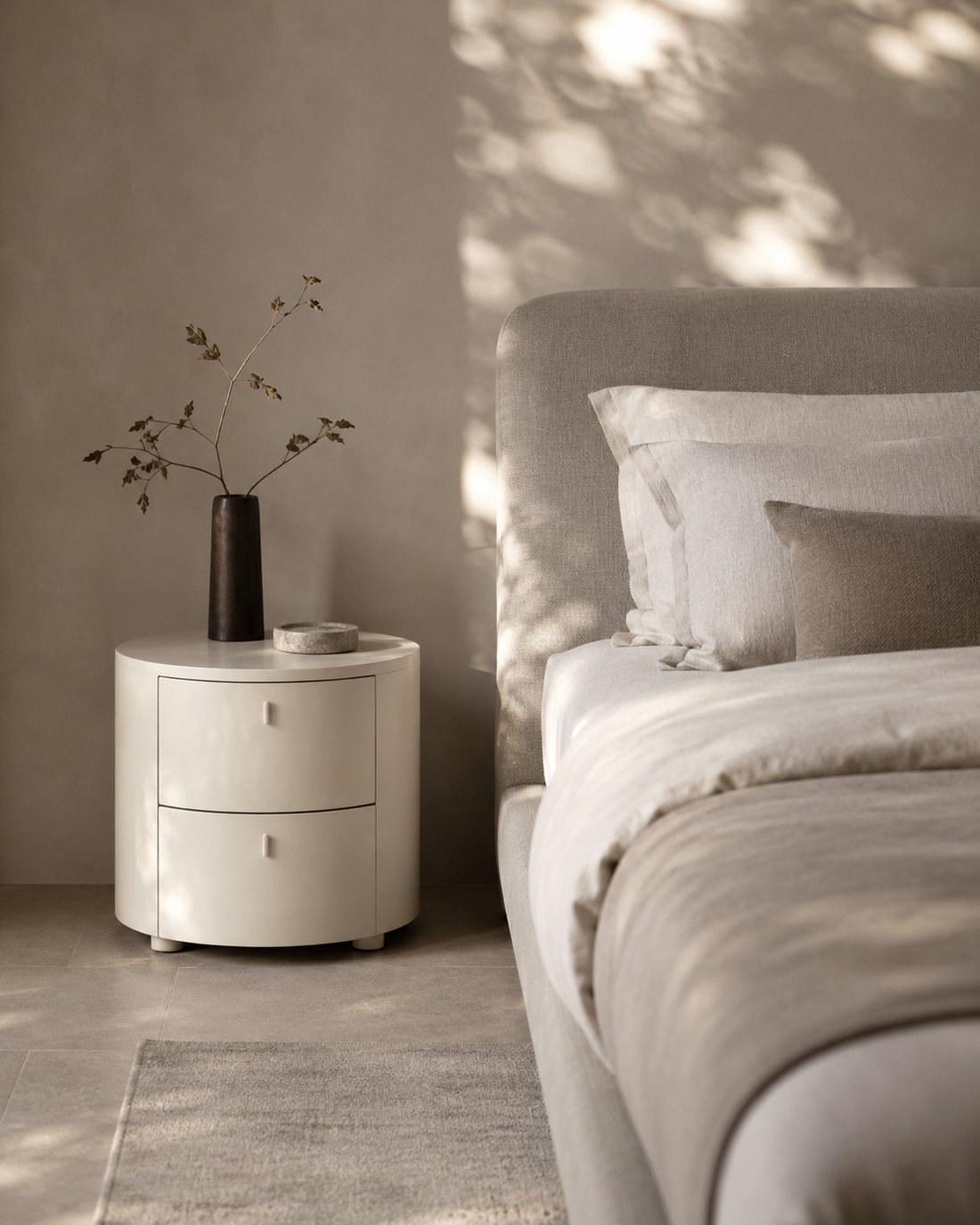 Sims Bedside Table - Matte Beige
- Regular price
-
- Regular price
-
- Sale price
-
-
Saviour Bedside Table - White Marble & Beige
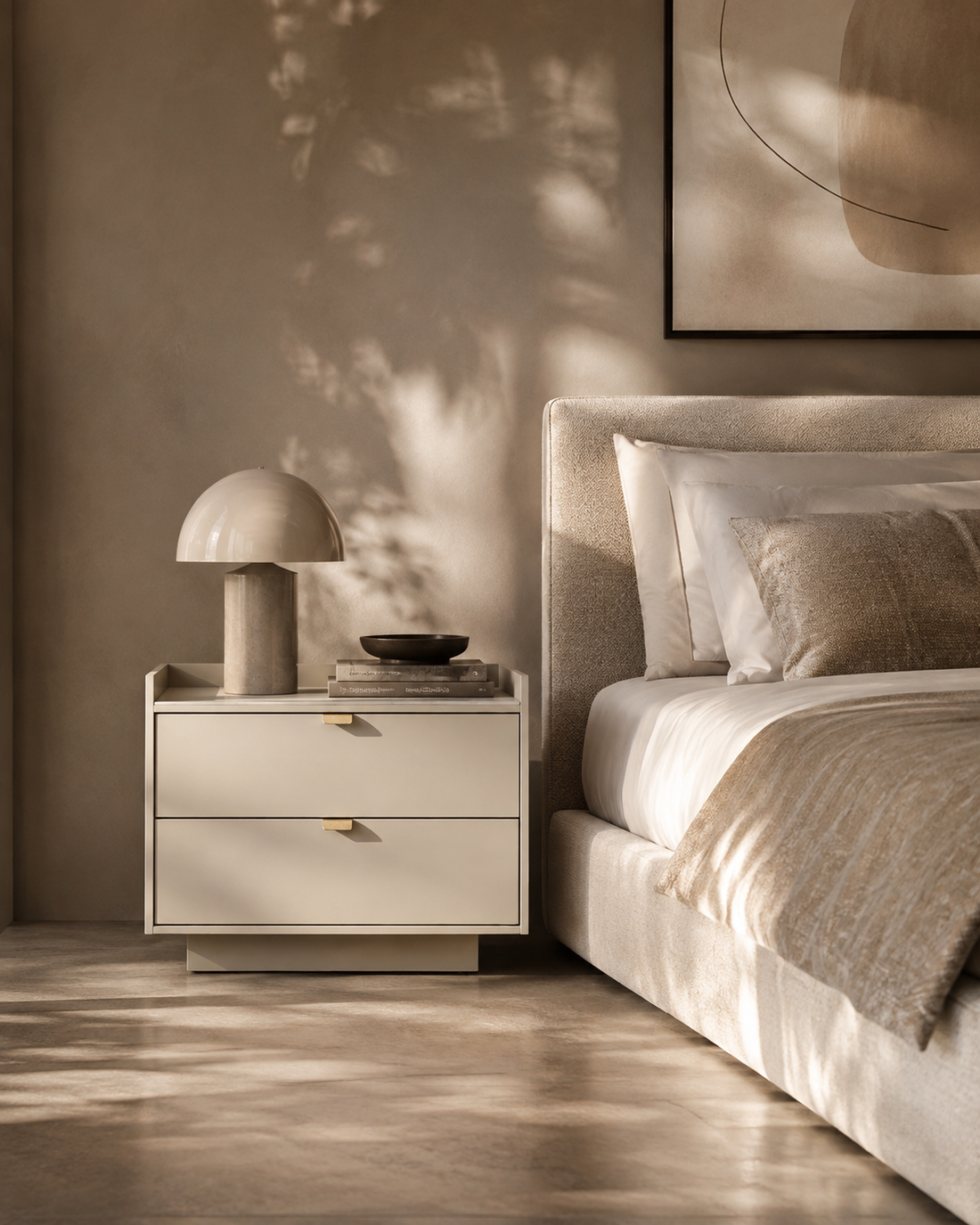 Saviour Bedside Table - White Marble & Beige
- Regular price
-
- Regular price
-
- Sale price
-
-
Dexter Bedside Table - Walnut - Pair
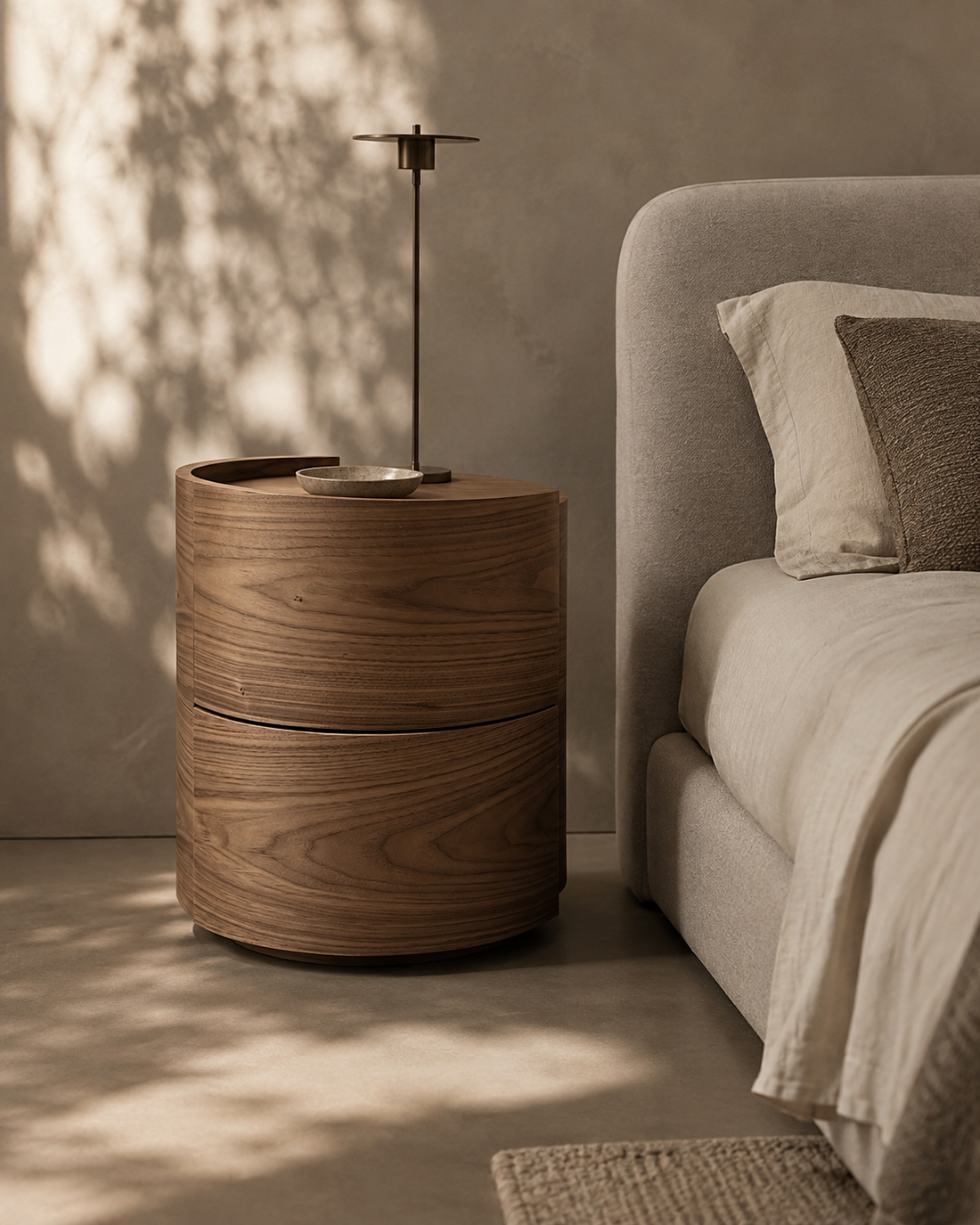 Dexter Bedside Table - Walnut - Pair
- Regular price
-
- Regular price
-
- Sale price
-
Disclaimer: All trademarks, brand names and product names mentioned on this website are the property of their respective owners. Any references are made for identification, informational or comparative purposes only, and do not imply any affiliation, endorsement, sponsorship or authorisation.