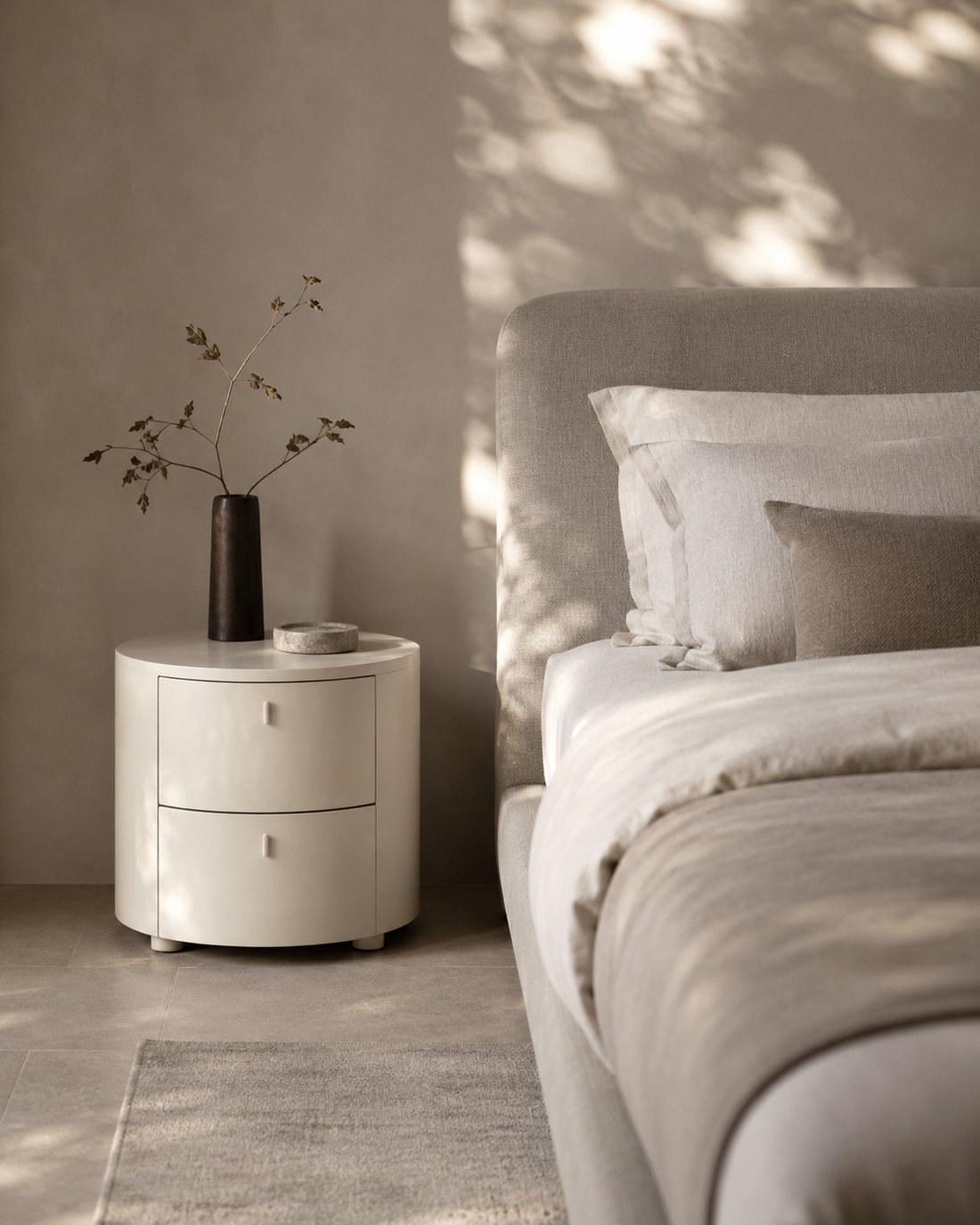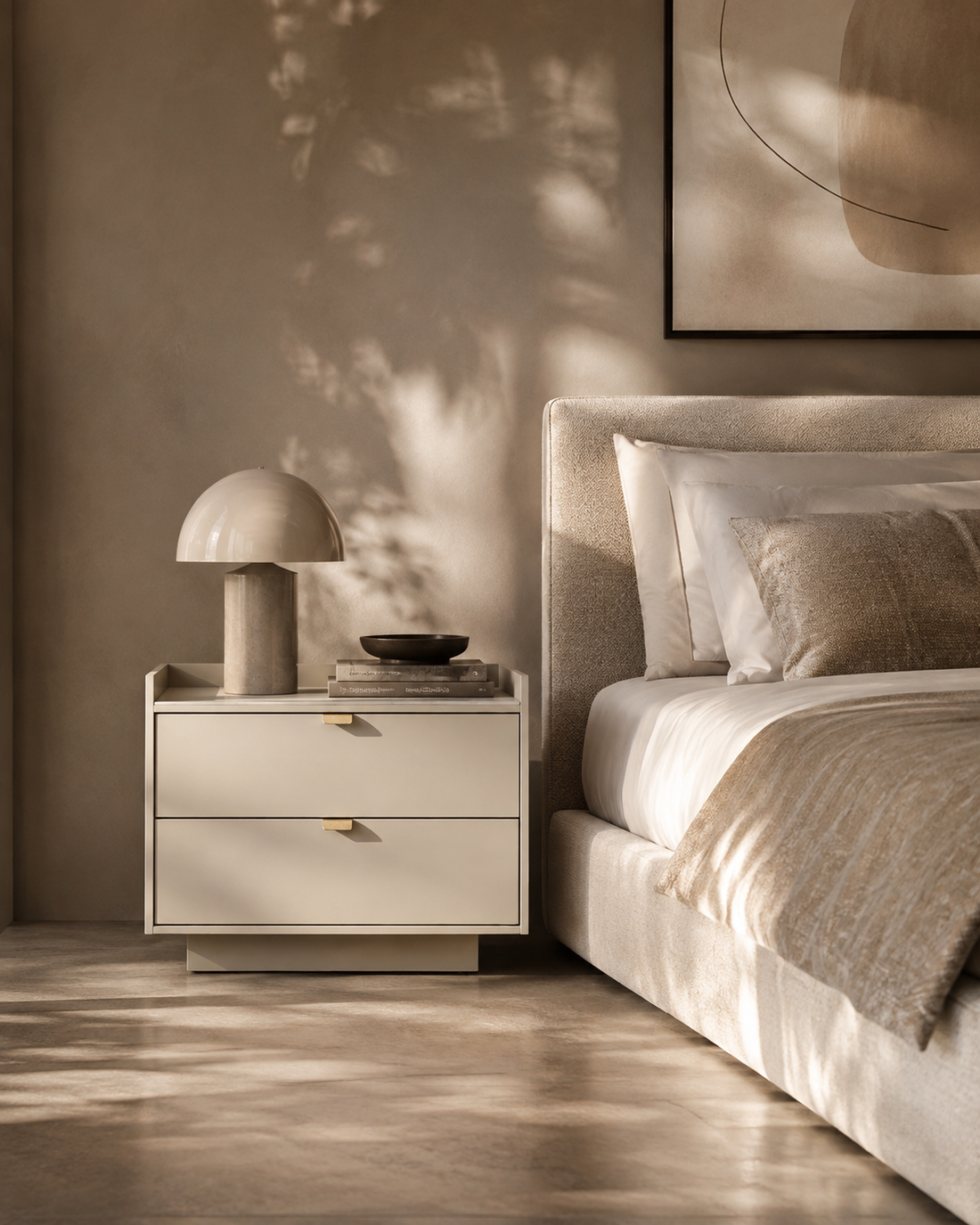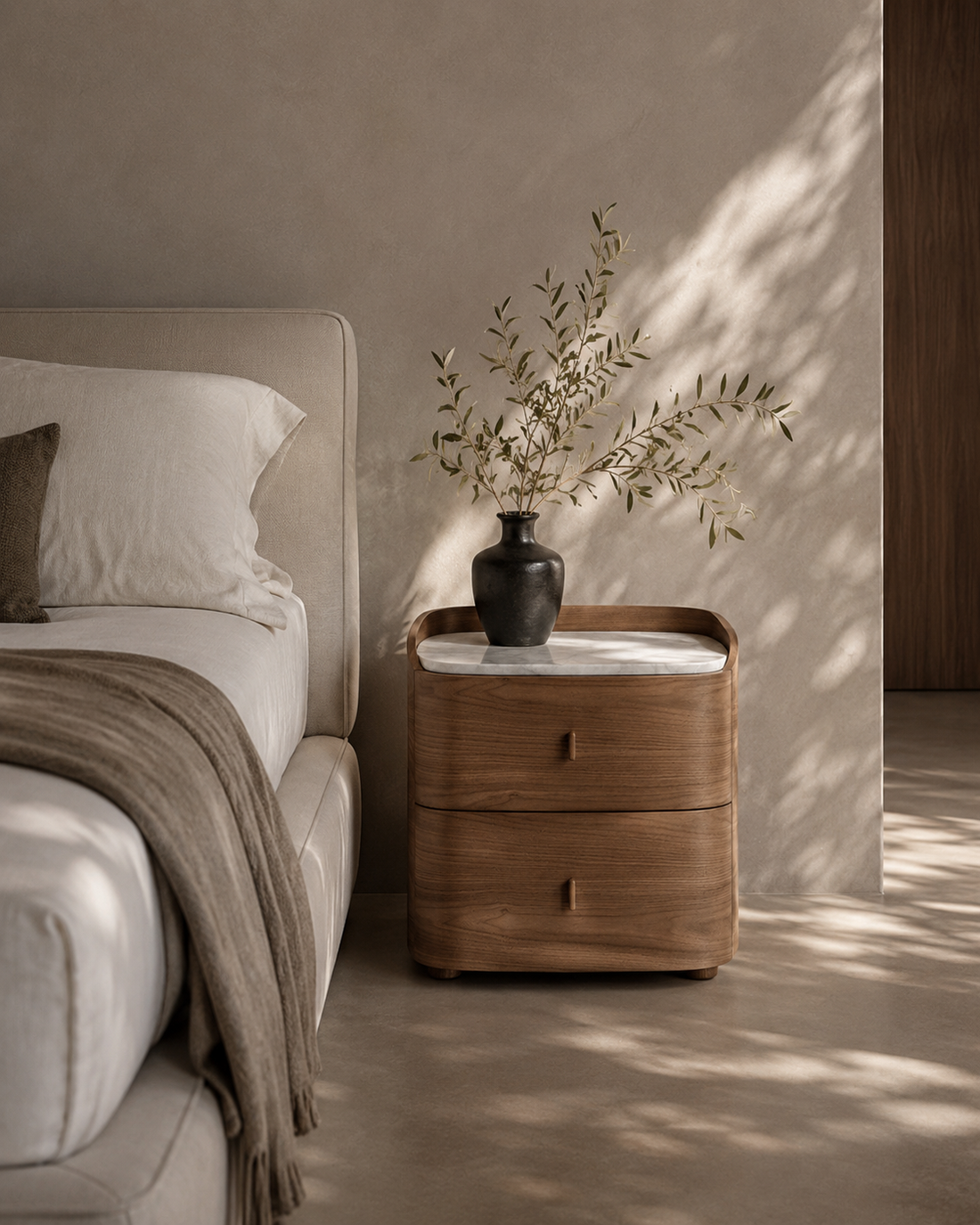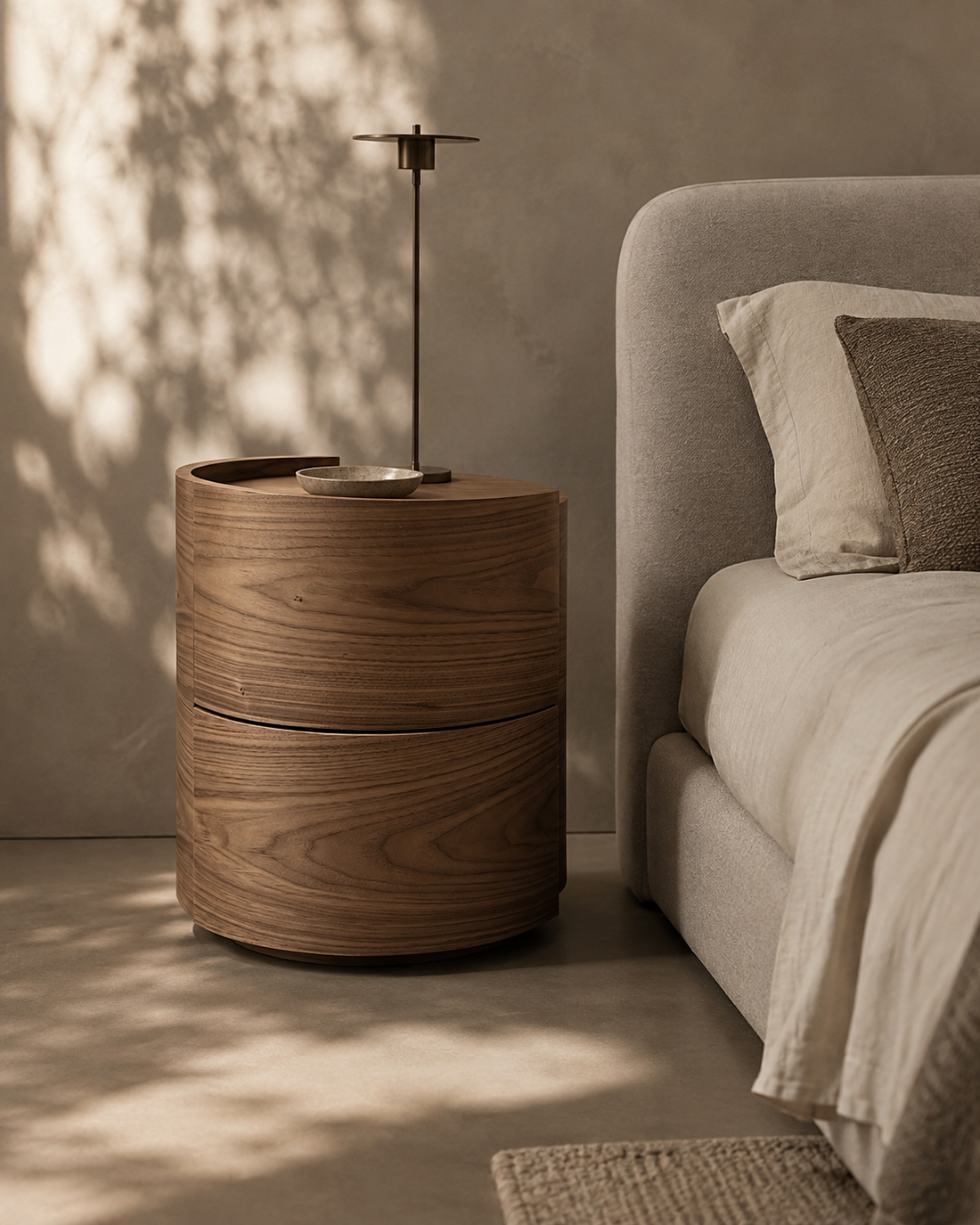
A striped side table is a distinctive furniture piece that combines practical surface space with bold visual character. Defined by its linear patterns—whether painted, inlaid, or woven—the striped side table introduces rhythm, contrast and design interest into living rooms, bedrooms, lounges or entrance areas. Its graphic detailing elevates everyday function, making it both a functional surface for lighting, décor and storage, and a style statement in contemporary and eclectic interiors alike.
For interior designers and independent retailers, the striped side table represents a versatile addition to curated schemes and retail collections. Its blend of proportion, pattern and materiality allows it to anchor seating groups, complement accent furniture and act as a focal accent that enriches overall room aesthetics.
What Defines a Striped Side Table
A striped side table is characterised by the use of linear motifs that run horizontally, vertically or diagonally across its surfaces. Stripes may be created through contrasting wood grains, painted finishes, inlaid veneers, metal detailing or textiles wrapped around structural elements.
Unlike plain surface tables, the striped side table adds visual motion and refined detailing without overwhelming surrounding décor. This balance between functionality and decorative impact makes it a sought‑after choice where designers want to introduce subtle pattern or contemporary flair without disrupting cohesion.
Design Styles and Materials
Striped side tables are available in a range of design styles and material combinations:
-
Contemporary linear patterns: Clean, minimalist stripes in neutral tones such as black and white, grey and ash, or soft pastels for modern interiors.
-
Natural wood contrasts: Alternating timber grains—such as oak, walnut or ash—create organic stripe effects with warmth and texture.
-
Mixed materials: Metal accents or brass striping combined with timber or lacquered surfaces for elevated detail.
-
Painted finishes: Bold or subtle stripe motifs on lacquered tables to introduce colour and personality.
Material choice affects both visual expression and durability. Solid woods provide timeless appeal, engineered veneers offer precise patterning, and lacquered or painted surfaces deliver crisp, graphic lines. Premium craftsmanship ensures that stripes are executed with precision, maintaining continuity at corners and edges for a refined finish.
Placement and Practical Use
When positioning a striped side table, consider both function and proportion. These tables typically sit beside sofas, armchairs or beds, offering a convenient surface for lighting, books, beverages or accent décor. Their scale should relate comfortably to adjacent seating—usually aligning within 5–10 cm of arm height—to ensure ergonomic usability.
-
Living Room: Beside a sofa or accent chair to house a table lamp, coasters, or decorative accessories.
-
Bedroom: As a distinctive bedside table to complement bedding and lighting accents.
-
Hallway or Entrance: As a narrow accent table for keys, small vases, or sculptural ornaments that welcome guests.
-
Lounge and Reading Nooks: Paired with minimalist seating for drinks and books, while contributing to visual interest.
Beyond surface practicality, the striped pattern enhances perceived movement within a space, drawing the eye and reinforcing architectural lines or contrasting wall textures.
Styling a Striped Side Table
Styling a striped side table effectively involves balancing its graphic pattern with surrounding elements:
-
Layer with lighting: A sculptural lamp or artisan lamp brings dimension while harmonising with stripe directionality.
-
Coordinate with textiles: Cushions or throws with subtle complementary stripes or texture can echo the table’s rhythm without being literal.
-
Anchor with décor: Simple vases, candle holders or sculptural objects allow the striped design to remain central while adding curated personality.
-
Balance boldness: In rooms with patterned rugs or wallpapers, choose stripe widths and colour palettes that don’t compete, favouring subtle contrasts or tonal alignments.
Groupings of accessories can be used to soften or accentuate the striping: metallic accents reflect light across linear motifs, while natural textures such as ceramics and wood introduce tactile counterpoints.
Trends and Longevity
Striped furniture continues to resonate with evolving interior trends due to its graphic clarity and adaptability:
-
Neutral and monochrome stripes: Offer timeless appeal across modern, contemporary and minimalist schemes.
-
Natural timber patterns: Celebrate wood grain contrasts that age gracefully and integrate with wider furniture palettes.
-
Tonal palettes with subtle contrast: Soft neutrals, muted greys and earthy hues offer sophisticated alternatives to high‑contrast black and white.
-
Mixed‑material details: Combining metals like brass or matte black with timber gives a premium, layered finish that suits crafted interiors.
While specific colour trends shift seasonally, the inherent structure of stripes ensures they remain relevant as enduring design cues that complement both classic and modern furniture contexts.
Trade & Wholesale Supply with Tommy Franks
Tommy Franks is a favourite among interior designers and independent retailers sourcing premium striped side tables in the UK. Trade accounts are welcome, offering efficient onboarding and straightforward ordering for bespoke projects or curated retail collections.
With a vast range of UK‑held stock, striped side tables are available for prompt delivery, supporting project timelines and retail demand. Free UK delivery on all items simplifies logistics, while there is no minimum order value—allowing designers to specify single pieces for tailored schemes or retailers to trial new designs without heavy commitment.
Competitive wholesale margins make striped side tables commercially viable, while premium craftsmanship ensures stability, refined finish quality and lasting usability. Carefully curated collections combine current design sensibilities with timeless appeal, backed by a reliable UK supply chain that provides predictable availability and support for trade partners.
Why Choose Tommy Franks?
Tommy Franks blends design‑led furniture with practical trade support. Interior designers benefit from consistent quality, readily available UK stock and professional service, while independent retailers gain access to collections that resonate with style‑conscious customers and deliver strong resale margins.
Free UK delivery and no minimum order value remove common sourcing barriers, enabling flexible specification and stock management. Emphasis on premium craftsmanship and considered design ensures striped side tables enhance interiors with both graphic interest and functional utility. Tommy Franks remains a trusted partner for the interior trade, offering furniture that balances aesthetic impact, durability and enduring quality.