

Screens And Dividers
Screens and dividers are interior furnishings designed to separate spaces, create privacy and add decorative structure without the need for permanent walls. Used in homes, offices and hospitality environments, they allow interiors to be zoned intelligently while maintaining light, flow and flexibility.
In contemporary interior design, screens and dividers are valued for both their functional and aesthetic roles. They help define living areas, soften open-plan layouts and introduce texture and form into otherwise open spaces. Whether used as subtle room separators or statement features, they support modern lifestyles that favour adaptable and visually refined interiors.
What Are Screens and Dividers?
Screens and dividers are freestanding or semi-fixed panels placed within an interior to divide one area from another. They can be solid or partially open, depending on how much privacy or separation is required.
Unlike permanent partitions, screens and dividers offer versatility. They can be moved, repositioned or removed as needs change, making them ideal for evolving residential layouts and commercial interiors that require flexibility.
Interior designers favour screens and dividers because they combine practicality with visual appeal. They define space through design rather than construction, allowing interiors to feel structured without becoming enclosed.
Design Features and Materials
Screens and dividers are defined by their materials, construction and decorative detailing. Common materials include wood for warmth and texture, metal for a contemporary feel, and fabric or woven elements for softness and acoustic benefit.
Slatted and panelled designs are particularly popular in modern interiors. These allow light to filter through while still creating a sense of division. Patterned or sculptural dividers introduce artistic character and act as focal points in minimalist spaces.
Finishes range from natural wood and neutral tones to black, metallic and darker colours for more dramatic interiors. Premium craftsmanship ensures stability, smooth edges and durable finishes, making screens suitable for both residential and hospitality use.
High-quality screens and dividers are proportioned carefully so that they enhance a room’s layout rather than overpower it. Their visual balance ensures they function as part of the overall design scheme.
Types of Screens and Dividers
There are several styles of screens and dividers, each suited to different interior needs.
Folding screens provide flexibility and portability. They can be opened or closed as required and stored away when not in use.
Fixed decorative dividers are used as semi-permanent features in open-plan homes, often placed between living and dining areas to create structure without blocking light.
Slatted room dividers suit contemporary spaces where airflow and brightness are important. These designs divide visually while maintaining openness.
Textured or patterned dividers act as statement pieces, introducing depth and interest into neutral interiors.
Compact dividers are designed for smaller rooms, offering subtle separation without taking up excessive floor space.
Choosing the Right Screens and Dividers
Selecting the right screens and dividers depends on purpose, scale and visual impact.
If privacy is the priority, denser or solid panels are more effective. For zoning and visual separation, slatted or open designs preserve light and spatial flow.
Proportion is essential. A divider should feel balanced within the room. Oversized screens can dominate smaller spaces, while undersized ones may appear ineffective in large open areas.
Finish coordination helps maintain cohesion. Wooden dividers complement warm and natural interiors, while metal or dark-framed designs suit modern and industrial schemes.
Durability is particularly important for trade and hospitality projects, where screens are frequently moved and must maintain appearance over time.
Where to Use Screens and Dividers
Screens and dividers can be used throughout residential and commercial interiors.
In living rooms, they separate seating areas from dining zones or workspaces without closing off the room.
Bedrooms use dividers to create dressing areas, reading corners or subtle separation between sleeping and storage spaces.
Home offices benefit from screens by defining work zones within shared rooms and improving focus.
Hallways and entrance areas use dividers to provide privacy and create welcoming transitions between spaces.
Hospitality environments such as hotels and restaurants use screens to define seating layouts and enhance guest comfort.
Retail interiors use dividers to guide customer movement and highlight display zones while keeping the space open and inviting.
Screens and Dividers in Interior Design Projects
Interior designers use screens and dividers to introduce structure and rhythm into open-plan environments. Rather than relying on walls, they create zones through form and texture, allowing interiors to feel intentional and layered.
In residential projects, screens soften transitions between functional areas and add decorative interest. Designers often coordinate divider finishes with furniture and lighting to create a unified look.
In hospitality settings, screens support privacy and atmosphere. Restaurants use them to separate tables, while hotels use them to define lounges and reception areas.
Show homes and property developments rely on screens and dividers to demonstrate flexible living solutions that appeal to buyers seeking adaptable interiors.
Retail environments benefit from screens because they create visual interest and improve merchandising without restricting flow.
Trade & Wholesale Positioning
For interior designers and independent retailers, screens and dividers represent a versatile and commercially strong furniture category. Their wide application across residential and commercial projects makes them a practical and design-led investment.
Tommy Franks is a favourite among interior designers and independent retailers sourcing premium furniture and interior solutions for modern spaces. With a vast range of UK-held stock, trade professionals can meet project deadlines without extended lead times.
Trade accounts welcome professionals seeking reliable sourcing and flexible purchasing options. With no minimum order value, smaller studios and independent retailers can order confidently without volume commitments.
Free UK delivery on all items simplifies logistics and supports efficient project planning across multiple locations. Strong resale margins make screens and dividers commercially attractive for retailers, particularly when paired with furniture, lighting and decorative accessories.
Easy trade account onboarding further supports smooth procurement and dependable project delivery.
A reliable UK supply chain ensures continuity for projects requiring coordinated finishes and repeat ordering across multiple spaces.
Styling Screens and Dividers
Styling should enhance the divider’s form while maintaining balance within the room. Screens work best when positioned to create natural separation rather than blocking key light sources or pathways.
Pairing dividers with rugs and lighting helps reinforce zoning and define separate areas clearly.
Neutral accessories allow the divider’s design to stand out, while plants and soft furnishings soften transitions between zones.
Symmetry is effective when using dividers in bedrooms or hospitality environments, creating a structured and professional look.
Lighting enhances the visual impact of screens, particularly when placed near windows or illuminated by soft ambient light in the evening.
For retail and hospitality spaces, dividers that style easily across different interior themes increase versatility and customer appeal.
Maintenance and Longevity
High-quality screens and dividers are designed for long-term use when properly cared for. Durable frames and finishes maintain stability and visual quality over time.
Regular dusting and gentle cleaning preserve surfaces, particularly on slatted or patterned designs where dust can collect.
Longevity is especially important for trade clients, as durable screening solutions support sustainable design practices and reduce replacement costs.
Why Choose Tommy Franks?
Tommy Franks is a favourite among interior designers and independent retailers sourcing premium interior furniture and accessories for contemporary spaces. Carefully curated collections reflect refined design sensibilities while offering durability and timeless appeal.
With a vast range of UK-held stock, trade clients benefit from dependable availability and reduced lead times. Free UK delivery on all items supports smooth logistics and efficient project planning, while no minimum order value allows flexibility for projects of every scale.
Each screen and divider is selected for premium craftsmanship and visual integrity, ensuring lasting performance and consistent quality. Competitive wholesale margins support strong resale results, making Tommy Franks a trusted wholesale partner for retailers and interior professionals alike. Trade accounts welcome, with straightforward onboarding designed to meet the needs of busy studios and independent stores.
Products
-
Sims Bedside Table - Matte Beige
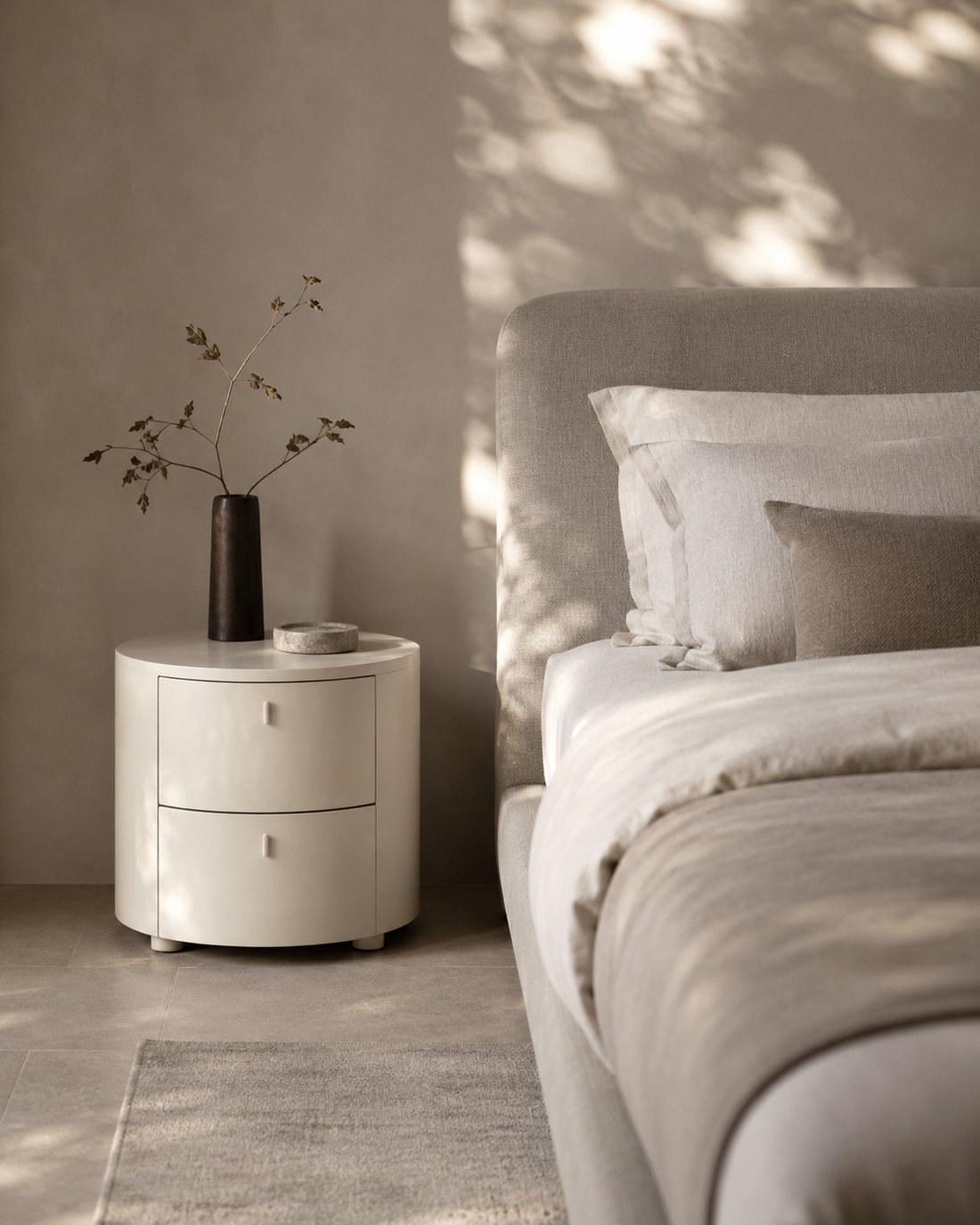 Sims Bedside Table - Matte Beige
- Regular price
-
- Regular price
-
- Sale price
-
-
Saviour Bedside Table - White Marble & Beige
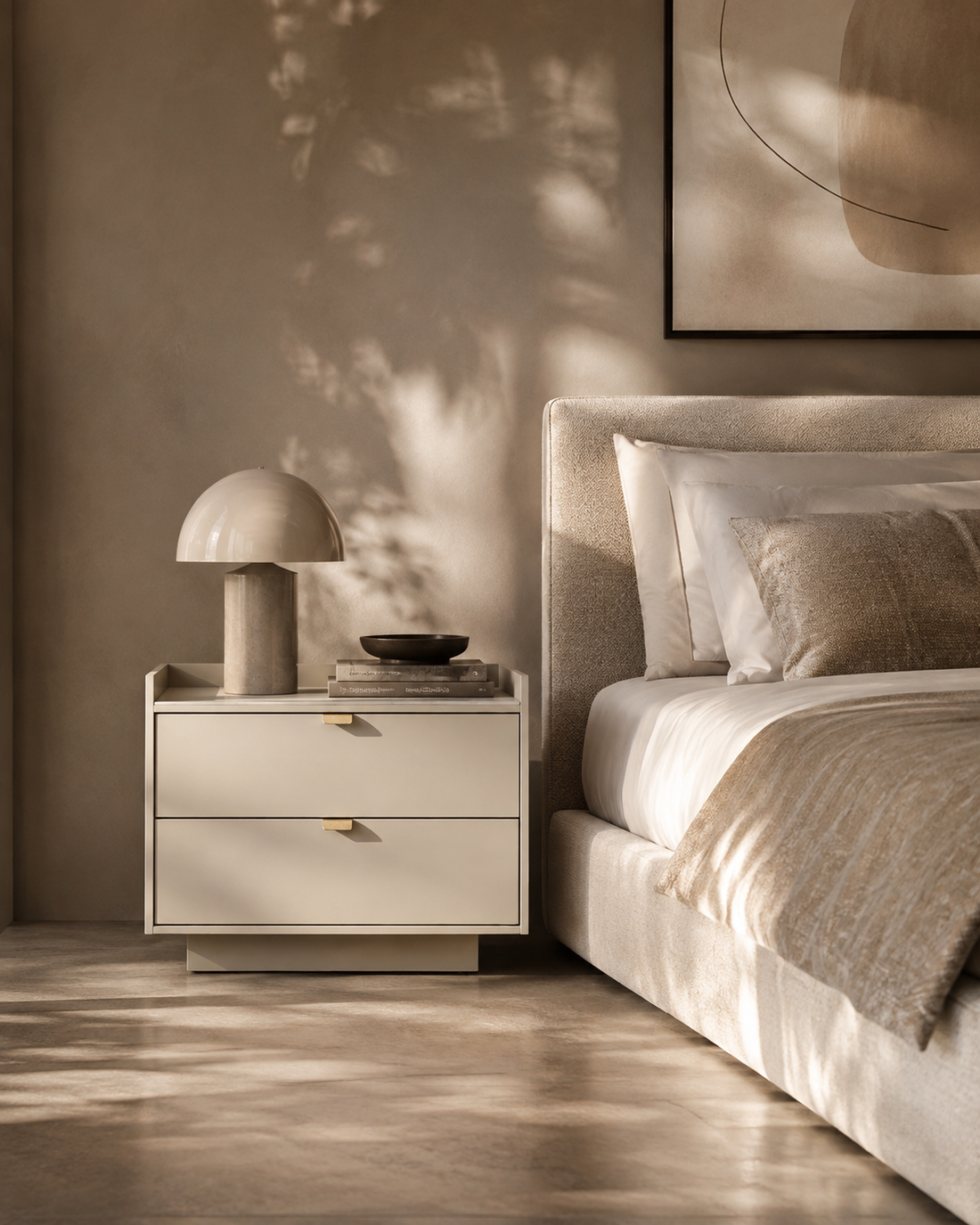 Saviour Bedside Table - White Marble & Beige
- Regular price
-
- Regular price
-
- Sale price
-
-
Dexter Bedside Table - Walnut - Pair
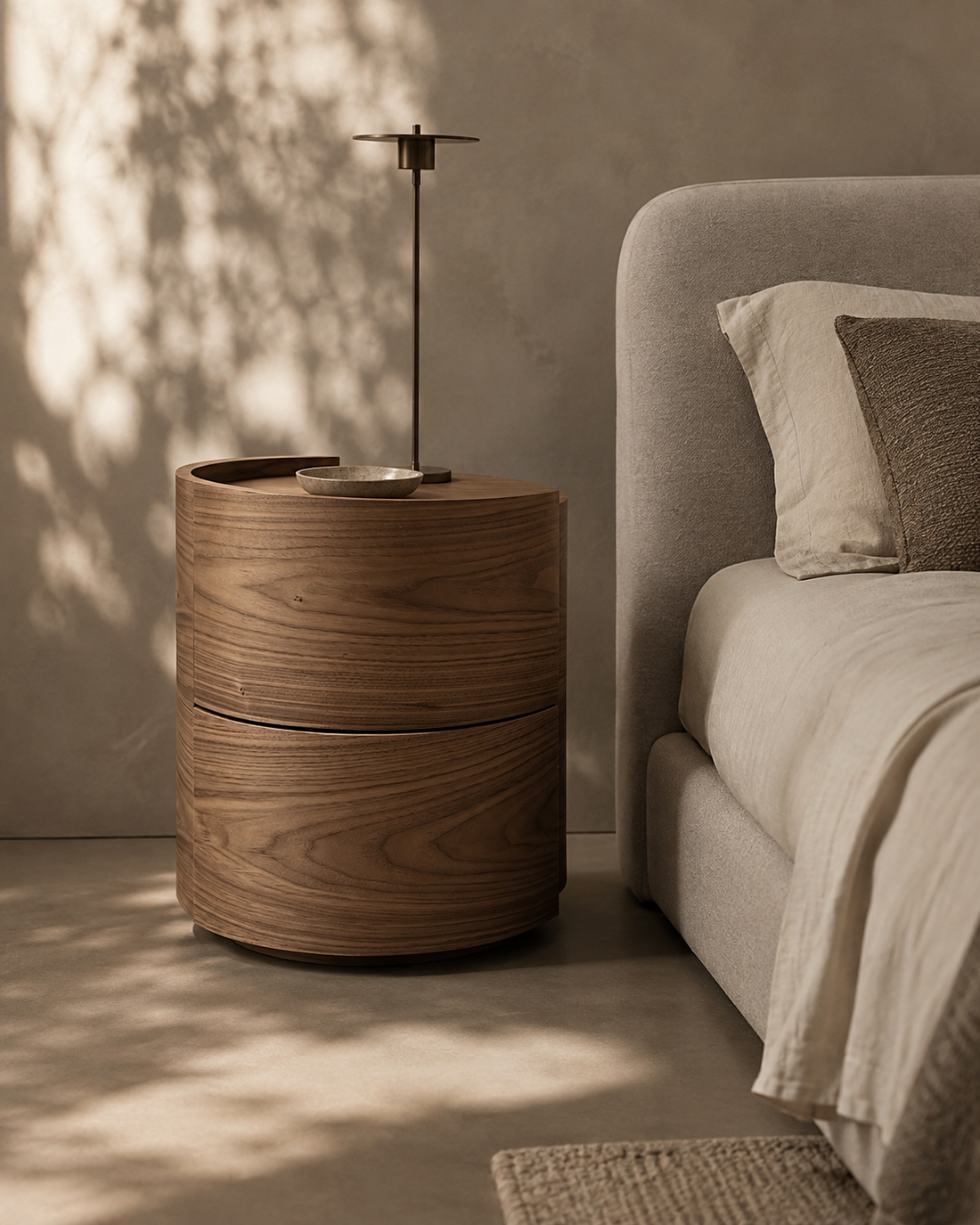 Dexter Bedside Table - Walnut - Pair
- Regular price
-
- Regular price
-
- Sale price
-
Disclaimer: All trademarks, brand names and product names mentioned on this website are the property of their respective owners. Any references are made for identification, informational or comparative purposes only, and do not imply any affiliation, endorsement, sponsorship or authorisation.