

Scandi Interior Design
Scandi interior design is a design philosophy rooted in Scandinavian traditions that emphasise simplicity, functionality, and natural beauty. Known for its clean lines, light colour palettes, and thoughtful use of materials, it creates interiors that feel calm, welcoming, and effortlessly refined. This style blends minimalism with warmth, making it suitable for modern homes, hospitality spaces, and contemporary commercial interiors.
Valued for its timeless appeal and versatility, scandi interior design remains a favourite among interior designers and independent retailers seeking balanced, practical, and visually harmonious spaces.
What Is Scandi Interior Design?
Scandi interior design originates from Nordic countries such as Sweden, Denmark, and Norway, where long winters and limited daylight influenced the creation of bright, comfortable living environments. The approach focuses on maximising light, maintaining uncluttered layouts, and using natural materials to bring warmth and texture into the home.
Rather than relying on ornate decoration, scandi interiors use carefully selected furniture and accessories that serve both practical and aesthetic purposes. Every element is intentional, contributing to a cohesive and calming environment. The result is an interior style that feels open, organised, and quietly sophisticated without appearing cold or clinical.
This design philosophy has become globally popular due to its ability to adapt to different lifestyles while maintaining a consistent sense of balance and restraint.
Core Principles of Scandi Interior Design
The defining principles of scandi interior design are simplicity, functionality, and connection to nature. Spaces are designed to feel uncluttered, with furniture chosen for both comfort and visual clarity. Clean lines and soft curves replace heavy ornamentation, allowing rooms to breathe and flow naturally.
Light is a central feature. Pale wall colours, reflective surfaces, and well-positioned mirrors help amplify natural daylight, creating brighter and more uplifting interiors. Artificial lighting is layered to provide warm, ambient illumination during darker hours.
Natural materials are essential. Wood, stone, wool, linen, and ceramic introduce texture and warmth while reinforcing the connection to the outdoors. These materials are typically left in their natural or lightly treated state to preserve their organic character.
Functionality underpins every decision. Storage solutions are discreet yet practical, and layouts are designed to support everyday living without unnecessary complexity.
Colour Palettes and Materials
Scandi interior design relies on muted and harmonious colour palettes. Whites, soft greys, and warm neutrals form the foundation, providing a light and calming backdrop. These tones are often complemented by subtle accents in pastel shades or earthy hues such as muted blues, greens, and sand tones.
Wood plays a dominant role, particularly light-toned species such as oak, ash, and beech. These woods add warmth without overpowering the space and pair well with neutral fabrics and painted surfaces.
Textiles introduce softness and comfort. Wool throws, linen cushions, and woven rugs add depth and tactile interest while maintaining a restrained aesthetic. Ceramics and glass accessories further enhance the sense of simplicity and craftsmanship.
The careful balance of colour and material ensures scandi interiors feel cohesive, inviting, and visually calm.
Furniture and Layout
Furniture in scandi interior design is characterised by clean silhouettes and practical proportions. Pieces are often elevated on slim legs, allowing light and space to flow beneath them. This creates a sense of openness even in smaller rooms.
Sofas and armchairs typically feature neutral upholstery with soft contours, prioritising comfort without visual heaviness. Tables and storage units favour simple forms, subtle detailing, and high-quality finishes that highlight the natural beauty of the materials used.
Layouts focus on flow and usability. Seating is arranged to encourage conversation and relaxation, while storage is integrated seamlessly to maintain an uncluttered appearance. Open-plan spaces often benefit from scandi design principles, as furniture and lighting define areas without the need for physical partitions.
This thoughtful approach ensures interiors remain practical while still achieving a refined and contemporary look.
Lighting in Scandi Interiors
Lighting is a critical element of scandi interior design. With limited daylight in Nordic regions, interiors are designed to maximise brightness and warmth through layered lighting solutions.
Pendant lights, table lamps, and floor lamps are used to create soft pools of light rather than relying on a single overhead source. Lamps often feature simple shapes and natural materials such as wood or fabric shades, reinforcing the overall aesthetic.
Candlelight is also commonly incorporated to enhance warmth and atmosphere, especially in living and dining areas. The combined effect of natural and artificial lighting creates a comfortable and welcoming environment throughout the day and evening.
Styling and Decorative Elements
Scandi interior design embraces restraint when it comes to decoration. Accessories are selected carefully to complement the furniture and architecture rather than dominate the space. Decorative objects often include ceramic vases, framed artwork, mirrors with wooden frames, and indoor plants.
Plants play a significant role in bringing life and colour into scandi interiors. They reinforce the connection to nature while adding freshness and texture. Artwork is usually minimal, with abstract or botanical themes that align with the calm aesthetic.
Styling focuses on balance. Designers often group objects in small clusters, using varying heights and textures while maintaining a limited colour palette. This ensures visual interest without disrupting the overall harmony of the room.
Scandi Interior Design for Residential and Commercial Spaces
Scandi interior design is highly adaptable and works equally well in residential and commercial environments. In homes, it creates peaceful living spaces that support modern lifestyles and everyday comfort. Bedrooms, living rooms, and kitchens benefit from the light, open feel that scandi design provides.
In hospitality settings such as boutique hotels, cafés, and serviced apartments, scandi interiors offer a contemporary yet relaxed atmosphere that appeals to a broad audience. The style communicates quality and thoughtfulness without feeling exclusive or overly formal.
Commercial interiors such as offices and reception areas also benefit from scandi design principles. Clean layouts, natural materials, and comfortable furniture contribute to productive and welcoming work environments.
Trade & Wholesale Positioning
Scandi interior design continues to be a strong focus for interior designers and independent retailers seeking furniture and accessories with enduring appeal. Its versatility allows it to be adapted to a wide range of projects, from private residences to hospitality and commercial interiors.
Designers benefit from the ability to build cohesive schemes using neutral foundations and layered textures. The style allows for flexibility, making it suitable for both minimalist and more decorative interpretations.
Retailers value scandi collections for their consistent popularity and broad customer appeal. Items display well in showrooms, photograph beautifully for marketing, and integrate easily with other contemporary furniture ranges.
Access to UK-held stock is essential for trade professionals working to deadlines. Reliable availability ensures projects remain on schedule and allows for repeat sourcing across multiple schemes. Free UK delivery on all items simplifies logistics and removes unnecessary cost barriers. No minimum order value enables designers and retailers to source individual pieces without committing to bulk quantities. Strong resale margins make scandi interior design products commercially attractive within wholesale collections.
Practical and Maintenance Considerations
Scandi interiors prioritise durability and ease of care. Natural materials should be properly sealed and finished to withstand everyday use, particularly in commercial or hospitality environments.
Furniture and accessories are typically easy to maintain with gentle cleaning methods. Soft cloths and mild cleaning solutions help preserve finishes and textures without causing damage.
Because scandi interiors are visually calm and uncluttered, consistency of quality and craftsmanship is essential. Poorly finished items can disrupt the refined look, while well-made pieces enhance the overall integrity of the design scheme.
Why Choose Tommy Franks?
Tommy Franks is a favourite among interior designers and independent retailers seeking premium furniture and home accessories with dependable availability. Carefully curated collections focus on refined design, premium craftsmanship, and timeless Scandinavian-inspired style.
Trade accounts are welcome, offering straightforward onboarding for professionals across the interior design and retail sectors. With a vast range of UK-held stock, clients benefit from reliable supply and reduced lead times for residential and commercial projects.
Free UK delivery on all items removes logistical complexity, while no minimum order value allows flexibility for both small and large-scale requirements. Competitive wholesale margins support strong resale performance, and a reliable UK supply chain ensures confidence in ongoing availability.
Through thoughtfully selected collections and consistent quality, Tommy Franks supports scandi interior design with products that balance simplicity, warmth, and everyday practicality.
Products
-
Sims Bedside Table - Matte Beige
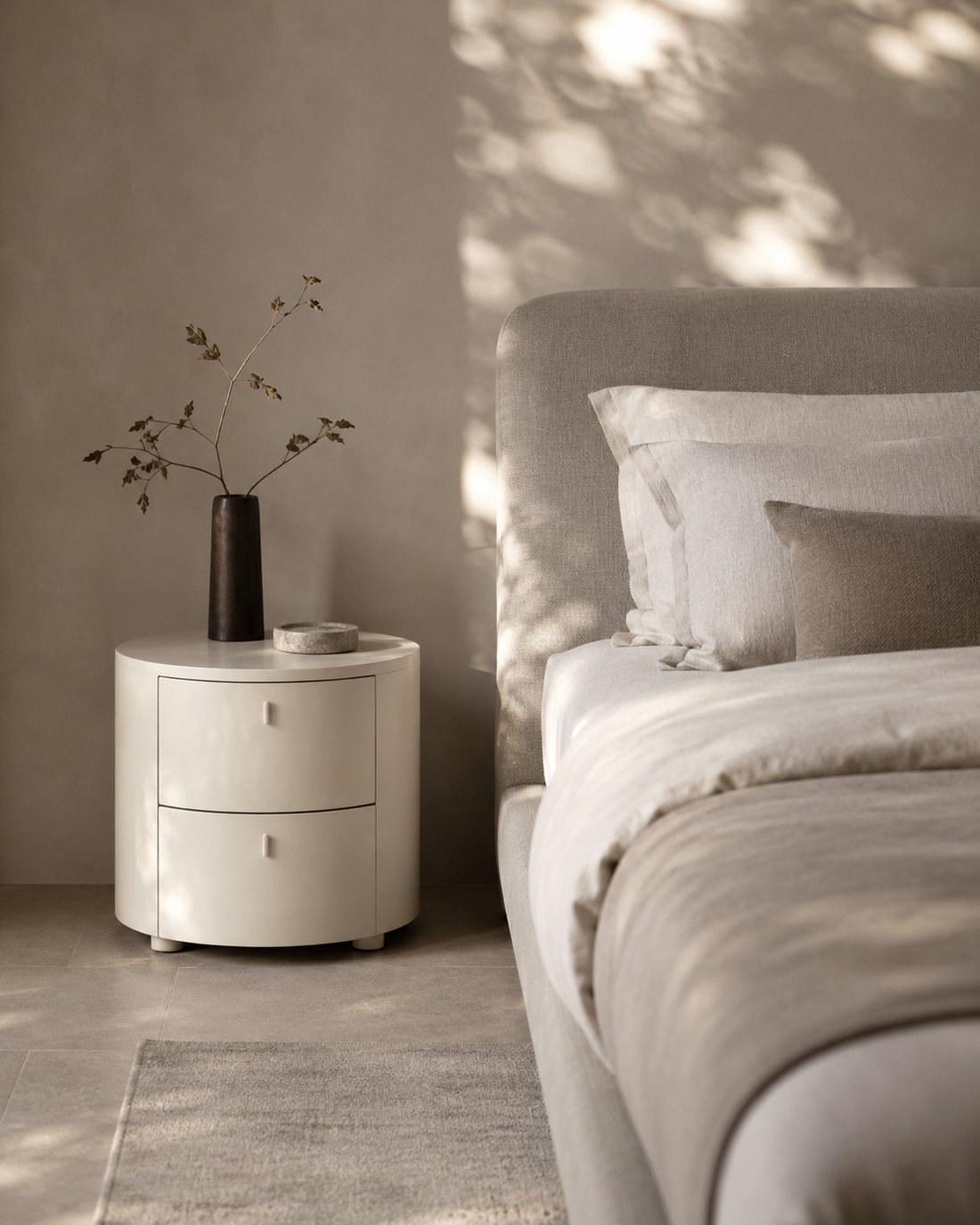 Sims Bedside Table - Matte Beige
- Regular price
-
- Regular price
-
- Sale price
-
-
Saviour Bedside Table - White Marble & Beige
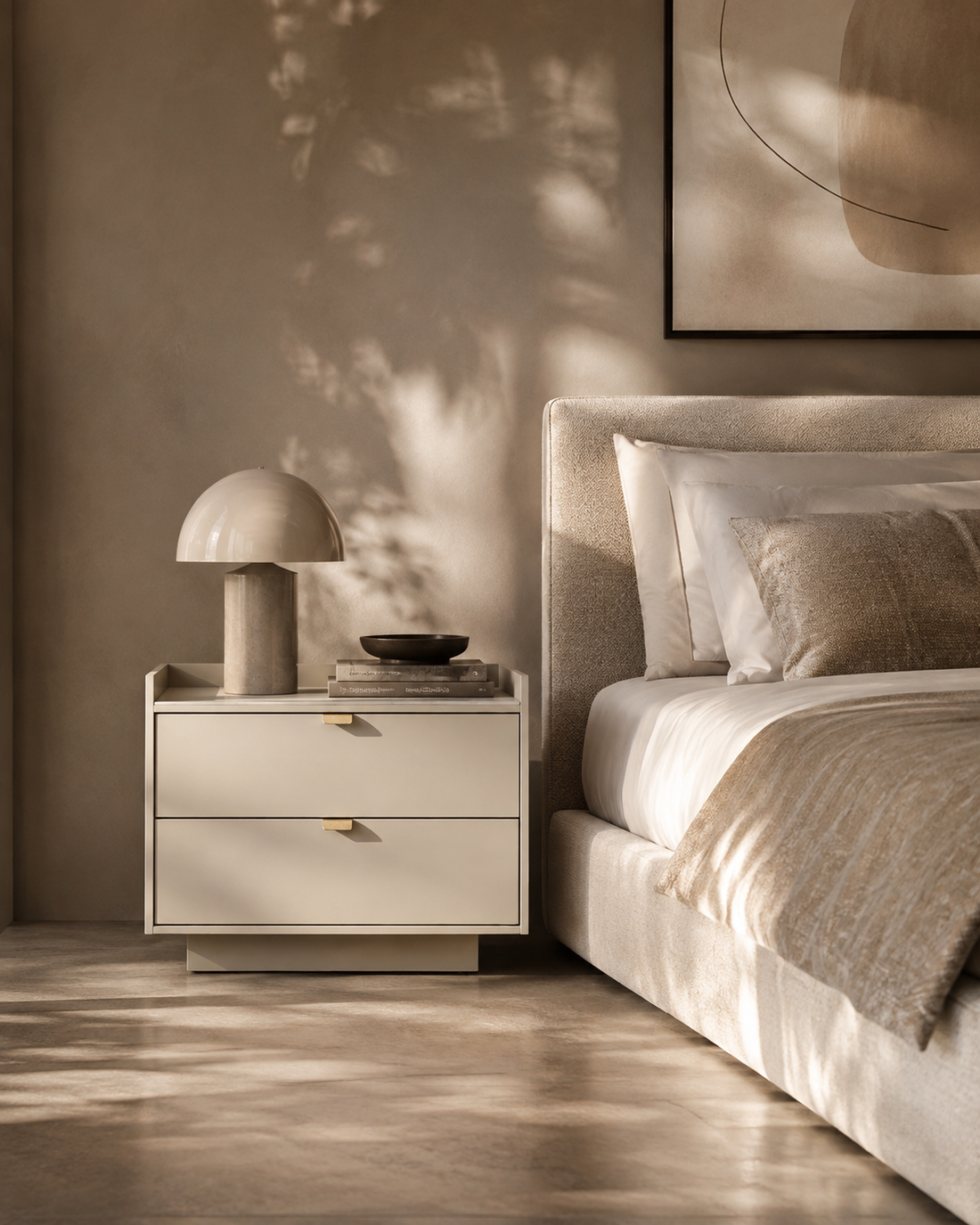 Saviour Bedside Table - White Marble & Beige
- Regular price
-
- Regular price
-
- Sale price
-
-
Dexter Bedside Table - Walnut - Pair
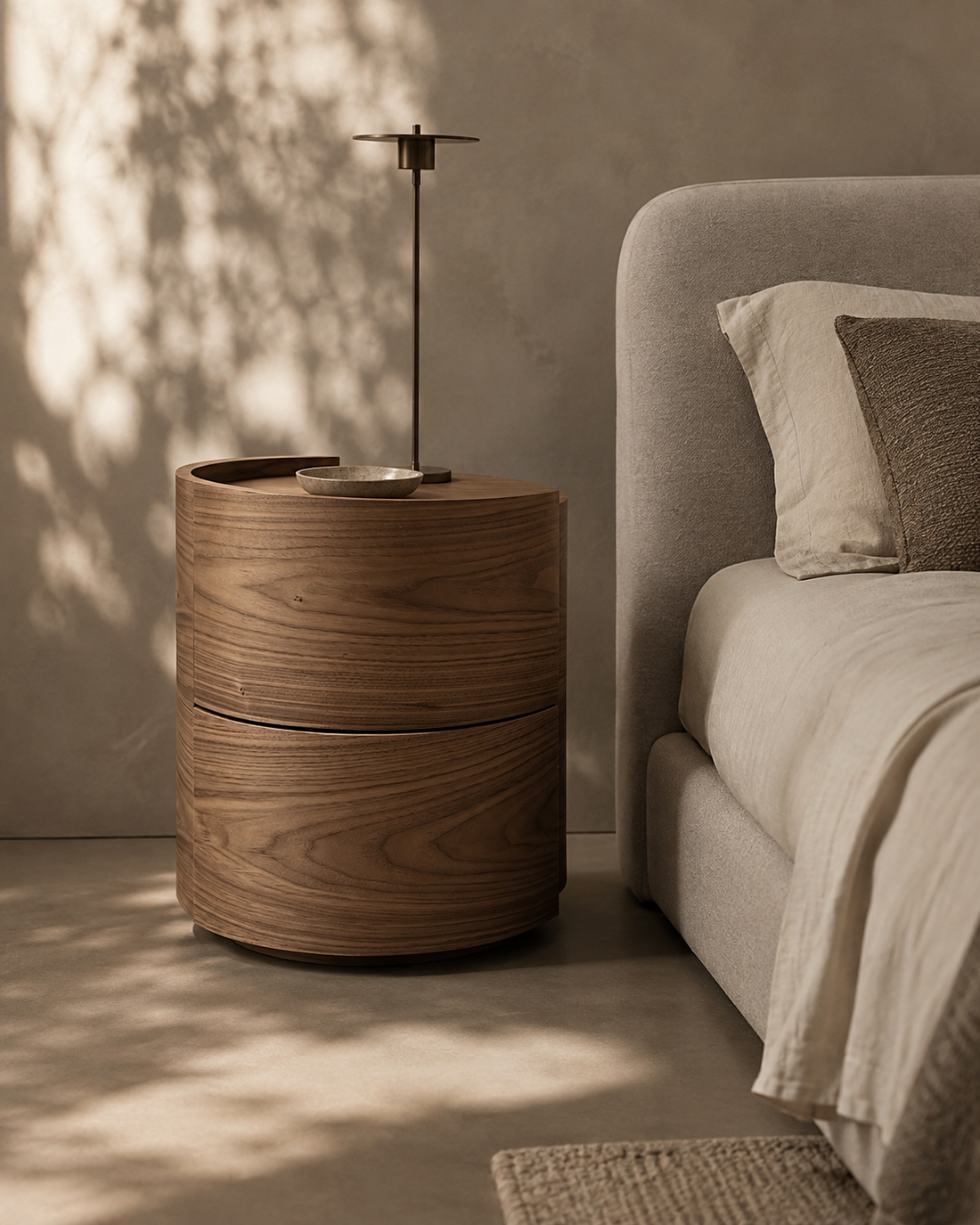 Dexter Bedside Table - Walnut - Pair
- Regular price
-
- Regular price
-
- Sale price
-
Disclaimer: All trademarks, brand names and product names mentioned on this website are the property of their respective owners. Any references are made for identification, informational or comparative purposes only, and do not imply any affiliation, endorsement, sponsorship or authorisation.