

Room Screens Dividers
Room screens dividers are decorative and functional furnishings designed to separate spaces while maintaining visual flow and style. Favoured by interior designers and independent retailers, room screens dividers provide flexible zoning solutions for both residential and commercial interiors, allowing open spaces to feel structured without permanent construction.
By combining craftsmanship with visual interest, room screens dividers enhance privacy, improve spatial definition, and contribute to refined interior design schemes.
What Are Room Screens Dividers?
Room screens dividers are freestanding or semi-fixed panels used to divide interior areas into distinct zones. They are commonly used in living rooms, bedrooms, offices, hotels, and retail environments where adaptable layouts are required.
Designers specify room screens dividers to create separation between functional areas such as sleeping and dressing spaces, dining and lounging zones, or work and relaxation areas. Unlike walls, these dividers maintain light flow and visual connection, preserving openness while adding structure.
They also serve as decorative elements, introducing texture, pattern, and height to interiors.
Design Characteristics and Materials
Room screens dividers are defined by balance between function and aesthetics:
-
Crafted frames in wood, metal, or composite materials.
-
Decorative panels featuring woven, slatted, mirrored, or textured finishes.
-
Foldable or modular designs for flexible positioning.
-
Stable bases to ensure safety and durability.
-
Neutral and accent tones suited to modern and classic interiors.
Designers often choose room screens dividers with refined silhouettes that feel architectural yet light. Materials such as timber introduce warmth, while metal and glass add contemporary character.
Textured panels soften spaces visually and help absorb sound, improving both appearance and comfort.
Using Room Screens Dividers in Interior Design
Room screens dividers play a central role in creating structured layouts within open-plan interiors. In living rooms, they define seating areas without blocking natural light. In bedrooms, they provide discreet separation for dressing areas or home offices.
In commercial and hospitality environments, room screens dividers help manage guest flow and privacy while reinforcing interior style. Hotels and restaurants use them to create intimate seating zones and visual rhythm within large spaces.
Retail interiors benefit from screens that guide movement and highlight product displays, combining function with visual merchandising.
Designers also use room screens dividers to introduce vertical elements, breaking up wide horizontal layouts and adding architectural interest.
Choosing the Right Room Screens Dividers
Selecting suitable room screens dividers involves considering scale, transparency, and placement. Larger rooms can accommodate taller and wider screens, while compact spaces require lighter designs that do not dominate the layout.
Material choice should complement existing furniture and finishes. Timber suits warm, natural schemes, while metal or glass works well in modern or industrial settings.
Designers also consider whether the divider should provide privacy or simply visual separation. Open slatted or woven designs allow light to pass through, while solid or mirrored panels offer greater enclosure.
Consistency of finish across lighting and furniture ensures the divider integrates seamlessly into the overall scheme.
Room Screens Dividers in Contemporary and Classic Interiors
In contemporary interiors, room screens dividers reinforce clean lines and structured geometry. Slim frames and neutral finishes support minimalist design without adding visual clutter.
In classic or transitional interiors, decorative screens introduce character and texture. Carved wood, fabric panels, or curved silhouettes create softer separations that feel elegant and timeless.
Designers often use room screens dividers to bridge contrasting styles, ensuring cohesion between different areas within a single interior.
Decorative and Statement Appeal
Some room screens dividers are designed as statement pieces. Sculptural frames, bold finishes, and distinctive panel patterns allow them to act as focal points within a space.
Placed behind sofas, near entrances, or between zones, statement dividers draw the eye and establish visual hierarchy. They are often paired with mirrors, lighting, and planters to create layered design compositions.
Smaller decorative screens are used to frame specific areas such as reading corners or dressing spaces, adding both function and style.
Trade & Wholesale Positioning
Room screens dividers remain in strong demand among interior designers and independent retailers due to the growth of open-plan living and flexible working spaces. They are specified for private homes, show homes, offices, hotels, and restaurants where adaptable layouts are essential.
Tommy Franks is a favourite among interior designers and independent retailers sourcing premium room screens dividers. Trade accounts are welcome, giving professionals access to carefully curated collections designed for durability and visual appeal.
With vast range of UK-held stock, free UK delivery on all items, and no minimum order value, Tommy Franks supports flexible sourcing for projects of any scale. Competitive wholesale margins enable strong commercial performance, while premium craftsmanship ensures long-term quality.
A reliable UK supply chain allows designers and retailers to specify room screens dividers confidently, knowing availability and delivery schedules are consistent and dependable.
Styling and Placement Tips
Room screens dividers can be styled effectively through considered positioning:
-
Use to separate living and dining zones without blocking light.
-
Place near entrances to create transitional spaces.
-
Pair with planters or lighting for visual balance.
-
Keep surrounding décor restrained to allow the divider to stand out.
Designers often treat screens as architectural accents, using them to guide movement and define space naturally.
Sustainability and Longevity
High-quality room screens dividers are designed for long-term use. Durable materials and timeless forms ensure relevance across changing interior trends.
By selecting well-crafted dividers, designers and retailers support sustainable interior practices focused on longevity rather than short-lived solutions. These pieces can be reused or repositioned across different projects while maintaining their aesthetic and functional value.
Room screens dividers also reduce the need for permanent building changes, supporting adaptable and environmentally responsible design.
Why Choose Tommy Franks?
Tommy Franks is a favourite among interior designers and independent retailers sourcing premium room screens dividers. Each collection is carefully curated for craftsmanship, proportion, and enduring design appeal.
With vast range of UK-held stock, free UK delivery on all items, and no minimum order value, trade clients benefit from flexibility and dependable supply. Competitive wholesale margins offer strong commercial value, while carefully curated collections ensure consistency across interior schemes.
A reliable UK supply chain supports efficient project delivery for residential and hospitality interiors alike. Trade accounts are welcome, providing seamless access to room screens dividers created to meet professional standards of quality and style.
Products
-
Sims Bedside Table - Matte Beige
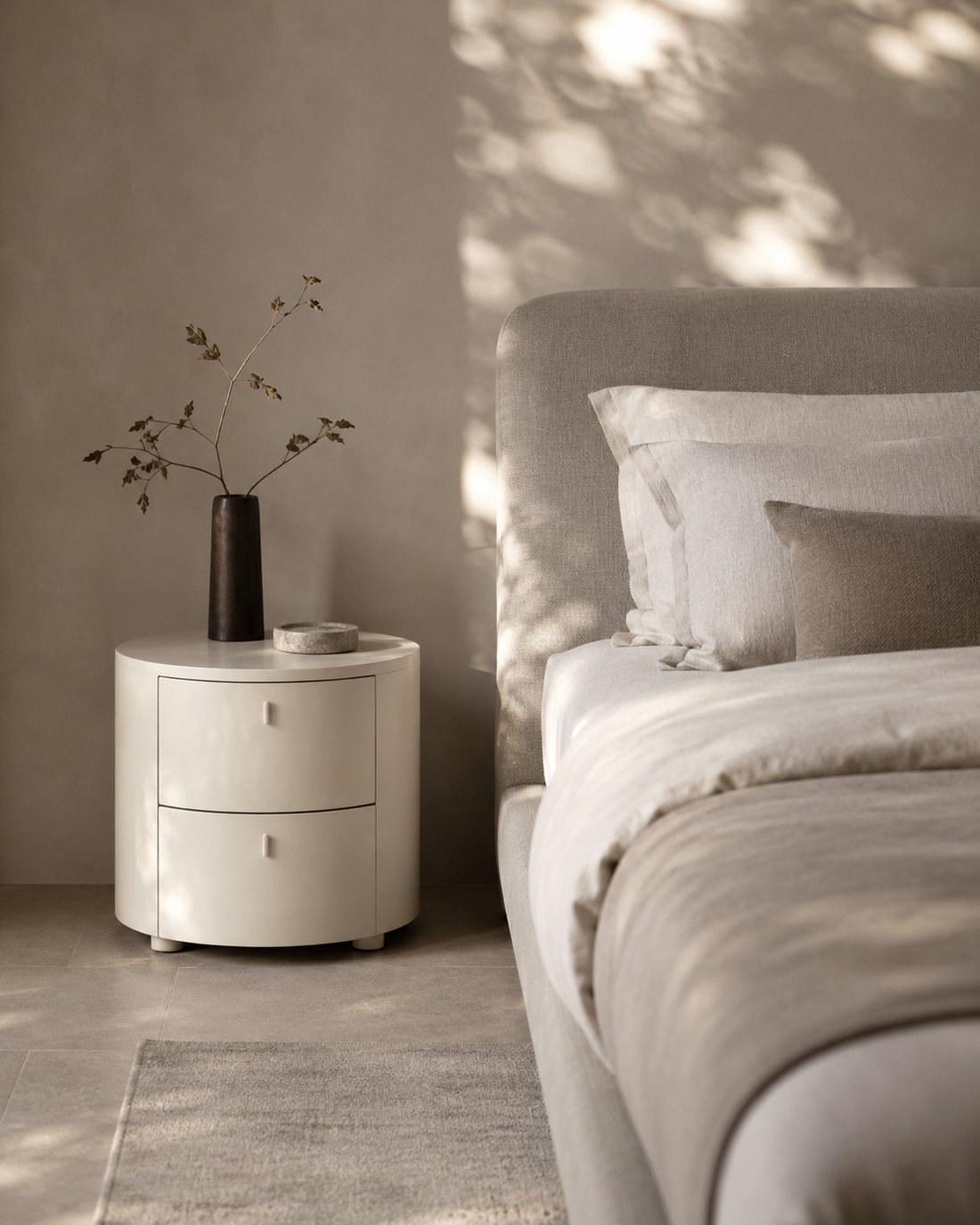 Sims Bedside Table - Matte Beige
- Regular price
-
- Regular price
-
- Sale price
-
-
Saviour Bedside Table - White Marble & Beige
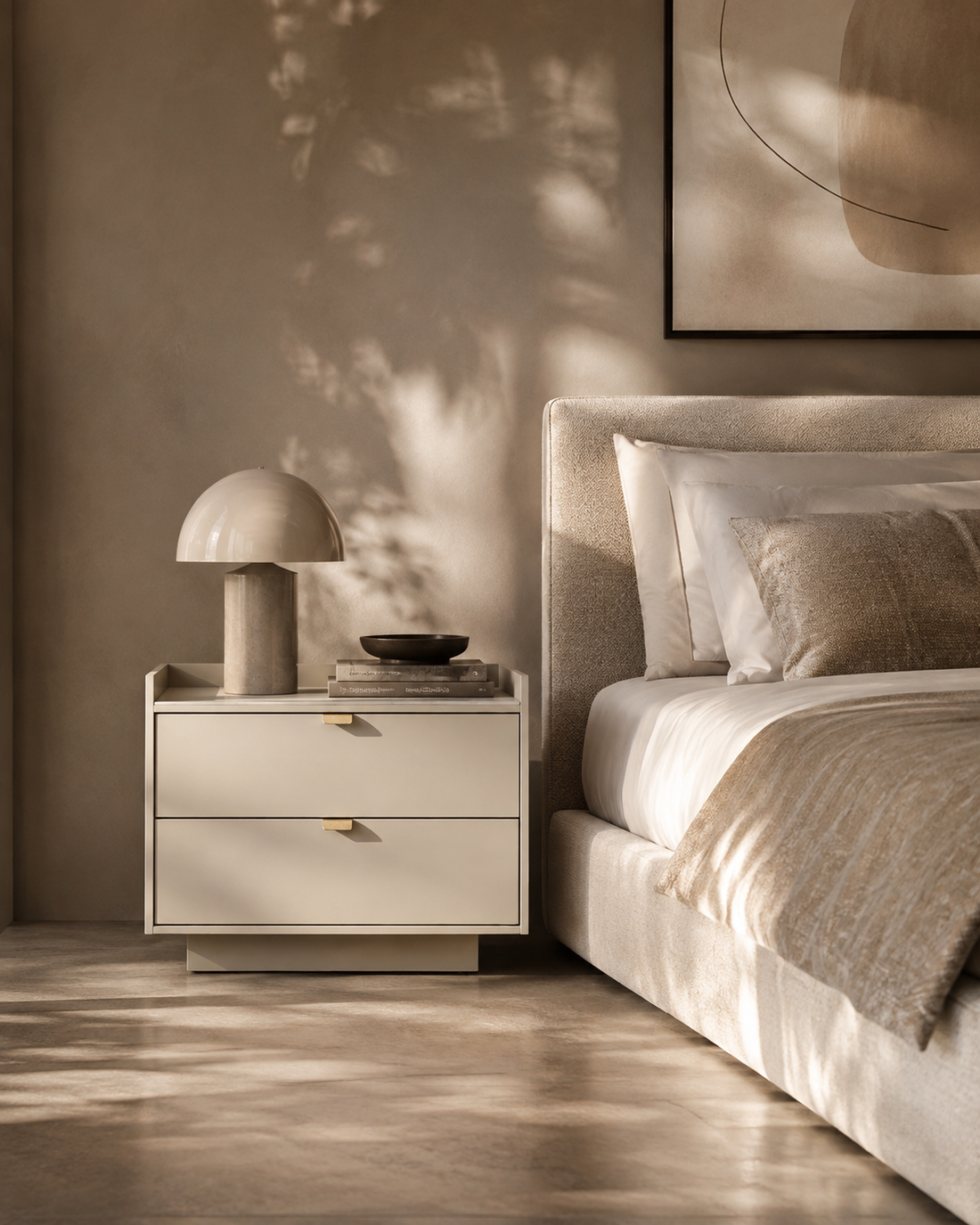 Saviour Bedside Table - White Marble & Beige
- Regular price
-
- Regular price
-
- Sale price
-
-
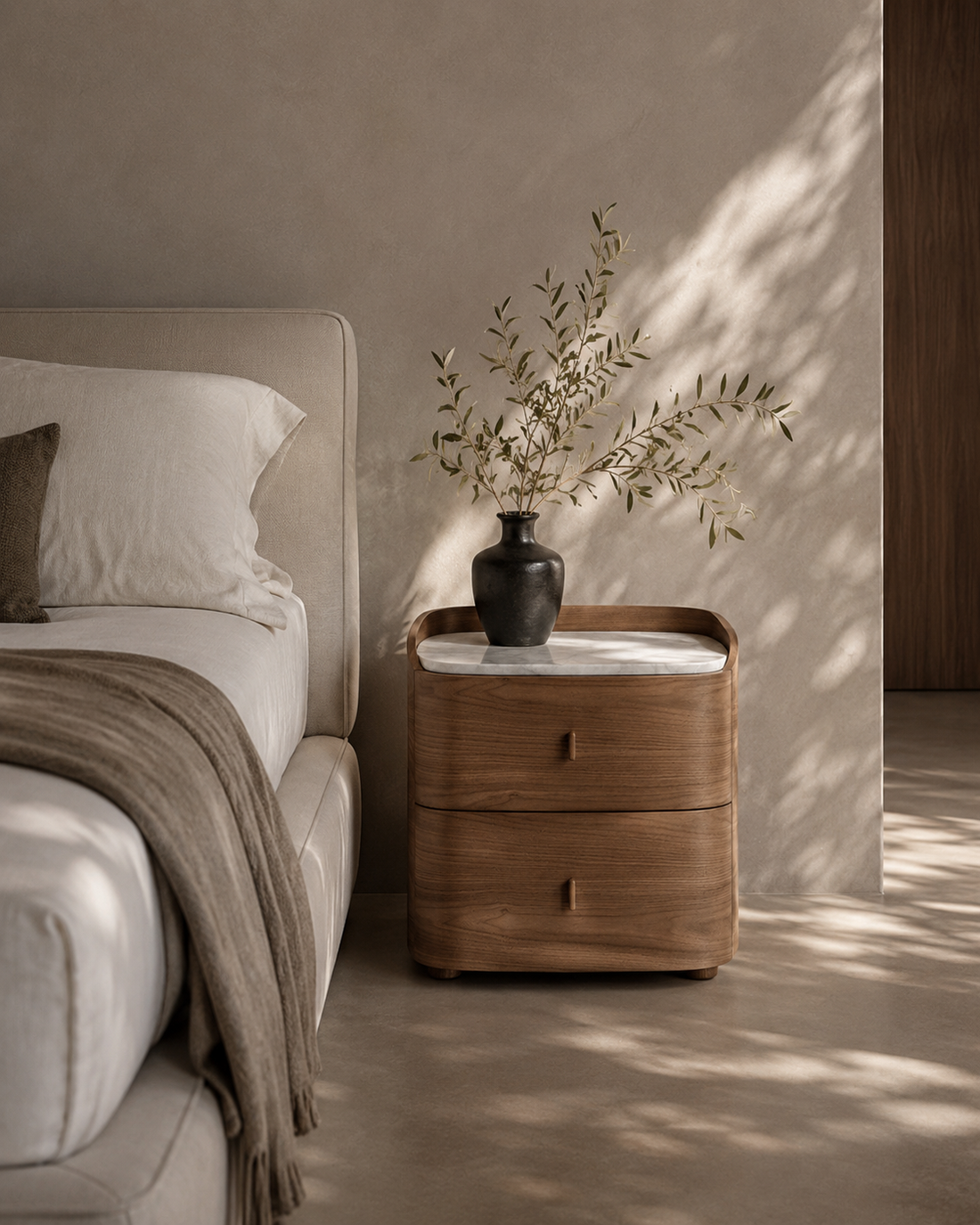
Dexter Bedside Table - Walnut - Pair
 Dexter Bedside Table - Walnut - Pair
- Regular price
-
- Regular price
-
- Sale price
-
Disclaimer: All trademarks, brand names and product names mentioned on this website are the property of their respective owners. Any references are made for identification, informational or comparative purposes only, and do not imply any affiliation, endorsement, sponsorship or authorisation.