

Romo
Romo is a well-established UK-based interior textiles brand, widely recognised within the trade sector for its decorative fabrics, wallcoverings, and soft furnishing materials. In commercial and wholesale interiors, romo is commonly referenced during specification stages as a benchmark for fabric quality, colour palettes, and design-led textile collections.
For interior designers, developers, hospitality buyers, and retailers, understanding references to romo helps inform fabric selection decisions while distinguishing between textile supply and furniture-focused trade procurement.
How Romo Is Referenced in Commercial & Trade Interiors
In professional interior projects, romo is typically referenced in relation to upholstery and soft furnishing specification rather than furniture manufacturing itself. Trade buyers may encounter the term when:
Specifying fabrics for sofas, armchairs, dining chairs, or headboards
Selecting curtains, cushions, or upholstered wall panels
Discussing colourways, textures, and pattern directions with designers or clients
Aligning furniture pieces with high-quality textile finishes
In these contexts, romo functions as a textile reference point, influencing the aesthetic direction of an interior scheme.
Relationship Between Furniture and Textile Specification
While romo supplies fabrics and wallcoverings, furniture suppliers must ensure compatibility between frame construction, upholstery techniques, and selected textiles. In trade interiors, this relationship is particularly important in hospitality, residential developments, and contract environments where performance and durability are critical.
Furniture specified alongside romo textiles often requires robust frames, appropriate foam densities, and upholstery methods that support the fabric’s weight, weave, and intended usage. Consistency across upholstered pieces is essential when projects involve multiple units or phased delivery.
Trade Considerations When Referencing Romo
For trade buyers, referencing romo fabrics within a project requires careful coordination between textile supply and furniture production. Lead times, batch consistency, and availability are key considerations, particularly for large-scale or time-sensitive projects.
Designers and developers also assess how romo-inspired colour palettes and textures integrate with case goods such as tables, storage units, and lighting, ensuring a cohesive overall scheme.
Why Trade Buyers Reference Textile Brands Like Romo
Textile brands such as romo are often referenced for their design credibility, broad ranges, and recognisable aesthetic. For trade professionals, this helps communicate design intent clearly and establish expectations around quality and finish.
From a wholesale furniture perspective, understanding these references allows suppliers to support designers with furniture pieces that complement specified textiles without compromising commercial performance.
Brand & Trade Context
As a UK-based, trade-only furniture brand, Tommy Franks works alongside industry-standard textile references such as romo by supplying furniture designed to integrate seamlessly within professionally specified interiors. With UK-held stock, free UK mainland delivery, competitive trade pricing, and consistent collections suitable for repeat projects, trade buyers can confidently coordinate furniture with high-quality textile schemes.
This trade-focused approach supports cohesive, design-led interiors across hospitality, residential, and commercial environments.
Products
-
Sims Bedside Table - Matte Beige
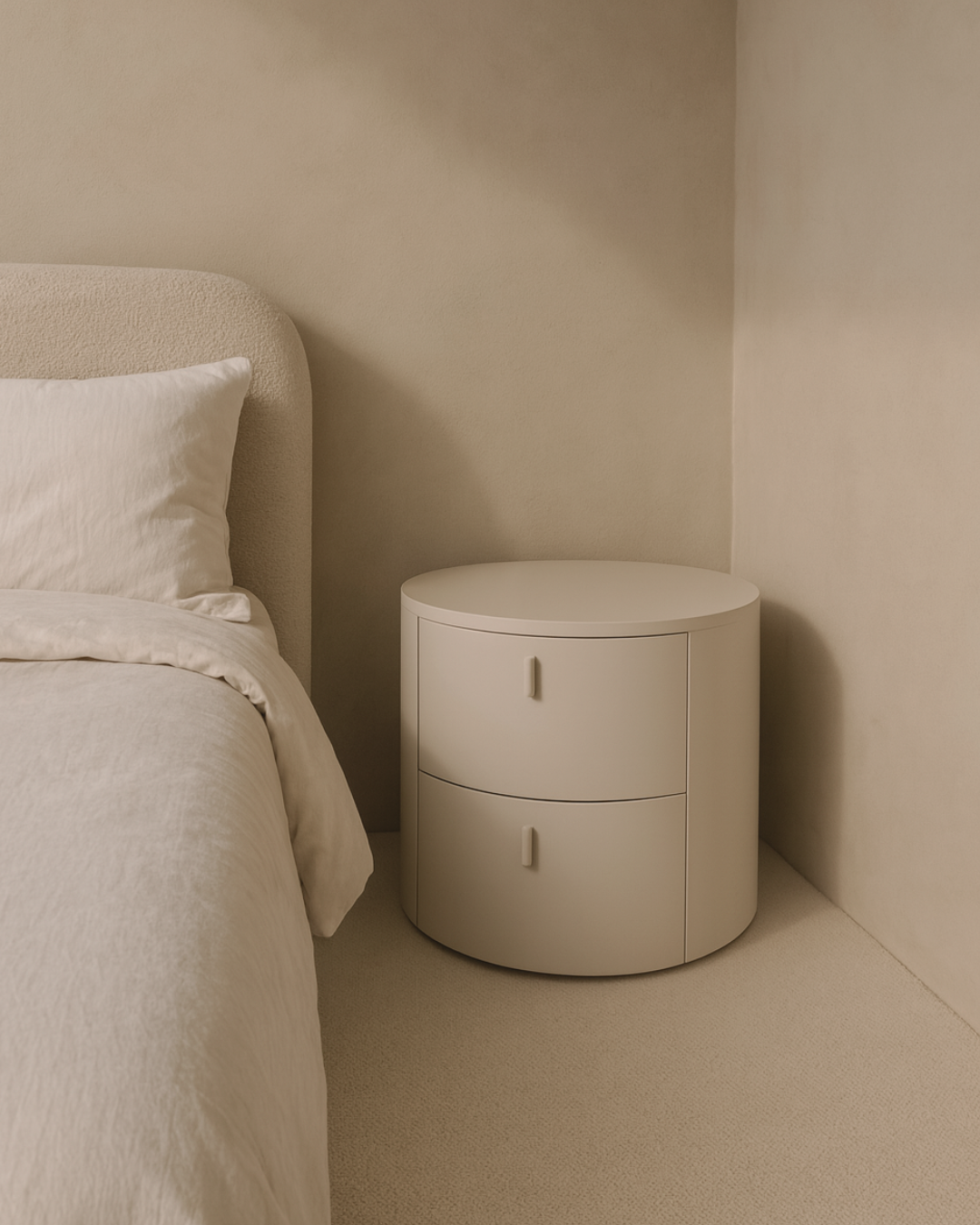 Sims Bedside Table - Matte Beige
- Regular price
-
- Regular price
-
- Sale price
-
-
Saviour Bedside Table - White Marble & Beige
 Saviour Bedside Table - White Marble & Beige
- Regular price
-
- Regular price
-
- Sale price
-
-
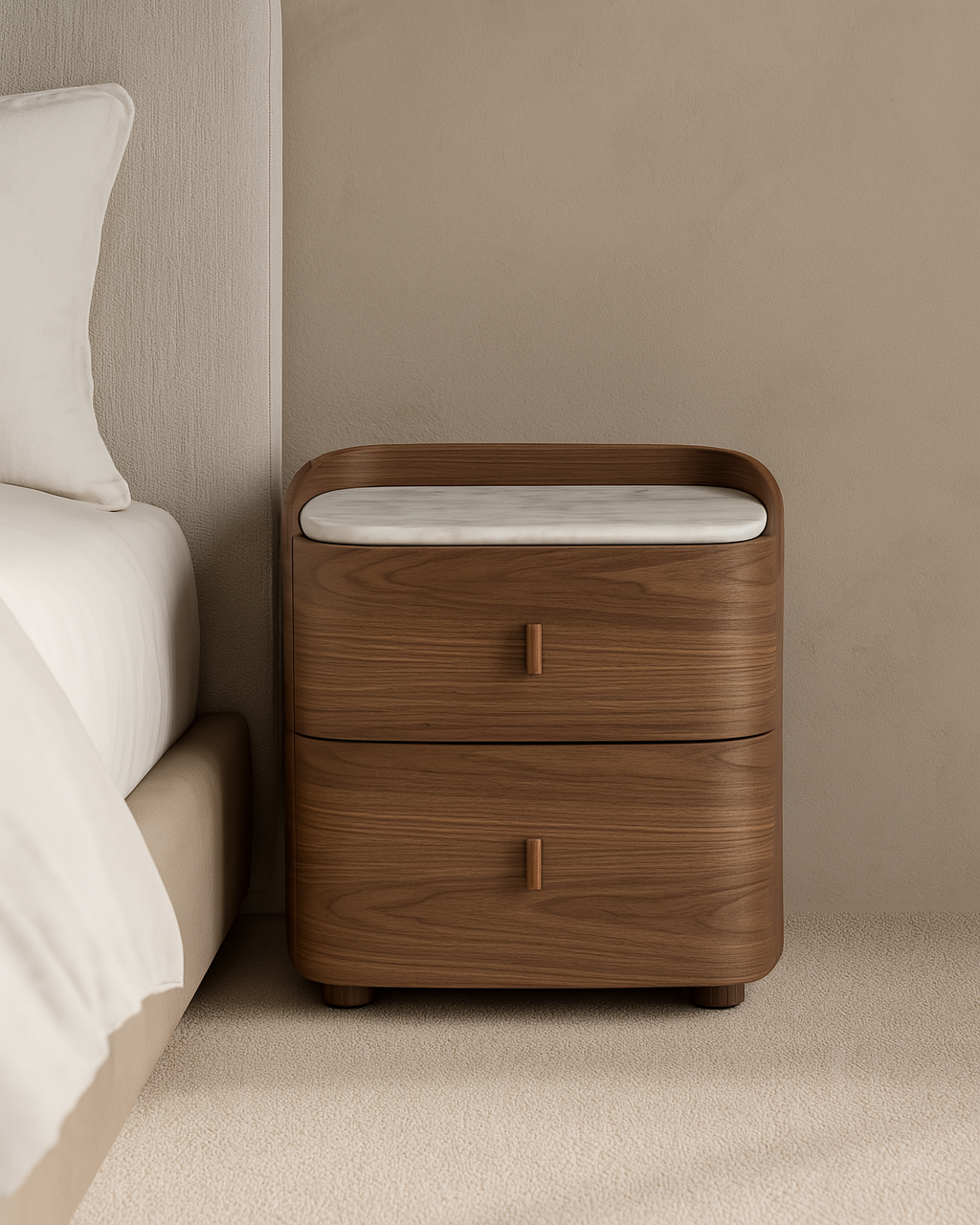
Dexter Bedside Table - Walnut - Pair
 Dexter Bedside Table - Walnut - Pair
- Regular price
-
- Regular price
-
- Sale price
-
Disclaimer: All trademarks, brand names and product names mentioned on this website are the property of their respective owners. Any references are made for identification, informational or comparative purposes only, and do not imply any affiliation, endorsement, sponsorship or authorisation.