

Wall Framed Wall Art
Wall framed wall art refers to decorative artwork presented within a structured frame, designed to enhance interiors through both visual expression and refined presentation. By combining artwork with a complementary frame, wall framed wall art brings balance, depth and a finished appearance to residential and commercial spaces.
In contemporary interior design, wall framed wall art is valued for its ability to elevate plain walls while maintaining cohesion with surrounding furniture and architectural features. It functions as both a decorative accent and a defining design element within a room.
What Is Wall Framed Wall Art Used For?
Wall framed wall art is used to introduce character, colour and visual interest into interior environments. In living rooms and bedrooms, it often serves as a focal point above sofas, beds or sideboards. In hallways and dining areas, it helps create rhythm and continuity along wall surfaces.
In residential settings, framed wall art allows homeowners to express personal taste while keeping the overall scheme refined and organised. The presence of a frame gives artwork structure, making it easier to integrate into both minimalist and traditional interiors.
In commercial spaces such as hotels, offices and retail environments, wall framed wall art contributes to atmosphere and professionalism. Designers frequently use it to reinforce brand identity, guide movement through spaces and create consistent visual language across multiple rooms.
Interior designers specify wall framed wall art to define proportions within a layout. Large pieces can anchor a space, while grouped frames create curated gallery-style arrangements that bring depth and dimension to walls.
Wall Framed Wall Art Styles and Materials
Wall framed wall art is available in a wide variety of styles, allowing it to suit both modern and classic interiors.
Contemporary framed wall art often features abstract designs, photography or graphic compositions paired with slim metal or minimalist wooden frames. These styles work well in modern living spaces, offices and hospitality interiors where clean lines and subtle contrast are preferred.
Traditional framed wall art may include landscapes, botanical prints or figurative artwork presented in more decorative or substantial frames. These designs suit period properties and interiors where warmth and heritage character are important.
Neutral-toned framed wall art remains popular for its versatility. Soft palettes and subtle textures complement a wide range of colour schemes and furniture styles. Bolder designs introduce contrast and energy, acting as statement features within a room.
Frames themselves play a crucial role in overall appearance. Wooden frames bring warmth and natural texture, while metal frames offer a more contemporary and architectural look. Black, gold and brushed finishes are commonly used to coordinate with lighting, mirrors and hardware.
Materials used for the artwork vary from canvas and fine art paper to glass and composite panels. High-quality framing and protective glazing enhance durability and ensure that each piece maintains its visual clarity over time.
Choosing the Right Wall Framed Wall Art
Selecting the right wall framed wall art requires attention to scale, colour and placement. Proportion is key. A large wall benefits from a single substantial piece or a balanced arrangement of multiple frames, while smaller areas suit more compact compositions that do not overwhelm the space.
Colour should harmonise with the existing interior palette. Designers often choose framed wall art that reflects tones already present in upholstery, rugs or decorative accessories. Alternatively, a contrasting piece can be introduced to create a focal point and draw the eye.
The subject and style of the artwork should align with the room’s purpose. Calm, neutral designs work well in bedrooms and lounges, while more dynamic or expressive pieces are suited to social and commercial spaces.
Placement influences impact. Wall framed wall art is commonly positioned above key furniture such as sofas, console tables or dining sideboards to establish visual anchors. In hallways and staircases, a series of frames can guide movement and create continuity.
Lighting enhances presentation. Wall lights or directional spotlights can highlight the artwork and frame, ensuring that it remains a feature element even in low-light environments.
Wall Framed Wall Art in Trade and Retail Environments
Wall framed wall art is a core category for interior designers and independent retailers due to its wide appeal and practical application. It works across residential, hospitality and corporate projects, making it a dependable option for both specification and resale.
Designers value framed wall art for its ability to elevate interiors without structural changes. It allows them to introduce visual identity, colour and texture while maintaining flexibility within a scheme.
Retailers benefit from consistent demand for framed wall art, as it appeals to customers seeking decorative pieces that feel complete and ready to display. Its versatility means it can be styled alongside furniture, mirrors and lighting as part of a coordinated interior solution.
Reliable UK stock availability is essential for trade professionals working to defined project schedules. Access to UK-held stock ensures timely fulfilment for installations and retail replenishment. Free UK delivery on all items simplifies logistics, while no minimum order value allows designers and retailers to purchase according to individual project requirements. Strong resale margins further support confident buying decisions and long-term supplier partnerships.
Styling with Wall Framed Wall Art
Wall framed wall art becomes more effective when styled thoughtfully within the wider interior scheme. In living spaces, pairing artwork with neutral furniture allows the piece to stand out without competing with surrounding elements.
Gallery-style arrangements using multiple framed pieces create a curated and contemporary look. Designers often use consistent frame finishes or colour themes to maintain cohesion while varying image content and scale.
In bedrooms, wall framed wall art positioned above the headboard or along adjacent walls introduces calm visual interest while supporting a restful atmosphere. Softer tones and organic forms are particularly effective in these settings.
Commercial interiors benefit from repetition and symmetry. Using the same framed wall art across multiple areas reinforces brand identity and creates visual unity. In hospitality environments, this approach enhances guest experience by establishing a consistent design narrative.
Accessories such as mirrors, wall lighting and sculptural décor can be layered with framed wall art to add depth and dimension. Balance is essential, ensuring that the artwork remains the primary visual feature rather than becoming part of visual clutter.
Why Choose Tommy Franks?
Tommy Franks is a favourite among interior designers and independent retailers seeking premium wall décor with dependable UK availability. Carefully curated collections reflect refined design sensibilities while remaining adaptable across a wide range of interior styles.
Each piece of wall framed wall art is selected for its quality of finish and visual integrity, supported by premium craftsmanship that ensures durability and professional presentation. With a vast range of UK-held stock, trade clients benefit from reliable lead times and consistent supply across projects of every scale.
Free UK delivery on all items removes logistical complexity, while no minimum order value provides flexibility for designers and retailers sourcing products for individual projects or retail displays. Competitive wholesale margins support strong resale performance, making Tommy Franks a trusted wholesale partner for professionals. Trade accounts are welcome, with straightforward onboarding designed to support busy interior specialists and independent retailers.
Products
-
Sims Bedside Table - Matte Beige
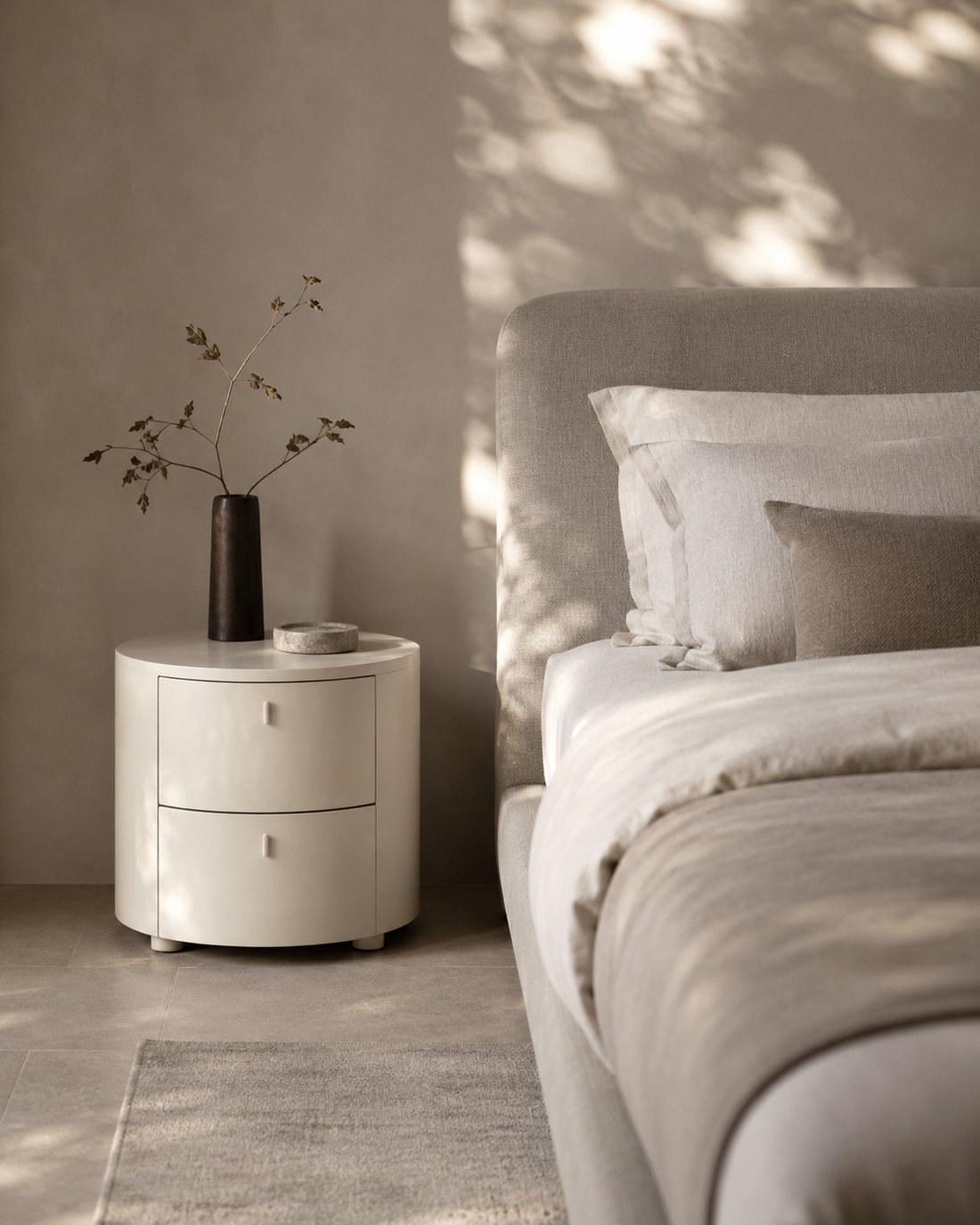 Sims Bedside Table - Matte Beige
- Regular price
-
- Regular price
-
- Sale price
-
-
Saviour Bedside Table - White Marble & Beige
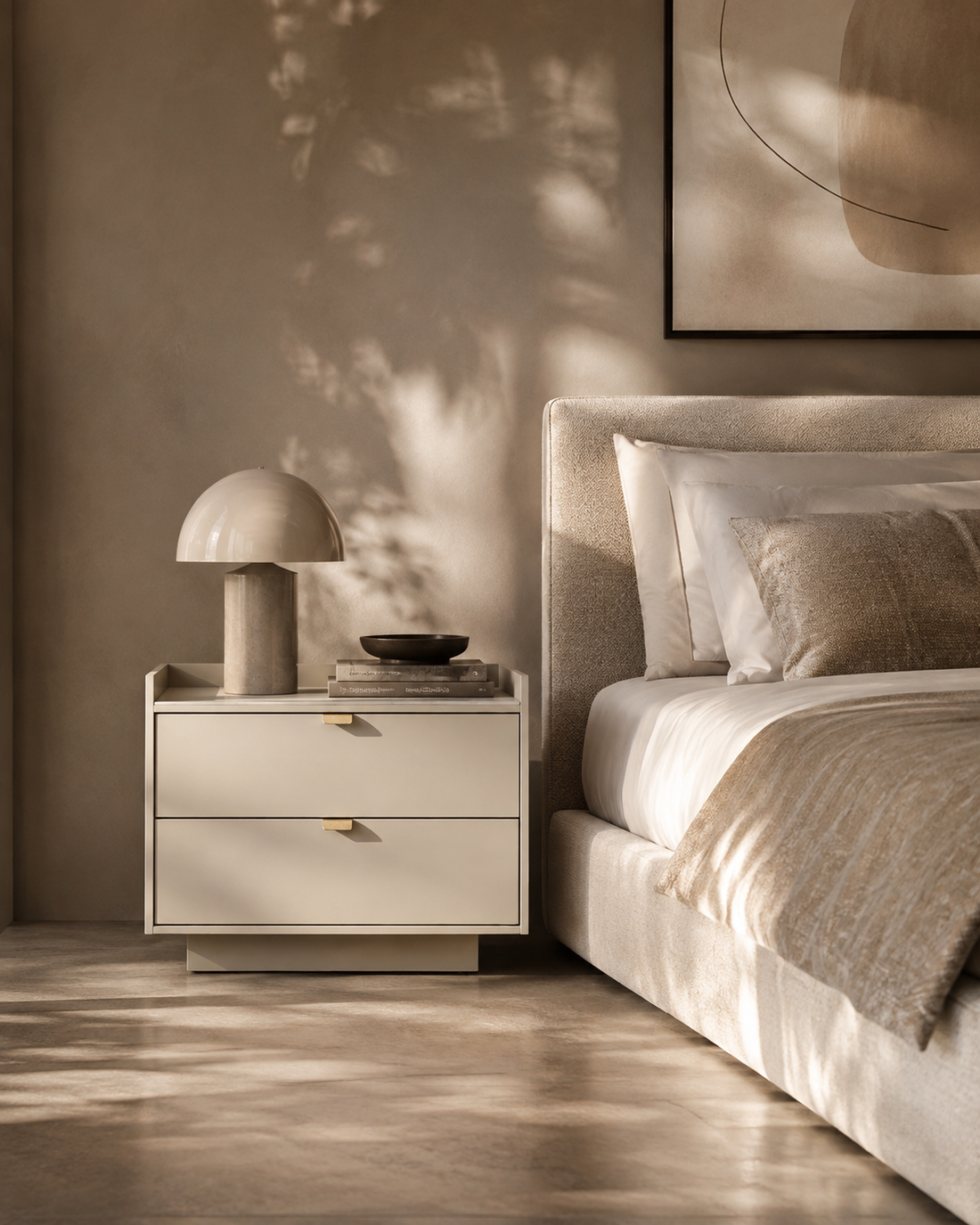 Saviour Bedside Table - White Marble & Beige
- Regular price
-
- Regular price
-
- Sale price
-
-
Dexter Bedside Table - Walnut - Pair
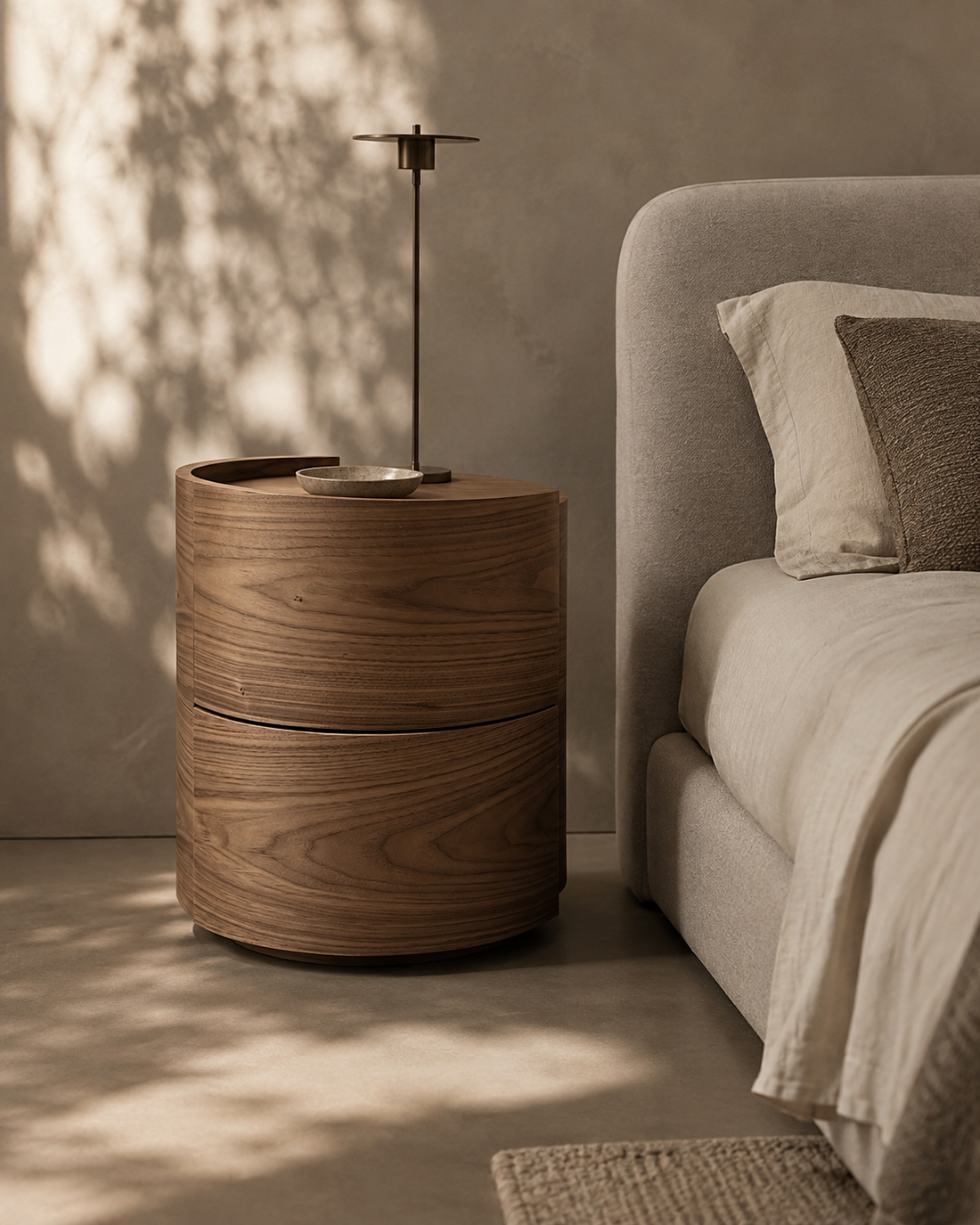 Dexter Bedside Table - Walnut - Pair
- Regular price
-
- Regular price
-
- Sale price
-
Disclaimer: All trademarks, brand names and product names mentioned on this website are the property of their respective owners. Any references are made for identification, informational or comparative purposes only, and do not imply any affiliation, endorsement, sponsorship or authorisation.