

Wall Clock
A wall clock is a decorative and functional timepiece designed to be mounted on a wall, serving as both a practical tool and a visual feature within an interior space. Beyond telling time, a wall clock contributes to the character and balance of a room, acting as a focal point that enhances overall design cohesion.
In modern interiors, wall clocks are selected not only for accuracy but for their ability to complement furniture, lighting and wall décor. From minimalist designs to bold statement pieces, a wall clock adds structure and personality to both residential and commercial environments.
What Is a Wall Clock Used For?
A wall clock is primarily used to display time clearly and conveniently within a room. In kitchens and living areas, it provides easy reference throughout the day. In offices and workspaces, it supports productivity and routine. In bedrooms and hallways, it adds subtle functionality while enhancing visual interest.
Interior designers use wall clocks to anchor blank wall spaces and create symmetry within layouts. Positioned above sideboards, console tables or fireplaces, they introduce scale and rhythm into an interior scheme.
In hospitality and retail settings, wall clocks contribute to atmosphere and brand identity. They can reinforce a relaxed, classic or contemporary aesthetic depending on the style chosen. A thoughtfully selected wall clock helps complete a space rather than appearing as a purely utilitarian object.
Wall Clock Styles and Design Options
Wall clocks are available in a wide range of styles to suit diverse interiors. Contemporary designs favour clean lines, minimal faces and neutral tones, making them ideal for modern homes and offices. Traditional wall clocks feature Roman numerals, decorative frames and classic proportions that complement heritage and country-inspired interiors.
Industrial-style clocks use metal frames and exposed mechanisms to create bold visual statements, while natural wood clocks bring warmth and texture into a room. Oversized wall clocks are increasingly popular for creating impact in large living spaces, open-plan interiors and commercial environments.
Colour and finish play an important role. Neutral tones remain versatile, while darker finishes and metallic accents add contrast and depth. Some designs incorporate glass, marble or mixed materials for added refinement.
For interior designers and independent retailers, versatility is key. A well-chosen wall clock should adapt easily across multiple interior styles while maintaining visual distinction.
Materials and Craftsmanship
The quality of a wall clock depends on both its construction and materials. Premium designs use durable metals, solid wood, glass and ceramic components to ensure longevity and visual consistency.
Craftsmanship is reflected in precise movement mechanisms, well-balanced proportions and carefully finished surfaces. Smooth clock hands, clear numerals and stable wall mounts contribute to both performance and safety.
In high-traffic environments such as hospitality or retail spaces, durability is especially important. A wall clock must retain its appearance and accuracy over time despite constant visibility and environmental exposure.
Material selection also influences maintenance. Glass faces protect clock mechanisms, while easy-to-clean finishes make them suitable for kitchens, cafés and commercial interiors.
Choosing the Right Wall Clock
Selecting the right wall clock requires attention to scale, placement and purpose. Large walls benefit from statement clocks that provide visual weight and structure. Smaller rooms require more compact designs that maintain balance without overwhelming the space.
Visibility is an important consideration. Clear numerals and contrasting colours ensure readability from a distance. Designers often choose clocks that complement existing furniture finishes, lighting fixtures and wall colours.
Placement should align with architectural features such as windows, doors and shelving. A wall clock can be used to centre a wall arrangement or to balance artwork and mirrors within a display.
Lighting also affects presentation. A clock positioned near natural or accent lighting becomes a stronger visual feature and enhances the room’s overall composition.
The goal is to integrate the wall clock seamlessly into the design scheme while maintaining its functional role.
Wall Clocks in Interior Design Projects
Interior designers frequently specify wall clocks as finishing elements within both residential and commercial projects. These pieces are used in kitchens, living rooms, dining areas, offices and hospitality spaces where time visibility and decorative appeal are equally important.
In residential interiors, wall clocks add personality and rhythm to everyday spaces. In restaurants, hotels and retail environments, they support branding and contribute to atmosphere.
Wall clocks are also effective tools for refreshing interiors without major renovation. Introducing a new clock design can modernise a space, shift its mood and add interest with minimal disruption.
For show homes and property staging, wall clocks create a sense of lived-in realism while reinforcing visual balance and scale.
Trade and Wholesale Positioning
For interior designers and independent retailers, wall clocks represent a high-demand decorative category with broad appeal. Customers often seek wall clocks as practical accessories that also enhance their interiors.
Retailers benefit from offering curated wall clock collections that complement furniture and lighting ranges. Designers value reliable suppliers who can provide consistent quality and coordinated designs across multiple projects.
Access to UK-held stock ensures reduced lead times and dependable fulfilment for time-sensitive projects. Free UK delivery on all items simplifies logistics, while no minimum order value allows professionals to purchase exactly what they need without overcommitment.
Strong resale margins make wall clocks a commercially attractive category for trade clients seeking both style and profitability.
Trends in Wall Clock Design
Current trends in wall clock design focus on simplicity, natural materials and sculptural forms. Minimal faces with subtle detailing are increasingly popular for contemporary interiors.
There is growing interest in oversized clocks that act as wall art as much as timepieces. Mixed materials such as metal with wood or stone continue to gain popularity for their layered aesthetic.
Sustainability is influencing material choices, with designers favouring responsibly sourced timber and long-lasting construction. Timeless designs are preferred over short-lived trends, ensuring longevity in both style and function.
These trends reflect a shift towards wall clocks that are decorative centrepieces rather than purely functional items.
Why Choose Tommy Franks?
Tommy Franks is a favourite among interior designers and independent retailers seeking premium decorative accessories with dependable availability. Carefully curated wall clock collections reflect refined British interior style, combining contemporary elegance with classic influence.
Each wall clock demonstrates premium craftsmanship and thoughtful material selection, ensuring durability and lasting visual appeal. With a vast range of UK-held stock, trade clients benefit from reliable lead times and consistent supply.
Free UK delivery on all items removes logistical complexity, while no minimum order value allows flexibility for projects of every scale. Competitive wholesale margins support strong resale performance, and trade accounts are welcome with straightforward onboarding for busy professionals.
This combination of quality, reliability and commercial support positions Tommy Franks as a trusted wholesale partner for wall clocks within the UK interiors market.
Products
-
Sims Bedside Table - Matte Beige
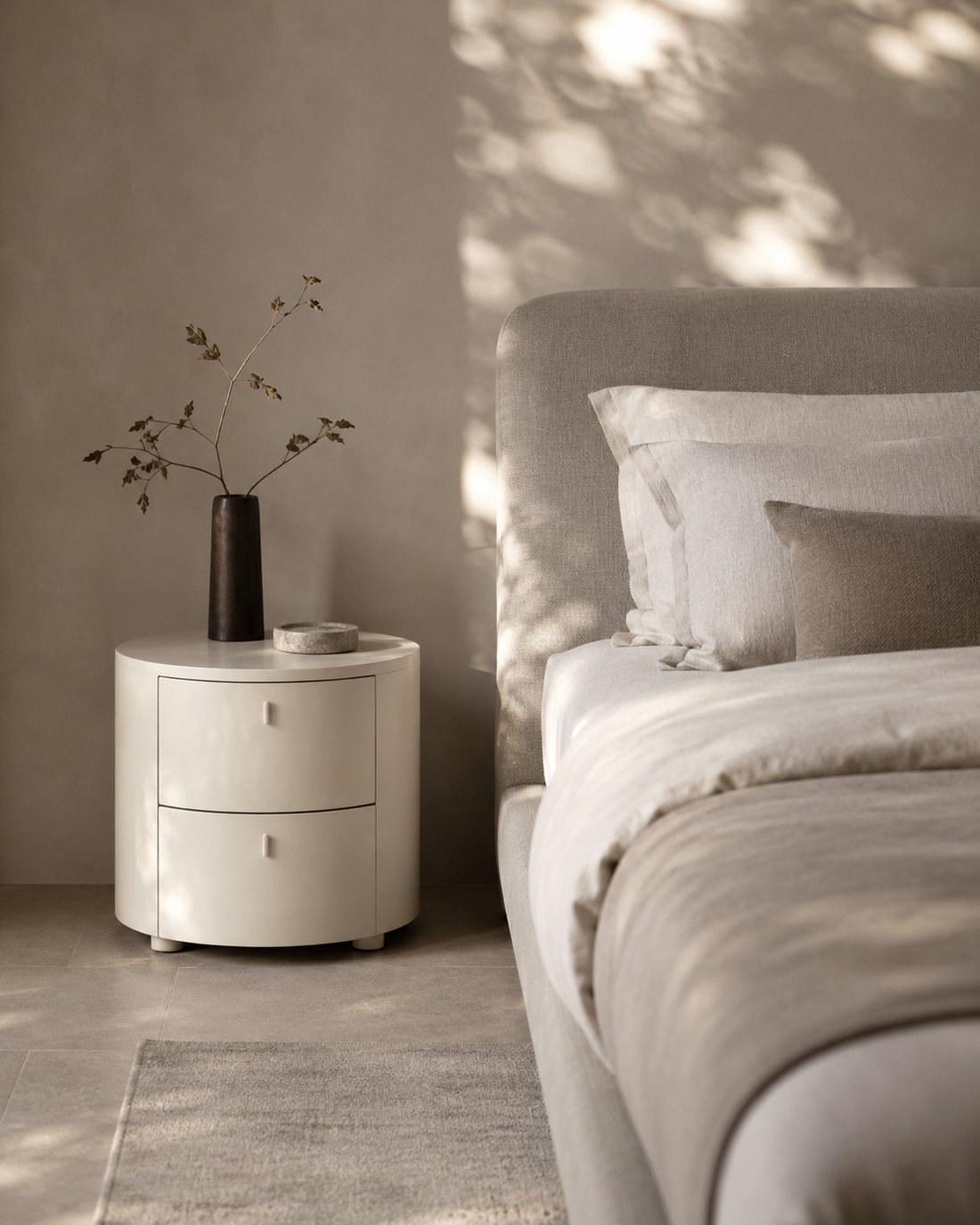 Sims Bedside Table - Matte Beige
- Regular price
-
- Regular price
-
- Sale price
-
-
Saviour Bedside Table - White Marble & Beige
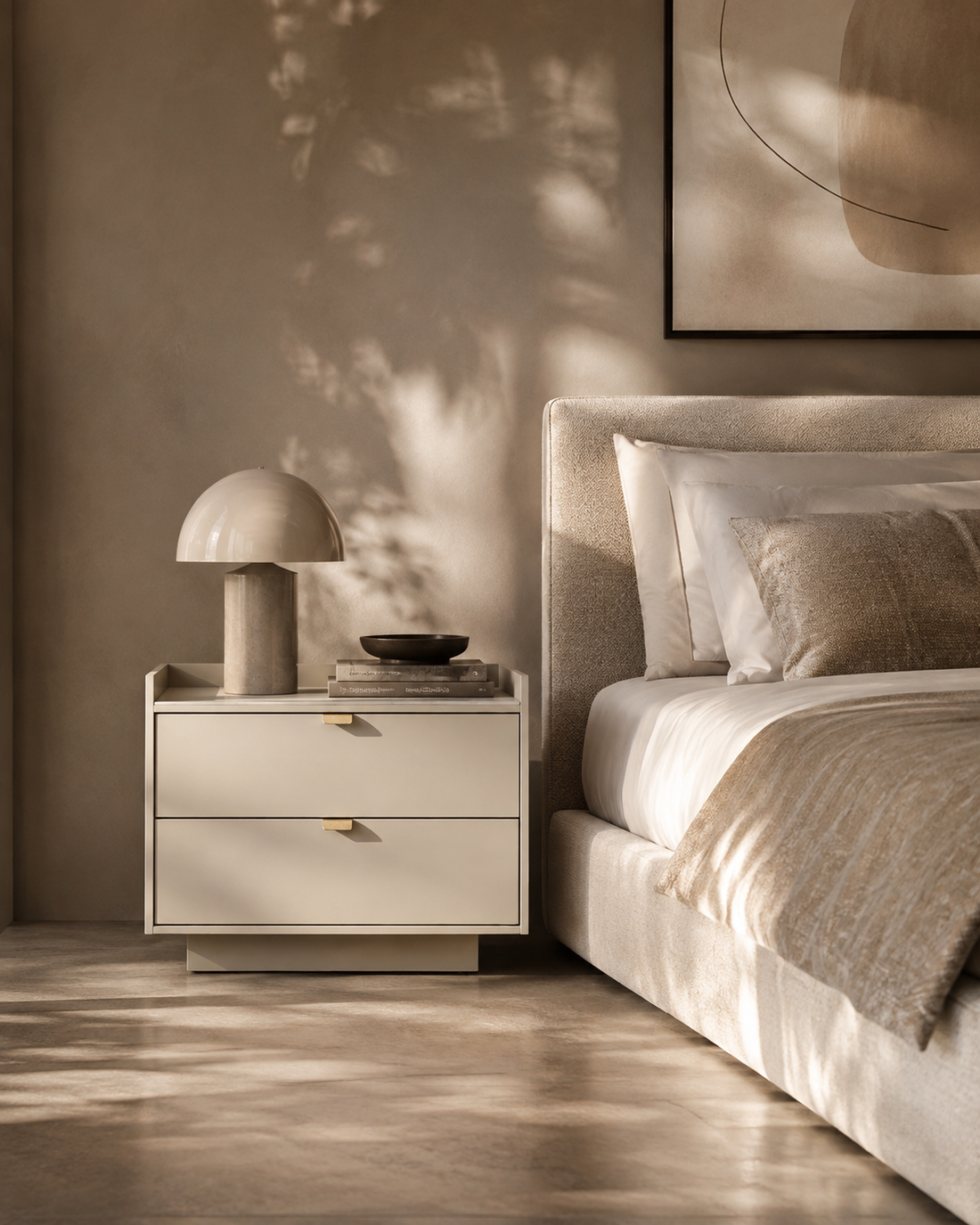 Saviour Bedside Table - White Marble & Beige
- Regular price
-
- Regular price
-
- Sale price
-
-
Dexter Bedside Table - Walnut - Pair
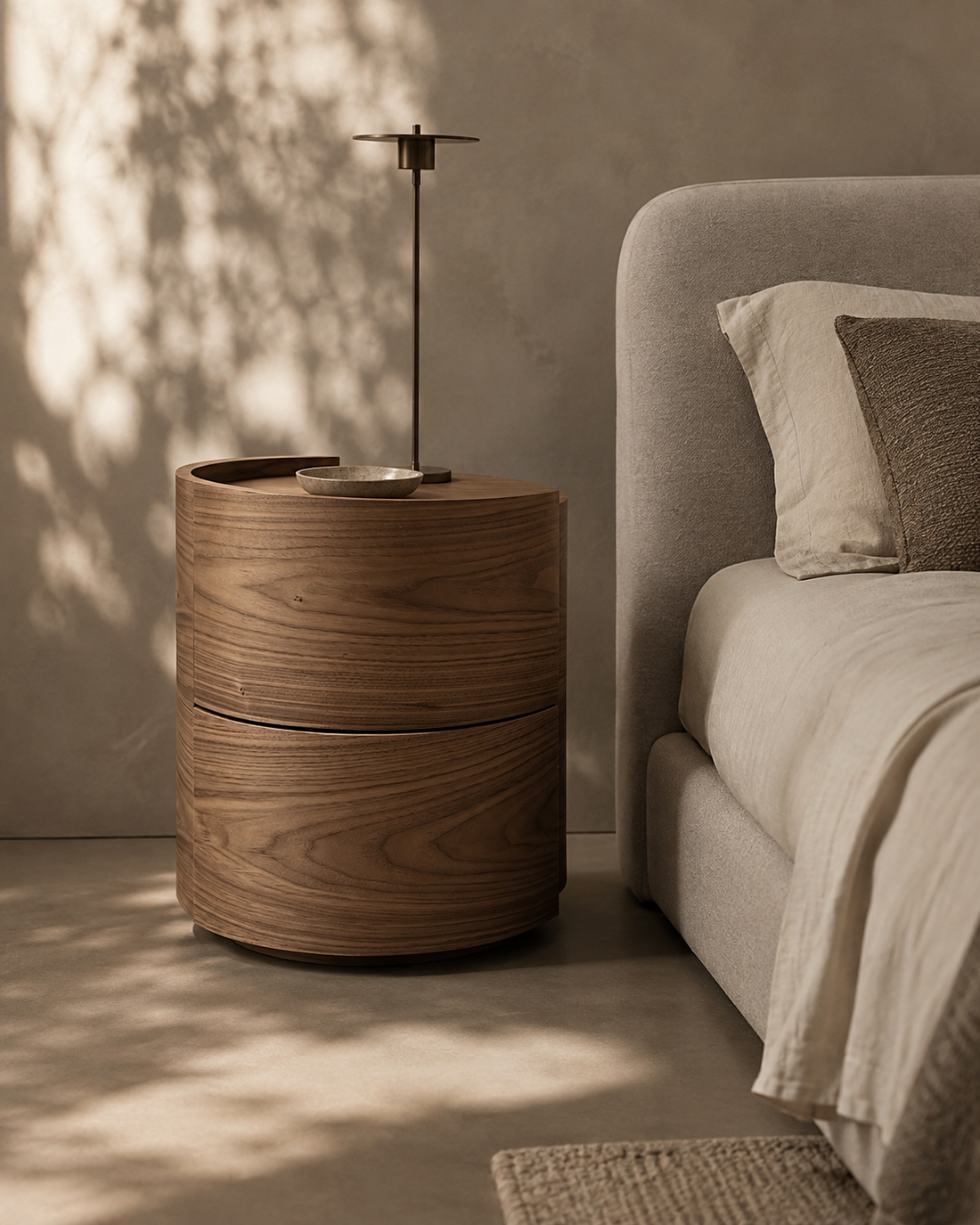 Dexter Bedside Table - Walnut - Pair
- Regular price
-
- Regular price
-
- Sale price
-
Disclaimer: All trademarks, brand names and product names mentioned on this website are the property of their respective owners. Any references are made for identification, informational or comparative purposes only, and do not imply any affiliation, endorsement, sponsorship or authorisation.