

Artwork In Wall
Artwork in wall refers to decorative pieces designed specifically to be displayed on interior walls, enhancing visual appeal and adding character to a space. This includes framed prints, canvas artwork, sculptural wall pieces and mixed-media designs that transform blank surfaces into expressive design features.
Artwork in wall plays a key role in shaping the mood and identity of an interior. Whether subtle and understated or bold and dramatic, wall-mounted art creates focal points that reflect style, personality and purpose across both residential and commercial environments.
What Is Artwork in Wall Used For?
Artwork in wall is used to introduce colour, texture and narrative into an interior. In living rooms, it often anchors the seating area or fireplace wall. In bedrooms, it contributes to calmness or intimacy depending on its subject and palette. In hallways and entryways, wall art offers immediate visual impact and a sense of welcome.
Interior designers frequently use artwork in wall to unify colour schemes, soften architectural lines and add contrast to neutral spaces. It can guide the flow of movement within a room by drawing attention to specific zones or features.
In commercial settings such as hotels, restaurants and retail spaces, artwork in wall contributes to atmosphere and brand identity. It enhances customer experience while reinforcing the design language of the environment.
Styles and Creative Direction
Artwork in wall spans a wide range of styles, from abstract and contemporary to classical, botanical and landscape-inspired pieces. Minimalist designs offer restraint and sophistication, while large-scale statement artwork introduces drama and presence.
Neutral and earth-toned artwork remains popular for its adaptability across many interior styles. Darker palettes and textured finishes are increasingly specified for depth and richness in modern spaces.
Sculptural wall art introduces three-dimensional interest through materials such as metal, wood and ceramic. These designs work particularly well in open-plan interiors where visual engagement must be maintained without overwhelming the space.
For interior designers and independent retailers, offering curated collections with diverse artistic styles allows flexibility across projects and client preferences.
Materials and Craftsmanship
The quality of artwork in wall is defined by both materials and finish. Canvas artwork brings softness and warmth, while framed pieces provide structure and refinement. Metal and wood wall art introduces durability and tactile contrast, making it suitable for high-traffic environments.
Premium craftsmanship ensures stable frames, clean edges and long-lasting colour quality. Hand-finished surfaces and layered textures elevate wall art from decorative accessories to enduring design elements.
In hospitality and commercial interiors, durability is essential. Artwork must retain its appearance despite exposure to lighting, temperature changes and regular cleaning.
Material choice should reflect both aesthetic goals and practical demands, particularly for large-scale or high-impact installations.
Choosing the Right Artwork in Wall
Selecting artwork in wall requires careful consideration of scale, placement and composition. Larger walls benefit from oversized pieces or gallery-style arrangements, while smaller spaces work best with proportionate designs that maintain balance.
Colour selection should complement surrounding furniture, flooring and finishes. Designers often use wall art to introduce accent tones or reinforce existing palettes.
Shape and layout should align with architectural features such as windows, doors and ceiling lines. Vertical pieces can emphasise height, while horizontal artwork widens the visual field.
Lighting plays a crucial role in presentation. Artwork positioned near natural light or accent lighting becomes a stronger focal point and enhances overall atmosphere.
The objective is to integrate artwork seamlessly into the interior rather than treating it as a separate decorative element.
Artwork in Wall for Interior Design Projects
Interior designers use artwork in wall as a storytelling device within their projects. It communicates emotion, reinforces themes and personalises spaces for clients.
In residential interiors, wall art reflects lifestyle and taste while maintaining harmony with furniture and finishes. In commercial environments, it may be selected to align with branding or create a distinctive customer experience.
Artwork in wall is also an effective way to refresh interiors without structural changes. A new artwork selection can modernise a space and shift its mood quickly and cost-effectively.
In show homes and staged properties, wall art is essential for creating warmth and visual engagement that resonates with prospective buyers.
Trade and Wholesale Positioning
For interior designers and independent retailers, artwork in wall represents a high-impact category with wide appeal. It offers strong visual value while being easier to transport and install compared to larger furniture pieces.
Retailers benefit from stocking wall art because it complements furniture collections and encourages impulse purchases. Designers value dependable suppliers who can provide consistent quality and coordinated collections across multiple projects.
Access to UK-held stock ensures that projects remain on schedule and client expectations are met. Free UK delivery on all items simplifies logistics, while no minimum order value allows professionals to source precisely what is required for each space.
Strong resale margins make artwork in wall a commercially attractive category for trade clients seeking both creativity and profitability.
Trends in Wall Art Design
Current trends in artwork in wall focus on organic forms, abstract landscapes and layered textures. Natural themes and muted tones reflect a growing desire for calming, nature-inspired interiors.
Oversized statement pieces are increasingly favoured over multiple smaller artworks, creating gallery-style impact in homes and hospitality venues. Metallic accents and mixed materials remain popular for their ability to catch light and add dimension.
Sustainability is influencing production methods, with designers favouring responsibly sourced materials and long-lasting construction. This shift prioritises quality and longevity over fast-changing decorative trends.
These developments highlight the importance of curated collections that balance artistic expression with durability and timeless appeal.
Why Choose Tommy Franks?
Tommy Franks is a favourite among interior designers and independent retailers seeking premium decorative pieces with dependable availability. Carefully curated collections of artwork in wall are selected to complement contemporary British interiors while offering versatility across multiple design styles.
Each piece demonstrates premium craftsmanship and thoughtful material selection, ensuring long-lasting visual appeal and quality performance. With a vast range of UK-held stock, trade clients benefit from reliable lead times and consistent supply.
Free UK delivery on all items removes logistical complexity, while no minimum order value allows flexibility for projects of every scale. Competitive wholesale margins support strong resale potential, and trade accounts are welcome with straightforward onboarding for busy professionals.
This combination of refined design, reliable supply and commercial support positions Tommy Franks as a trusted wholesale partner for artwork in wall within the UK interiors market.
Products
-
Sims Bedside Table - Matte Beige
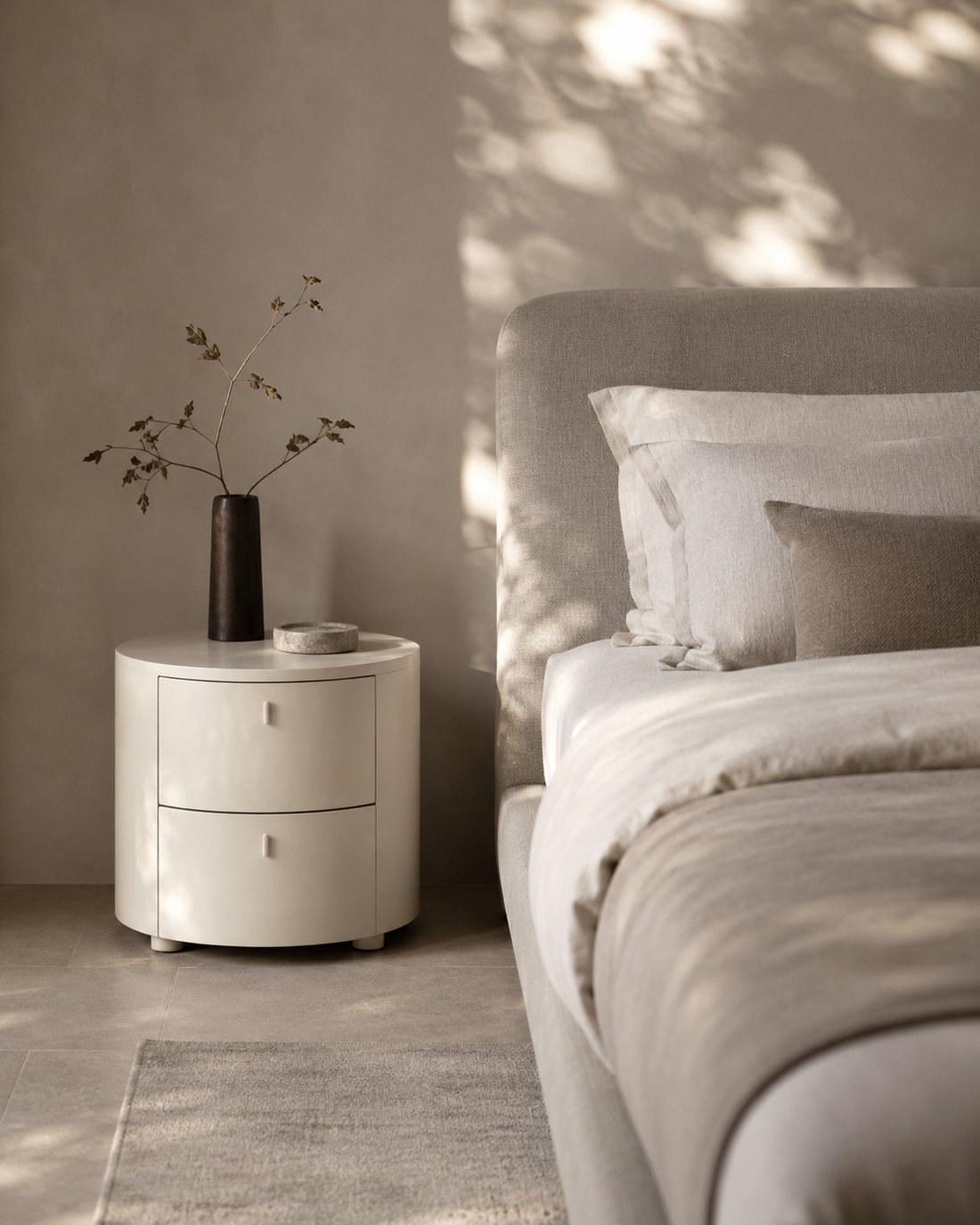 Sims Bedside Table - Matte Beige
- Regular price
-
- Regular price
-
- Sale price
-
-
Saviour Bedside Table - White Marble & Beige
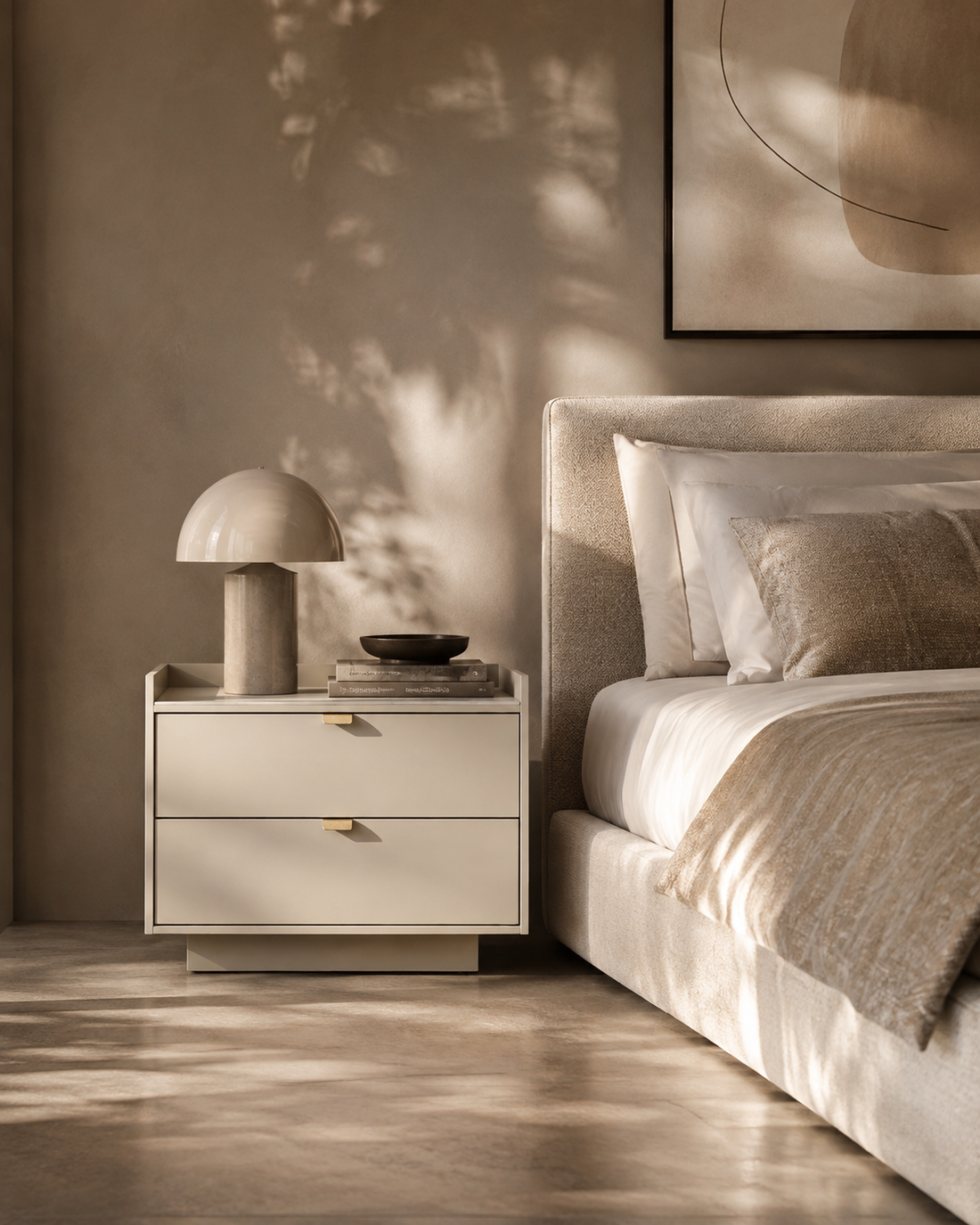 Saviour Bedside Table - White Marble & Beige
- Regular price
-
- Regular price
-
- Sale price
-
-
Dexter Bedside Table - Walnut - Pair
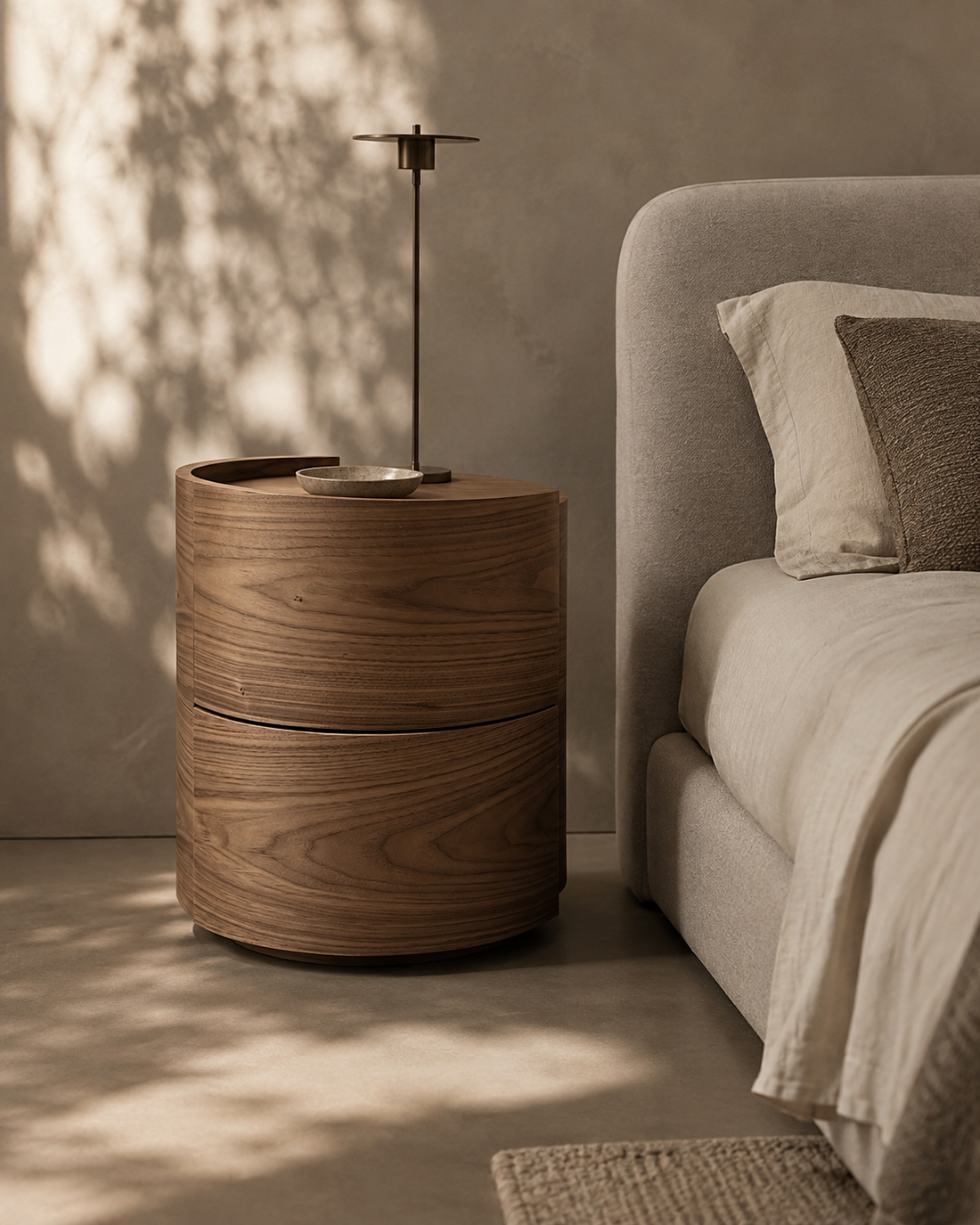 Dexter Bedside Table - Walnut - Pair
- Regular price
-
- Regular price
-
- Sale price
-
Disclaimer: All trademarks, brand names and product names mentioned on this website are the property of their respective owners. Any references are made for identification, informational or comparative purposes only, and do not imply any affiliation, endorsement, sponsorship or authorisation.