

Tables And End Tables
Tables and end tables are essential furniture pieces that provide both functional surface space and visual structure within an interior. While tables serve a broader role across living, dining and transitional areas, end tables are specifically designed to sit alongside seating, offering convenience and balance to sofas and armchairs. Together, they support daily living while contributing to the overall harmony of a space.
Used across residential and professional interiors, tables and end tables combine practicality with design expression, making them indispensable elements in well-considered room layouts.
What Are Tables and End Tables Used For?
Tables fulfil a wide range of purposes depending on their placement and scale. In living rooms, they support lighting, decorative accessories and everyday essentials. In bedrooms, they act as bedside companions, while in entrance halls they provide a surface for keys, mirrors and styling elements.
End tables are typically positioned beside sofas or armchairs, creating accessible points for drinks, books and lamps. Their compact footprint allows them to enhance seating arrangements without interrupting circulation or visual flow. In open-plan interiors, tables and end tables help define zones subtly, providing structure without the need for partitions.
Interior designers favour tables and end tables for their ability to introduce proportion and rhythm within a scheme. In hospitality settings such as serviced apartments, hotels and show homes, they complete furniture groupings and reinforce a sense of cohesion and comfort.
For retailers, these categories offer consistent demand and broad appeal, making them core components of any furniture collection.
Materials and Design Styles
Tables and end tables are available in a wide range of materials, allowing them to complement diverse interior styles and functional requirements.
Wood remains a timeless choice, offering warmth and character through finishes such as oak, walnut and painted timber. Marble and stone tops introduce an architectural quality and are often paired with metal frames for contrast and durability. Glass designs provide a lighter visual presence, ideal for smaller spaces or minimalist schemes.
Metal frames in finishes such as brushed brass, blackened steel or nickel bring a contemporary edge and work particularly well in modern interiors. Mixed-material designs combine texture and tone, elevating tables and end tables from simple utility pieces to decorative features.
Design styles range from understated silhouettes to sculptural forms. Rounded profiles soften seating areas, while angular designs introduce clarity and structure. Premium detailing such as fluted bases, carved legs or inlaid surfaces distinguishes higher-quality pieces and enhances their decorative appeal.
Choosing the Right Tables and End Tables
Selecting appropriate tables and end tables requires attention to proportion, placement and purpose. Height should align comfortably with surrounding furniture, particularly seating and beds, ensuring ease of use. Scale should reflect the size of the room, with slim designs suited to compact spaces and more substantial tables appropriate for larger interiors.
Functionality also plays an important role. Some tables include drawers or shelves for discreet storage, while others prioritise clean lines and open frames for decorative display. Surface durability should be considered, especially in high-use or commercial environments.
For interior designers and independent retailers, adaptability is essential. Tables and end tables that complement multiple furniture styles and colour palettes provide greater commercial value and flexibility across projects. Coordinated ranges allow for consistent styling, while individual statement pieces introduce character into a scheme.
Styling with Tables and End Tables
Tables and end tables contribute to the visual rhythm of an interior. When placed beside seating, they anchor arrangements and create balance. Using pairs of end tables introduces symmetry, while a single table can add contrast and interest in more relaxed layouts.
Styling should be purposeful rather than excessive. Table lamps, sculptural objects and ceramic accessories can enhance the design without overcrowding the surface. In refined interiors, the table itself often becomes the focal point, requiring minimal additional decoration.
Layering is an effective technique. Combining tables and end tables with nearby elements such as floor lamps, mirrors or artwork adds depth and cohesion. This approach is frequently used in show homes and hospitality spaces to achieve a polished, professional finish.
In commercial and retail environments, tables and end tables support customer comfort while reinforcing the quality of the overall furniture offering. Their design communicates attention to detail and contributes to the perception of a well-curated interior.
Tables and End Tables in Trade and Wholesale Settings
Tables and end tables represent a dependable category for interior designers and independent retailers due to their wide application and steady demand. They suit residential projects, hospitality interiors and showroom displays alike, making them valuable additions to furniture ranges.
Trade professionals benefit from access to UK-held stock, ensuring reliable availability for time-sensitive projects and seasonal collections. Consistent supply reduces lead times and supports continuity across developments and installations.
Free UK delivery on all items simplifies logistics and supports efficient ordering. No minimum order value allows designers and retailers to purchase according to project size rather than volume requirements, offering flexibility for both small studios and larger retail operations.
Strong resale margins make tables and end tables commercially attractive, particularly when sold alongside coordinated sofas, lighting and storage collections. Easy trade account onboarding further supports professionals by providing quick access to wholesale pricing and dependable supply.
Design Considerations for Living and Commercial Spaces
When incorporating tables and end tables into an interior scheme, finish and form should complement surrounding furniture and architectural features. In contemporary interiors, clean lines and neutral tones maintain cohesion. In more traditional settings, richer materials and decorative detailing enhance character.
Durability is especially important in high-use or commercial environments. Premium craftsmanship ensures structural stability and long-term performance while preserving visual appeal. Well-constructed tables and end tables reduce maintenance requirements and remain suitable for both private and professional interiors.
Offering a varied selection allows trade clients to meet diverse customer preferences. From minimalist designs to sculptural statement pieces, range diversity ensures relevance across multiple design directions and project briefs.
Why Choose Tommy Franks?
Tommy Franks is a favourite among interior designers and independent retailers seeking premium furniture supported by dependable service. Carefully curated collections balance refined design with everyday usability, ensuring tables and end tables meet both aesthetic and functional expectations.
Each piece reflects premium craftsmanship and thoughtful material selection, delivering durability while maintaining visual appeal. With a vast range of UK-held stock, trade clients benefit from reliable lead times and consistent availability across collections.
Free UK delivery on all items simplifies procurement, while no minimum order value provides flexibility for projects of every scale. Competitive wholesale margins support strong resale performance, making Tommy Franks a trusted partner for retailers and designers alike. Trade accounts are welcome, with straightforward onboarding designed to support busy professionals working across residential and commercial interiors.
Products
-
Sims Bedside Table - Matte Beige
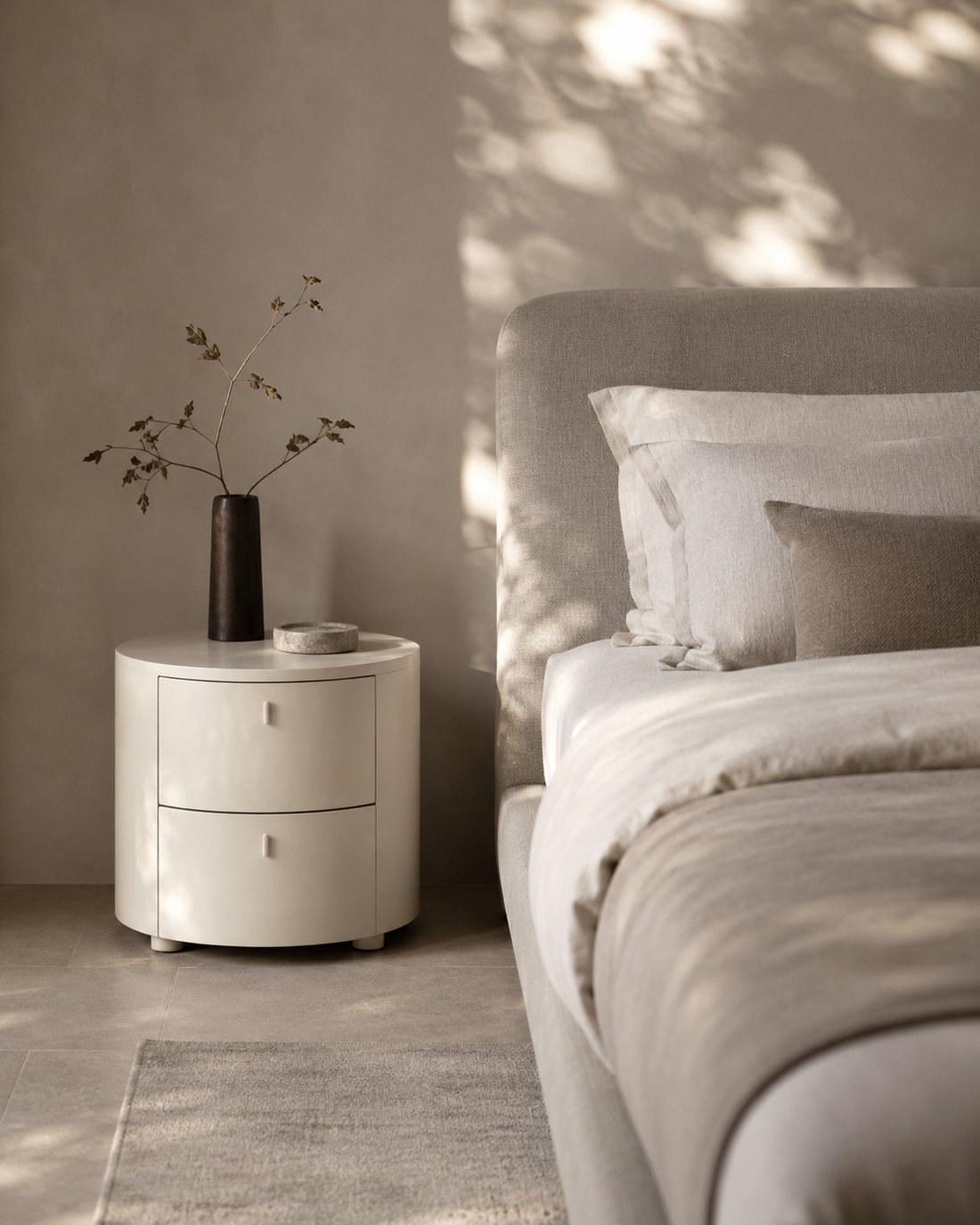 Sims Bedside Table - Matte Beige
- Regular price
-
- Regular price
-
- Sale price
-
-
Saviour Bedside Table - White Marble & Beige
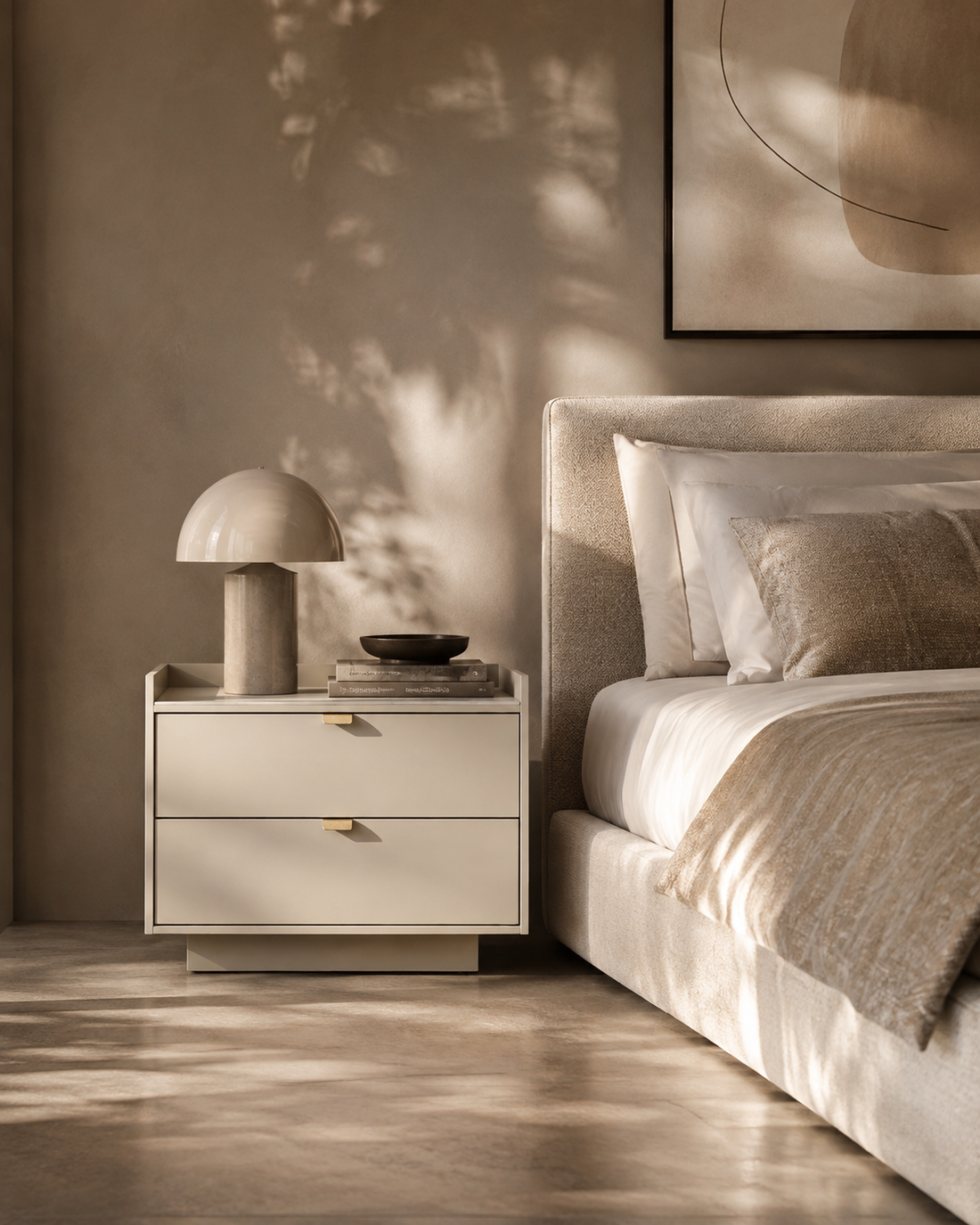 Saviour Bedside Table - White Marble & Beige
- Regular price
-
- Regular price
-
- Sale price
-
-
Dexter Bedside Table - Walnut - Pair
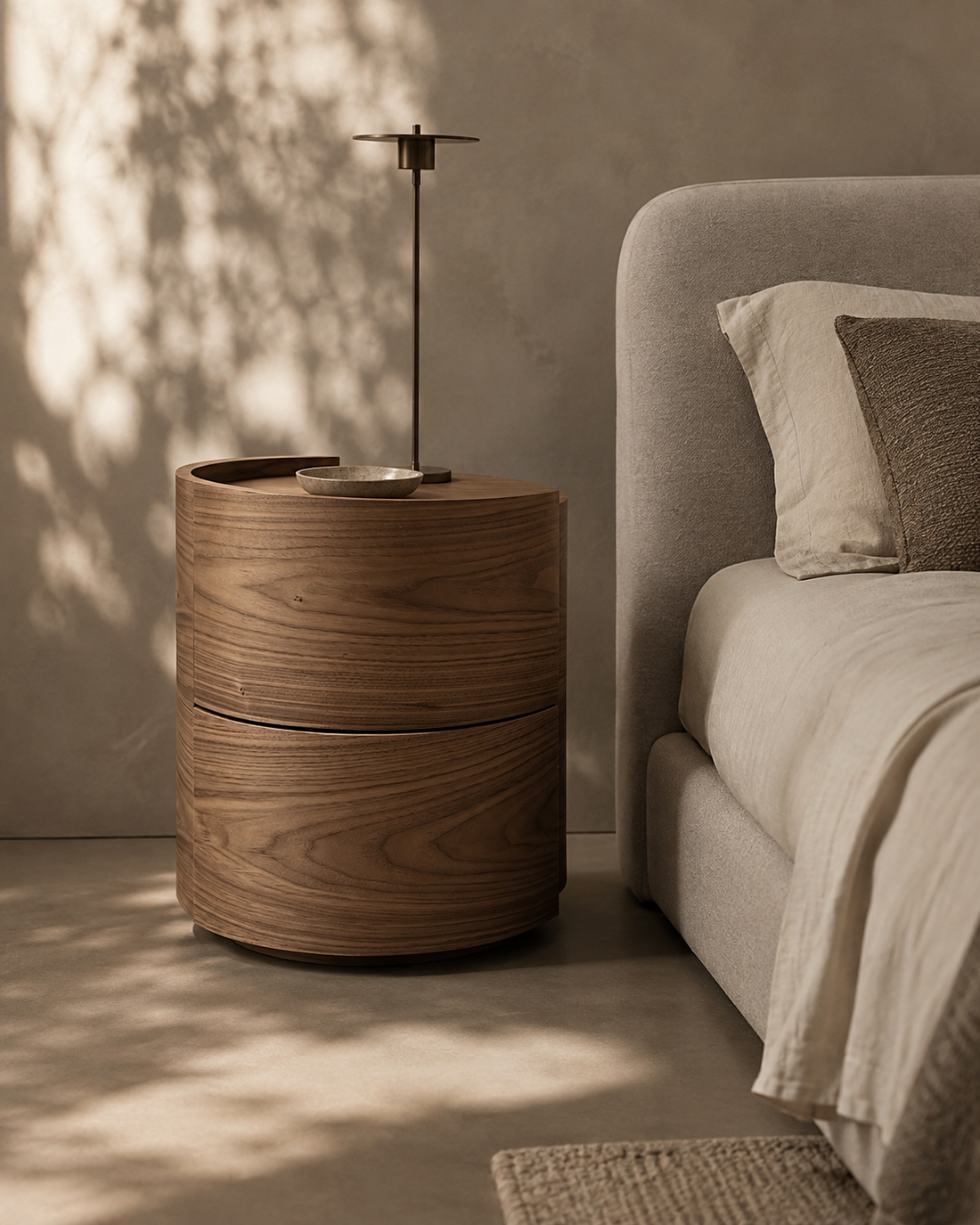 Dexter Bedside Table - Walnut - Pair
- Regular price
-
- Regular price
-
- Sale price
-
Disclaimer: All trademarks, brand names and product names mentioned on this website are the property of their respective owners. Any references are made for identification, informational or comparative purposes only, and do not imply any affiliation, endorsement, sponsorship or authorisation.