

Side Board
A sideboard is a versatile furniture piece commonly used in dining rooms, living areas, or hallways to provide storage, surface space, and decorative appeal. Often featuring drawers, cupboards, or shelving, sideboards combine practicality with style, offering a convenient solution for organising dining essentials, linens, tableware, or display items.
In contemporary interior design, sideboards are valued not only for their functionality but also as statement furniture pieces that anchor rooms, complement décor, and introduce texture, colour, or material contrast.
What Is a Sideboard Used For?
Sideboards serve multiple purposes. In dining rooms, they store cutlery, crockery, glassware, and table linens, keeping essentials close at hand while maintaining a tidy environment.
In living rooms or hallways, sideboards provide surface space for decorative objects, lamps, mirrors, and art, while concealing clutter inside drawers or cabinets. They also serve as functional buffet surfaces during entertaining, offering space for food or drink displays.
Interior designers use sideboards to balance spatial layouts, create symmetry, and add visual interest. Their height, scale, and finish can be used to anchor walls, complement furniture arrangements, and enhance overall interior harmony.
Styles and Design Options
Sideboards are available in a variety of styles to suit different interior aesthetics. Contemporary designs often feature clean lines, minimalist silhouettes, and smooth finishes in timber, lacquer, or painted surfaces.
Traditional styles may include ornate detailing, carved legs, or decorative mouldings, adding character and sophistication. Mid-century modern sideboards emphasise streamlined forms, tapered legs, and natural wood tones for a timeless look.
Material combinations are increasingly popular. Wood, metal, marble tops, or glass accents can be used to create visual contrast and durability. Handles, hardware, and leg design also contribute to the overall aesthetic, with brushed brass, matte black, or polished finishes commonly used.
For interior designers and independent retailers, versatile sideboard designs allow for integration into multiple décor schemes, offering both functional storage and decorative appeal.
Materials and Craftsmanship
The quality of a sideboard depends on material selection and construction. Premium sideboards are made from solid timber, engineered wood, or durable composite materials, providing longevity and structural stability.
Craftsmanship is evident in precise joinery, smooth finishes, and well-fitted drawers and doors. Quality hardware enhances usability and durability, ensuring drawers and cupboards operate smoothly over time.
Surface finishes, such as veneers, paints, or lacquer, are chosen to resist scratches and wear, while detailing like inlays, mouldings, or textured panels adds a sense of refinement. Robust construction ensures stability, particularly for larger or heavier sideboards.
Choosing the Right Sideboard
Selecting a sideboard involves considering size, storage capacity, style, and material. The piece should fit comfortably along walls without obstructing circulation, while providing sufficient storage and surface space for functional or decorative use.
Style should complement surrounding furniture, flooring, and décor. Designers often match or contrast sideboards with dining tables, chairs, or living room furniture to create cohesion and visual balance.
Functionality is key. Drawers, cupboards, and shelves should be practical for everyday use, while surfaces should accommodate decorative displays, lighting, or dining essentials.
Sideboards in Interior Design Projects
Interior designers frequently incorporate sideboards in residential and commercial projects to provide storage, display space, and decorative impact. They anchor dining rooms, hallways, or living areas, balancing other furniture pieces and enhancing room composition.
In homes, sideboards combine utility with visual appeal, helping maintain organised, polished interiors. In hospitality or office environments, they offer both practical storage and style, contributing to professional, curated aesthetics.
Sideboards are particularly effective in open-plan spaces, where they can delineate zones, add height variation, and provide functional surfaces without overwhelming the layout.
Trade and Wholesale Positioning
For interior designers and independent retailers, sideboards are a high-demand furniture category combining storage functionality with aesthetic value. Customers seek durable, stylish pieces that complement multiple interiors.
Retailers benefit from offering curated sideboard collections that coordinate with tables, chairs, and other storage solutions. Designers value suppliers who provide UK-held stock, consistent quality, and reliable availability for multiple projects.
Access to UK-held stock ensures dependable supply, while free UK delivery and no minimum order value make trade orders convenient. Strong wholesale margins make sideboards commercially appealing, and easy trade account onboarding supports busy professionals efficiently.
Trends in Sideboard Design
Current trends emphasise mixed materials, minimalist silhouettes, and multifunctional designs. Marble or glass tops, metal hardware, and geometric detailing are popular, adding both elegance and durability.
Mid-century modern influences, natural timber finishes, and textured or panelled surfaces remain highly sought after. Multi-functional sideboards with hidden storage, integrated wine racks, or modular elements are increasingly popular for flexible living spaces.
These trends highlight sideboards as functional, stylish, and adaptable furniture pieces that enhance room design while providing practical storage solutions.
Why Choose Tommy Franks?
Tommy Franks is a favourite among interior designers and independent retailers seeking premium sideboards with dependable availability. Carefully curated collections reflect refined British interior style while offering versatility across multiple layouts and décor schemes.
Each sideboard demonstrates premium craftsmanship, thoughtful material selection, and lasting visual appeal. With a vast range of UK-held stock, trade clients benefit from reliable supply and consistent lead times.
Free UK delivery on all items simplifies logistics, while no minimum order value allows flexibility for projects of any scale. Competitive wholesale margins support strong resale performance, and trade accounts are welcomed with straightforward onboarding.
This dedication to quality, reliability, and commercial support positions Tommy Franks as a trusted wholesale partner for sideboards within the UK interiors market.
Products
-
Sims Bedside Table - Matte Beige
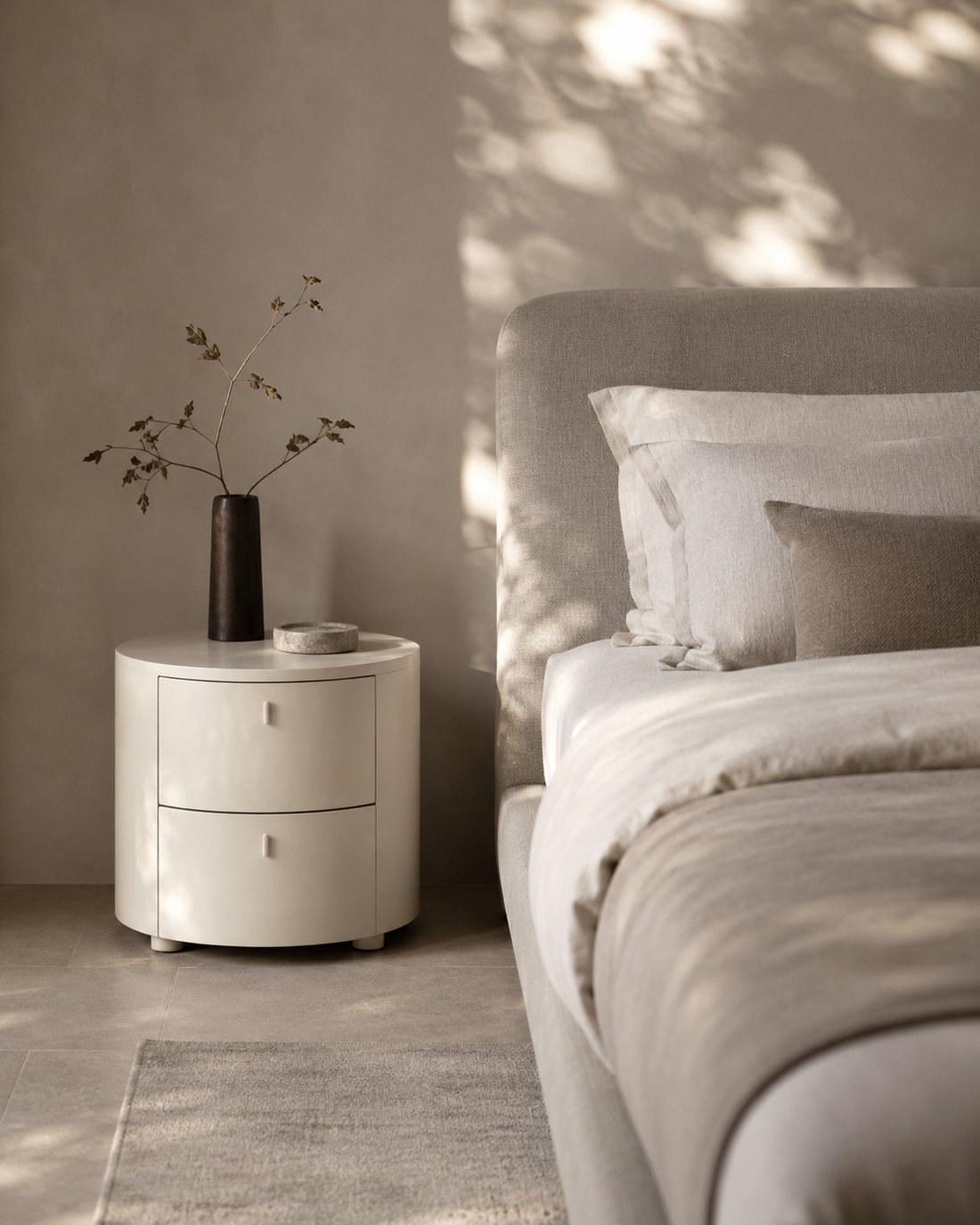 Sims Bedside Table - Matte Beige
- Regular price
-
- Regular price
-
- Sale price
-
-
Saviour Bedside Table - White Marble & Beige
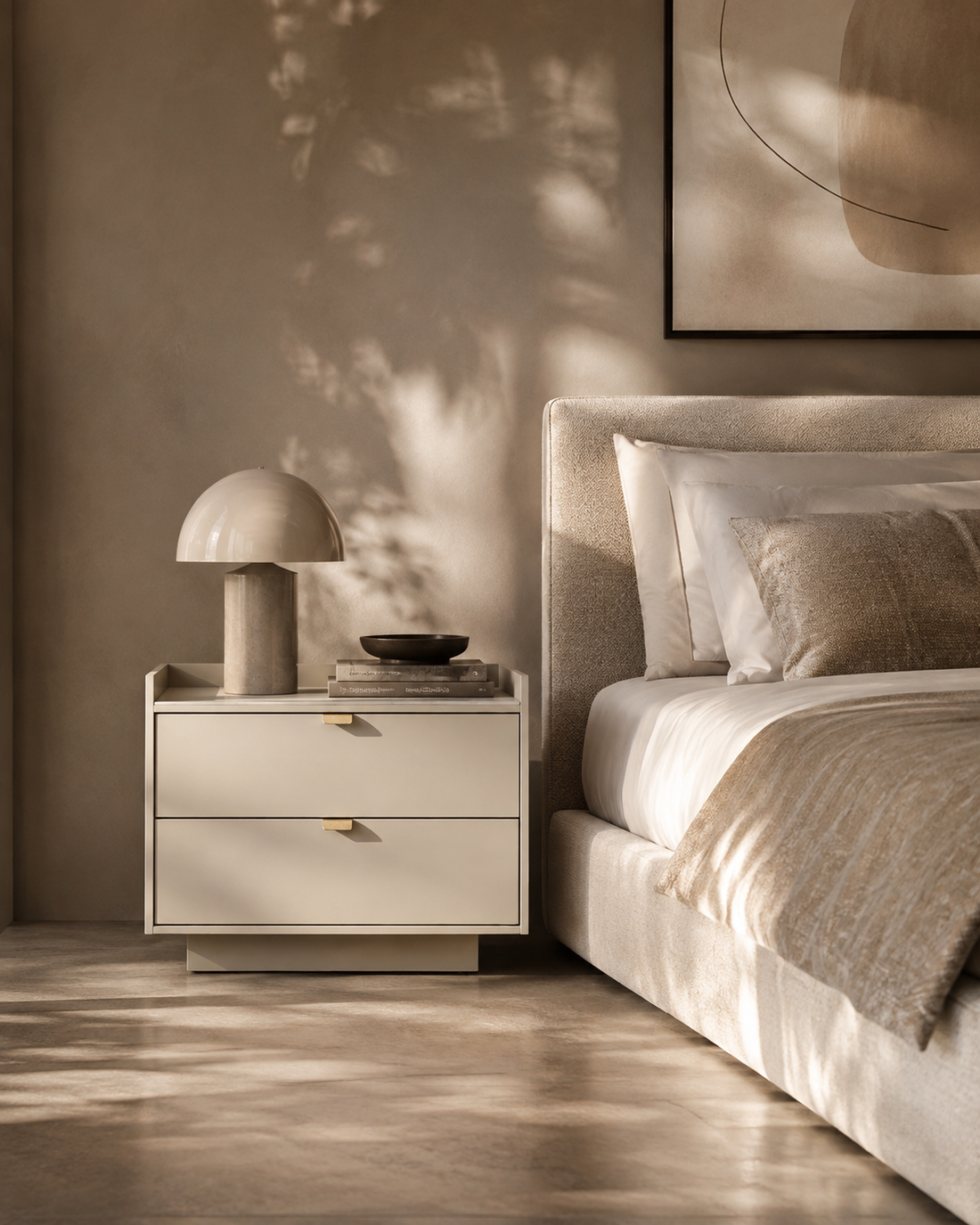 Saviour Bedside Table - White Marble & Beige
- Regular price
-
- Regular price
-
- Sale price
-
-
Dexter Bedside Table - Walnut - Pair
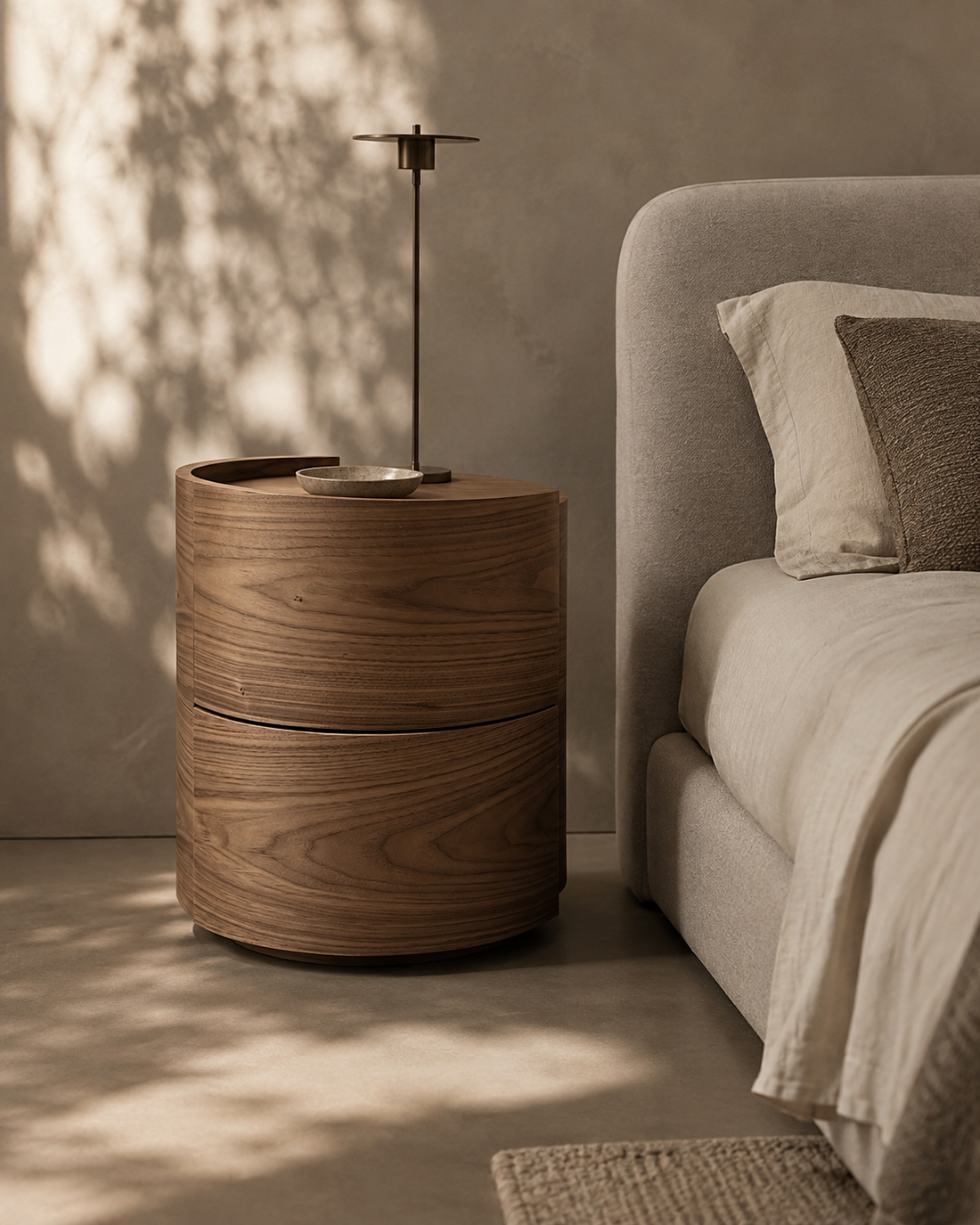 Dexter Bedside Table - Walnut - Pair
- Regular price
-
- Regular price
-
- Sale price
-
Disclaimer: All trademarks, brand names and product names mentioned on this website are the property of their respective owners. Any references are made for identification, informational or comparative purposes only, and do not imply any affiliation, endorsement, sponsorship or authorisation.