

Sideboards
Sideboards are versatile storage and display furniture pieces designed to bring both functionality and visual structure to interior spaces. Traditionally used in dining rooms for storing tableware and serving items, sideboards have evolved into multi-purpose furniture suitable for living rooms, hallways, bedrooms and commercial environments.
In contemporary interior design, sideboards are valued for their ability to combine storage with style. They offer a practical solution for organisation while acting as anchor pieces that help define the character and balance of a room. Whether sleek and modern or richly textured and traditional, sideboards contribute to a refined and cohesive interior scheme.
What Are Sideboards Used For?
Sideboards are primarily used for storage, providing space for dishes, glassware, linens and everyday household items. In dining rooms, they support entertaining by keeping essentials close at hand while offering a surface for serving or display.
In living rooms, sideboards are used to store media accessories, books and decorative objects. Positioned against feature walls, they also act as visual focal points and platforms for artwork, mirrors and lighting.
Hallways benefit from sideboards as practical storage for keys, bags and seasonal items while maintaining a tidy and welcoming appearance. In bedrooms, sideboards function as alternative storage units for clothing, accessories and personal belongings.
Interior designers use sideboards to introduce structure and proportion into a room. They help ground wall arrangements and balance seating or dining layouts. In commercial and hospitality environments such as hotels, restaurants and showrooms, sideboards provide both decorative presence and functional utility.
Sideboards also allow for flexible styling. Their surfaces can be refreshed with decorative objects, seasonal accessories or lighting to change the mood of a space without altering its layout.
Styles and Design Options
Sideboards are available in a wide range of styles to suit diverse interiors. Contemporary sideboards feature clean lines, minimal handles and neutral finishes, making them ideal for modern homes and open-plan spaces. Traditional sideboards use wood textures, panelled doors and classic proportions to complement heritage-inspired interiors.
Mid-century influenced designs are popular for their slim profiles and tapered legs, adding visual lightness while maintaining storage capacity. Industrial-style sideboards combine metal frames with wood finishes to create bold and characterful pieces.
Material choice plays a significant role in defining style. Wooden sideboards introduce warmth and texture, while stone or ceramic-topped designs add luxury and durability. Glass elements and metal accents provide contrast and refinement.
Colour options range from natural wood tones to painted finishes in muted or statement shades. Neutral colours remain versatile, while darker finishes can be used to create strong focal points within a room.
For interior designers and independent retailers, adaptable sideboard designs that work across multiple décor styles are especially valuable.
Materials and Craftsmanship
The quality of a sideboard depends on its construction and material selection. Premium sideboards are crafted using solid wood, engineered timber, metal frames and durable surface finishes to ensure long-term stability and performance.
Craftsmanship is reflected in smooth drawer operation, precise joinery and balanced proportions. High-quality hinges and runners ensure doors and drawers open and close effortlessly, maintaining comfort and reliability in everyday use.
In hospitality and commercial environments, durability is essential. Sideboards must withstand frequent use while retaining their appearance and structural integrity.
Material choice also affects maintenance. Sealed wood surfaces and ceramic or stone tops are easy to clean and resist staining, making them suitable for busy households and commercial settings.
Attention to detail in handles, legs and surface finishing distinguishes premium sideboards from mass-produced alternatives.
Choosing the Right Sideboard
Selecting the right sideboard involves considering scale, placement and purpose. The size of the sideboard should correspond to the room’s proportions and available wall space. Larger dining rooms can accommodate wide sideboards with generous storage, while compact spaces benefit from slimmer profiles.
Height is also important. Lower sideboards create a relaxed and contemporary look, while taller designs offer increased storage and a more commanding presence.
Colour and texture should complement existing furniture and finishes. Designers often choose sideboards that echo wood tones, metal accents or colour palettes already present in the room to maintain cohesion.
Placement should align with architectural features such as windows and doors. A sideboard can be positioned beneath artwork or a mirror to create a balanced and visually pleasing arrangement.
Lighting enhances presentation. Table lamps or wall lighting placed above a sideboard add depth and highlight decorative styling elements.
Function should guide design choice. A dining room sideboard prioritises storage and surface space, while a living room sideboard may focus more on appearance and display.
Sideboards in Interior Design Projects
Interior designers frequently specify sideboards as key elements within residential and commercial projects. They provide essential storage while contributing to the overall design language of a space.
In residential interiors, sideboards add organisation and sophistication to dining rooms, living areas and hallways. In hospitality settings, they support service functions while reinforcing brand identity and visual consistency.
Sideboards are also effective tools for refreshing interiors. Replacing or repositioning a sideboard can modernise a room, introduce new textures and improve functionality without major renovation.
In show homes and property staging, sideboards help create lifestyle appeal by demonstrating practical storage solutions and visually complete room arrangements.
Because sideboards combine practicality with decorative potential, they remain a cornerstone of interior furniture design.
Trade and Wholesale Positioning
For interior designers and independent retailers, sideboards represent a strong commercial furniture category with consistent demand. Customers seek pieces that provide storage while enhancing the aesthetic of their homes.
Retailers benefit from offering curated sideboard collections that complement dining tables, cabinets and display furniture. Designers value suppliers who can provide coordinated designs and dependable availability for multi-room projects.
Access to UK-held stock ensures reliable lead times and smooth project delivery. Free UK delivery on all items simplifies logistics, while no minimum order value allows professionals to order exactly what they need without unnecessary commitment.
Strong resale margins make sideboards an attractive wholesale product for trade clients seeking both design value and commercial performance.
Trends in Sideboard Design
Current trends in sideboard design focus on clean silhouettes, natural materials and subtle detailing. Curved edges and rounded corners reflect a shift towards softer and more organic interior forms.
Mixed materials such as wood combined with stone or metal continue to gain popularity for their layered aesthetic. Neutral colour palettes remain dominant, with warm wood tones and muted finishes replacing stark contrasts.
There is growing interest in sideboards that function as statement pieces rather than purely storage units. Sculptural legs, textured surfaces and distinctive handles add personality and visual interest.
Sustainability is influencing material selection, with emphasis on responsibly sourced wood and durable construction that supports long product lifecycles.
These trends highlight the evolving role of sideboards as both functional furniture and decorative features within modern interiors.
Why Choose Tommy Franks?
Tommy Franks is a favourite among interior designers and independent retailers seeking premium furniture with dependable availability. Carefully curated sideboard collections reflect refined British interior style while offering versatility across a wide range of design schemes.
Each sideboard demonstrates premium craftsmanship and thoughtful material selection, ensuring strength, durability and lasting visual appeal. With a vast range of UK-held stock, trade clients benefit from reliable supply and consistent lead times.
Free UK delivery on all items removes logistical complexity, while no minimum order value allows flexibility for projects of every scale. Competitive wholesale margins support strong resale performance, and trade accounts are welcome with straightforward onboarding for busy professionals.
This commitment to quality, reliability and commercial support positions Tommy Franks as a trusted wholesale partner for sideboards within the UK interiors market.
Products
-
Sims Bedside Table - Matte Beige
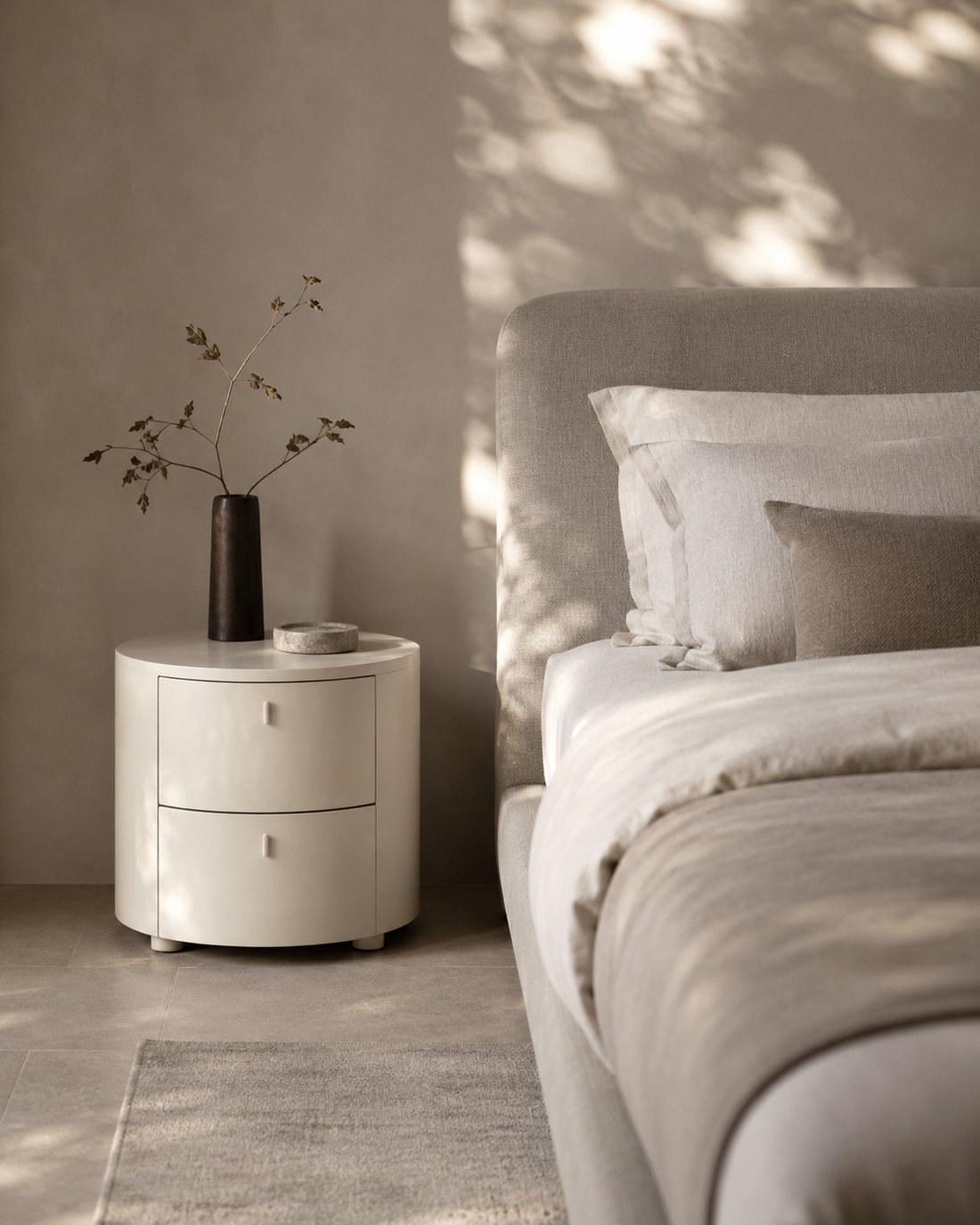 Sims Bedside Table - Matte Beige
- Regular price
-
- Regular price
-
- Sale price
-
-
Saviour Bedside Table - White Marble & Beige
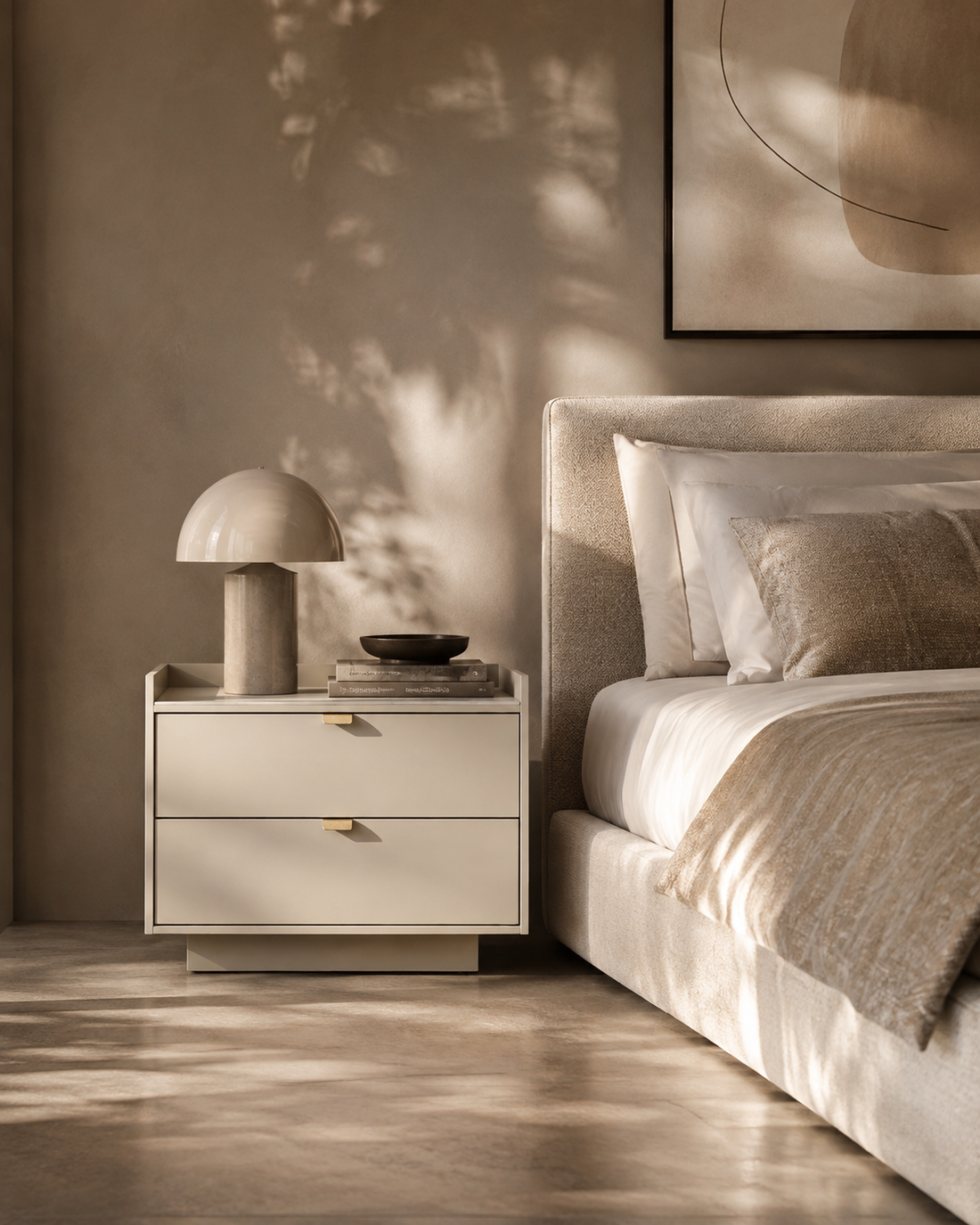 Saviour Bedside Table - White Marble & Beige
- Regular price
-
- Regular price
-
- Sale price
-
-
Dexter Bedside Table - Walnut - Pair
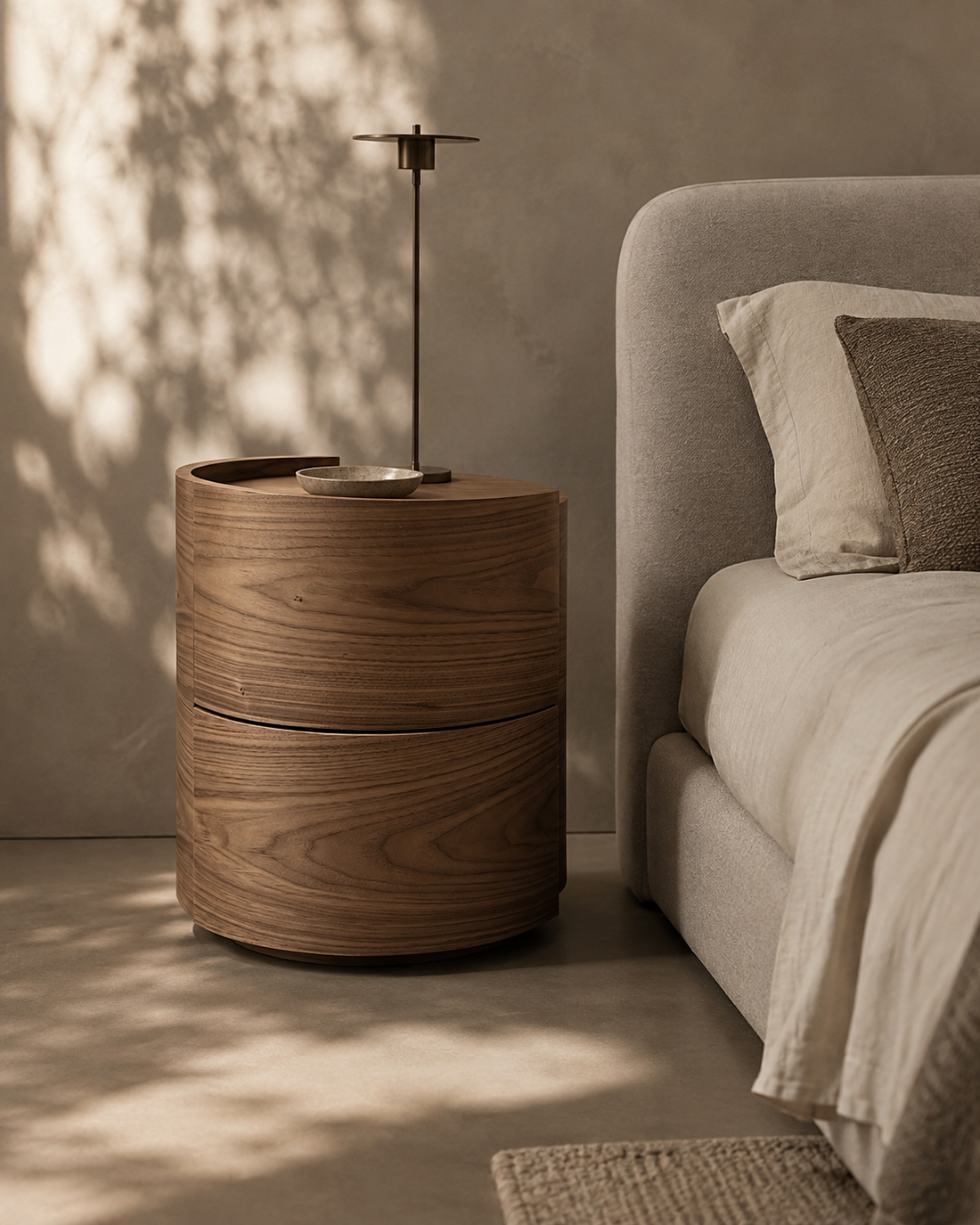 Dexter Bedside Table - Walnut - Pair
- Regular price
-
- Regular price
-
- Sale price
-
Disclaimer: All trademarks, brand names and product names mentioned on this website are the property of their respective owners. Any references are made for identification, informational or comparative purposes only, and do not imply any affiliation, endorsement, sponsorship or authorisation.