

Sculpture
A sculpture is a three-dimensional artwork created to express artistic vision, evoke emotion, or enhance interior or exterior spaces. Sculptures vary widely in scale, style, and material, ranging from classical marble figures to contemporary abstract forms, and are used by interior designers and collectors alike to bring character and sophistication to a space.
In modern interior design, sculptures are valued not only as artistic statements but also as focal points, conversation starters, and elements that introduce texture, depth, and personality into a room. They are equally at home in residential, commercial, and hospitality environments.
What Is a Sculpture Used For?
Sculptures are primarily used to enhance the visual and spatial qualities of interiors and exteriors. They serve as decorative focal points, complement furniture arrangements, and can anchor rooms by creating a strong visual hierarchy.
In homes, sculptures are often displayed on consoles, sideboards, mantelpieces, pedestals, or shelving, providing an elegant accent to living rooms, dining areas, bedrooms, or hallways. In offices or public spaces, they add sophistication and brand identity.
Interior designers employ sculptures to introduce form, proportion, and texture. Sculptural pieces can contrast soft furnishings, balance linear furniture layouts, or create rhythm in transitional spaces. They also play a functional role in guiding eye movement and defining spatial zones.
In hospitality settings, sculptures enhance ambience, reinforce thematic concepts, and contribute to memorable guest experiences. Outdoor sculptures, such as garden ornaments or freestanding pieces, bring life and artistry to landscaped areas.
Styles and Design Options
Sculptures are available in a wide variety of styles to suit different aesthetic preferences and interior schemes. Classical sculptures feature realistic or figurative representations, often carved from marble, stone, or cast bronze.
Modern and contemporary designs embrace abstraction, geometric forms, and innovative materials. These pieces may use metals, resin, glass, or mixed-media to create striking visual effects.
Minimalist sculptures focus on clean lines and subtle textures, allowing form and material to define the piece. Conversely, bold statement sculptures emphasise scale, colour, or dynamic composition.
Outdoor sculptures are often larger in scale and crafted from weather-resistant materials such as stone, bronze, or treated metal. Indoor sculptures tend to vary in size, from tabletop ornaments to full-scale freestanding works.
For interior designers and independent retailers, versatile sculptures that suit multiple décor styles are particularly valuable for enhancing both classic and contemporary interiors.
Materials and Craftsmanship
The quality of a sculpture is defined by material selection and craftsmanship. Premium sculptures use durable and high-quality materials, such as carved stone, cast bronze, resin, or glass, to ensure longevity and visual impact.
Craftsmanship is evident in precise carving, smooth finishes, and meticulous detailing. Well-executed sculptures demonstrate skillful manipulation of material, ensuring balance, proportion, and aesthetic integrity.
Surface treatments such as patinas, polishing, or protective coatings preserve the sculpture’s appearance while enhancing its character. Attention to detail in texture, edges, and base construction distinguishes premium pieces from mass-produced alternatives.
In outdoor applications, weather-resistant finishes and structural reinforcement are essential to maintain durability and appearance over time.
Choosing the Right Sculpture
Selecting a sculpture involves considering scale, style, material, and placement. The size should correspond with surrounding furniture and the overall proportions of the room.
Style should complement existing décor and create a harmonious visual narrative. Classical pieces may suit traditional interiors, while contemporary abstract forms pair well with modern or minimalist spaces.
Placement is crucial for impact. Pedestals, consoles, or dedicated display areas help highlight the sculpture without overcrowding the space. Lighting enhances its visual presence, with directional or ambient illumination accentuating textures and contours.
Material choice should balance durability, aesthetic appeal, and functional requirements. Sculptures with delicate features may require careful positioning to prevent damage, whereas robust pieces can be freestanding or outdoor-ready.
The goal is to integrate sculpture naturally into the space, ensuring it contributes to both function and visual interest.
Sculptures in Interior Design Projects
Interior designers frequently use sculptures as finishing touches to enhance residential, commercial, and hospitality projects. Sculptures define focal points, support thematic concepts, and introduce tactile and visual contrast within a room.
In residential interiors, sculptures personalise spaces and reflect the occupant’s taste, adding a sense of luxury and refinement. In commercial settings, they contribute to brand identity, creating memorable impressions for clients or visitors.
Sculptures are particularly effective in open-plan layouts, where they provide visual separation and structure without physical partitions. They are also used in staging and show homes to add aspirational and lifestyle appeal.
By combining artistry, scale, and placement, sculptures enrich interiors and elevate design sophistication.
Trade and Wholesale Positioning
For interior designers and independent retailers, sculptures represent a premium decorative category with strong aesthetic and commercial value. Customers are drawn to pieces that provide both visual impact and versatility in styling.
Retailers benefit from offering curated sculpture collections that complement furniture, lighting, and accessory ranges. Designers value suppliers who provide cohesive designs, consistent quality, and reliable stock availability for multi-room projects.
Access to UK-held stock ensures dependable lead times and efficient project delivery. Free UK delivery on all items removes logistical barriers, and no minimum order value allows trade clients to order exactly what they need.
Strong resale margins make sculptures a commercially attractive wholesale product, combining aesthetic quality with market appeal. Straightforward trade account onboarding supports professionals managing multiple projects.
Trends in Sculpture Design
Current trends in sculpture design focus on natural textures, abstract forms, and mixed materials. Organic shapes, geometric abstraction, and tactile finishes are increasingly popular for both indoor and outdoor spaces.
Metallic finishes, resin, stone, and wood combinations create visual contrast and sculptural interest. Small-scale tabletop sculptures are used for layered styling, while larger freestanding works serve as statement pieces.
Sustainability and longevity are influencing material selection, with designers prioritising durable, high-quality components over disposable décor items.
These trends emphasise the evolving role of sculptures as both functional decorative elements and expressive focal points in interior design.
Why Choose Tommy Franks?
Tommy Franks is a favourite among interior designers and independent retailers seeking premium sculptures with dependable availability. Carefully curated collections reflect refined British interior style while offering versatility across a wide range of décor schemes.
Each sculpture demonstrates premium craftsmanship and thoughtful material selection, ensuring durability and lasting visual appeal. With a vast range of UK-held stock, trade clients benefit from reliable supply and consistent lead times.
Free UK delivery on all items removes logistical complexity, while no minimum order value allows flexibility for projects of every scale. Competitive wholesale margins support strong resale performance, and trade accounts are welcome with straightforward onboarding for busy professionals.
This commitment to quality, reliability, and commercial support positions Tommy Franks as a trusted wholesale partner for sculptures within the UK interiors market.
Products
-
Sims Bedside Table - Matte Beige
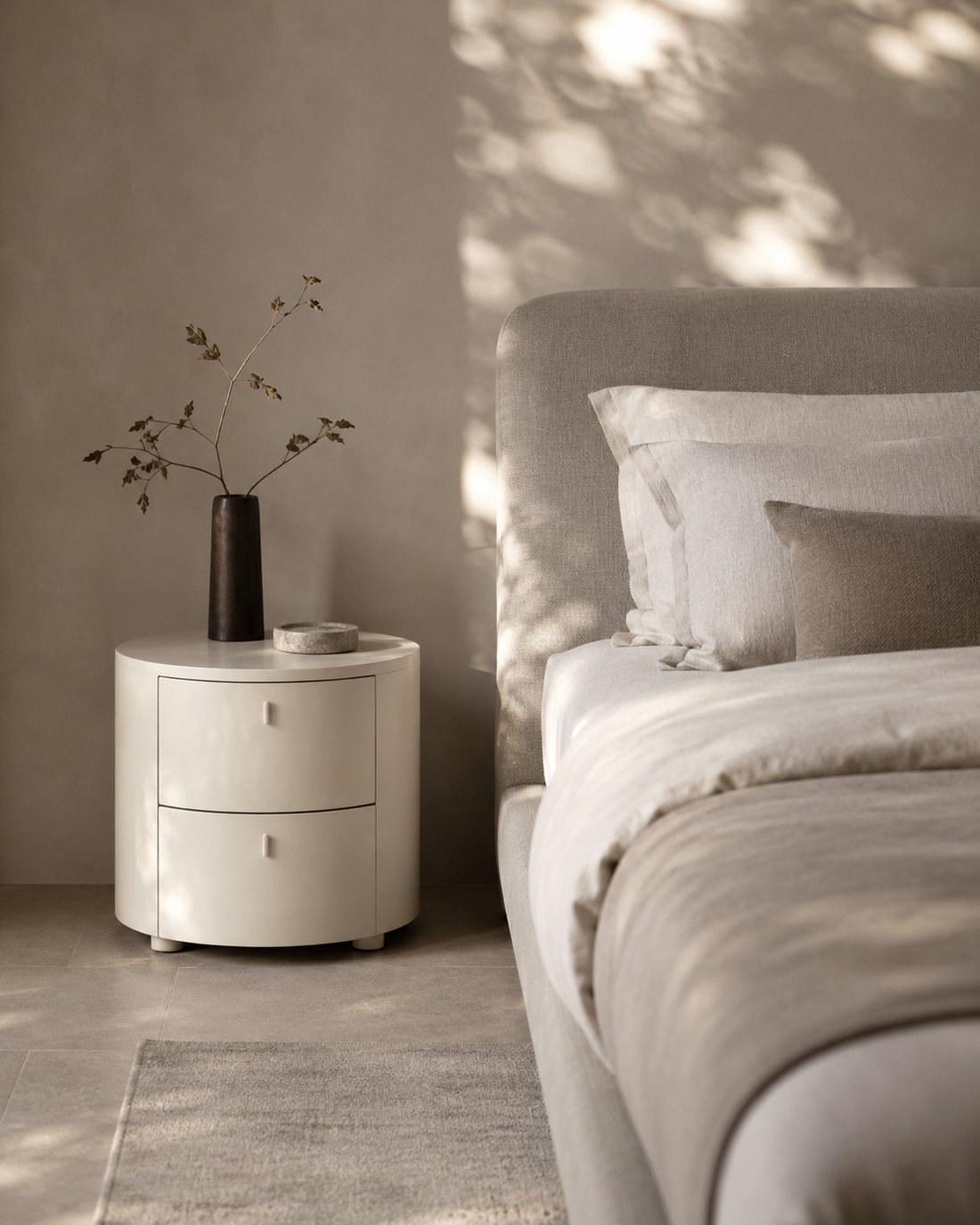 Sims Bedside Table - Matte Beige
- Regular price
-
- Regular price
-
- Sale price
-
-
Saviour Bedside Table - White Marble & Beige
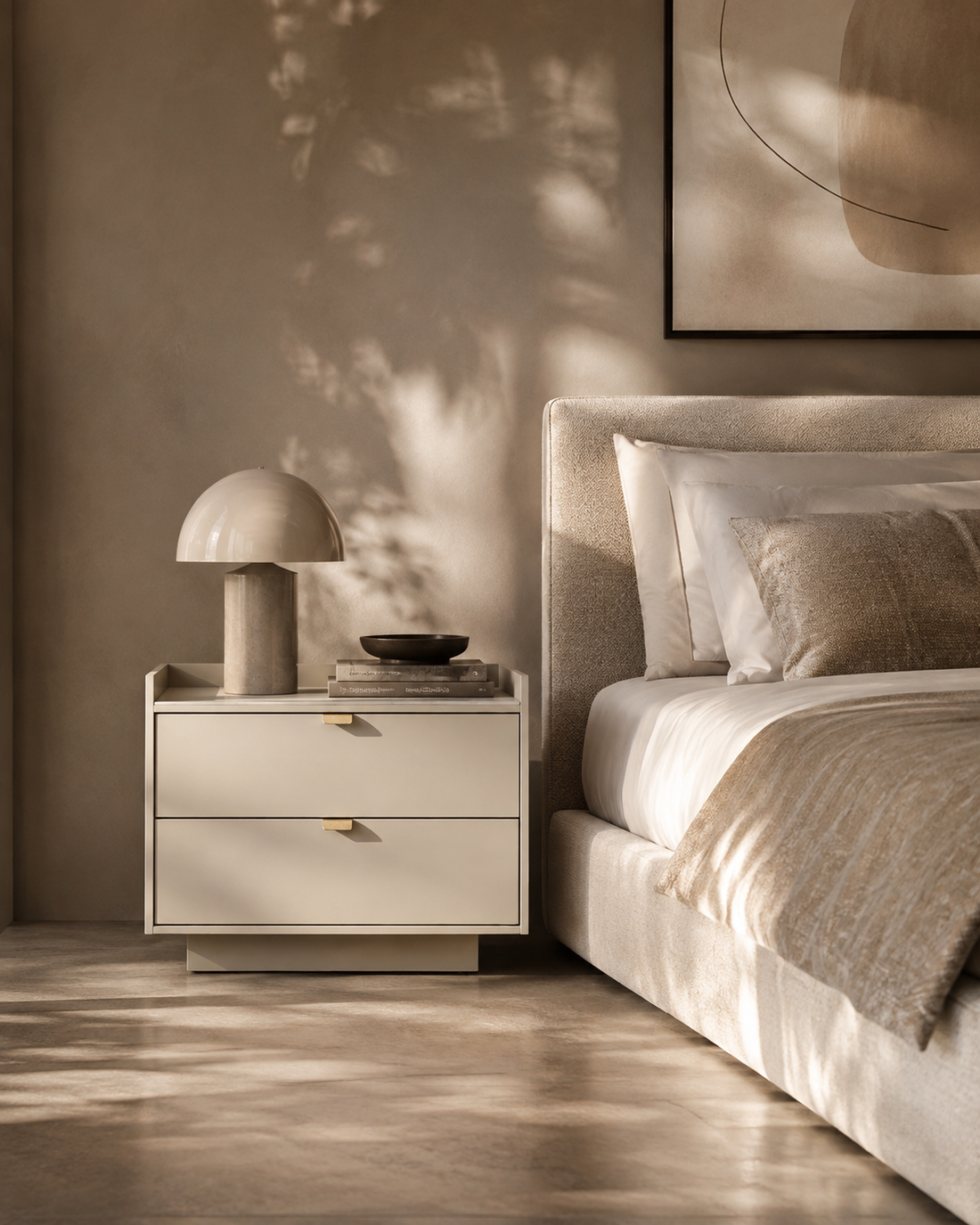 Saviour Bedside Table - White Marble & Beige
- Regular price
-
- Regular price
-
- Sale price
-
-
Dexter Bedside Table - Walnut - Pair
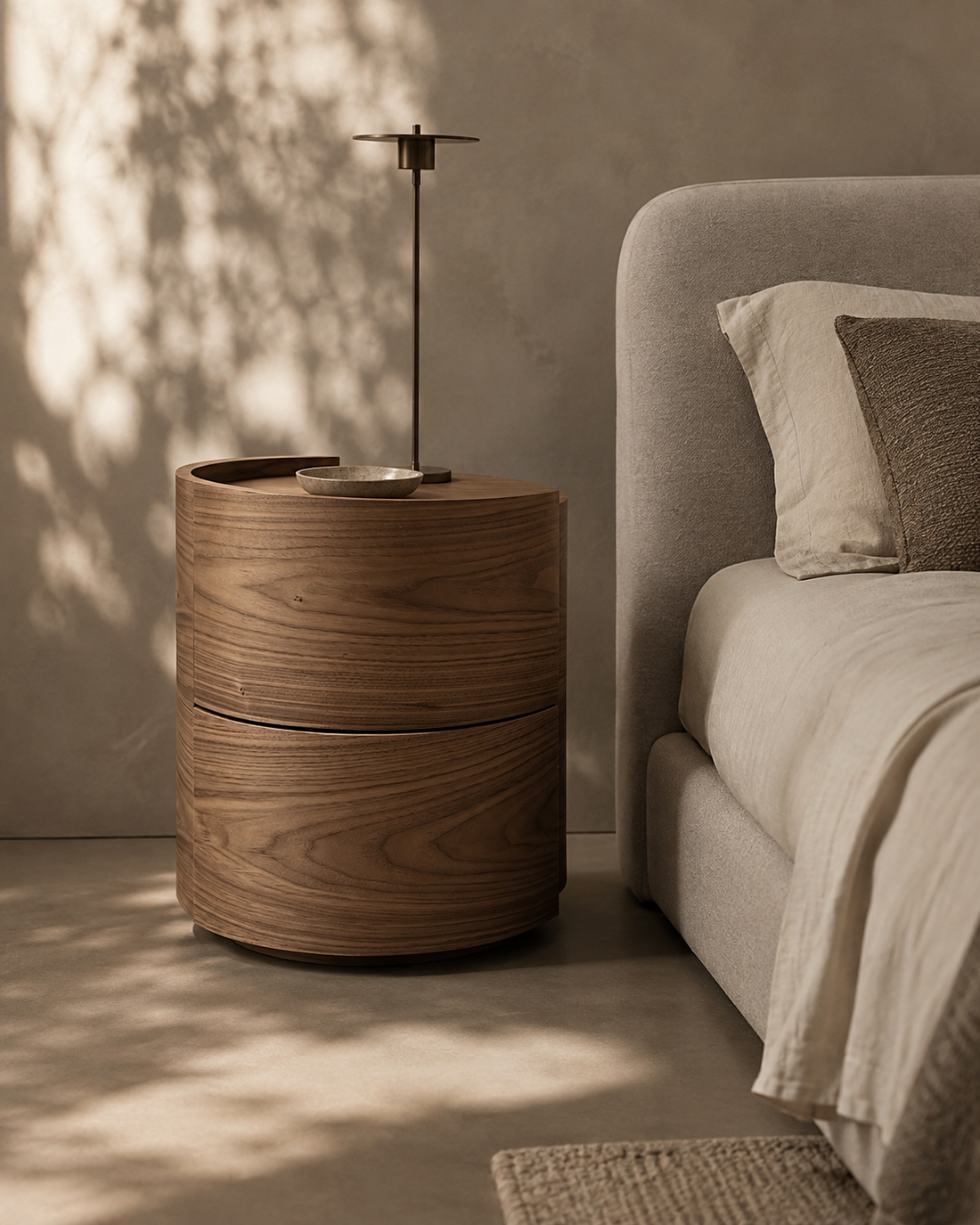 Dexter Bedside Table - Walnut - Pair
- Regular price
-
- Regular price
-
- Sale price
-
Disclaimer: All trademarks, brand names and product names mentioned on this website are the property of their respective owners. Any references are made for identification, informational or comparative purposes only, and do not imply any affiliation, endorsement, sponsorship or authorisation.