

Screen Divider
A screen divider is a freestanding or semi-fixed furnishing used to divide interior spaces while maintaining visual flow and flexibility. Designed to create separation without permanent construction, a screen divider provides both functional zoning and decorative impact, making it a valuable element in residential, hospitality and commercial interiors.
Often referred to as a room screen or folding screen, this piece allows designers and homeowners to define areas within open-plan layouts while preserving light and openness. From hallways and living rooms to boutique retail and hotel environments, a screen divider introduces structure, privacy and visual interest.
What Is a Screen Divider Used For?
A screen divider is primarily used to segment space without the need for walls or structural alterations. In open-plan homes, it can separate dining and living areas or create a private reading nook. In bedrooms, it can be positioned to conceal dressing areas or storage, offering both discretion and decorative appeal.
In commercial and hospitality settings, screen dividers are frequently used to guide movement, define waiting areas or create intimate zones within larger rooms. Their portability makes them especially practical for evolving layouts where flexibility is essential.
Unlike fixed partitions, a screen divider can be moved or repositioned easily, allowing interiors to adapt to seasonal styling or changing functional needs. This adaptability makes it an attractive option for designers working across both residential and professional projects.
Styles and Materials of Screen Dividers
Screen dividers are available in a wide variety of styles and finishes, allowing them to integrate seamlessly into different interior schemes.
Wooden screen dividers bring warmth and texture, particularly when crafted from oak, ash or stained timber. Metal-framed designs introduce a more architectural feel, often combined with glass, fabric or woven panels for contrast. Natural materials such as rattan and cane are increasingly popular for their organic character and light visual presence.
In contemporary interiors, minimal frames with neutral tones support clean, understated layouts. More decorative screen dividers may feature carved detailing, geometric patterns or textured surfaces, turning the piece into a focal point rather than a background element.
For interior designers and independent retailers, versatility is key. A well-designed screen divider should complement both modern and traditional spaces while offering practical functionality alongside aesthetic appeal.
Choosing the Right Screen Divider for a Space
Selecting the appropriate screen divider depends on proportion, material and intended use. Height is a critical consideration. Taller designs offer greater privacy and spatial definition, while lower dividers provide subtle zoning without fully obscuring views or light.
Width and panel configuration also influence placement. Folding screens with multiple panels allow greater flexibility, while single-panel dividers suit more permanent positions. Stability is essential, particularly in high-traffic environments, where robust construction and balanced frames ensure long-term performance.
Material durability should align with the setting. Residential spaces may prioritise texture and finish, while commercial environments require resilience and ease of maintenance. Premium craftsmanship ensures the divider retains both its structure and appearance over time.
A screen divider should also be considered alongside surrounding furniture and finishes. Coordinating tones and materials helps create cohesion and visual harmony across the space.
Screen Dividers in Trade and Retail Interiors
For trade professionals, screen dividers offer a dependable category with broad application. Interior designers value them for their ability to define space without permanent alterations, making them ideal for rental properties, show homes and hospitality projects.
Retailers benefit from stocking screen dividers because they appeal to both practical and design-conscious customers. Their decorative potential allows them to be styled with lighting, plants or furniture to create aspirational in-store displays.
Access to UK-held stock is particularly important for trade clients working to project deadlines. Reliable supply supports consistent availability across installations, while free UK delivery on all items simplifies logistics and reduces overheads. No minimum order value provides flexibility for smaller studios and independent retailers to purchase according to project scale.
Strong resale margins make screen dividers commercially attractive, especially when included within coordinated furniture and accessory collections.
Design and Styling Considerations
When incorporating a screen divider into an interior scheme, scale and placement should guide the selection. In larger spaces, a more substantial divider can establish presence and structure. In compact rooms, lighter materials and open designs prevent the divider from feeling intrusive.
Colour and texture play a significant role in visual integration. Neutral finishes support calm, cohesive schemes, while darker or more decorative dividers create contrast and character. In high-end interiors, subtle detailing such as hand-finished frames or woven panels distinguishes premium pieces from mass-produced alternatives.
Lighting can also enhance the impact of a screen divider. Placing it near natural light sources or pairing it with floor lamps can highlight its form and surface detail, turning a practical element into a design feature.
For trade environments, offering a curated selection of screen dividers across multiple styles ensures broad appeal while maintaining consistency in quality and design language.
Sustainability and Natural Materials
Many modern screen dividers are crafted using natural or responsibly sourced materials, reflecting a growing preference for organic textures within interiors. Timber, rattan and woven fibres introduce warmth and tactility while aligning with more sustainable design approaches.
A well-constructed screen divider is designed for longevity, reducing the need for frequent replacement and supporting more conscious purchasing decisions. For designers and retailers, this reinforces brand positioning around quality and responsible sourcing.
Why Choose Tommy Franks?
Tommy Franks is a favourite among interior designers and independent retailers seeking distinctive furnishings with dependable availability. Carefully curated collections reflect refined British interiors, combining contemporary design with timeless materials.
Each screen divider is produced with premium craftsmanship and attention to detail, ensuring both durability and visual appeal. With a vast range of UK-held stock, trade clients benefit from reliable supply and consistent quality across projects.
Free UK delivery on all items simplifies procurement, while no minimum order value allows flexibility for projects of every size. Competitive wholesale margins support strong resale performance, making Tommy Franks a trusted wholesale partner for retailers and designers alike. Trade accounts are welcome, with straightforward onboarding designed to support professionals working across residential and commercial interiors.
Products
-
Sims Bedside Table - Matte Beige
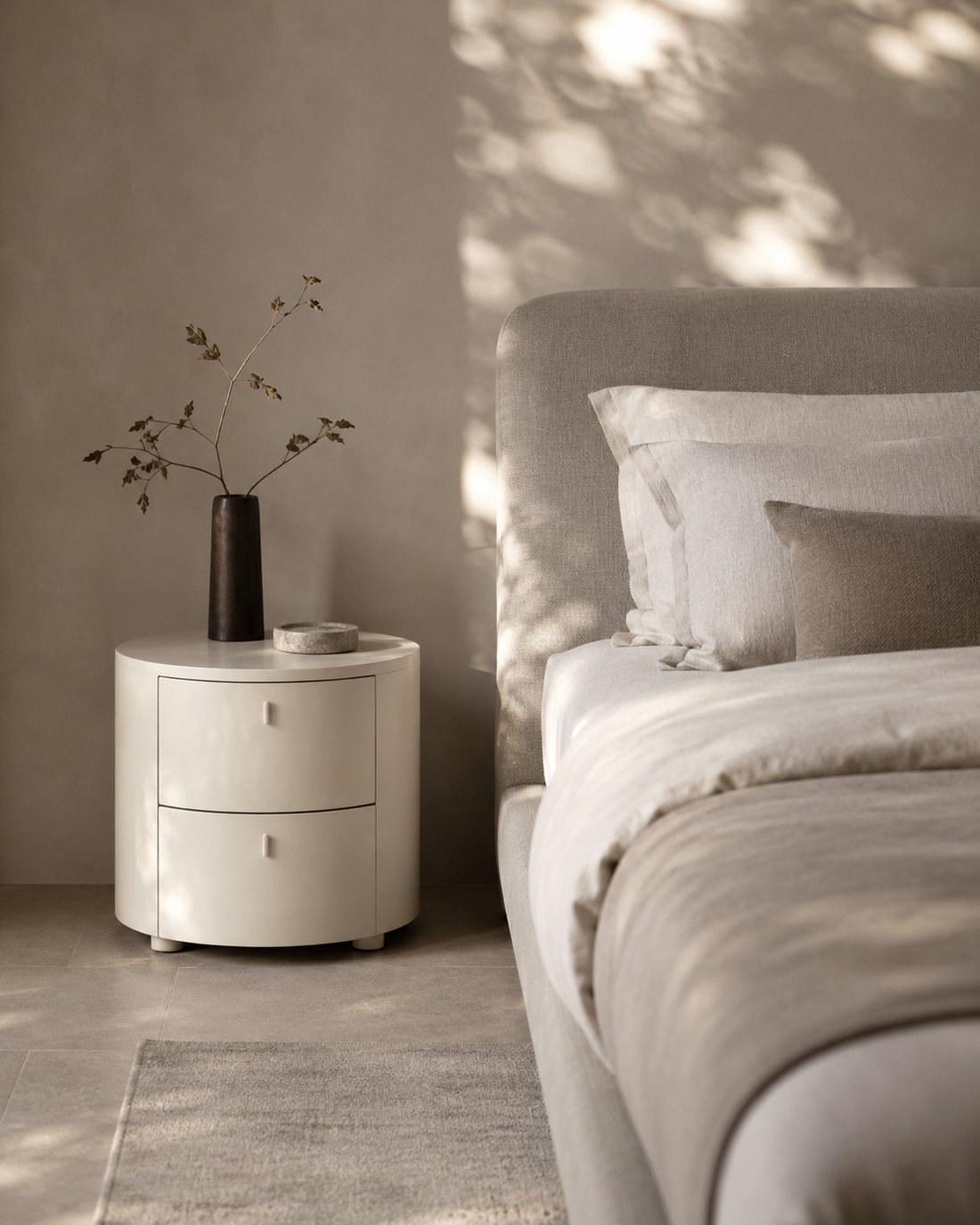 Sims Bedside Table - Matte Beige
- Regular price
-
- Regular price
-
- Sale price
-
-
Saviour Bedside Table - White Marble & Beige
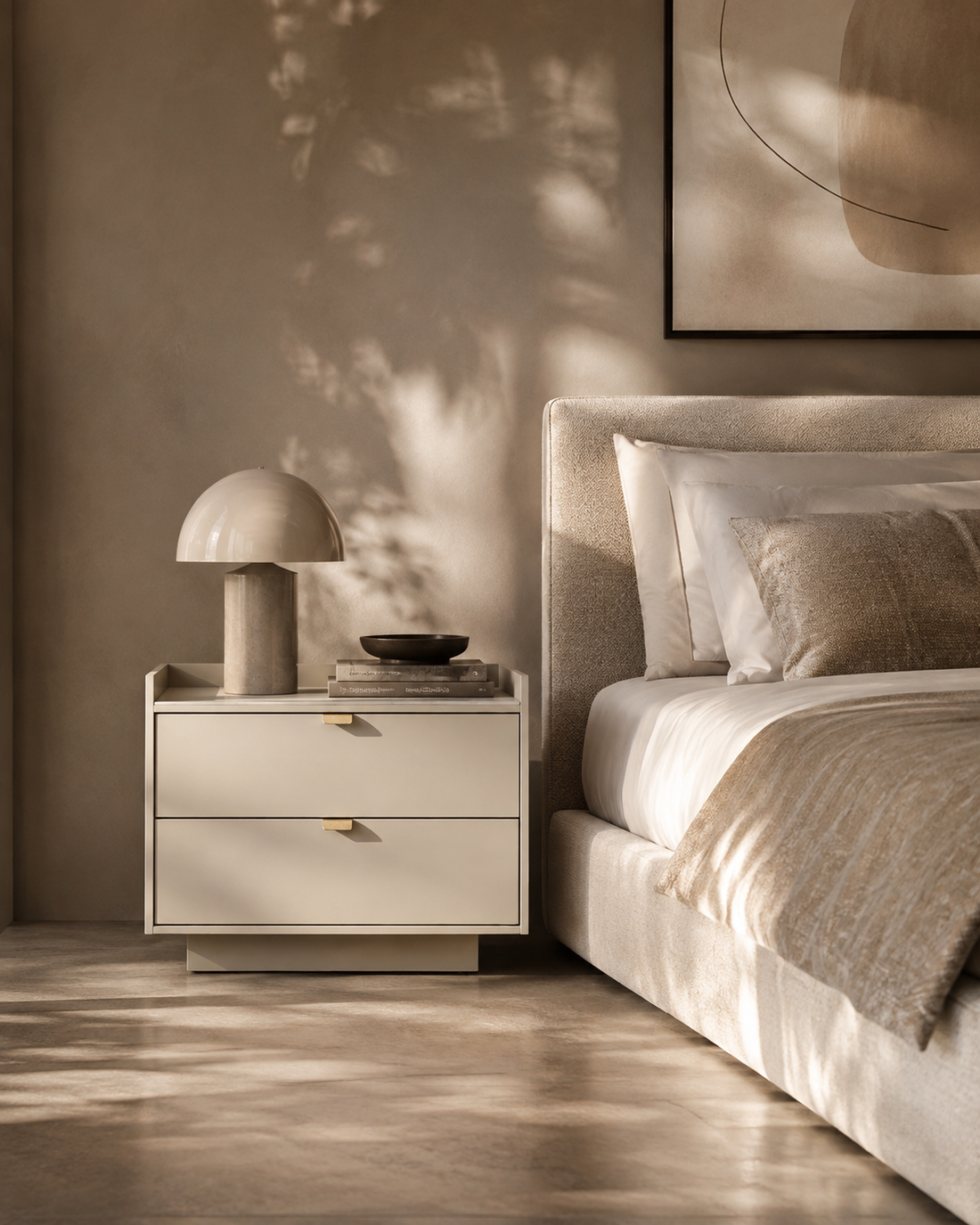 Saviour Bedside Table - White Marble & Beige
- Regular price
-
- Regular price
-
- Sale price
-
-
Dexter Bedside Table - Walnut - Pair
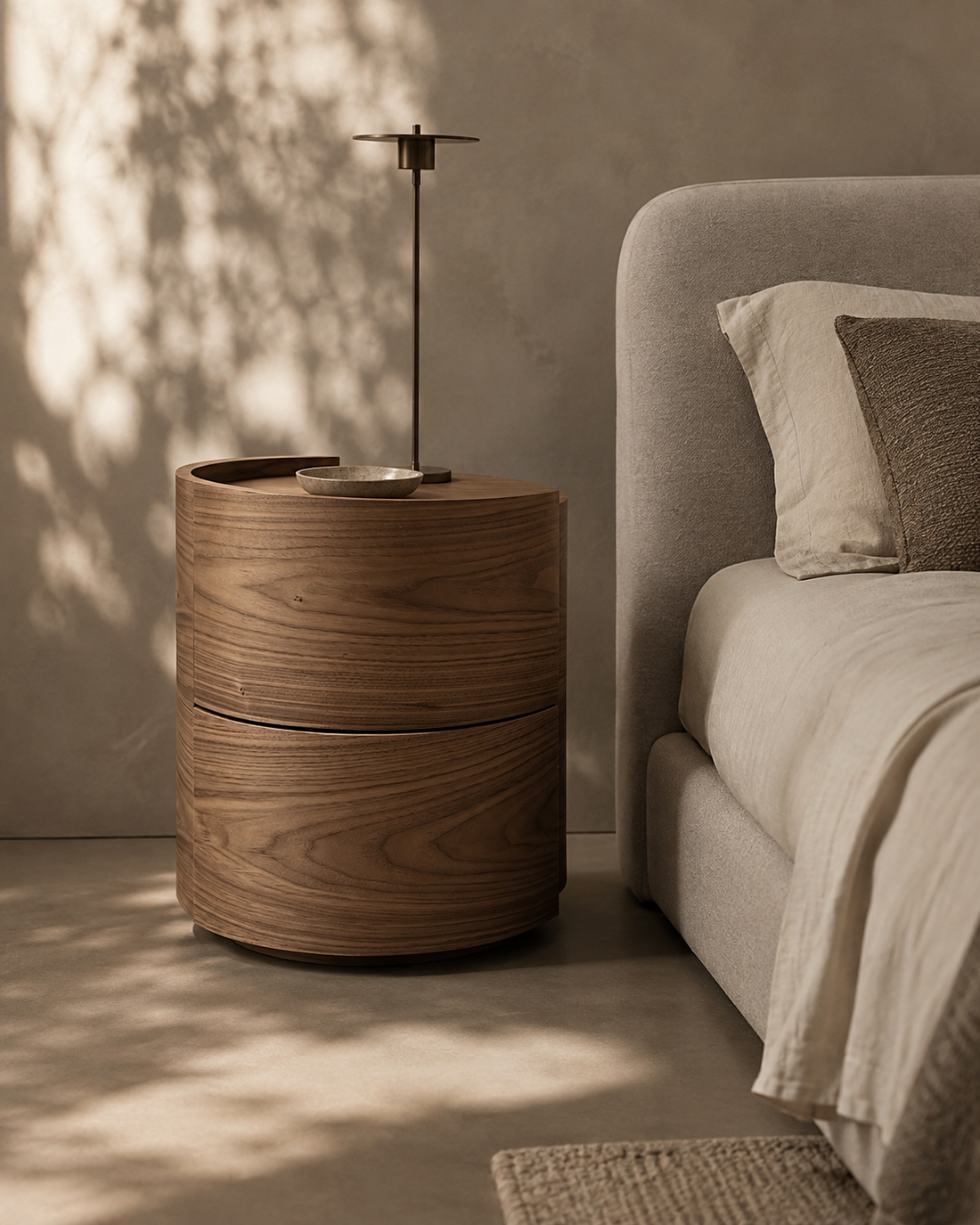 Dexter Bedside Table - Walnut - Pair
- Regular price
-
- Regular price
-
- Sale price
-
Disclaimer: All trademarks, brand names and product names mentioned on this website are the property of their respective owners. Any references are made for identification, informational or comparative purposes only, and do not imply any affiliation, endorsement, sponsorship or authorisation.