

Screens For Dividing Rooms
Screens for dividing rooms are versatile interior furniture pieces designed to create separation within open or shared spaces without the need for permanent walls. They offer an elegant and practical way to define zones for living, working or relaxing while maintaining light flow and visual balance.
Widely used in UK homes, show homes and hospitality interiors, screens for dividing rooms provide flexibility, privacy and decorative value, making them an essential solution for modern spatial planning.
What Are Screens for Dividing Rooms Used For?
Screens for dividing rooms are used to separate areas within a single space while preserving an open and adaptable layout. They allow interiors to be organised into functional zones such as living and dining areas, home offices, dressing spaces or reading corners.
In residential interiors, they offer privacy without structural alteration, making them ideal for rented properties or evolving family homes. In open-plan layouts, screens help create visual boundaries while maintaining natural light and circulation.
Interior designers frequently specify screens for dividing rooms in boutique hotels, serviced apartments and retail environments where layout flexibility and aesthetic consistency are required. Their ability to combine function with design makes them valuable in both commercial and residential settings.
Types of Screens for Dividing Rooms
Screens for dividing rooms are available in a wide range of styles and formats to suit different interiors and practical needs. Freestanding folding screens remain one of the most popular options due to their portability and ease of repositioning.
Panel screens provide a more structured and architectural look, often used in larger interiors where stronger visual separation is required. Shelving-style screens combine storage with division, making them ideal for living rooms and studio spaces.
Glass and metal screens are favoured in contemporary interiors for their ability to maintain light flow while creating distinct zones. Wooden and fabric screens introduce warmth and texture, making them suitable for traditional and transitional schemes.
This variety allows designers and retailers to offer solutions for compact homes, open-plan apartments and hospitality environments alike.
Materials and Craftsmanship
The quality of screens for dividing rooms depends heavily on materials and construction. Common materials include wood, metal, glass and woven or fabric panels, each offering different visual and functional benefits.
Wooden screens bring warmth and character, while metal frames introduce a clean, modern aesthetic. Glass panels allow light to pass through, maintaining openness while still defining space. Fabric and woven designs can improve acoustics and add softness to interiors.
Premium craftsmanship ensures stability, balanced proportions and durability. Well-made screens remain secure when repositioned and maintain their finish over time, even in high-traffic environments such as hotels or show homes.
For interior designers and independent retailers, dependable construction is essential to ensure long-term performance and customer satisfaction.
Design Styles for Screens for Dividing Rooms
Screens for dividing rooms are available in a wide range of design styles, from minimal contemporary forms to decorative traditional pieces. Modern interiors often favour slim metal frames with neutral finishes and clean lines.
Classic and transitional interiors may use carved wood or panelled designs that echo architectural features. Decorative screens with patterns or sculptural elements can serve as focal points within a room while still performing a functional role.
Neutral finishes provide flexibility across design schemes, while darker or metallic tones create contrast and visual definition. Designers often use screens to introduce texture and rhythm into open spaces without overwhelming the layout.
Their adaptability makes them suitable for both subtle zoning and bold visual statements.
Practical Benefits of Screens for Dividing Rooms
One of the main advantages of screens for dividing rooms is flexibility. They allow spaces to be reconfigured easily without permanent building work, making them ideal for changing layouts and multi-purpose rooms.
They also provide privacy while maintaining openness, helping to balance comfort with visual flow. This makes them particularly useful in apartments, home offices and shared living environments.
Screens support organisation by defining clear zones within larger spaces, reducing visual clutter and improving usability. In commercial interiors, they improve traffic flow and enhance layout planning without compromising design integrity.
Their portability allows them to be repositioned as needed, offering long-term value for both homeowners and professional designers.
Choosing the Right Screens for Dividing Rooms
Selecting the right screens for dividing rooms involves considering scale, material and purpose. In smaller spaces, slim-profile screens preserve openness and avoid visual heaviness. In larger interiors, taller or more substantial screens provide stronger definition.
Material choice should complement existing furniture and finishes. Glass and metal work well in contemporary spaces, while wood and fabric suit warmer or more traditional interiors.
Height and transparency should align with functional needs. Partial-height screens allow light to pass through, while taller designs increase privacy.
Designers also consider how screens integrate with lighting, flooring and surrounding furniture to ensure a cohesive and balanced interior scheme.
Screens for Dividing Rooms in Trade and Wholesale Projects
For interior designers and independent retailers, screens for dividing rooms are a highly versatile and commercially valuable furniture category. Their wide application makes them suitable for homes, offices, hospitality interiors and retail spaces.
Retailers benefit from stocking screens because they appeal to customers seeking practical yet design-led solutions for space planning. Designers value them for their adaptability and ability to meet client needs without structural alterations.
Trade professionals depend on consistent availability and efficient logistics. Access to UK-held stock ensures projects stay on schedule, while free UK delivery on all items simplifies procurement and reduces operational complexity.
No minimum order value allows designers and smaller retailers to source flexibly, whether furnishing a single room or multiple properties. Strong resale margins make screens for dividing rooms commercially attractive across a range of budgets.
Styling and Layout Considerations
Styling screens for dividing rooms requires a balance between function and aesthetics. Placement should define zones while maintaining circulation and sightlines.
Designers often use plants, lighting or decorative objects near screens to soften transitions between spaces. Shelving-style screens can be styled with books and accessories without overwhelming the structure.
Colour and finish should complement surrounding furniture and architectural elements. Metallic finishes can echo lighting fixtures, while wooden screens add warmth and continuity.
Proportion and spacing are essential to ensure screens feel integrated rather than intrusive within the room layout.
Why Choose Tommy Franks?
Tommy Franks is a favourite among interior designers and independent retailers seeking premium furniture with dependable service and consistent availability. Carefully curated collections include screens for dividing rooms that balance contemporary design with timeless appeal.
Each piece reflects premium craftsmanship, with close attention to materials and construction quality. A vast range of UK-held stock allows trade clients to source confidently and meet project timelines without unnecessary delays.
Free UK delivery on all items simplifies logistics, while no minimum order value provides flexibility for designers and retailers of every scale. Competitive wholesale margins support strong resale performance, making Tommy Franks a trusted partner for residential and commercial interior projects. Trade accounts are welcome, with straightforward onboarding designed to support professionals efficiently and reliably.
Products
-
Sims Bedside Table - Matte Beige
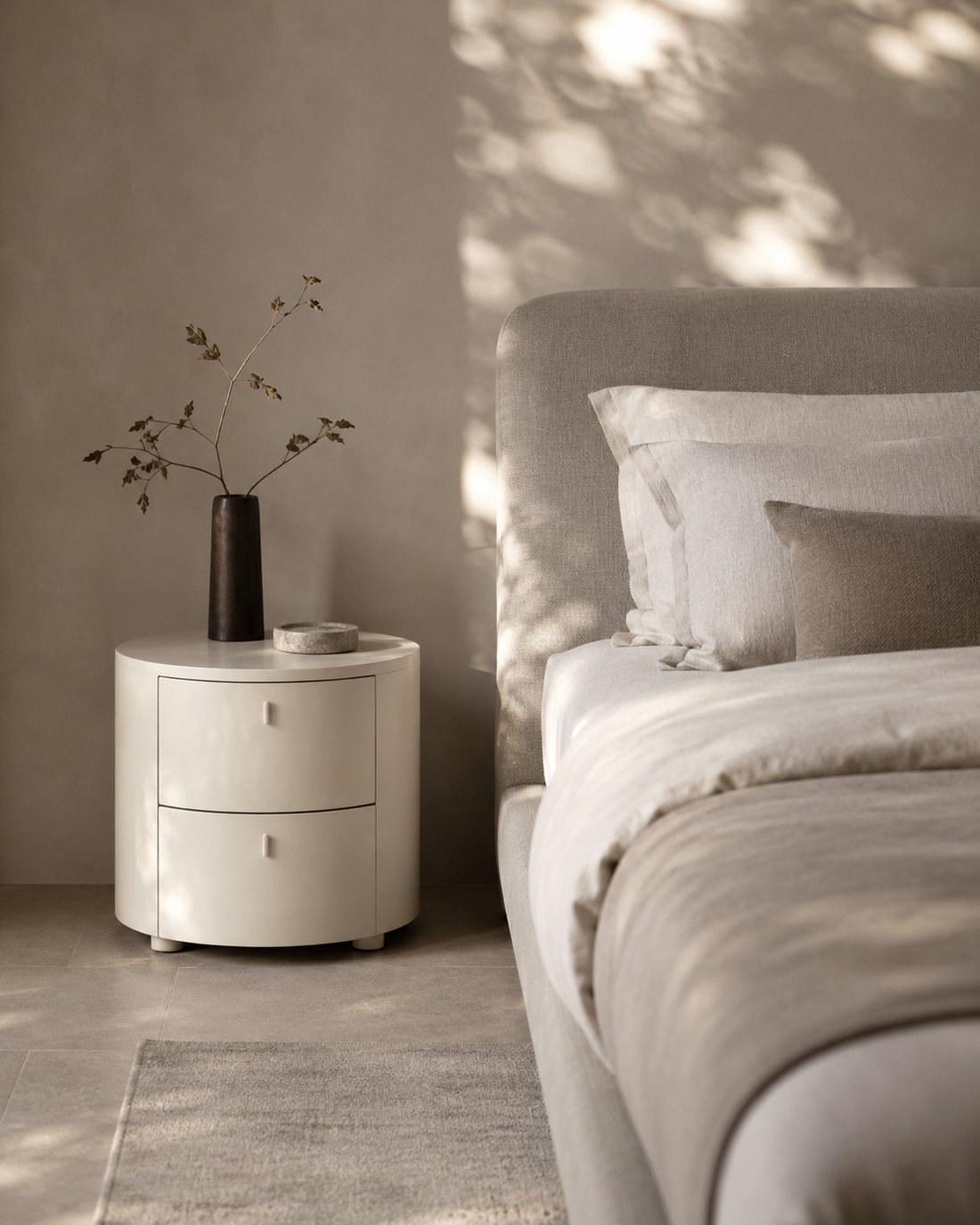 Sims Bedside Table - Matte Beige
- Regular price
-
- Regular price
-
- Sale price
-
-
Saviour Bedside Table - White Marble & Beige
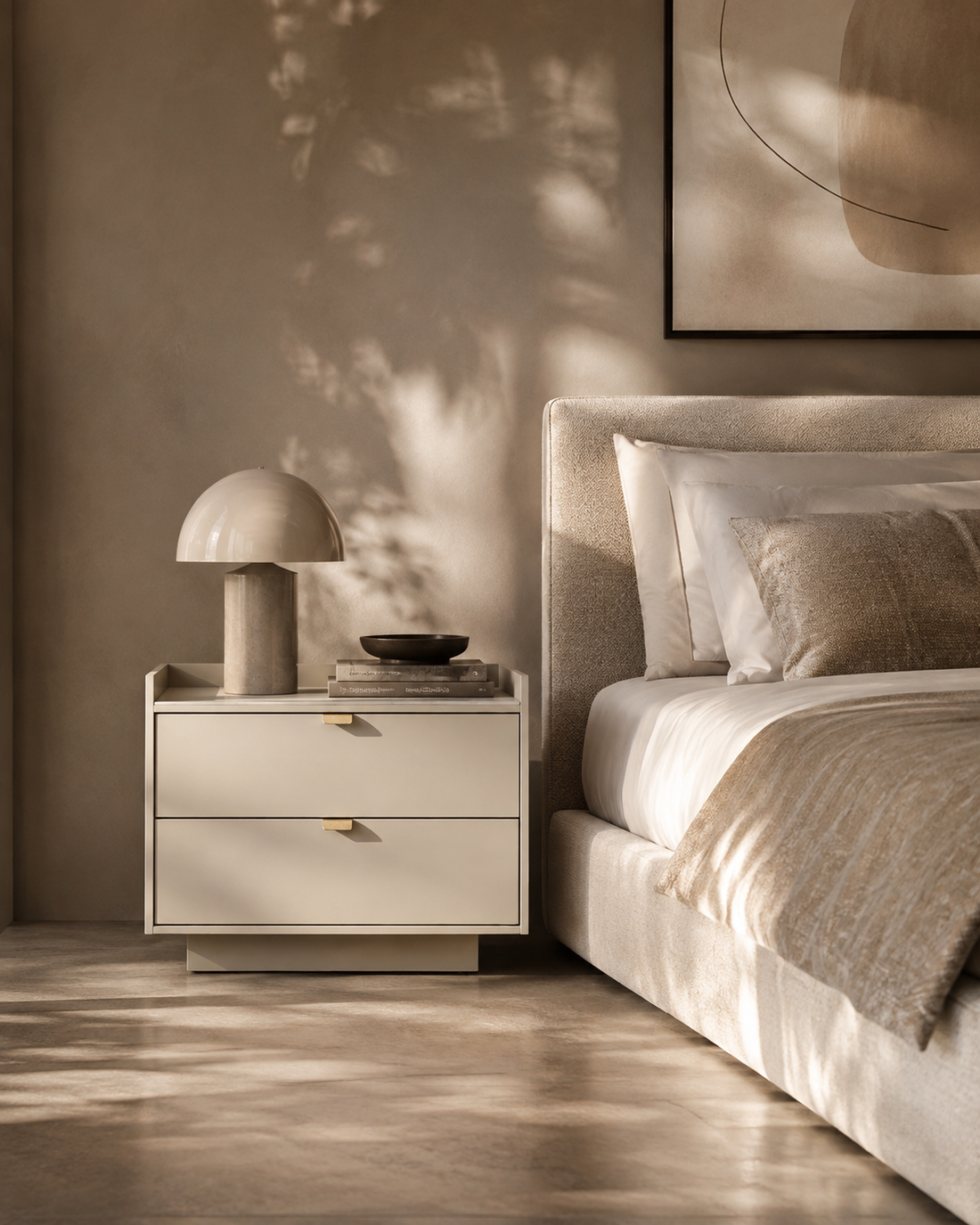 Saviour Bedside Table - White Marble & Beige
- Regular price
-
- Regular price
-
- Sale price
-
-
Dexter Bedside Table - Walnut - Pair
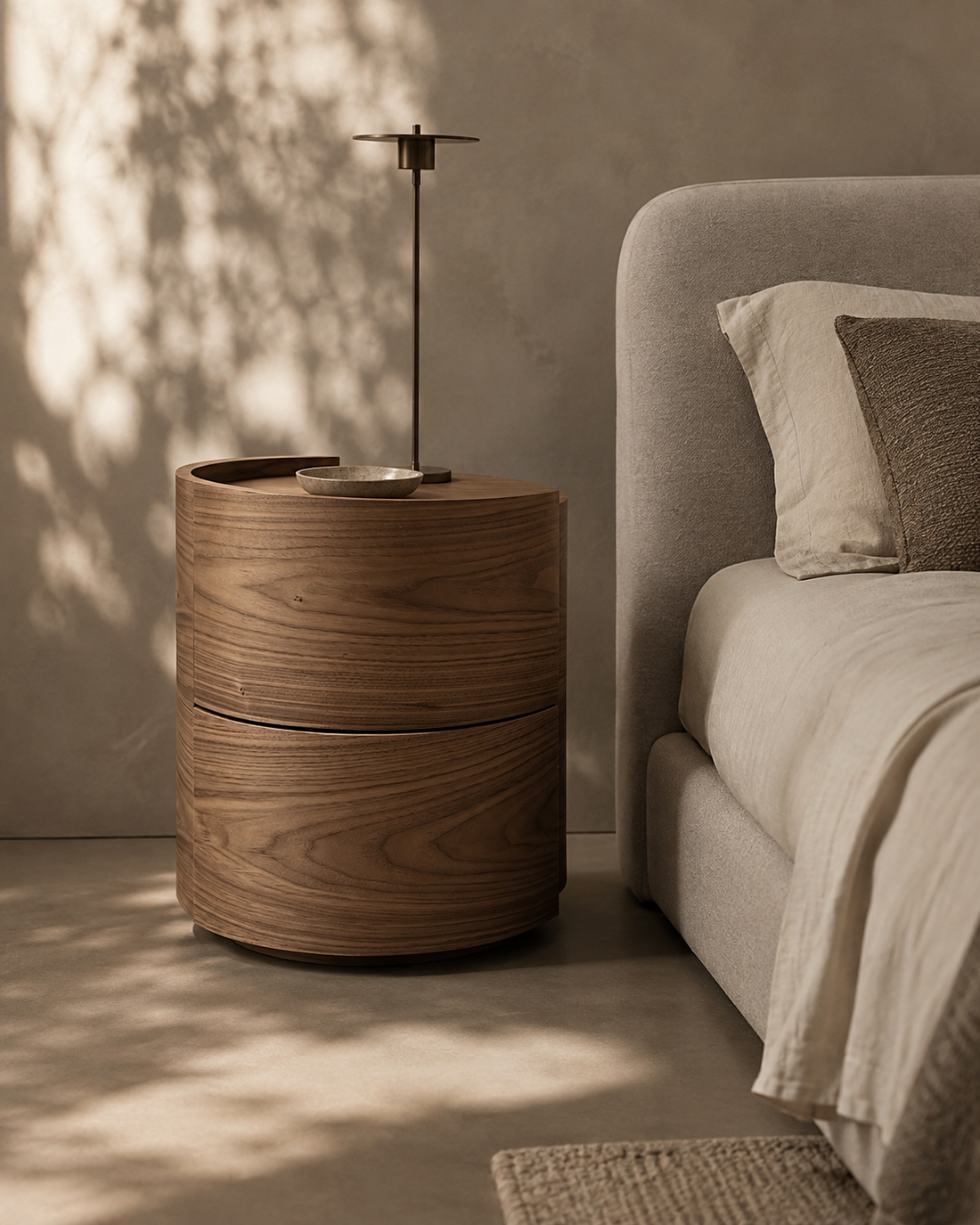 Dexter Bedside Table - Walnut - Pair
- Regular price
-
- Regular price
-
- Sale price
-
Disclaimer: All trademarks, brand names and product names mentioned on this website are the property of their respective owners. Any references are made for identification, informational or comparative purposes only, and do not imply any affiliation, endorsement, sponsorship or authorisation.