

Lighting
Lighting refers to the use of lamps, fixtures and illumination systems to enhance visibility, atmosphere and design within an interior space. It plays a vital role in shaping how a room looks and feels, influencing mood, functionality and visual balance. From ambient ceiling lights to decorative table lamps and statement pendants, lighting is a defining element of both residential and commercial interiors.
Well-considered lighting supports everyday living while elevating the aesthetic of a space. It highlights architectural features, enhances colour and texture, and creates layered depth that furniture alone cannot achieve.
What Is Lighting Used For?
Lighting serves both practical and decorative purposes. At its most functional level, it provides illumination for daily tasks such as dining, working and relaxing. At a design level, it creates atmosphere and defines zones within a room.
In living rooms, lighting is used to establish warmth and comfort through a mix of floor lamps, table lamps and overhead fixtures. In kitchens and dining areas, it focuses on clarity and balance, combining task lighting with softer ambient sources. Bedrooms rely on gentle, diffused lighting to promote rest and relaxation.
In commercial interiors such as hotels, restaurants and retail spaces, lighting shapes customer experience and brand identity. It directs attention, enhances displays and contributes to the overall ambience of a space.
Interior designers use lighting strategically to control how a room is perceived, making spaces feel larger, more intimate or more dramatic depending on the design intent.
Types of Lighting
Lighting can be divided into three main categories: ambient, task and accent lighting.
Ambient lighting provides general illumination for a room and is usually delivered through ceiling fixtures, pendants or wall-mounted lights. Task lighting focuses on specific activities, such as reading, cooking or working, and is typically provided by desk lamps, under-cabinet lights or adjustable wall lights.
Accent lighting highlights features such as artwork, shelving or architectural details. This type of lighting adds depth and visual interest, preventing interiors from appearing flat or uniform.
A well-designed scheme blends all three types to create layered lighting that is both functional and visually engaging.
Materials and Design Styles
Lighting designs vary widely in material and style, allowing them to complement diverse interior schemes. Metal finishes such as brushed brass, blackened steel and chrome introduce structure and contrast. Glass shades soften light and add elegance, while fabric shades create warmth and diffusion.
Wood and ceramic bases offer natural texture and suit relaxed or contemporary interiors. Sculptural forms and mixed materials are increasingly popular for statement lighting pieces that act as focal points even when switched off.
Styles range from minimalist and modern to classic and decorative. Neutral tones remain versatile, while darker finishes and textured surfaces add character and depth to lighting designs.
For interior designers and independent retailers, flexibility across styles ensures lighting can be specified for a wide range of projects and customer preferences.
Choosing the Right Lighting
Selecting the right lighting requires consideration of scale, placement and purpose. Large rooms benefit from statement fixtures or multiple light sources to maintain balance. Smaller spaces need compact designs that provide sufficient illumination without overwhelming the room.
Brightness and tone are equally important. Warm lighting creates a welcoming atmosphere, while cooler lighting supports clarity and focus. Dimmable options allow spaces to adapt to different times of day and uses.
Proportion is key. Lighting should complement surrounding furniture and architecture rather than dominate it. Designers often use lighting to reinforce symmetry or introduce contrast within a layout.
The goal is to achieve harmony between function and style, ensuring lighting enhances both usability and visual appeal.
Lighting in Interior Design Projects
Interior designers consider lighting from the earliest stages of a project because it affects every other design decision. It interacts with colour, texture and material, influencing how finishes appear in different conditions.
In residential projects, lighting is used to create comfort and individuality. In hospitality and retail environments, it supports atmosphere and customer flow. In show homes and staged properties, lighting is essential for presenting spaces at their best.
Lighting also offers one of the most effective ways to refresh an interior without major renovation. Changing fixtures or introducing new lamps can transform a space quickly and cost-effectively.
Designers value lighting collections that offer consistency across ranges, enabling cohesive schemes throughout an entire property.
Trade and Wholesale Positioning
For interior designers and independent retailers, lighting represents a high-demand category with strong commercial value. Customers regularly seek lighting solutions that balance practicality with design impact.
Retailers benefit from offering curated lighting collections that suit a broad range of interiors. Designers require reliable suppliers who can provide consistent stock and dependable delivery for project timelines.
Access to UK-held stock ensures reduced lead times and reliable fulfilment. Free UK delivery on all items simplifies logistics, while no minimum order value allows professionals to order flexibly according to project size.
Strong resale margins make lighting an attractive wholesale category, particularly when combined with timeless design and premium craftsmanship.
Trends in Lighting Design
Current trends in lighting focus on sculptural forms, natural materials and soft silhouettes. Curved shapes and textured glass are increasingly popular for adding visual interest without overpowering a space.
There is also growing demand for layered lighting schemes that combine multiple sources rather than relying on a single ceiling fixture. Sustainability is influencing material selection and manufacturing processes, with greater emphasis on long-lasting construction and responsible sourcing.
These trends reflect a preference for lighting that enhances wellbeing while maintaining refined aesthetics.
Why Choose Tommy Franks?
Tommy Franks is a favourite among interior designers and independent retailers seeking premium lighting with dependable availability. Carefully curated collections reflect contemporary British interior style, combining elegance with everyday practicality.
Each lighting piece demonstrates premium craftsmanship and thoughtful material selection, ensuring durability and lasting visual appeal. With a vast range of UK-held stock, trade clients benefit from reliable lead times and consistent supply.
Free UK delivery on all items removes logistical complexity, while no minimum order value allows flexibility for projects of every scale. Competitive wholesale margins support strong resale performance, and trade accounts are welcome with straightforward onboarding for busy professionals.
This combination of refined design, reliable supply and commercial support positions Tommy Franks as a trusted wholesale partner for lighting within the UK interiors market.
Products
-
Sims Bedside Table - Matte Beige
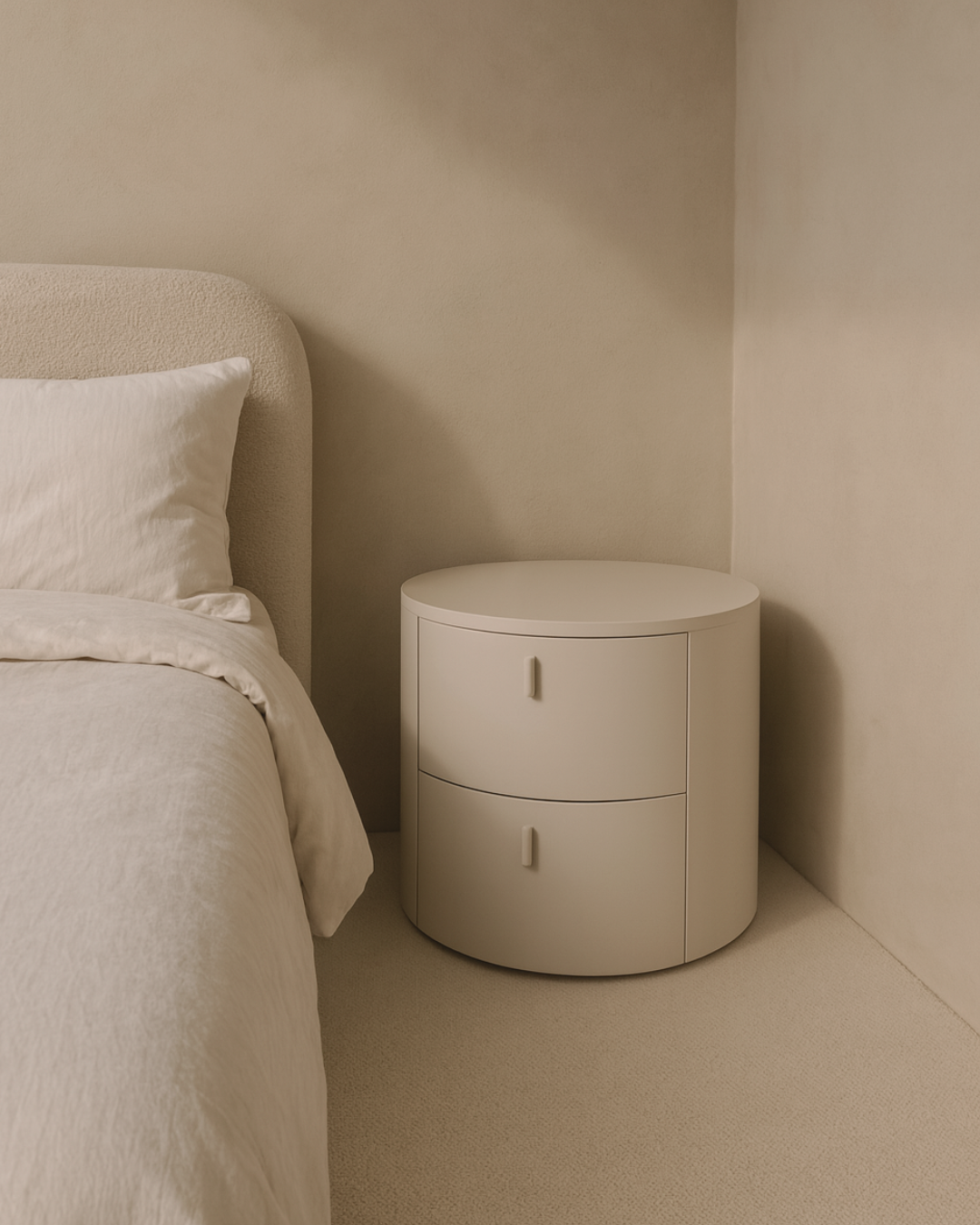 Sims Bedside Table - Matte Beige
- Regular price
-
- Regular price
-
- Sale price
-
-
Saviour Bedside Table - White Marble & Beige
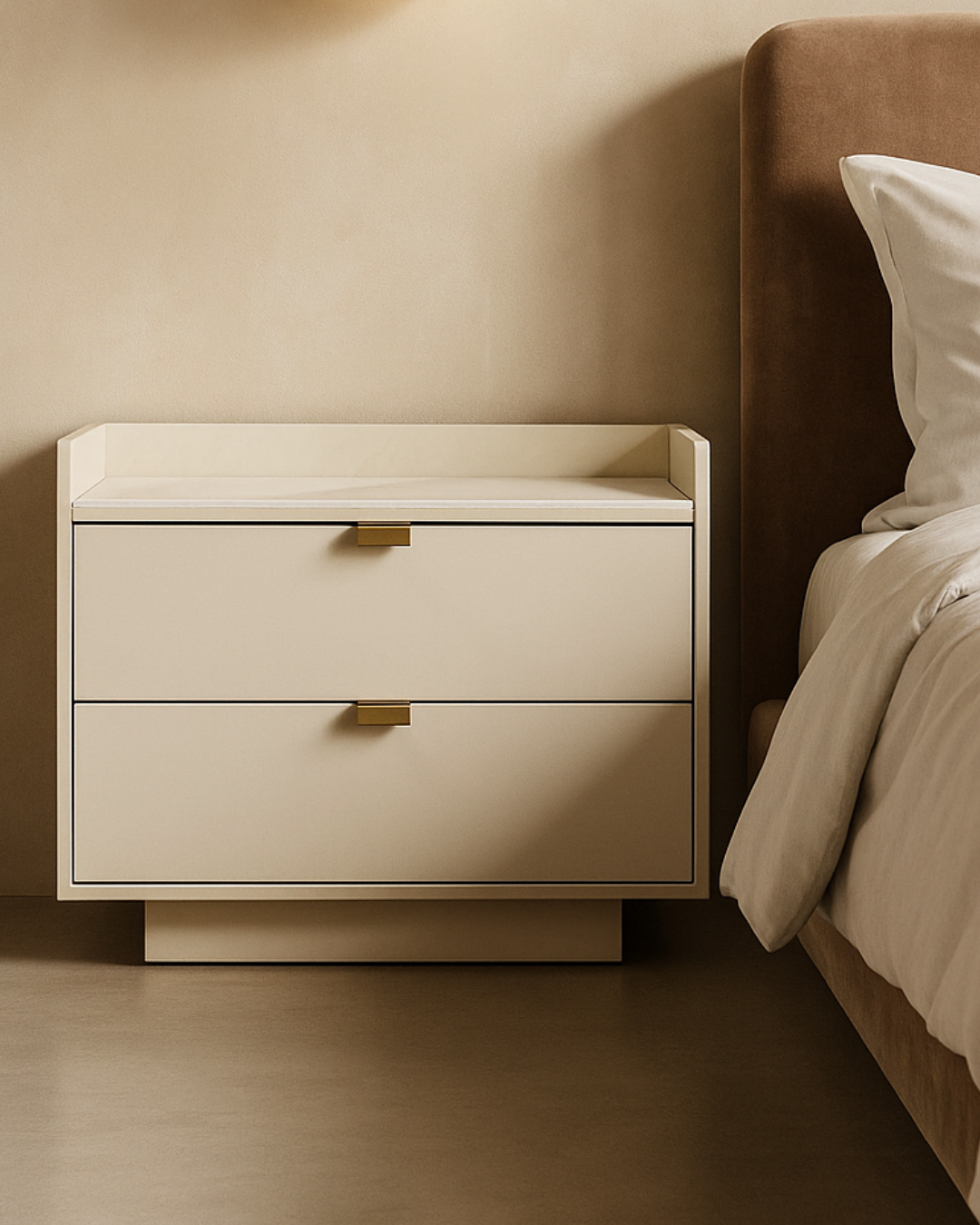 Saviour Bedside Table - White Marble & Beige
- Regular price
-
- Regular price
-
- Sale price
-
-
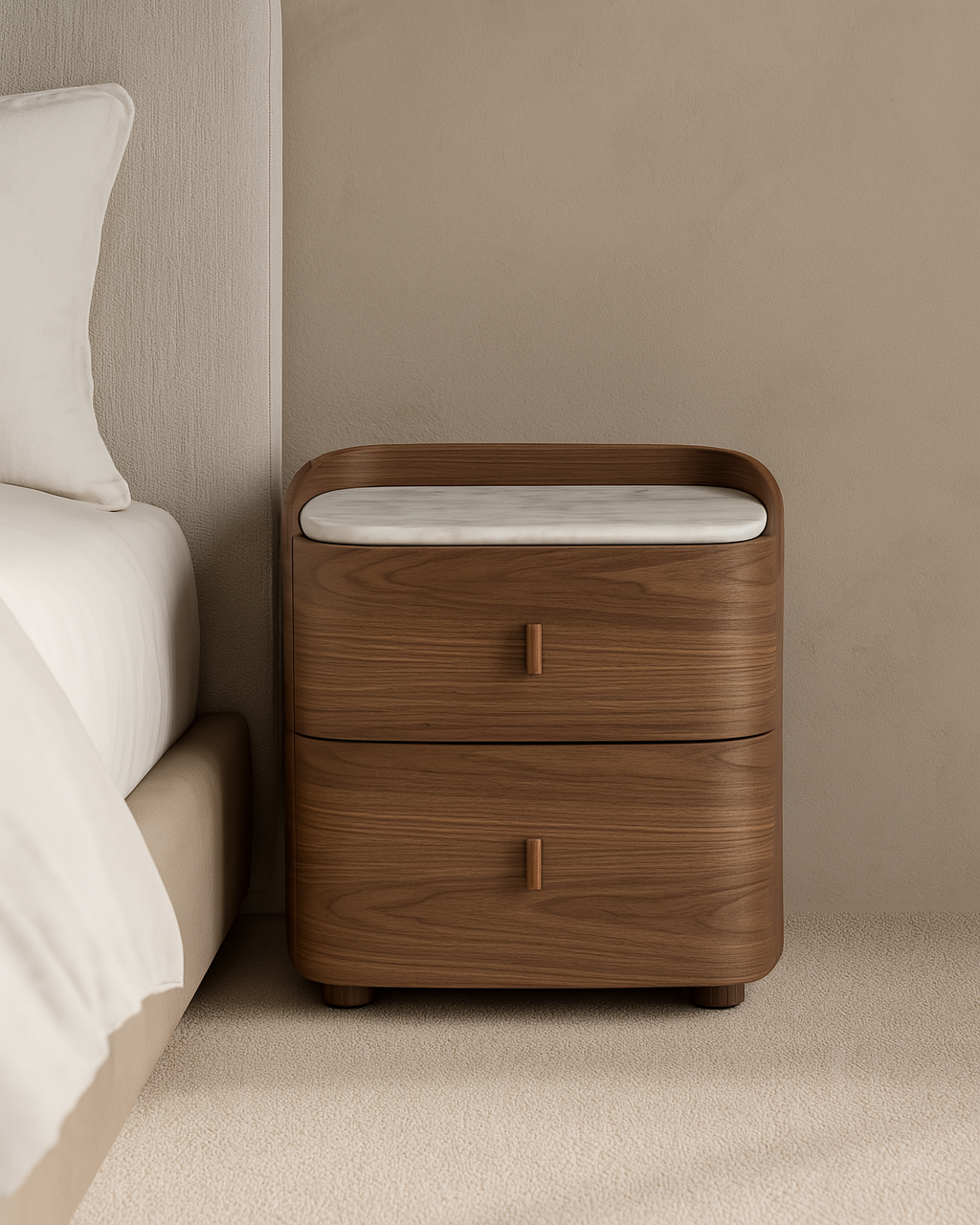
Dexter Bedside Table - Walnut - Pair
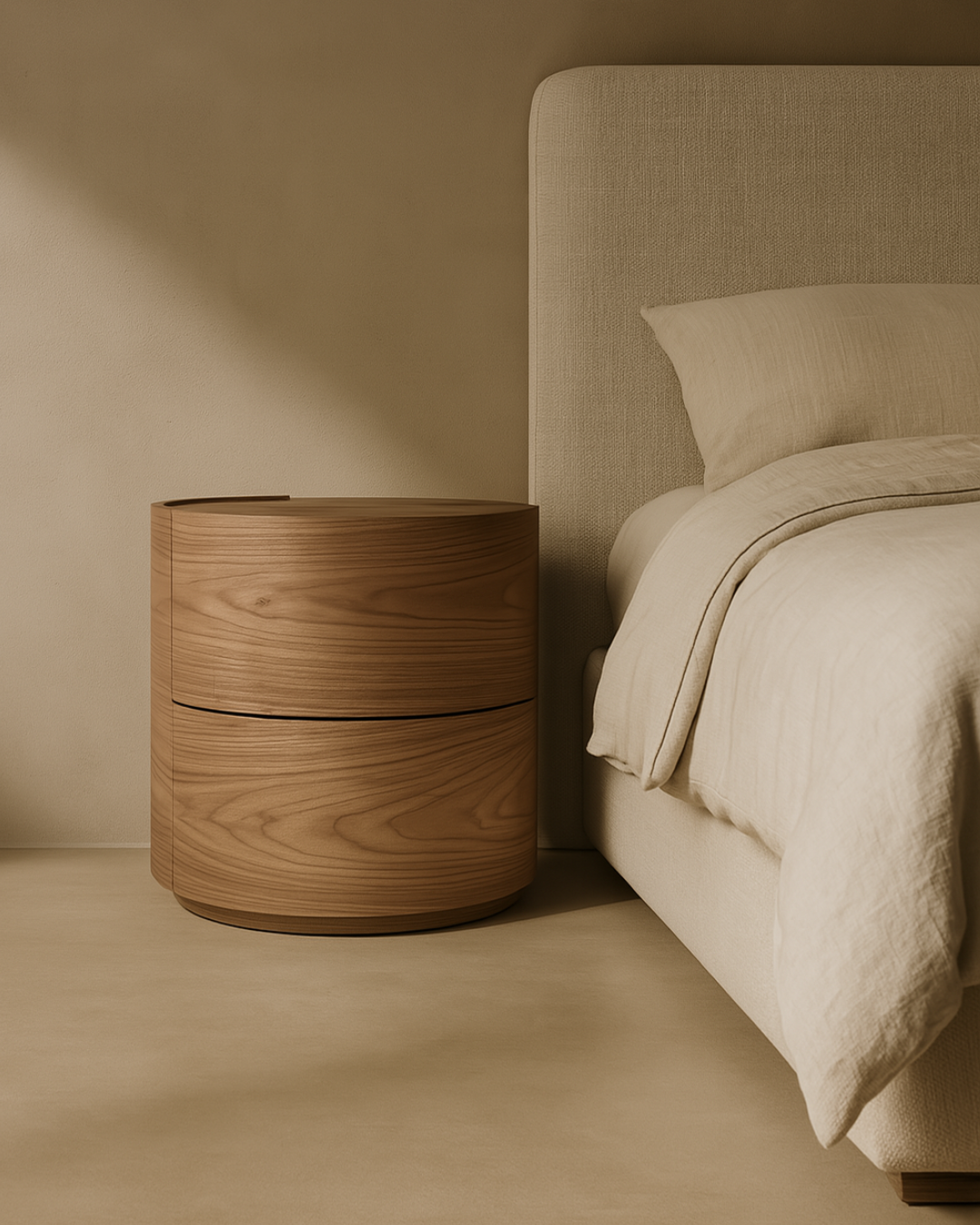 Dexter Bedside Table - Walnut - Pair
- Regular price
-
- Regular price
-
- Sale price
-
Disclaimer: All trademarks, brand names and product names mentioned on this website are the property of their respective owners. Any references are made for identification, informational or comparative purposes only, and do not imply any affiliation, endorsement, sponsorship or authorisation.