

Home Decor
Home decor refers to the collection of furnishings, accessories and decorative elements used to enhance the appearance, comfort and personality of an interior space. It includes items such as lighting, wall art, mirrors, cushions, decorative objects and soft furnishings that work together to create a cohesive and inviting environment.
Home decor plays a vital role in defining how a room feels and functions. It allows interiors to reflect individual style while improving atmosphere, balance and visual interest across both residential and commercial spaces.
What Is Home Decor Used For?
Home decor is used to personalise interiors and bring harmony to a room’s design. In living areas, it introduces warmth and character through layered textures, lighting and decorative accents. In bedrooms, it supports relaxation and comfort with carefully chosen colours, fabrics and accessories. In hallways and entrance spaces, decor creates a welcoming first impression.
Interior designers use home decor to refine architectural features and guide the flow of a space. Decorative elements can soften sharp lines, highlight focal points and connect different areas of an interior through coordinated colour palettes and materials.
In commercial environments such as hotels, restaurants and retail spaces, home decor contributes to brand identity and customer experience. Thoughtfully selected decor enhances ambience and reinforces the overall design narrative of a space.
Styles and Design Direction
Home decor spans a wide range of styles, from contemporary and minimalist to classic and decorative. Modern interiors favour clean lines, neutral tones and subtle textures, while traditional schemes incorporate layered fabrics, ornate detailing and warm finishes.
Natural materials such as wood, stone and woven fibres remain popular for their ability to add depth and authenticity. Metallic accents and glass elements introduce contrast and refinement, particularly in modern interiors.
Decorative objects such as vases, trays and sculptures are used to create visual rhythm and balance. Wall art and mirrors expand visual space and provide focal points that draw the eye and anchor furniture arrangements.
For interior designers and independent retailers, offering home decor that works across multiple styles ensures flexibility and broad customer appeal.
Materials and Craftsmanship
The quality of home decor depends heavily on material selection and finishing. Premium pieces use durable materials such as ceramic, glass, metal and natural fibres to ensure longevity and visual consistency.
Craftsmanship is reflected in clean edges, well-applied finishes and thoughtful proportions. Hand-finished surfaces and textured details elevate decorative items beyond simple accessories into lasting design features.
In high-use environments such as hospitality or retail settings, durability is particularly important. Decorative items must maintain their appearance despite frequent handling, cleaning and environmental exposure.
Material choice should align with both aesthetic goals and practical requirements, ensuring decor items remain functional as well as visually appealing.
Choosing the Right Home Decor
Selecting the right home decor requires careful consideration of scale, colour and placement. Larger rooms benefit from statement pieces such as oversized artwork or sculptural lighting, while smaller spaces suit more restrained decorative accents that maintain balance.
Colour should complement existing furniture and finishes. Designers often use decor to introduce accent tones or reinforce an established palette, creating visual cohesion throughout a space.
Texture adds depth and interest. Combining smooth surfaces with woven or tactile materials creates layered interiors that feel considered and inviting.
Lighting also plays a crucial role. Decorative lighting enhances both function and atmosphere, highlighting key features and adding warmth to the overall scheme.
The objective is to integrate home decor naturally into the interior rather than treating it as an afterthought.
Home Decor in Interior Design Projects
Interior designers rely on home decor to complete and refine their projects. Decorative elements allow them to personalise spaces and communicate a specific design story for each client.
In residential interiors, home decor reflects lifestyle and taste while maintaining harmony with furniture and architectural features. In commercial spaces, it reinforces brand identity and shapes customer perception.
Home decor also offers an efficient way to refresh interiors without major renovation. Updating cushions, lighting or wall art can transform a room’s mood quickly and cost-effectively.
In show homes and staged properties, decor is essential for creating warmth and visual engagement that appeals to potential buyers and guests.
Trade and Wholesale Positioning
For interior designers and independent retailers, home decor represents a high-demand category with strong commercial value. Customers frequently purchase decorative items alongside furniture to complete their spaces.
Retailers benefit from stocking curated decor collections that complement furniture ranges and encourage additional purchases. Designers value dependable suppliers who can provide consistent quality and coordinated selections across multiple projects.
Access to UK-held stock ensures reduced lead times and reliable fulfilment. Free UK delivery on all items simplifies logistics, while no minimum order value allows professionals to order exactly what they need for each project.
Strong resale margins make home decor a commercially attractive category for trade clients seeking both creativity and profitability.
Trends in Home Decor Design
Current trends in home decor focus on organic forms, natural textures and muted colour palettes. Earth tones and layered neutrals reflect a growing desire for calm, balanced interiors inspired by nature.
There is increasing interest in statement decorative pieces that act as focal points rather than numerous small accessories. Sculptural lighting, oversized mirrors and bold wall art are becoming central design features.
Sustainability is influencing material choices, with greater emphasis on responsibly sourced materials and long-lasting construction. Designers are favouring quality pieces that remain relevant over time rather than fast-changing decorative trends.
These developments highlight the importance of curated collections that balance style, durability and timeless appeal.
Why Choose Tommy Franks?
Tommy Franks is a favourite among interior designers and independent retailers seeking premium home decor with dependable availability. Carefully curated collections reflect refined British interior style, blending contemporary design with classic influences.
Each decorative piece demonstrates premium craftsmanship and thoughtful material selection, ensuring lasting visual appeal and reliable performance. With a vast range of UK-held stock, trade clients benefit from consistent supply and dependable lead times.
Free UK delivery on all items removes logistical complexity, while no minimum order value allows flexibility for projects of every scale. Competitive wholesale margins support strong resale performance, and trade accounts are welcome with straightforward onboarding for busy professionals.
This combination of quality, reliability and commercial support positions Tommy Franks as a trusted wholesale partner for home decor within the UK interiors market.
Products
-
Sims Bedside Table - Matte Beige
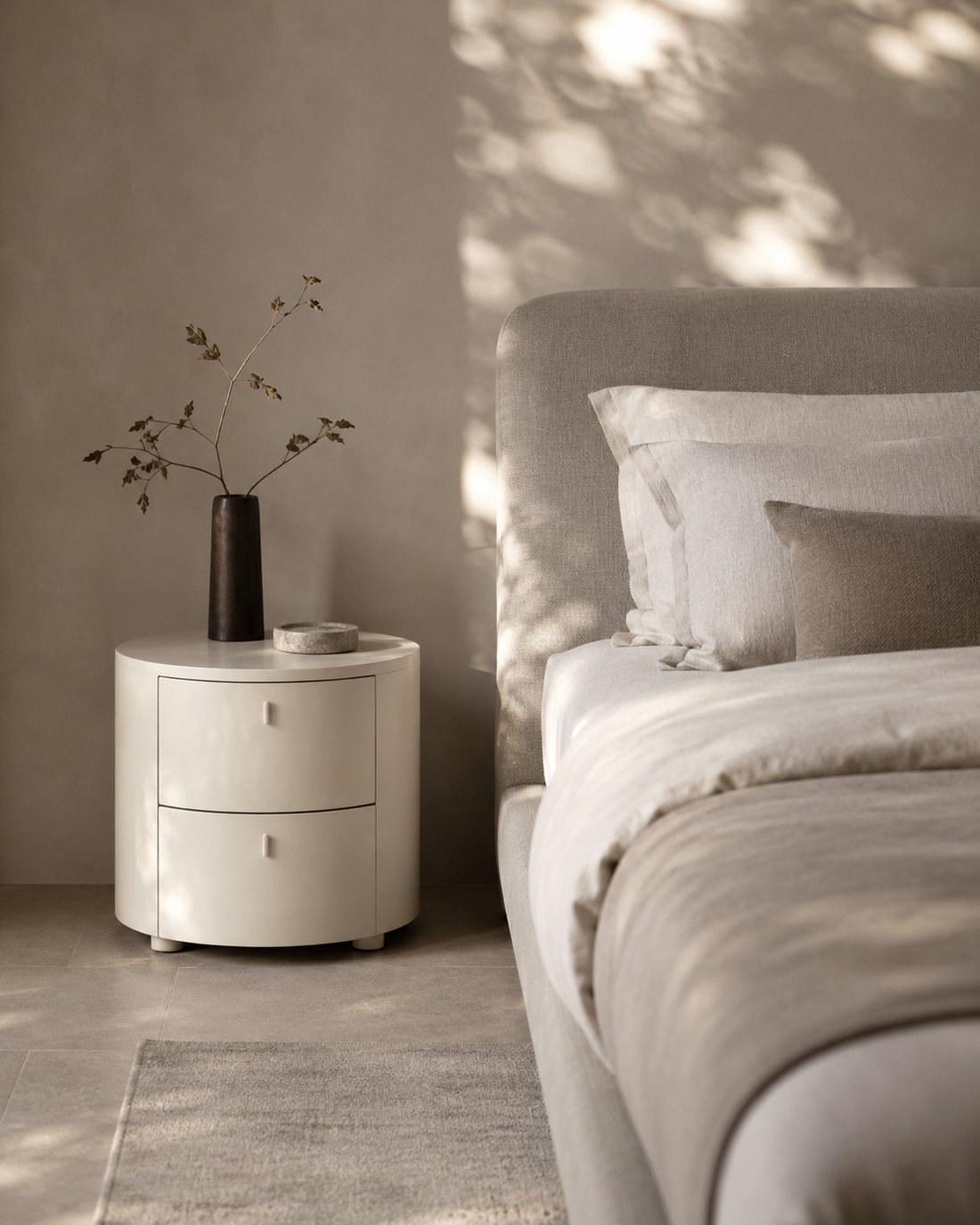 Sims Bedside Table - Matte Beige
- Regular price
-
- Regular price
-
- Sale price
-
-
Saviour Bedside Table - White Marble & Beige
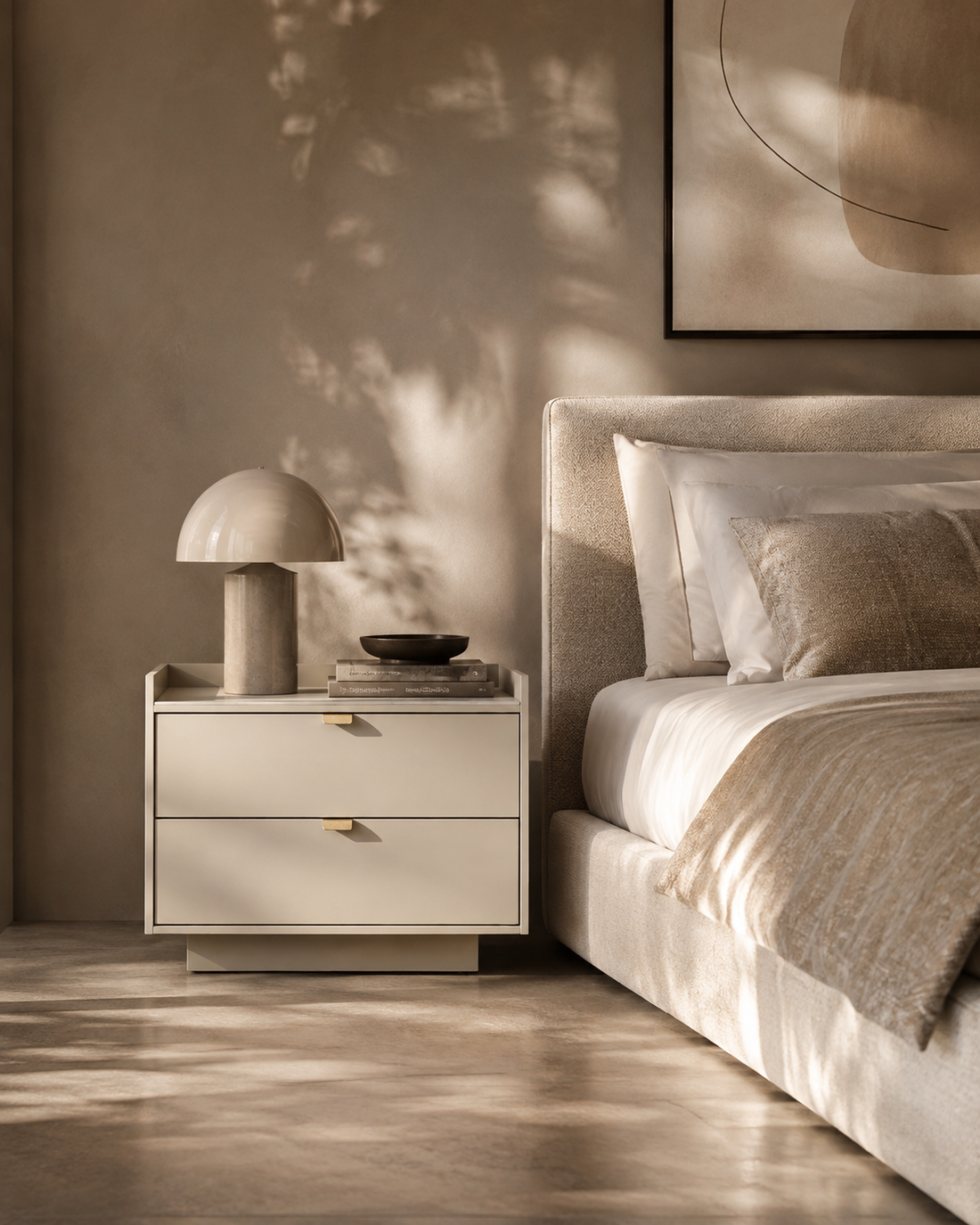 Saviour Bedside Table - White Marble & Beige
- Regular price
-
- Regular price
-
- Sale price
-
-
Dexter Bedside Table - Walnut - Pair
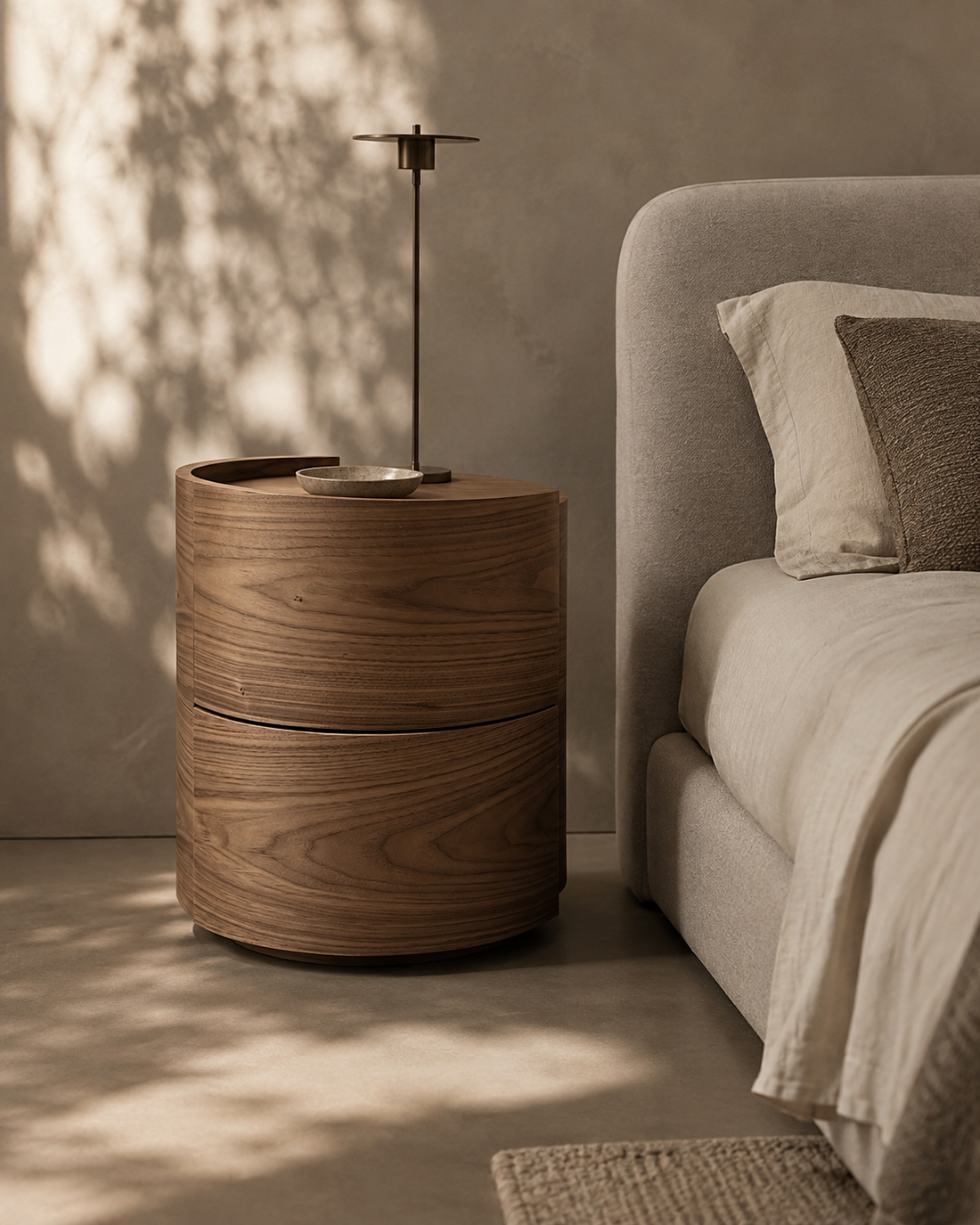 Dexter Bedside Table - Walnut - Pair
- Regular price
-
- Regular price
-
- Sale price
-
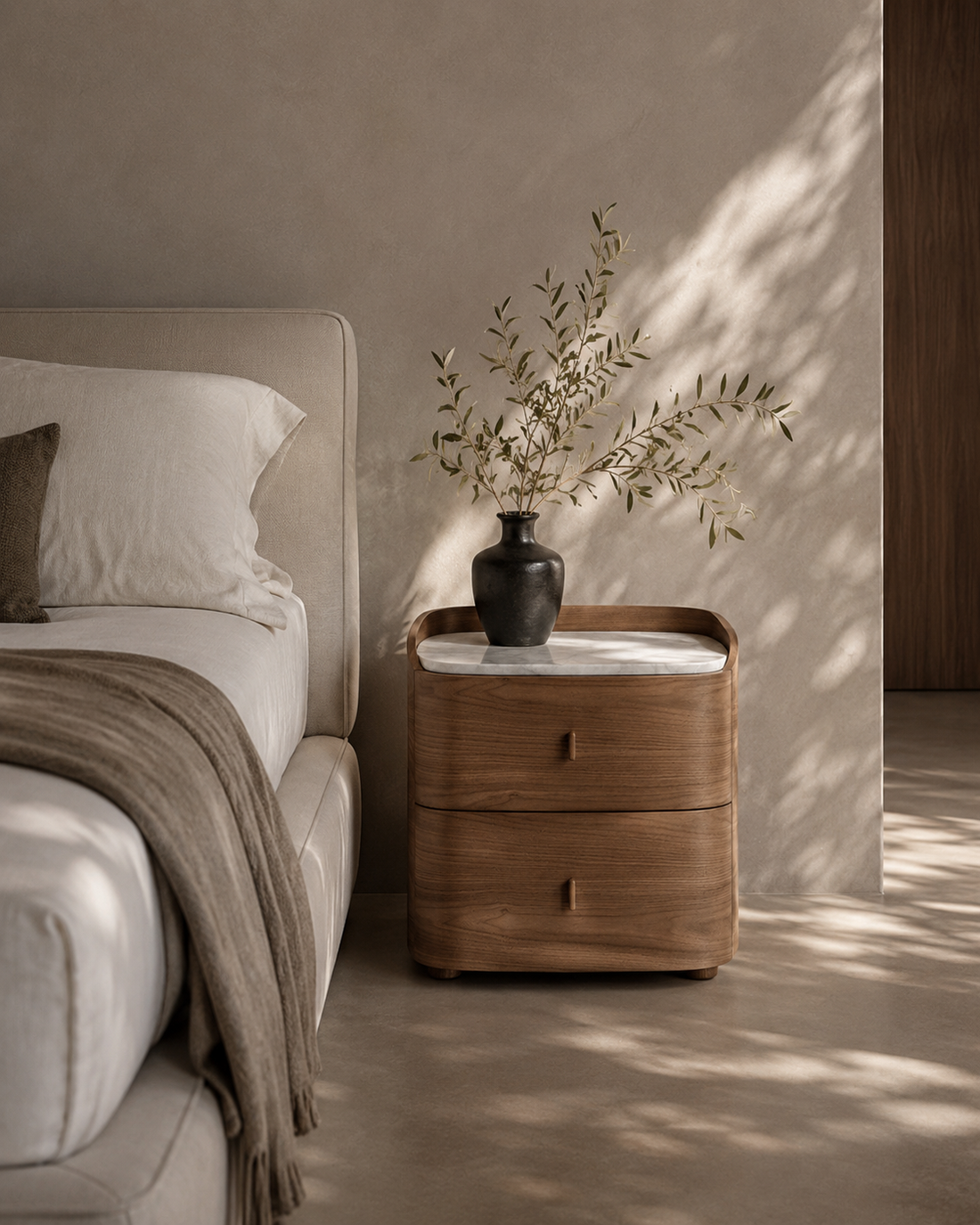
Disclaimer: All trademarks, brand names and product names mentioned on this website are the property of their respective owners. Any references are made for identification, informational or comparative purposes only, and do not imply any affiliation, endorsement, sponsorship or authorisation.