

Folding Screens
Folding screens are versatile, freestanding partitions designed to provide privacy, define spaces, and add decorative interest to interiors. Comprising multiple hinged panels, they can be easily adjusted, repositioned, or stored, making them ideal for residential, hospitality, and commercial environments. Folding screens are both practical and stylish, offering designers and homeowners an elegant way to create flexible zones within open-plan spaces.
Interior designers and independent retailers value folding screens for their adaptability, aesthetic appeal, and ability to complement a variety of interior schemes—from contemporary and minimalist to traditional and eclectic.
What Are Folding Screens Used For?
Folding screens are primarily used to:
-
Create privacy in bedrooms, dressing areas, or shared spaces
-
Divide open-plan interiors into functional zones without permanent construction
-
Conceal storage or less decorative areas, such as wardrobes or office equipment
-
Serve as decorative focal points or backdrops for furniture arrangements
In residential settings, folding screens offer flexible solutions for changing layouts and evolving household needs. In hospitality or show home projects, they enhance the sense of space and sophistication, while allowing interiors to remain functional and visually appealing.
Styles and Materials of Folding Screens
Folding screens come in a wide variety of styles to suit different interior aesthetics:
-
Contemporary: Slim metal frames, minimal panels, and neutral colours for modern interiors
-
Traditional: Carved wood, ornate detailing, and rich finishes that add classic character
-
Scandi / Modern Minimalist: Light timber, simple lines, and understated panels for a clean, airy look
-
Decorative / Statement: Patterned panels, fabric inserts, or mirrored surfaces that serve as artistic features
Material choice affects both durability and style. Timber provides warmth and structure, metal frames create a modern architectural feel, and fabric, rattan, or woven panels introduce texture and softness. Mirrors or lacquered finishes can enhance light and create the illusion of additional space.
For interior designers and retailers, offering a curated selection of folding screens ensures suitability across diverse client projects, from intimate residential rooms to larger commercial or hospitality spaces.
Choosing the Right Folding Screen
When selecting a folding screen, designers and homeowners should consider:
-
Size and Scale: Ensure the screen is proportionate to the space and intended purpose, providing adequate coverage without overwhelming the room.
-
Number of Panels: Multi-panel designs offer flexibility in shape and width, while fewer panels create a minimalist and clean effect.
-
Material and Finish: Choose materials that complement surrounding furniture, décor, and colour schemes.
-
Mobility and Stability: Hinged panels should allow smooth adjustment and provide stable positioning when extended.
Durability and quality craftsmanship are essential, especially for commercial or high-traffic environments. High-quality screens withstand regular repositioning and maintain their appearance over time.
Folding Screens in Trade and Wholesale Projects
For interior designers and independent retailers, folding screens represent a commercially valuable and flexible category. They are widely used in residential projects, boutique hotels, show homes, and staged interiors to enhance both function and style.
Reliable UK stock availability is critical for trade professionals working to project timelines. Access to UK-held inventory ensures quick fulfilment and consistent supply. Free UK delivery simplifies logistics, while no minimum order value allows smaller studios and retailers to order flexibly.
Strong wholesale margins make folding screens an attractive category, combining decorative appeal with practical use. Easy trade account onboarding ensures designers and retailers can access collections efficiently, supporting timely project completion.
Styling and Interior Integration
Styling folding screens involves careful consideration of proportion, placement, and interaction with other furnishings. Placed beside beds, seating areas, or storage units, screens create defined zones and visual interest without permanent alterations.
Finishes and materials should complement the room’s aesthetic. Light timber or neutral fabric panels suit modern and minimalist schemes, while darker woods, carved details, or mirrored surfaces add luxury and sophistication.
Accessories such as rugs, lighting, and decorative objects can further enhance the screen’s presence while maintaining cohesion with the surrounding interior. In retail or show home displays, presenting folding screens within styled spaces helps customers visualise scale, placement, and practical use, increasing engagement and confidence in purchase decisions.
Why Choose Tommy Franks?
Tommy Franks is a favourite among interior designers and independent retailers seeking premium furniture and accessories with dependable availability. Carefully curated collections of folding screens combine functional design with refined aesthetics, ensuring each piece enhances both privacy and visual appeal in residential or commercial interiors.
Each screen is selected for premium craftsmanship and material quality, providing durability and long-lasting style. With a vast range of UK-held stock, trade clients benefit from reliable supply and reduced lead times across projects.
Free UK delivery on all items removes logistical barriers, while no minimum order value offers flexibility for orders of any scale. Competitive wholesale margins support strong resale performance, making Tommy Franks a trusted wholesale partner for retailers and designers alike. Trade accounts are welcome, with easy onboarding designed to support both established studios and growing businesses.
Products
-
Sims Bedside Table - Matte Beige
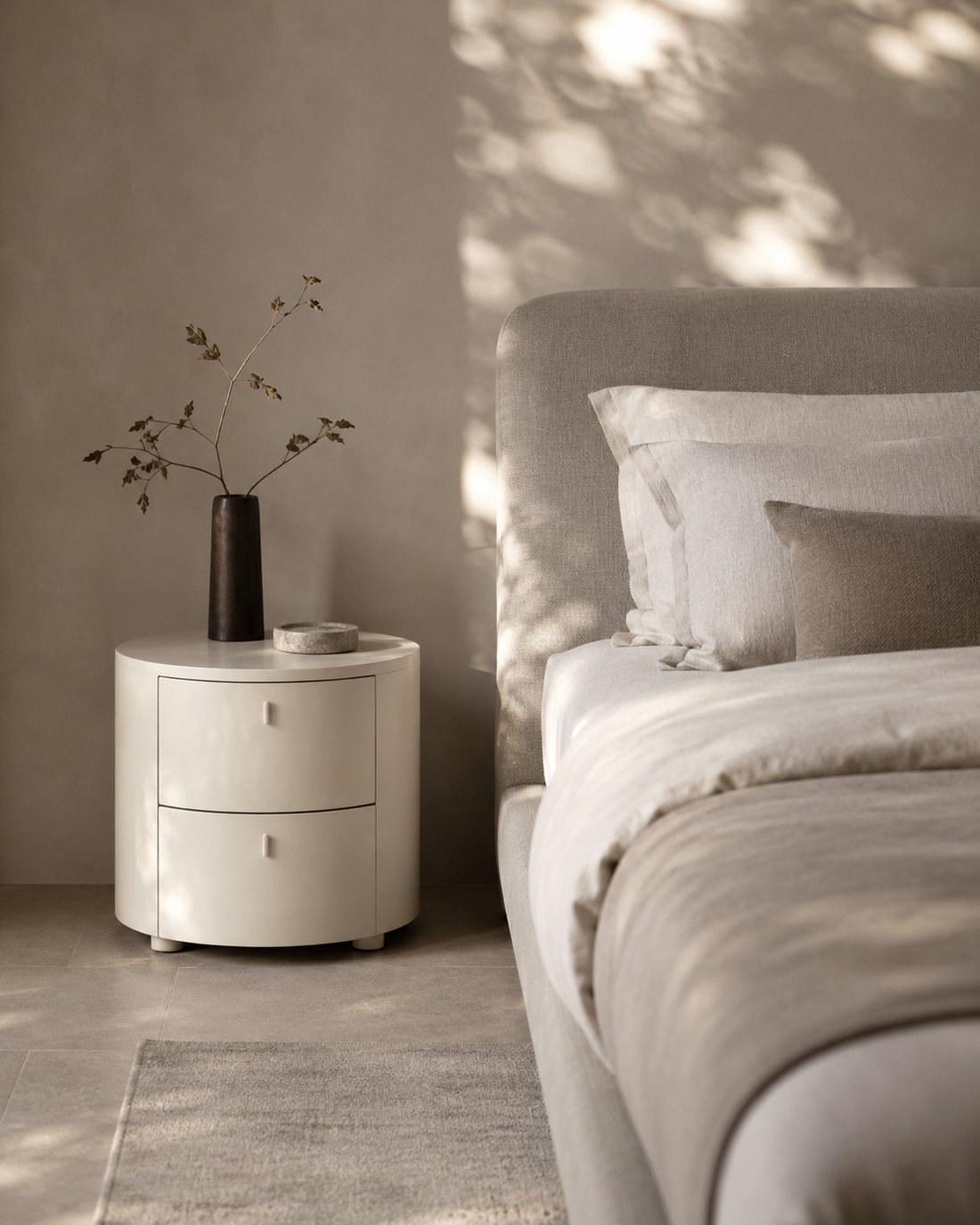 Sims Bedside Table - Matte Beige
- Regular price
-
- Regular price
-
- Sale price
-
-
Saviour Bedside Table - White Marble & Beige
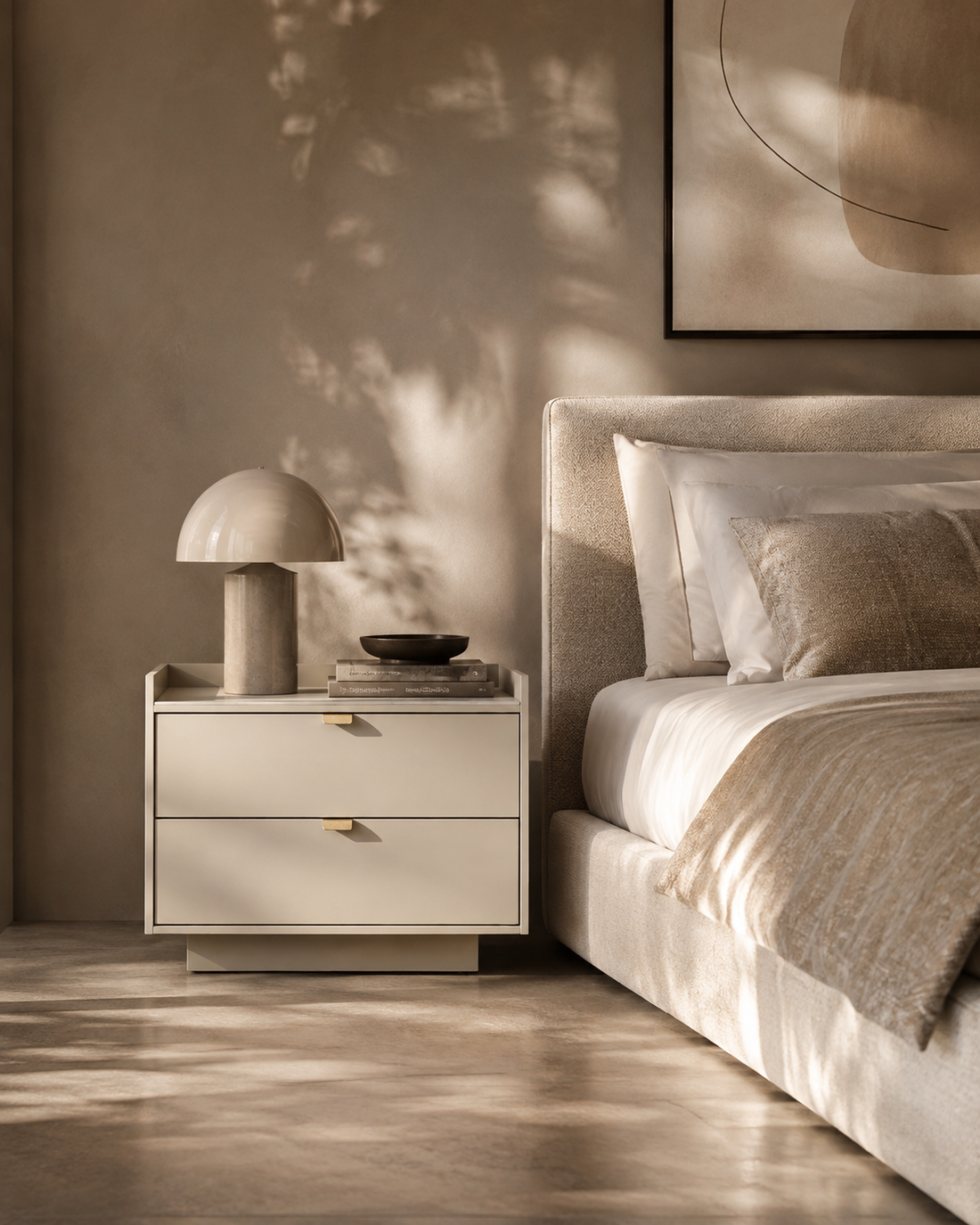 Saviour Bedside Table - White Marble & Beige
- Regular price
-
- Regular price
-
- Sale price
-
-
Dexter Bedside Table - Walnut - Pair
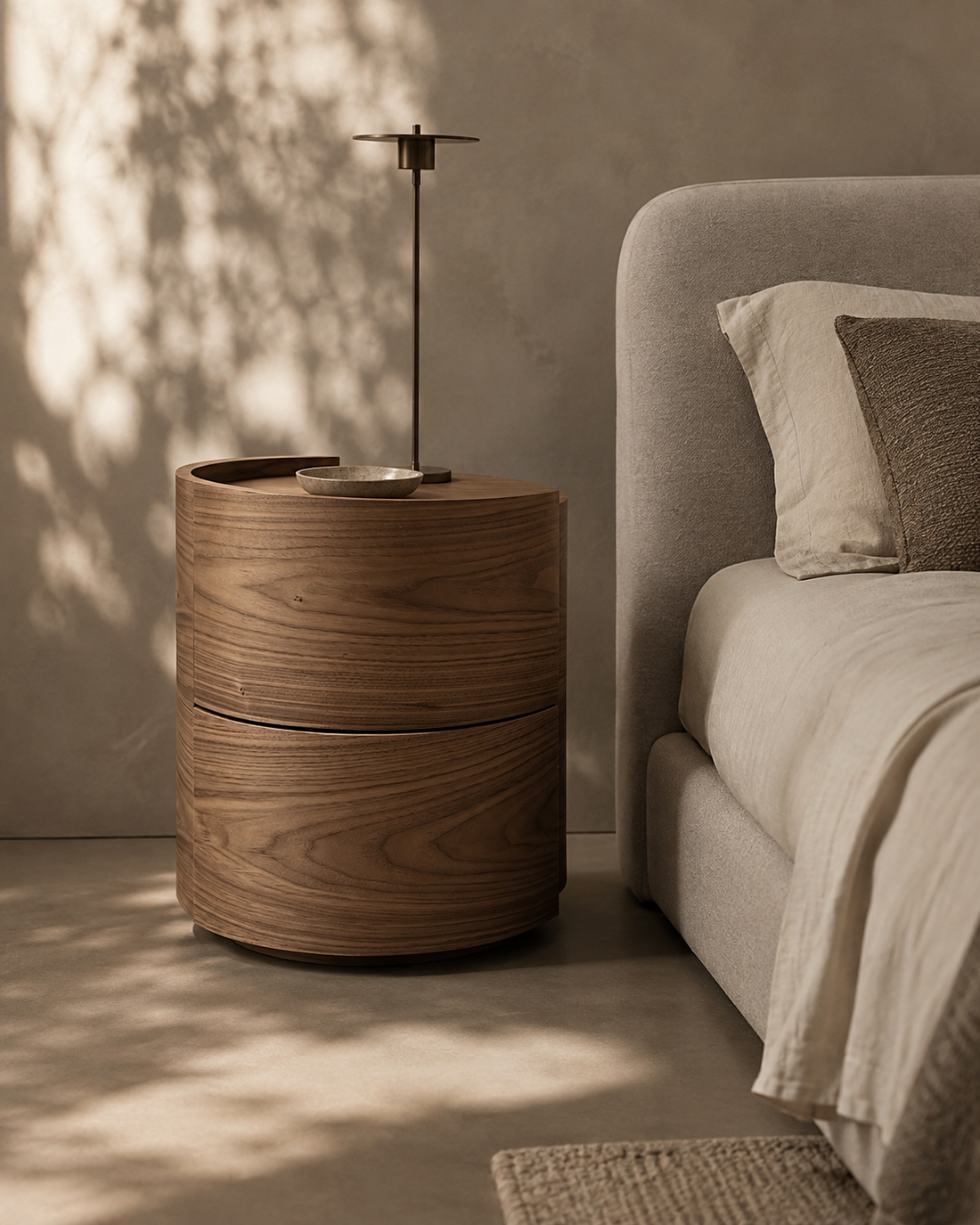 Dexter Bedside Table - Walnut - Pair
- Regular price
-
- Regular price
-
- Sale price
-
Disclaimer: All trademarks, brand names and product names mentioned on this website are the property of their respective owners. Any references are made for identification, informational or comparative purposes only, and do not imply any affiliation, endorsement, sponsorship or authorisation.