

Folding Screen
A folding screen, sometimes called a room divider, is a versatile piece of furniture designed to partition space, create privacy, or introduce decorative interest within interiors. Traditionally used in large or open-plan rooms, folding screens have evolved from purely functional objects into stylish design features, offering both aesthetic appeal and practical utility for homes, offices, and commercial environments.
Uses and Benefits of Folding Screens
Folding screens serve multiple purposes in modern interiors. They are ideal for creating temporary privacy in shared bedrooms, separating work areas in home offices, or defining zones within open-plan living spaces. In retail or hospitality environments, screens can section off areas discreetly without permanent construction, offering flexibility for changing layouts.
Beyond practicality, folding screens add texture, pattern, and colour to a room. Designers often use them to introduce visual interest, echo motifs from furnishings, or act as a backdrop for furniture arrangements. Their portability allows interiors to be reconfigured easily, making them particularly valuable in trade and commercial applications.
Styles, Materials, and Designs
Folding screens are available in a variety of materials, styles, and finishes, catering to both traditional and contemporary interiors. Classic designs feature wood panels, sometimes intricately carved or painted, while modern options include metal frames, fabric panels, or mixed-media constructions. Japanese-inspired shoji screens with translucent paper panels and sleek frames offer a minimalist aesthetic, whereas upholstered or mirrored screens provide elegance and functionality.
Materials impact not only aesthetics but also durability and stability. Solid timber frames provide robustness and a classic look, while lightweight aluminium or composite frames ensure portability for flexible use. Fabrics, panels, or mirrored surfaces can be chosen to enhance light, colour, or texture in the space.
Interior designers frequently select folding screens that complement surrounding décor, balance room proportions, and add a layered, sophisticated feel. The choice of screen can subtly delineate areas while reinforcing the overall design narrative.
Choosing the Right Folding Screen
When selecting a folding screen, consider size, function, and style. Height and width should provide sufficient coverage for privacy or partitioning without overpowering the room. Portability and foldability are essential if the screen needs to be moved frequently or stored when not in use.
Material and finish should align with the intended aesthetic and practical requirements. For commercial use, durability and ease of maintenance are important. Lightweight yet stable screens are ideal for trade applications, allowing designers and retailers to incorporate them in diverse projects without compromising quality.
Folding Screens in Trade and Retail Environments
Folding screens are a popular choice for interior designers and retailers due to their versatility and broad appeal. In residential projects, they offer a stylish solution for privacy and zoning, while in commercial environments, they provide functional partitioning that is easily adaptable to changing layouts.
For trade clients, having access to UK-held stock ensures reliable supply and timely delivery. Free UK delivery and no minimum order value make sourcing folding screens straightforward and convenient for projects of any scale. Competitive wholesale margins support strong resale performance, making them a profitable addition to retail offerings. Trade accounts are welcomed, providing designers and retailers with simple onboarding and access to premium, curated collections.
Styling Tips for Folding Screens
Folding screens can be positioned anywhere within a room to create impact and function. They can act as decorative backdrops for furniture, complement colour schemes, or highlight patterns and textures within the space. Grouping multiple screens, combining materials, or adding accessories like plants or lighting can enhance their visual effect.
Designers often use folding screens to soften transitions between spaces, introduce subtle privacy, or create focal points. By selecting appropriate styles and finishes, screens can harmonise with existing furniture while adding flexibility and sophistication to the interior layout.
Why Choose Tommy Franks?
Tommy Franks is a trusted partner for interior designers and independent retailers seeking premium, dependable furniture and accessories. Each folding screen in the collection is carefully curated, reflecting refined craftsmanship and attention to detail.
With a wide range of UK-held stock, trade clients benefit from reliable supply, free UK delivery, and no minimum order value. Competitive wholesale margins make folding screens a profitable choice for retailers and designers alike. Trade accounts are welcomed, offering streamlined onboarding and access to versatile, stylish, and durable screens suitable for a variety of projects and interiors.
Products
-
Sims Bedside Table - Matte Beige
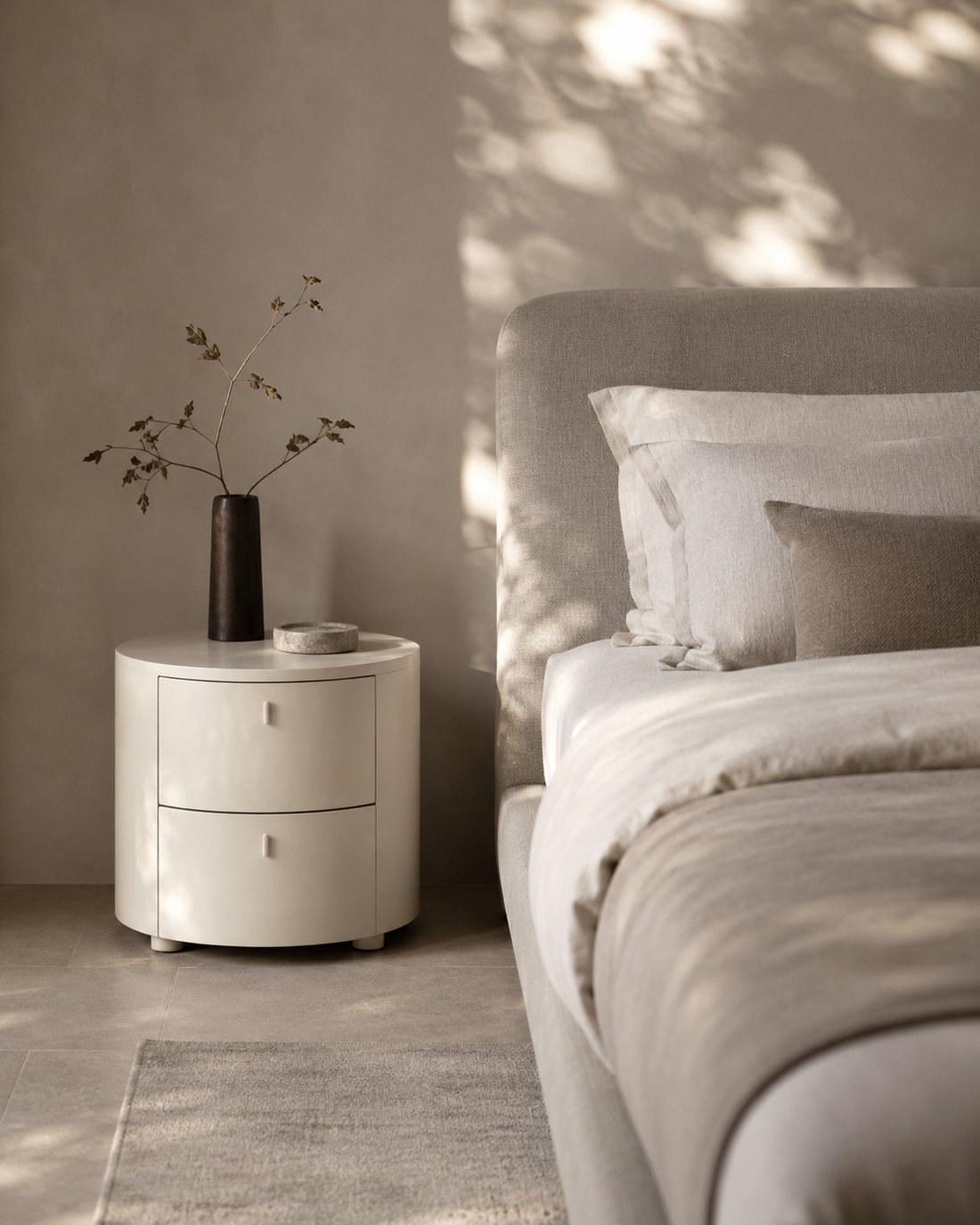 Sims Bedside Table - Matte Beige
- Regular price
-
- Regular price
-
- Sale price
-
-
Saviour Bedside Table - White Marble & Beige
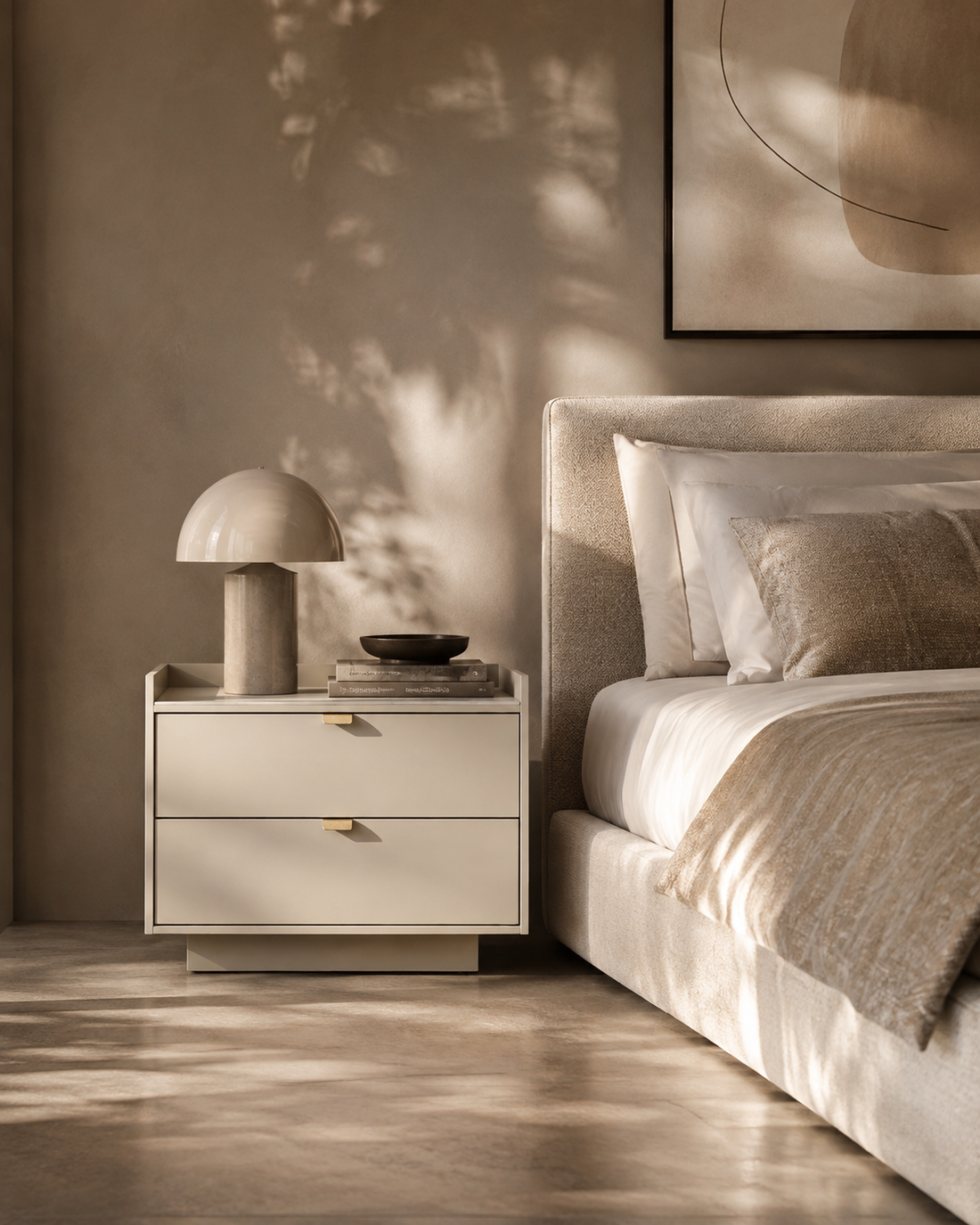 Saviour Bedside Table - White Marble & Beige
- Regular price
-
- Regular price
-
- Sale price
-
-
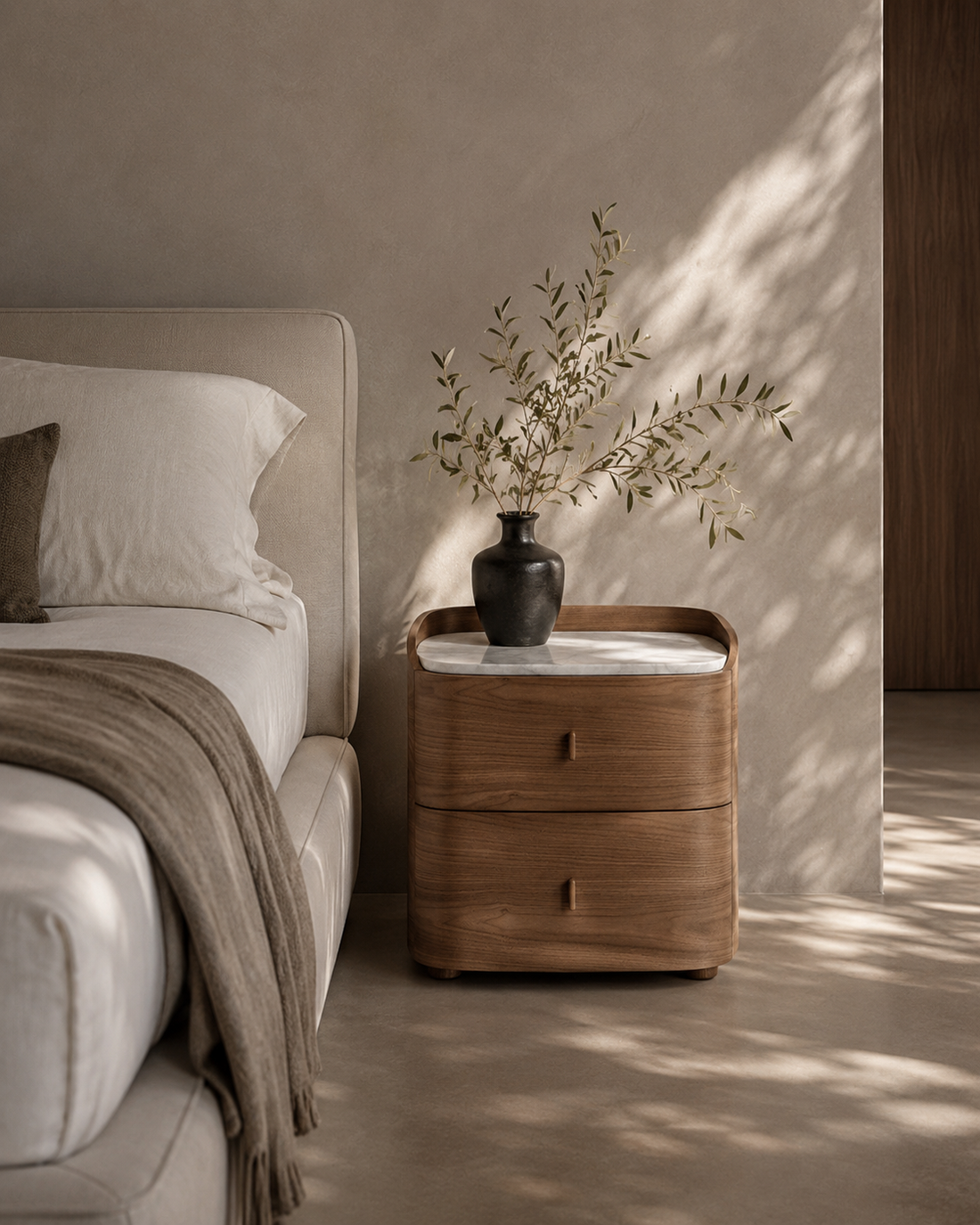
Dexter Bedside Table - Walnut - Pair
 Dexter Bedside Table - Walnut - Pair
- Regular price
-
- Regular price
-
- Sale price
-
Disclaimer: All trademarks, brand names and product names mentioned on this website are the property of their respective owners. Any references are made for identification, informational or comparative purposes only, and do not imply any affiliation, endorsement, sponsorship or authorisation.