

Designer Furniture
Designer furniture refers to high-quality, carefully crafted furniture pieces that combine aesthetic appeal, functionality, and premium materials. These pieces are often created by renowned designers or curated collections, reflecting current trends while offering timeless style. Designer furniture elevates interiors, making it a favourite choice for interior designers, independent retailers, and homeowners seeking luxury, durability, and sophistication.
What Is Designer Furniture?
Designer furniture encompasses a wide range of products, including sofas, chairs, tables, beds, cabinets, and storage units. Unlike mass-produced items, designer pieces focus on thoughtful proportions, craftsmanship, and unique design details. They often serve as statement pieces or complement carefully styled interiors, enhancing the overall atmosphere of a room.
Interior designers use designer furniture to create visually striking layouts, balance form and function, and incorporate bespoke or high-end materials that distinguish a space. It is suitable for residential, hospitality, or commercial interiors where style, quality, and longevity are priorities.
Types of Designer Furniture
Designer furniture can be categorised by function, material, or style:
-
Seating: Designer sofas, armchairs, lounge chairs, and benches crafted for comfort and visual impact.
-
Tables: Coffee tables, dining tables, console tables, and side tables with innovative forms and premium finishes.
-
Storage: Cabinets, sideboards, shelving units, and drawer chests combining practicality with design excellence.
-
Bedroom Furniture: Designer beds, bedside tables, and dressers that elevate the sleeping space.
-
Lighting and Accessories: Designer furniture often pairs with curated lighting and decorative accents to complete interiors.
Materials may include solid timber, high-quality metals, glass, marble, or upholstered fabrics, with attention to detail, finish, and durability.
Styling Designer Furniture
Interior designers consider several factors when styling designer furniture:
-
Proportion and Scale: Ensure furniture complements the room’s dimensions and layout.
-
Material Coordination: Harmonise wood, metal, glass, or upholstery finishes with surrounding décor.
-
Statement Pieces: Use designer furniture to create focal points, such as a sculptural chair or a striking dining table.
-
Layered Styling: Combine furniture with decorative accessories, rugs, and lighting to create a cohesive interior.
Designer furniture balances beauty and utility, making it suitable for living rooms, dining areas, bedrooms, and commercial spaces like hotels or offices.
Designer Furniture for Trade and Retail
For interior designers and independent retailers, designer furniture offers high commercial and aesthetic value. Trade clients can source premium pieces that meet client briefs, deliver on quality, and appeal to discerning customers.
Tommy Franks provides a carefully curated selection of designer furniture with UK-held stock, ensuring trade clients have reliable and quick access. Free UK delivery and no minimum order value simplify purchasing, whether for single statement pieces or full interior schemes. Competitive wholesale margins make designer furniture commercially attractive and profitable for resale.
Why Choose Tommy Franks for Designer Furniture?
Tommy Franks is a trusted partner for interior designers and independent retailers seeking premium designer furniture. Each piece reflects exceptional craftsmanship, refined materials, and timeless design.
Trade accounts benefit from access to a wide range of UK-held stock, free UK delivery on all items, and no minimum order value. Easy trade account onboarding and competitive wholesale margins streamline procurement. With Tommy Franks’ designer furniture, interiors are enhanced with style, durability, and luxury that appeals to both clients and retailers.
Products
-
Sims Bedside Table - Matte Beige
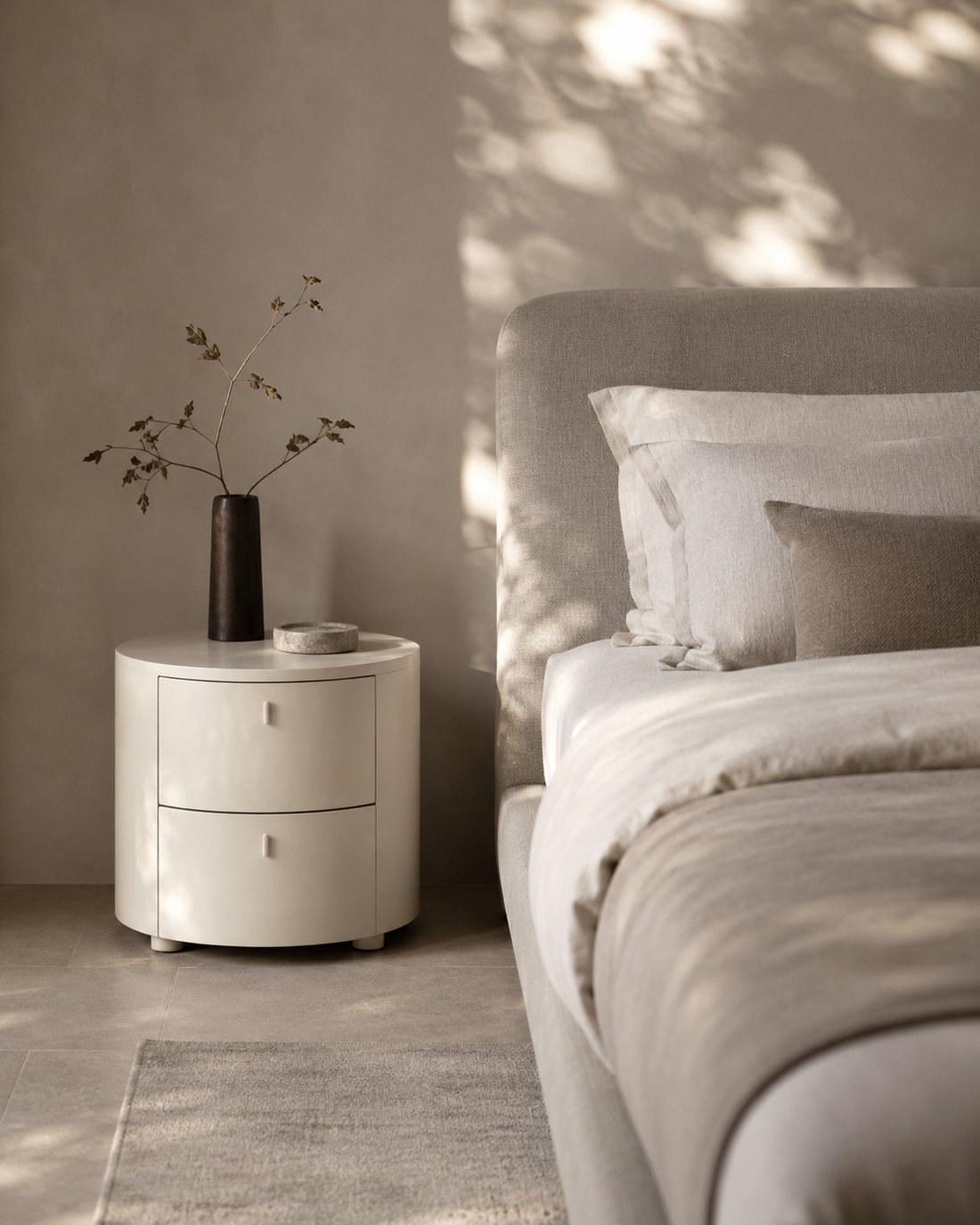 Sims Bedside Table - Matte Beige
- Regular price
-
- Regular price
-
- Sale price
-
-
Saviour Bedside Table - White Marble & Beige
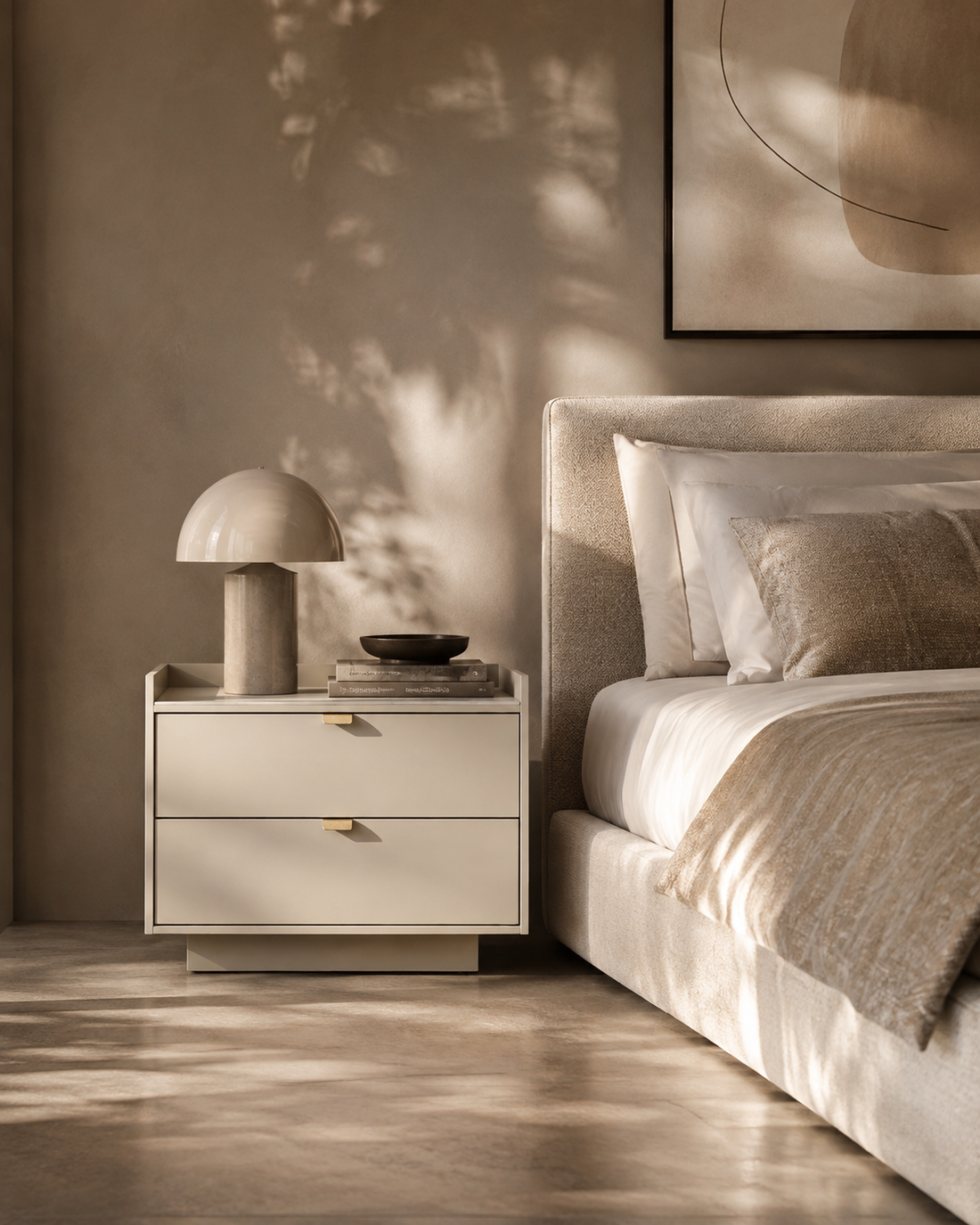 Saviour Bedside Table - White Marble & Beige
- Regular price
-
- Regular price
-
- Sale price
-
-
Dexter Bedside Table - Walnut - Pair
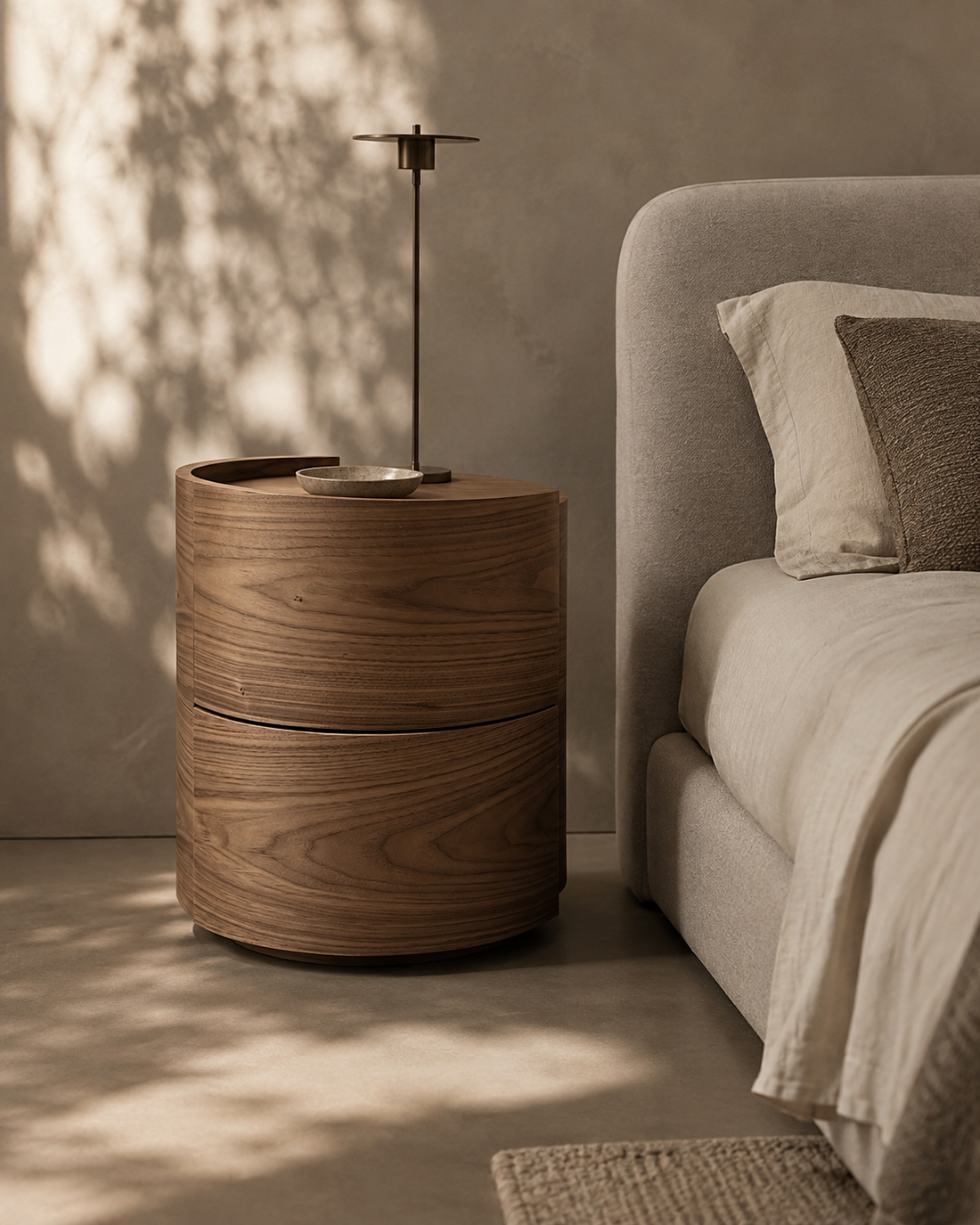 Dexter Bedside Table - Walnut - Pair
- Regular price
-
- Regular price
-
- Sale price
-
Disclaimer: All trademarks, brand names and product names mentioned on this website are the property of their respective owners. Any references are made for identification, informational or comparative purposes only, and do not imply any affiliation, endorsement, sponsorship or authorisation.