

Ceiling Light Ceiling Light
A ceiling light is a core lighting fixture designed to provide general illumination from above, forming the foundation of a room’s lighting scheme. Used across living rooms, bedrooms, kitchens, hallways, and commercial interiors, ceiling lights combine practical brightness with decorative design, shaping both the function and atmosphere of a space.
From subtle flush-mounted fittings to statement ceiling features, the ceiling light plays a crucial role in defining interior style while ensuring comfortable, balanced illumination for everyday living and professional environments.
What Is a Ceiling Light?
A ceiling light is a fixed lighting fixture installed directly onto or suspended from the ceiling. It is typically used as the main source of light within a room, delivering ambient illumination that supports daily activities and enhances visual clarity.
Ceiling lights are valued for their versatility and broad application. They can be simple and discreet, blending into the ceiling for a clean look, or decorative and sculptural, becoming a focal point within the room. Interior designers rely on ceiling lights to establish lighting hierarchy, often pairing them with wall lights and floor lamps to create layered lighting schemes.
They are available in many formats, including flush lights, semi-flush designs, and suspended styles, allowing them to suit rooms of different sizes and ceiling heights.
Styles and Materials
Ceiling lights are produced in a wide range of styles to complement different interior aesthetics. Contemporary ceiling lights feature clean lines, geometric shapes, and understated finishes, making them ideal for modern and minimalist interiors.
Traditional designs often incorporate curved arms, glass shades, and metallic finishes such as brass or bronze, adding warmth and timeless character. Industrial-inspired ceiling lights use metal frameworks, exposed bulbs, and darker finishes to create an architectural and urban feel.
Materials commonly include metal, glass, ceramic, and natural fibres. Glass shades diffuse light softly and evenly, while metal structures provide strength and visual definition. Ceramic elements introduce craftsmanship and texture, and woven or fabric shades bring warmth and softness to living spaces.
Colour palettes range from neutral whites and metallic tones to darker statement finishes that contrast with lighter ceilings and walls.
Choosing the Right Ceiling Light
Selecting the right ceiling light requires attention to scale, brightness, and placement. Larger rooms benefit from broader light coverage, while smaller spaces require compact designs that provide sufficient illumination without overwhelming the ceiling area.
Ceiling height is a key consideration. Low ceilings suit flush or semi-flush lights that remain close to the surface, while higher ceilings allow for more decorative or layered ceiling light designs that introduce depth and visual interest.
Light output and shade design should match the room’s purpose. Kitchens and workspaces benefit from brighter, clearer light, while bedrooms and living rooms often use softer, warmer tones to create a relaxed atmosphere. The choice of bulb type and colour temperature plays an important role in achieving the desired effect.
Finish coordination is also important. A ceiling light can echo finishes found in furniture, door handles, or mirrors, helping to create visual harmony throughout the interior.
Ceiling Light in Interior Design
A ceiling light is central to shaping how a room feels and functions. Its position and design influence how light spreads across surfaces and how space is perceived.
In living rooms, ceiling lights provide overall illumination while supporting decorative accents and layered lighting arrangements. Bedrooms use ceiling lights to establish a calm and balanced ambience, often paired with bedside lamps for flexibility. Kitchens rely on ceiling lights to define work zones and ensure clarity and safety.
Hallways and stairwells benefit from ceiling lights that guide movement and highlight architectural features. In commercial interiors such as hotels, restaurants, and offices, ceiling lights play a significant role in defining brand atmosphere and customer experience.
Designers often select ceiling lights as anchor pieces within lighting schemes, using their form and finish to reinforce the overall interior concept.
Trade and Wholesale Benefits
Ceiling lights are an essential category for interior designers and independent retailers due to their consistent demand and wide application across residential and commercial projects.
Designers value ceiling lights for their ability to establish lighting structure and visual identity within a space. Retailers benefit from strong customer interest and the opportunity to merchandise ceiling lights alongside furniture and decorative accessories.
For trade professionals, reliable availability is vital. Access to UK-held stock ensures that projects can be delivered on schedule without delays. Free UK delivery on all items simplifies logistics and removes procurement barriers, while no minimum order value allows designers and retailers to order exactly what is required for each project.
Strong wholesale margins make ceiling lights commercially attractive, supporting both specification work and retail performance. Easy trade account onboarding further enables professionals to source efficiently and with confidence.
These lighting pieces also work well as complementary products within broader interior collections, increasing overall basket value and encouraging repeat orders.
Styling Ideas for a Ceiling Light
A ceiling light can be styled to enhance both function and visual appeal. In dining areas, centring a ceiling light above the table creates focus and symmetry. In living spaces, choosing a sculptural ceiling light adds interest without cluttering surfaces.
Combining ceiling lights with wall lighting and floor lamps builds depth and flexibility, allowing different moods to be created throughout the day. Metallic finishes pair well with mirrors and glass accessories, while softer shades complement natural wood and textiles.
In minimalist interiors, a simple, refined ceiling light maintains clarity and balance. In more decorative schemes, a statement ceiling light can become the defining feature of the room.
Lighting placement can also be used to highlight artwork, architectural details, or key furniture pieces, guiding the eye and creating a sense of structure.
Why Choose Tommy Franks?
Tommy Franks is a favourite among interior designers and independent retailers seeking premium ceiling lights with dependable availability. Our carefully curated collections combine refined design with premium craftsmanship, ensuring each piece delivers both functional performance and lasting aesthetic appeal.
With a vast range of UK-held stock, trade clients benefit from reliable supply and consistent standards across collections. Free UK delivery on all items removes logistical barriers, while no minimum order value provides flexibility for projects of every scale. Competitive wholesale margins support strong resale performance, making Tommy Franks a trusted wholesale partner for designers and retailers alike.
Trade accounts are welcome, with straightforward onboarding designed to support busy professionals. Each ceiling light reflects careful selection, attention to detail, and a commitment to quality suited to both residential and commercial interiors.
Products
-
Sims Bedside Table - Matte Beige
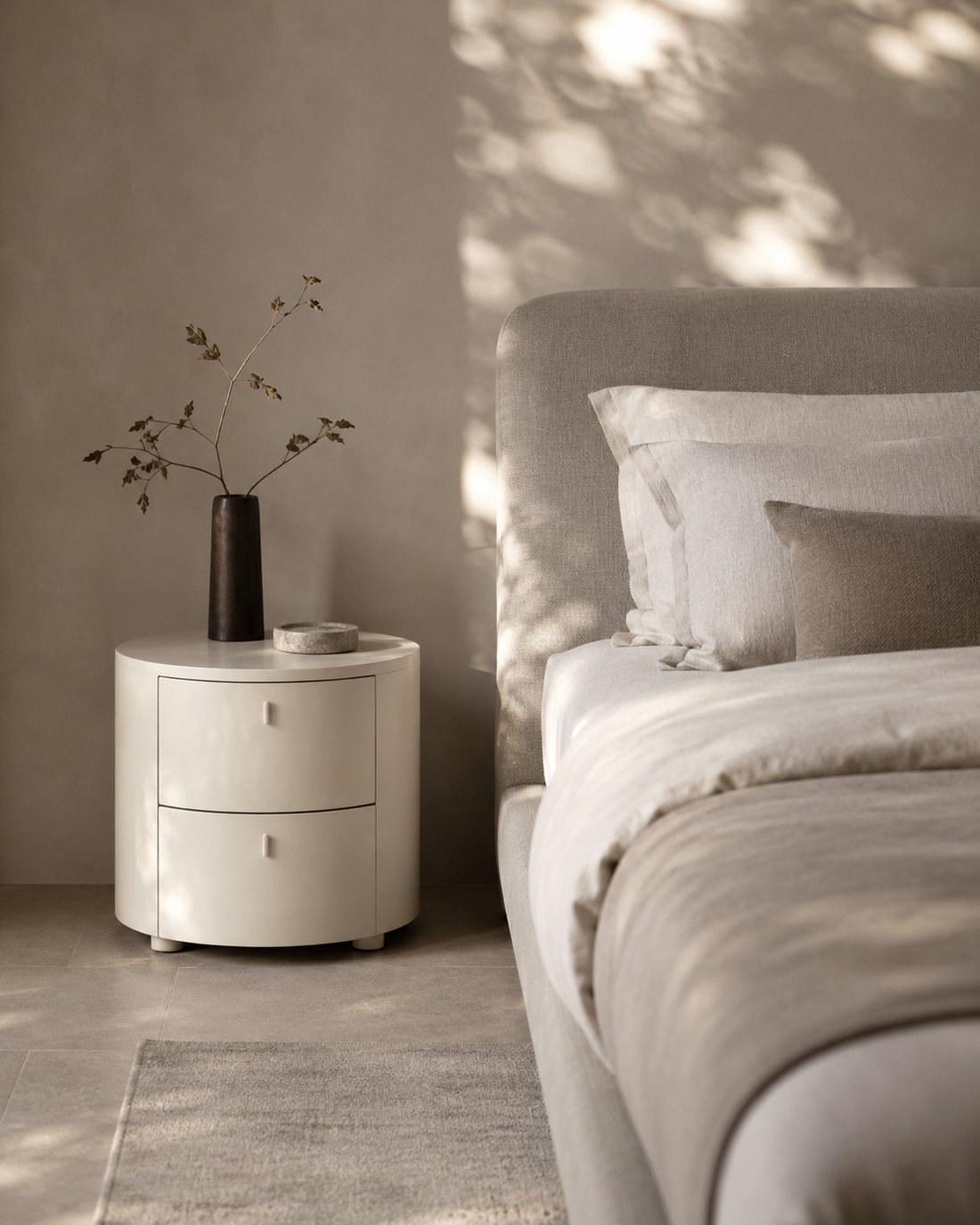 Sims Bedside Table - Matte Beige
- Regular price
-
- Regular price
-
- Sale price
-
-
Saviour Bedside Table - White Marble & Beige
 Saviour Bedside Table - White Marble & Beige
- Regular price
-
- Regular price
-
- Sale price
-
-
Dexter Bedside Table - Walnut - Pair
 Dexter Bedside Table - Walnut - Pair
- Regular price
-
- Regular price
-
- Sale price
-

Disclaimer: All trademarks, brand names and product names mentioned on this website are the property of their respective owners. Any references are made for identification, informational or comparative purposes only, and do not imply any affiliation, endorsement, sponsorship or authorisation.