

Butcher Block Butcher Block
A butcher block is a solid wooden surface traditionally used for chopping and preparing food. Comprised of thick, sturdy timber pieces joined together, butcher blocks are prized for their durability, longevity, and ability to withstand heavy kitchen use. Today, they are also valued as versatile furniture elements in interior design, functioning as kitchen islands, countertops, work surfaces, or decorative pieces in both residential and commercial settings.
In contemporary interiors, butcher blocks combine practicality with natural beauty. Their rich wood tones and tactile texture bring warmth, character, and a sense of craftsmanship to kitchens, dining areas, and open-plan living spaces.
What Is a Butcher Block Used For?
Butcher blocks are primarily used as cutting and preparation surfaces in kitchens. Their dense construction protects blades while providing a stable, hygienic work area.
Beyond their functional use, butcher blocks have become popular as freestanding kitchen islands, breakfast bars, or side tables, offering both storage and surface space. Interior designers often incorporate butcher blocks as focal points in kitchens or open-plan layouts, pairing them with metal, stone, or painted cabinetry for visual contrast.
In professional kitchens, butcher blocks provide durable, high-performance surfaces for chefs, while in residential interiors they combine utility with artisanal appeal. They are also used in commercial hospitality spaces, such as cafés and restaurants, to create a rustic or industrial-inspired aesthetic.
Styles and Design Options
Butcher blocks are available in a variety of styles to suit different kitchen and interior aesthetics. Traditional designs feature thick, solid wood planks in rectangular or square forms, often mounted on wooden or metal bases.
Modern and contemporary butcher blocks may have sleek, minimal lines, integrated storage, or contrasting materials such as stainless steel or painted cabinetry. Some designs incorporate wheels for mobility or adjustable height options for multi-purpose use.
Edge styles and finishes vary. End-grain butcher blocks, with visible wood end grains, are particularly durable and visually appealing, while edge-grain blocks offer a smoother, linear appearance. Rounded corners, bevelled edges, and integrated grooves add both safety and design interest.
For interior designers and independent retailers, versatile butcher block designs that suit multiple décor schemes—modern, rustic, industrial, or traditional—provide strong styling and commercial potential.
Materials and Craftsmanship
The quality of a butcher block depends on wood selection and craftsmanship. Premium butcher blocks are made from hardwoods such as maple, oak, beech, or walnut, chosen for strength, durability, and resistance to cutting marks.
Craftsmanship is evident in precise joinery, smooth finishes, and solid construction. Well-made blocks withstand heavy use while maintaining structural integrity. End-grain blocks, for example, are particularly resilient to knife marks and reduce wear over time.
Finishes such as food-safe oils or waxes protect the surface while enhancing the natural wood grain. Attention to detail in joints, edges, and mounting contributes to both durability and aesthetic appeal.
Durable materials and robust construction are essential in commercial kitchens and high-traffic residential environments, ensuring long-term performance and reliability.
Choosing the Right Butcher Block
Selecting a butcher block involves considering size, wood type, intended use, and style. The surface should be large enough for practical food preparation or functional workspace, while fitting comfortably within the room’s layout.
Wood type affects appearance, durability, and maintenance. Hardwoods such as maple and beech are ideal for chopping and heavy use, while walnut or oak adds a premium, decorative quality.
Design should complement the overall interior aesthetic. Designers often pair butcher blocks with cabinetry, countertops, or furniture in complementary tones and materials for a cohesive look.
Functionality is crucial. Integrated storage, mobility options, or adjustable heights enhance versatility. Proper maintenance, including regular oiling and cleaning, ensures longevity and hygiene.
Placement should maximise utility without obstructing circulation, whether as a freestanding island, worktable, or countertop extension.
Butcher Blocks in Interior Design Projects
Interior designers frequently specify butcher blocks as multi-functional furniture pieces in kitchens, dining areas, and open-plan interiors. They combine practicality, craftsmanship, and natural texture, contributing to both functional and aesthetic goals.
In residential interiors, butcher blocks provide durable work surfaces while enhancing warmth and character in modern or traditional kitchens. In hospitality and commercial projects, they serve as preparation areas, display surfaces, or statement furniture, reinforcing style and usability.
Butcher blocks are particularly effective in kitchens, dining areas, or showrooms where tactile materials and artisanal appeal enhance user experience and visual interest.
Trade and Wholesale Positioning
For interior designers and independent retailers, butcher blocks represent a high-demand category that combines function and design appeal. Customers seek durable, stylish, and versatile surfaces suitable for both residential and commercial projects.
Retailers benefit from offering curated butcher block collections that coordinate with kitchen furniture, countertops, and dining spaces. Designers value suppliers who provide cohesive design options, UK-held stock, and dependable availability for multiple projects.
Access to UK-held stock ensures reliable lead times and efficient project delivery. Free UK delivery simplifies logistics, while no minimum order value allows trade clients to purchase exactly what they need.
Strong resale margins make butcher blocks an attractive wholesale product, offering both design integrity and commercial appeal. Easy trade account onboarding supports professionals managing multiple projects.
Trends in Butcher Block Design
Current trends in butcher block design focus on natural wood finishes, end-grain construction, and multi-functional furniture applications. Sleek, minimal frames paired with rich timber surfaces are popular for contemporary interiors.
Rustic, industrial, or mixed-material designs—combining wood with metal, stone, or painted cabinetry—remain in demand for their character and adaptability. Modular, mobile, and multi-purpose blocks are increasingly sought after for small or flexible spaces.
Sustainability and durability influence material selection, emphasising responsibly sourced hardwoods and long-lasting finishes for enduring quality.
These trends highlight butcher blocks as functional, tactile, and stylish furniture pieces that enhance both kitchens and broader interior schemes.
Why Choose Tommy Franks?
Tommy Franks is a favourite among interior designers and independent retailers seeking premium furniture and work surfaces with dependable availability. Carefully curated butcher block collections reflect refined British interior style while offering versatility across multiple kitchen and dining schemes.
Each piece demonstrates premium craftsmanship and thoughtful material selection, ensuring durability, longevity, and visual appeal. With a vast range of UK-held stock, trade clients benefit from reliable supply and consistent lead times.
Free UK delivery on all items removes logistical complexity, while no minimum order value allows flexibility for projects of every scale. Competitive wholesale margins support strong resale performance, and trade accounts are welcome with straightforward onboarding for busy professionals.
This commitment to quality, reliability, and commercial support positions Tommy Franks as a trusted wholesale partner for butcher block furniture and work surfaces within the UK interiors market.
Products
-
Sims Bedside Table - Matte Beige
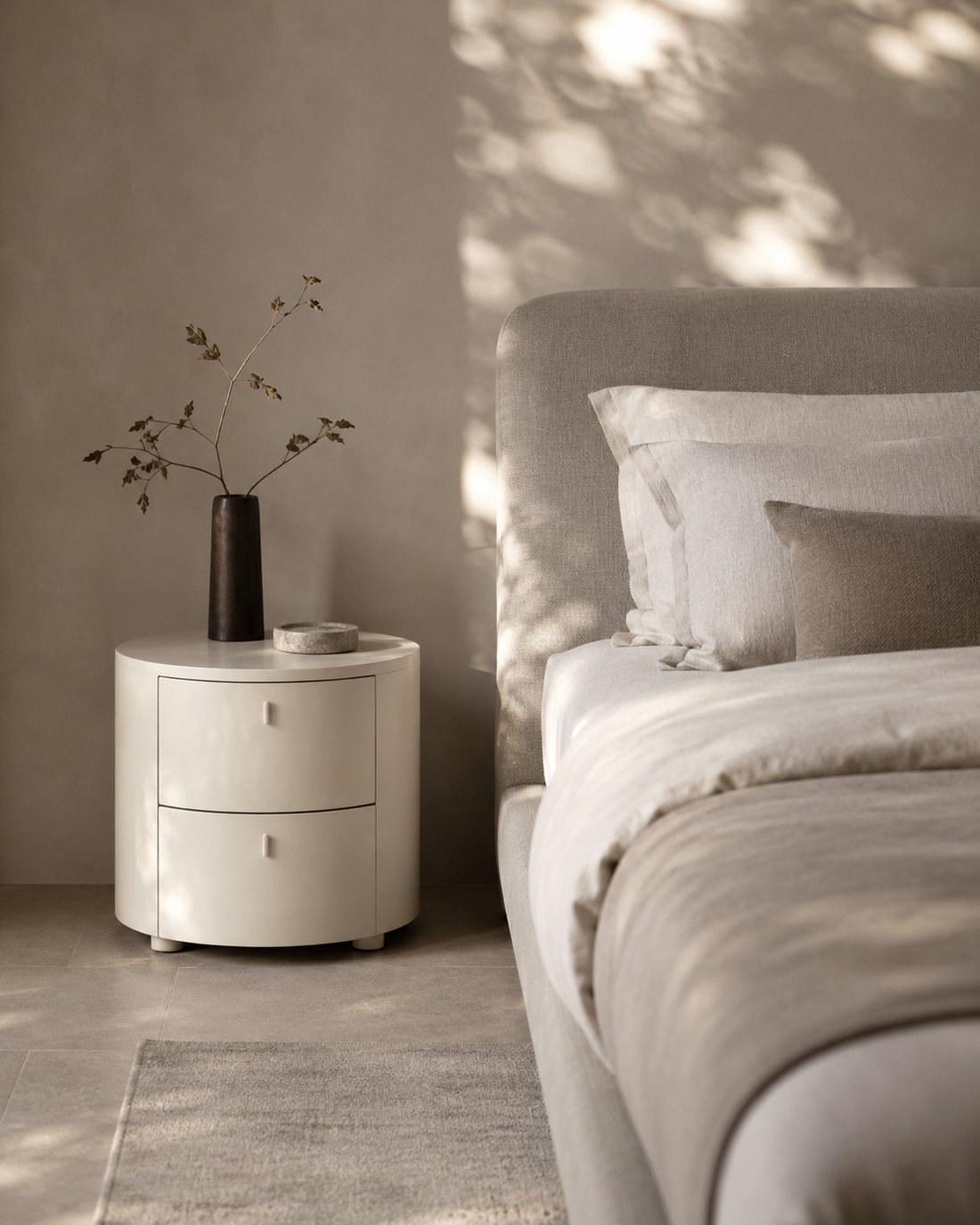 Sims Bedside Table - Matte Beige
- Regular price
-
- Regular price
-
- Sale price
-
-
Saviour Bedside Table - White Marble & Beige
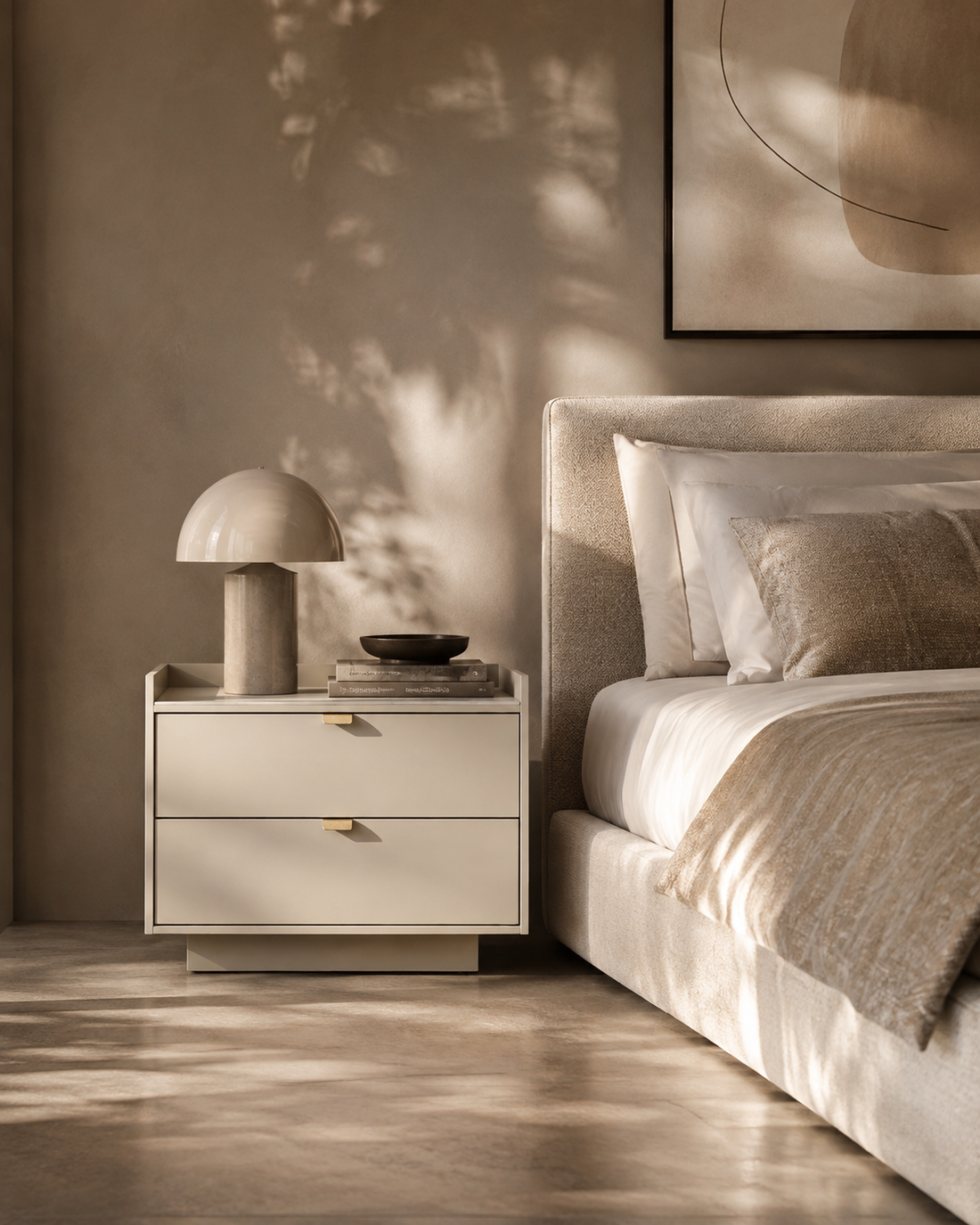 Saviour Bedside Table - White Marble & Beige
- Regular price
-
- Regular price
-
- Sale price
-
-
Dexter Bedside Table - Walnut - Pair
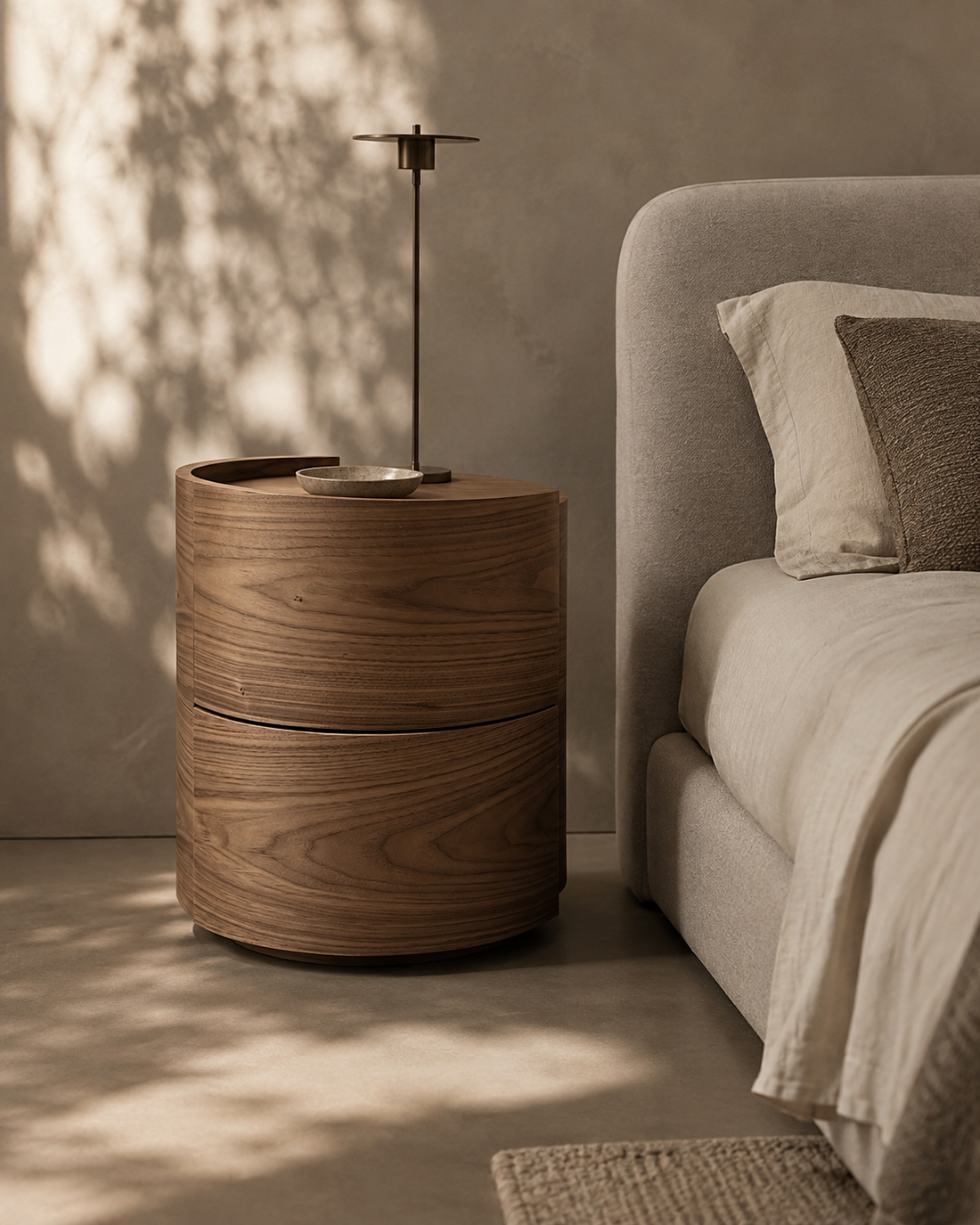 Dexter Bedside Table - Walnut - Pair
- Regular price
-
- Regular price
-
- Sale price
-
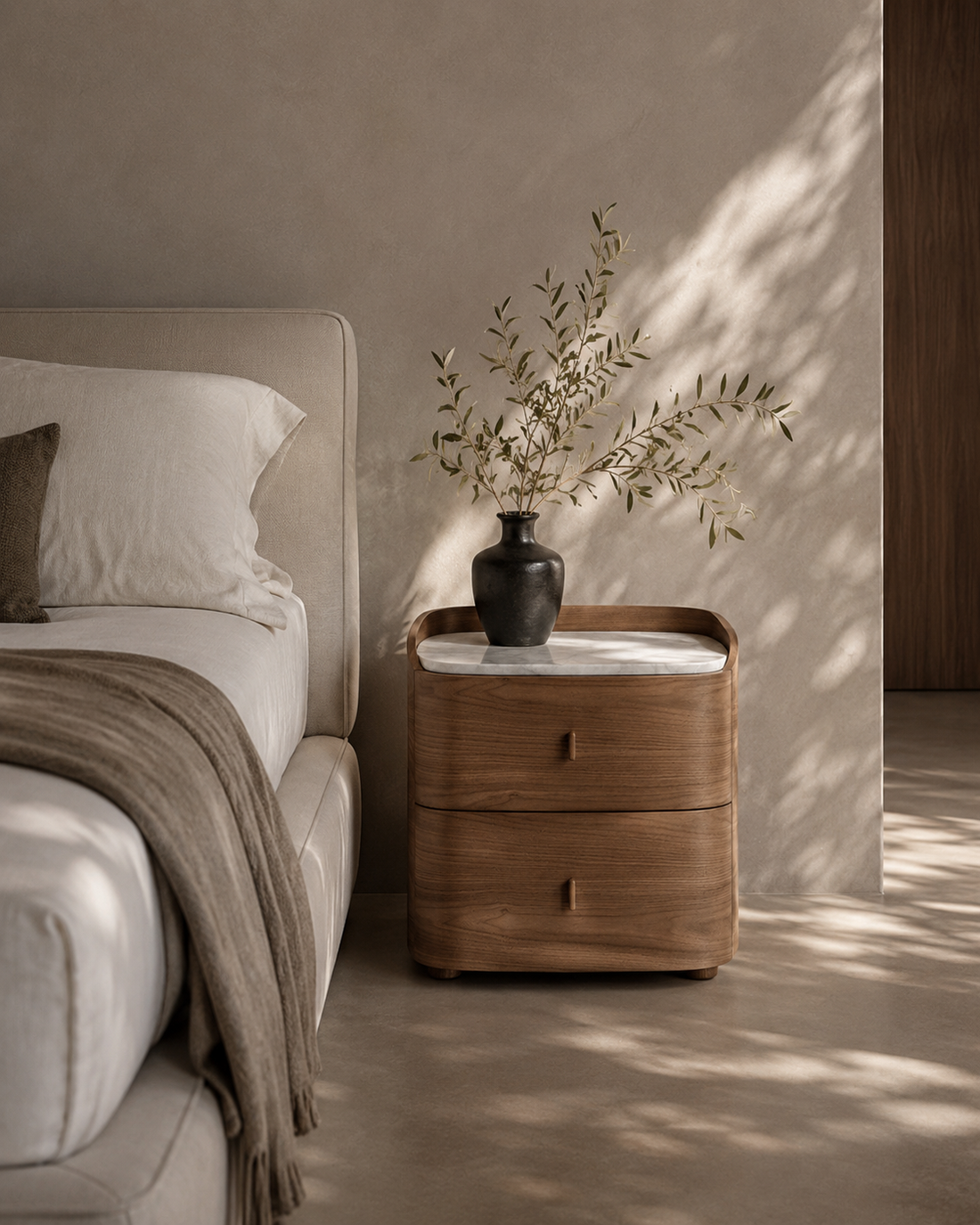
Disclaimer: All trademarks, brand names and product names mentioned on this website are the property of their respective owners. Any references are made for identification, informational or comparative purposes only, and do not imply any affiliation, endorsement, sponsorship or authorisation.