

Organic Mirror
An organic mirror is a contemporary mirror design defined by free-flowing, asymmetrical shapes inspired by nature rather than rigid geometry. Recognised for its sculptural presence and soft visual movement, the organic mirror has become a popular interior feature for spaces that prioritise warmth, balance and artistic expression.
Favoured by interior designers and independent retailers, organic mirrors introduce fluidity into modern interiors while maintaining practical functionality. Their irregular outlines soften architectural lines and create focal points in living rooms, bedrooms, hallways and hospitality environments where visual interest and atmosphere are equally important.
What Is an Organic Mirror?
An organic mirror refers to a mirror with a shape influenced by natural forms such as water, stone, clouds or abstract curves. Unlike rectangular or circular mirrors, organic mirrors avoid symmetry and sharp angles, offering a more relaxed and expressive aesthetic.
These mirrors are designed to act as decorative statements as well as functional reflective surfaces. Their appeal lies in their ability to enhance light and space while contributing to the overall design narrative of a room.
Organic mirrors are commonly produced in frameless styles or with subtle frames in finishes such as brushed brass, black metal or natural wood. This versatility allows them to integrate into a wide range of interior schemes, from minimalist and Scandinavian-inspired spaces to layered contemporary environments.
The growing popularity of organic mirrors reflects a wider interior trend towards softness, texture and visual movement rather than rigid structure.
Organic Mirror in Interior Design
In modern interior design, mirrors play a crucial role in shaping space and light. Organic mirrors are frequently used as feature pieces on walls where they can break up straight lines and introduce a sense of flow.
Living rooms benefit from organic mirrors positioned above console tables or sideboards, where their sculptural shape adds depth and visual rhythm. In bedrooms, they are often used above dressing tables or as statement wall pieces that contribute to a calm and balanced atmosphere.
Hallways and entrances particularly benefit from organic mirrors, as their reflective surface enhances brightness while creating a welcoming focal point. Their irregular shape adds character to narrow or transitional spaces that might otherwise feel plain.
In hospitality interiors such as boutique hotels, restaurants and reception areas, organic mirrors help establish brand personality. Their artistic quality makes them suitable for spaces that require decorative impact without excessive ornamentation.
Interior designers value organic mirrors for their adaptability. They can complement neutral interiors by adding form and interest or enhance decorative schemes by reinforcing a sense of curated individuality.
Materials and Finishes
Organic mirrors are produced using a range of materials that support both durability and visual appeal. Frameless designs offer a clean and modern look, allowing the mirror’s shape to take centre stage.
Framed organic mirrors often feature finishes such as brushed brass, satin nickel, matte black or natural wood. These finishes allow the mirror to coordinate with furniture, lighting and hardware across an interior scheme.
Glass quality is an important consideration. High-quality mirror glass provides clear reflection without distortion and ensures longevity in both residential and commercial environments.
Premium craftsmanship is essential in organic mirror design. Smooth edges, secure fixings and consistent finishes distinguish well-made mirrors from decorative imitations. These qualities ensure safety, durability and refined appearance over time.
Finish selection influences how the mirror interacts with surrounding décor. Warm metallic tones complement neutral and wood-based interiors, while black or cooler finishes suit contemporary spaces with stone, concrete or glass elements.
Choosing the Right Organic Mirror
Selecting the right organic mirror involves considering scale, placement and the role it will play within the space. Larger mirrors are ideal as statement pieces above console tables, fireplaces or sideboards, while smaller designs work well in bedrooms, bathrooms and compact hallways.
Proportion is key. An oversized mirror can dominate a room, while a mirror that is too small may lose visual impact. Designers often assess wall size and furniture placement before choosing the appropriate dimensions.
Colour and finish should coordinate with the surrounding interior. Neutral-framed or frameless mirrors integrate easily into most schemes, while metallic or wooden frames introduce contrast and texture.
Placement also affects functionality. In bedrooms and dressing areas, mirrors should be positioned at practical heights, while in living spaces they can be arranged purely for decorative effect.
Lighting plays an important role. Organic mirrors reflect natural and artificial light, helping to brighten rooms and create a sense of openness. Wall lights or table lamps positioned nearby can enhance this effect without causing glare.
Organic Mirror for Trade and Retail
Organic mirrors represent a commercially strong category for interior designers and independent retailers. Their broad aesthetic appeal makes them suitable for private homes, show homes, hotels and commercial interiors.
Retailers benefit from offering organic mirrors in a variety of sizes and finishes, allowing for coordinated visual merchandising across different room displays. These mirrors pair naturally with console tables, lighting and decorative accessories, encouraging multi-item purchasing.
Interior designers value organic mirrors for their ability to personalise spaces without relying on trend-driven décor. Their sculptural quality allows them to act as feature pieces across multiple projects while remaining timeless.
Trade professionals depend on reliable supply to meet project schedules. Access to a vast range of UK-held stock ensures continuity and consistency across installations. Free UK delivery on all items simplifies logistics and supports efficient planning.
No minimum order value allows designers and retailers to order flexibly, whether sourcing a single mirror for a private client or multiple units for a hospitality project. Strong resale margins make organic mirrors a profitable and dependable wholesale category.
Styling an Organic Mirror
Styling an organic mirror focuses on balance and integration rather than symmetry. In living rooms, mirrors are often placed above consoles with minimal accessories beneath to allow the shape to stand out.
Bedrooms benefit from organic mirrors positioned near natural light sources or beside lamps to enhance brightness and atmosphere. Pairing them with soft furnishings and neutral tones reinforces a calm aesthetic.
Hallways and staircases can feature organic mirrors as statement pieces that break up long wall surfaces and add visual movement. Grouping multiple mirrors with complementary shapes can also create an artistic gallery effect.
Accessories such as vases, plants and candles should complement rather than compete with the mirror. Natural textures and muted colours work particularly well alongside organic forms.
The objective is to ensure the mirror feels part of the wider interior story rather than an isolated decorative object.
Longevity and Design Value
One of the key strengths of organic mirrors is their longevity. Their natural shapes and understated finishes avoid reliance on short-lived trends, allowing them to remain relevant as interior styles evolve.
Designers increasingly favour mirrors that offer adaptability and enduring appeal. Organic mirrors can move between projects and rooms without appearing dated or overly specific to one style.
This longevity supports sustainable design thinking, where investment in quality pieces reduces the need for frequent replacement. Organic mirrors retain visual interest even as furniture and accessories change around them.
As interiors become more curated and expressive, mirrors continue to be viewed as design elements rather than purely functional items. Organic mirrors support this shift by combining reflection with sculptural presence.
Why Choose Tommy Franks?
Tommy Franks is a favourite among interior designers and independent retailers seeking mirrors that combine refined design with dependable supply. Carefully curated collections reflect contemporary British interiors, offering organic mirrors that balance elegance with everyday functionality.
Each piece is selected for premium craftsmanship and consistent quality, ensuring durability alongside visual appeal. With a vast range of UK-held stock, trade customers benefit from reliable availability and predictable lead times across projects.
Free UK delivery on all items removes logistical complexity, while no minimum order value provides flexibility for projects of every size. Competitive wholesale margins support strong resale performance, making Tommy Franks a trusted wholesale partner for professionals across the interior trade. Trade accounts are welcome, with straightforward onboarding designed to support designers and independent retailers alike.
Products
-
Sims Bedside Table - Matte Beige
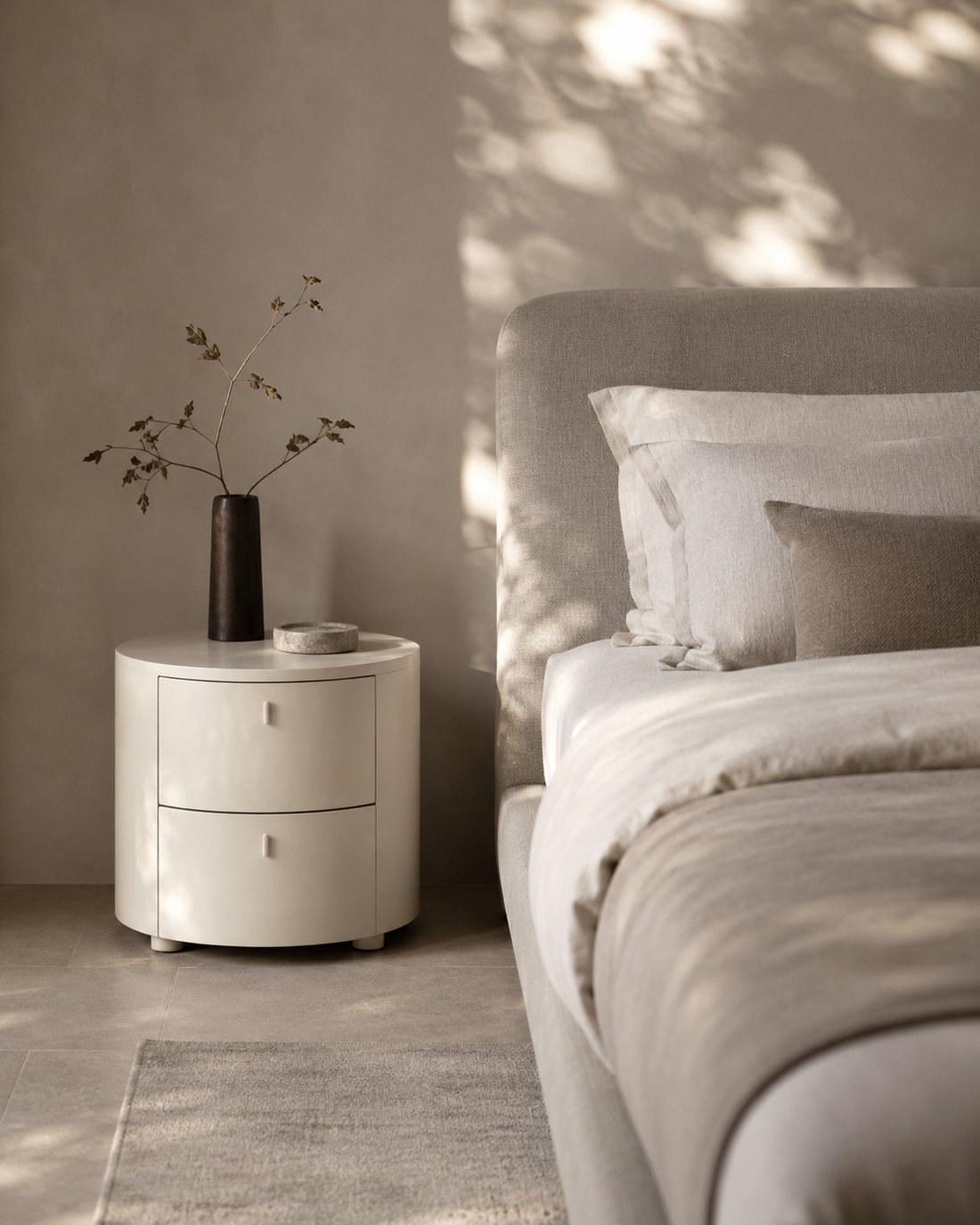 Sims Bedside Table - Matte Beige
- Regular price
-
- Regular price
-
- Sale price
-
-
Saviour Bedside Table - White Marble & Beige
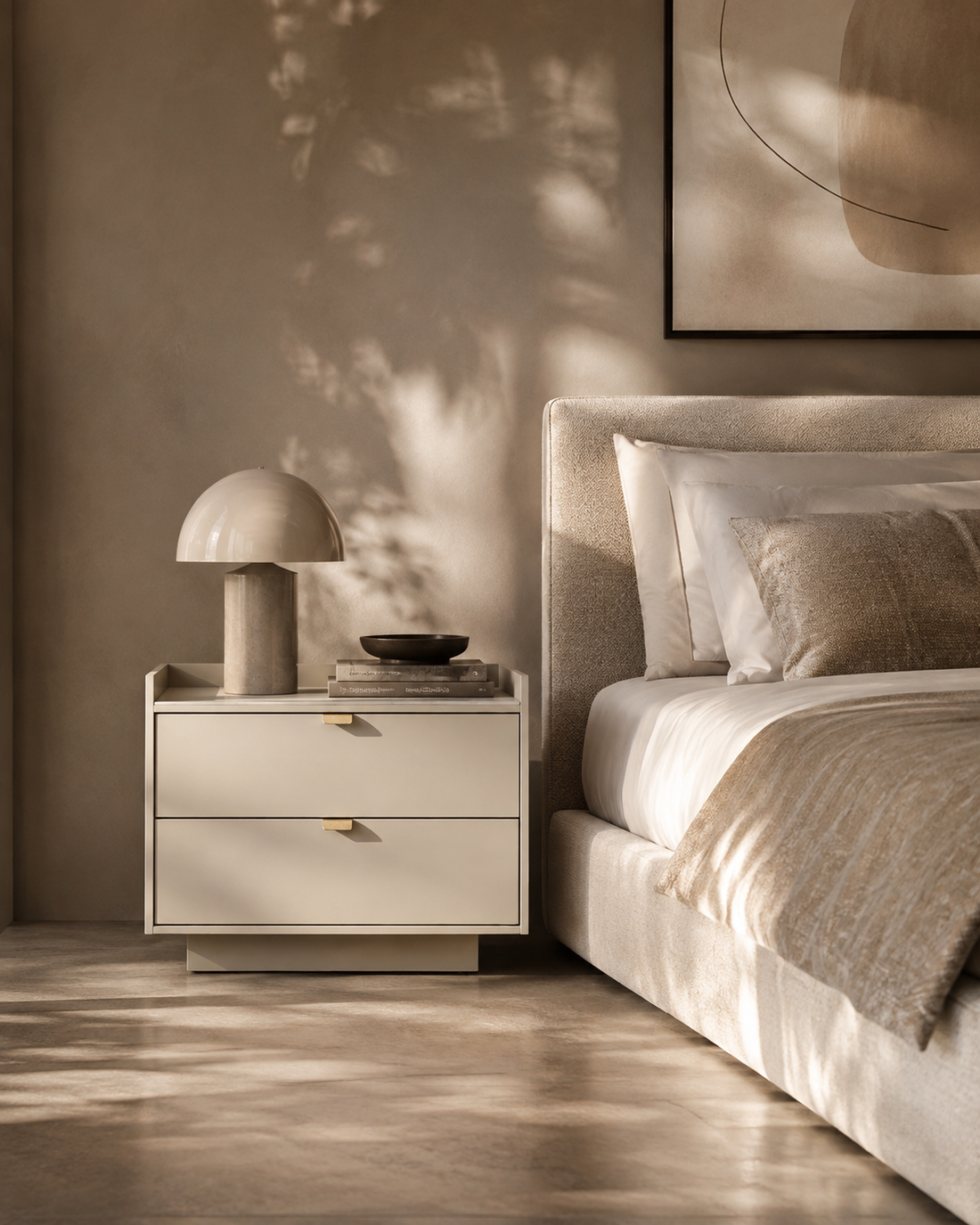 Saviour Bedside Table - White Marble & Beige
- Regular price
-
- Regular price
-
- Sale price
-
-
Dexter Bedside Table - Walnut - Pair
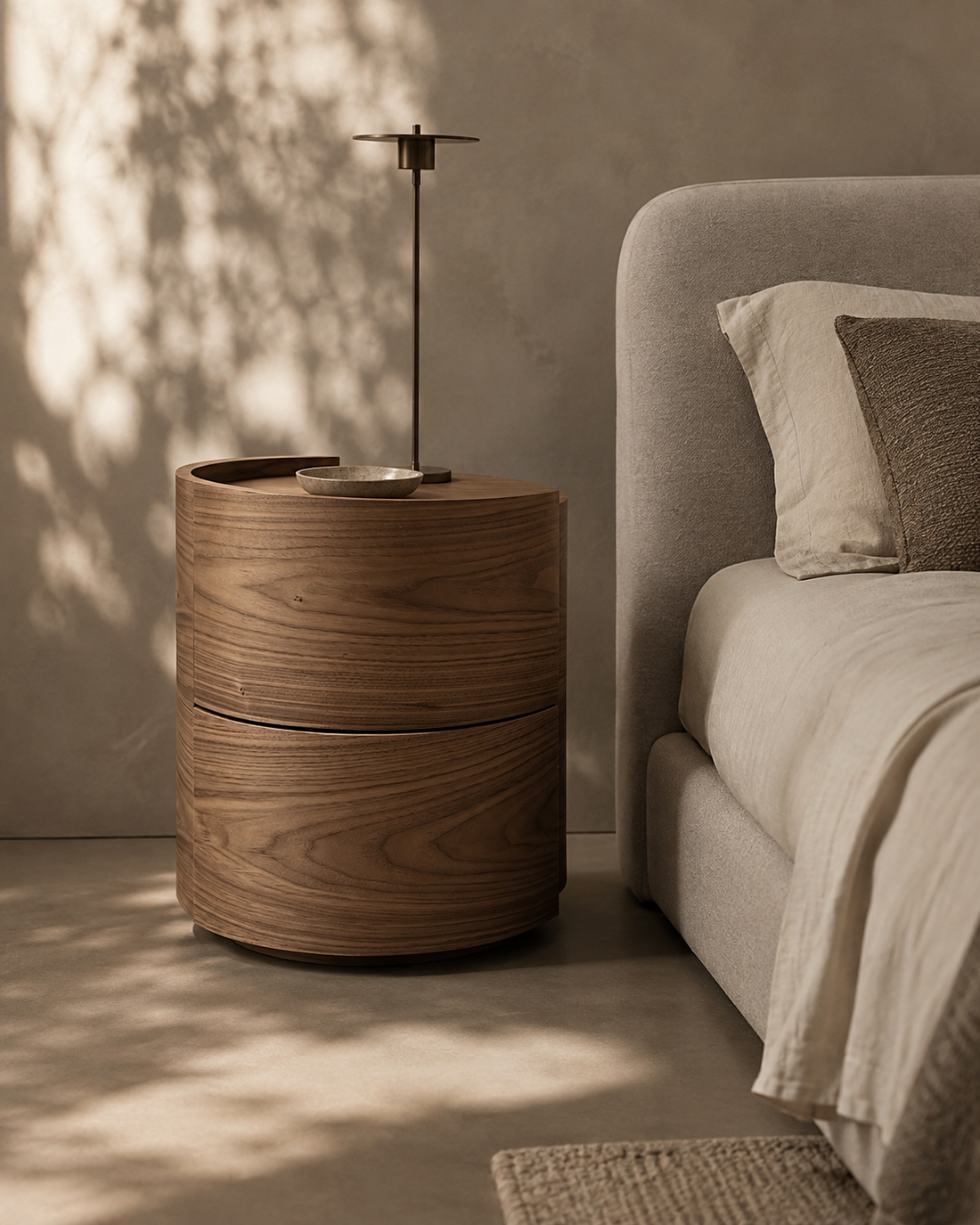 Dexter Bedside Table - Walnut - Pair
- Regular price
-
- Regular price
-
- Sale price
-
Disclaimer: All trademarks, brand names and product names mentioned on this website are the property of their respective owners. Any references are made for identification, informational or comparative purposes only, and do not imply any affiliation, endorsement, sponsorship or authorisation.