

Nesting Tables In Living Room
Nesting tables in the living room are a versatile furniture solution designed to provide flexible surface space while maintaining a clean and uncluttered interior aesthetic. These coordinated sets of tables are created to stack neatly together when not in use and separate easily when additional functionality is required, making them ideal for modern living environments where adaptability and style are equally important.
In contemporary interiors, nesting tables in the living room are valued for their ability to respond to changing needs without permanently occupying floor space. They offer both decorative appeal and everyday practicality, supporting relaxed living while enhancing the visual balance of the room.
What Are Nesting Tables in the Living Room Used For?
Nesting tables in the living room serve multiple purposes depending on how they are arranged and styled. When stacked together, they create a compact and visually refined focal point beside a sofa or armchair. When separated, they provide extra surfaces for drinks, books, lighting or decorative objects during social gatherings or family use.
Their flexible nature makes them particularly effective in smaller living rooms where space must be used efficiently. Instead of relying on one fixed coffee table, nesting tables can be repositioned to suit different seating layouts and occasions. This adaptability allows homeowners and designers to create dynamic spaces without introducing clutter.
In larger living rooms, nesting tables can be used to add depth and layering to seating areas. One table may sit beside a sofa, another near an accent chair and a third positioned as a subtle decorative element. This approach encourages fluid movement and enhances the overall composition of the room.
Design Characteristics of Nesting Tables in Living Room Interiors
Nesting tables in living room settings are defined by their coordinated proportions and refined silhouettes. Each table is designed to fit seamlessly beneath the next, maintaining visual harmony whether stacked or separated. Modern designs favour clean lines and balanced forms that integrate naturally into contemporary interiors.
Materials commonly used include solid wood, metal, glass and stone-effect surfaces. These are often combined to introduce contrast and texture without overwhelming the space. Wood offers warmth and character, while metal frames provide structure and a contemporary edge. Glass and stone finishes add a sense of lightness and architectural presence.
Detailing is typically subtle. Slim legs, softly rounded corners and smooth surfaces allow nesting tables to feel elegant and understated. Some designs incorporate sculptural bases or geometric shapes, turning the set into a statement feature within the living room.
Nesting Tables in Living Room Design Schemes
Interior designers frequently specify nesting tables in living room layouts because of their versatility and visual impact. They work well in minimalist schemes where clean lines and open space are prioritised, as well as in layered interiors that incorporate texture, pattern and decorative accessories.
In modern living rooms, nesting tables help define seating zones without interrupting circulation. They can be positioned between sofas and chairs or tucked neatly into corners when not required. This flexibility supports both everyday living and entertaining.
In open-plan spaces, nesting tables contribute to spatial structure. They provide subtle separation between lounging and dining areas while maintaining a sense of flow. Designers often coordinate nesting tables with coffee tables, console tables and sideboards to create cohesion throughout the room.
In hospitality and serviced apartment interiors, nesting tables enhance guest experience by offering convenient surfaces without crowding the layout. Their compact footprint and adaptability make them suitable for lounges, waiting areas and shared living spaces.
Materials and Finishes for Nesting Tables in Living Rooms
Material choice plays an important role in the appearance and durability of nesting tables in the living room. Solid wood remains popular for its warmth and natural texture, particularly in oak and walnut finishes. These designs suit both classic contemporary and transitional interiors.
Metal frames paired with marble, ceramic or stone-effect tops introduce a refined and architectural quality. This combination is often specified in modern and urban living rooms where contrast and structure are key design elements.
Glass nesting tables offer a lighter visual presence and are especially effective in smaller rooms where transparency helps maintain openness. Composite materials and engineered stone provide consistency of finish and strength for everyday use.
Premium craftsmanship ensures smooth edges, stable construction and long-lasting surfaces. High-quality nesting tables retain their appearance over time, making them suitable for both private homes and commercial living environments.
Choosing the Right Nesting Tables in Living Room Spaces
Selecting the appropriate nesting tables in the living room requires consideration of scale, placement and intended use. The tables should be proportionate to surrounding furniture such as sofas and armchairs, ensuring balance within the seating arrangement.
In compact living rooms, slim-profile designs preserve circulation and avoid visual congestion. Larger rooms can accommodate more substantial nesting sets that act as design anchors within the space.
Height variation between tables is another key factor. Well-designed sets provide practical differences in height, allowing each table to function independently without appearing awkward or mismatched.
Finish selection should align with the broader interior palette. Designers often coordinate nesting tables with lighting fixtures, coffee tables or decorative accessories to achieve a cohesive and considered look throughout the living room.
Nesting Tables in Living Room Trade and Retail Applications
Nesting tables in the living room represent a dependable category for interior designers and independent retailers due to their broad appeal and strong commercial performance. Their versatility makes them suitable for a wide range of clients, from homeowners furnishing apartments to developers styling show homes and hospitality interiors.
Retailers benefit from offering nesting tables because they can be styled in multiple ways and paired with sofas, chairs and decorative accessories. Designers appreciate their adaptability across different schemes and projects without compromising design integrity.
Access to a vast range of UK-held stock is essential for trade professionals working to deadlines. Reliable availability reduces lead times and supports consistent project delivery. Free UK delivery on all items simplifies logistics and improves efficiency for both large and small orders.
No minimum order value allows designers and retailers to purchase with flexibility, whether sourcing for a single room or a complete development. Strong resale margins make nesting tables an attractive wholesale product within coordinated living room collections.
Styling Nesting Tables in the Living Room
Styling nesting tables in the living room requires balance and restraint. A simple arrangement of books, a sculptural object and a table lamp can transform a nesting set into a refined focal point.
When separated, each table can be styled individually to support different seating areas. One may hold a drink or remote control, while another displays decorative accessories or lighting. This layered approach adds depth and visual interest without overwhelming the room.
Plants and modern decorative pieces introduce organic contrast and soften the geometry of contemporary designs. Lighting enhances surface finishes and highlights materials, particularly in evening settings where reflections and textures become more pronounced.
The aim is to ensure the nesting tables feel integrated into the wider living room scheme rather than appearing as isolated elements.
Benefits for Interior Designers and Independent Retailers
Nesting tables in the living room offer practical and aesthetic advantages for trade professionals. Their flexible nature allows them to be specified across residential, hospitality and commercial interiors with ease.
For interior designers, nesting tables provide adaptable styling options and support efficient space planning. For independent retailers, they offer customers a functional yet decorative solution that complements a wide range of furniture collections.
With UK stock availability, free UK delivery and no minimum order value, nesting tables become an efficient and commercially viable product category for trade accounts seeking both quality and reliability.
Why Choose Tommy Franks?
Tommy Franks is a favourite among interior designers and independent retailers seeking nesting tables in the living room that combine refined design with dependable supply. Carefully curated collections reflect contemporary British interiors, offering pieces that balance elegance with everyday practicality.
Each nesting table set is selected for premium craftsmanship and consistent finish, ensuring durability alongside visual appeal. With a vast range of UK-held stock, trade customers benefit from reliable availability and predictable lead times across projects.
Free UK delivery on all items removes logistical complexity, while no minimum order value provides flexibility for projects of every size. Competitive wholesale margins support strong resale performance, making Tommy Franks a trusted wholesale partner for professionals across the interior trade. Trade accounts are welcome, with straightforward onboarding designed to support designers and independent retailers alike.
Products
-
Sims Bedside Table - Matte Beige
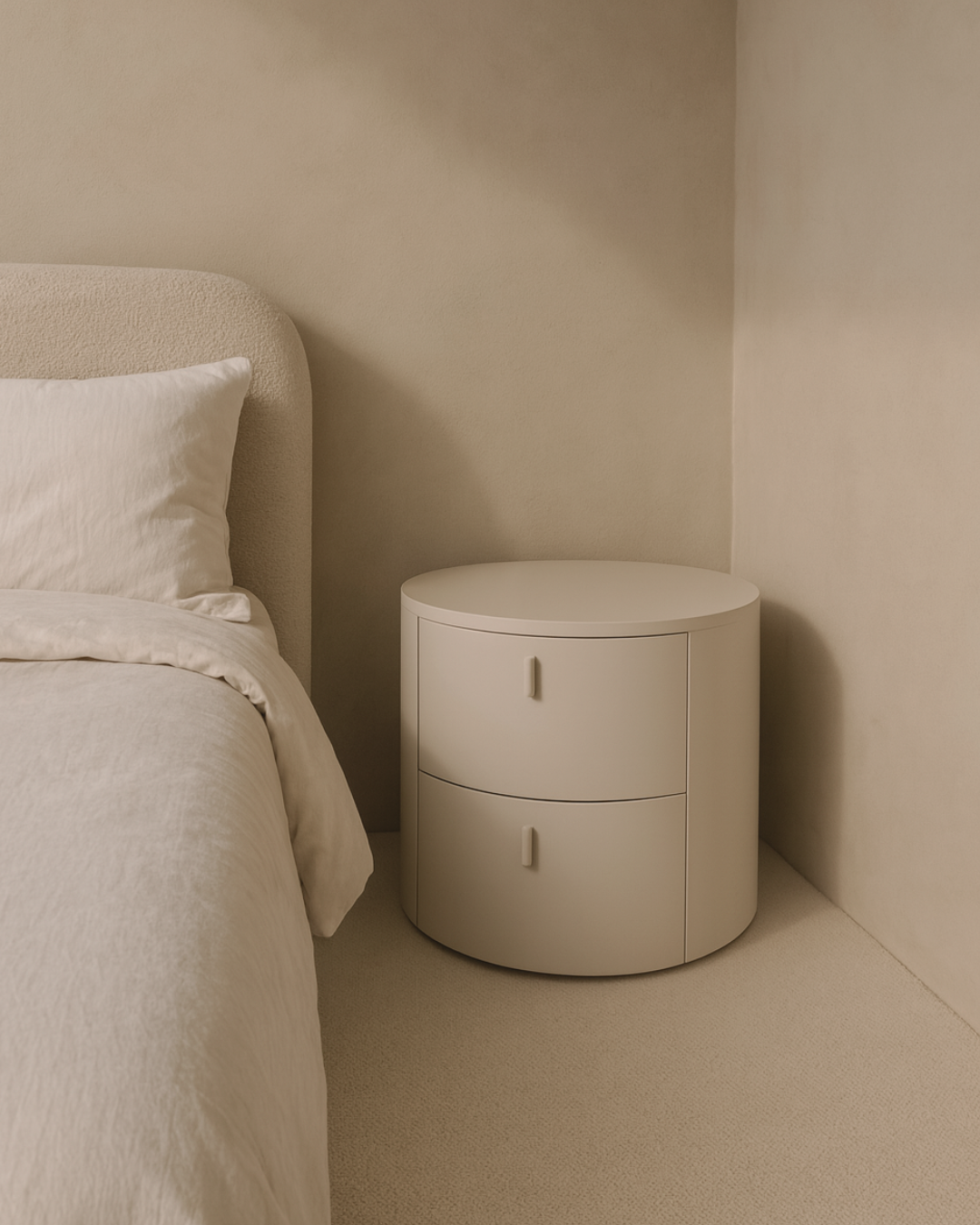 Sims Bedside Table - Matte Beige
- Regular price
-
- Regular price
-
- Sale price
-
-
Saviour Bedside Table - White Marble & Beige
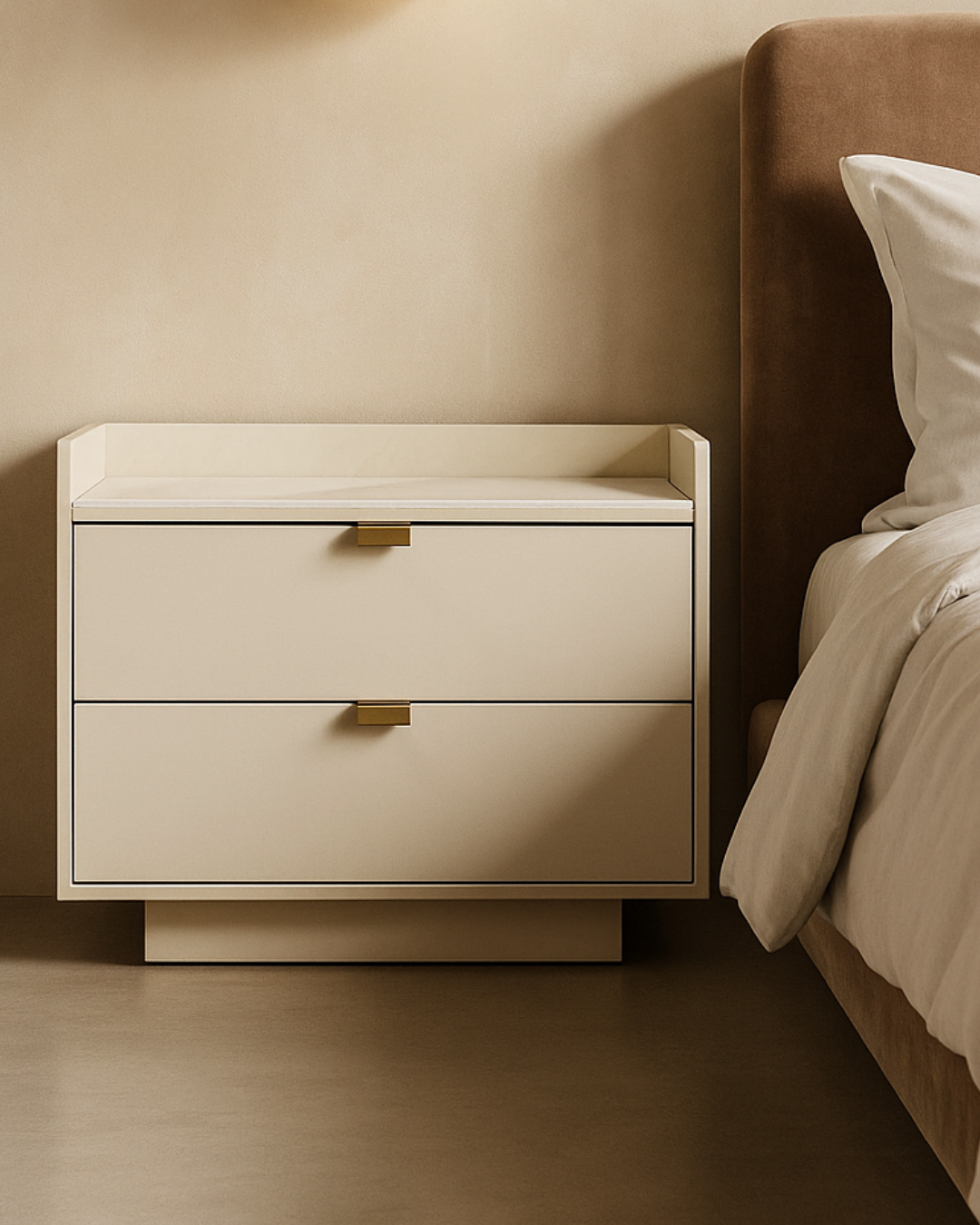 Saviour Bedside Table - White Marble & Beige
- Regular price
-
- Regular price
-
- Sale price
-
-
Dexter Bedside Table - Walnut - Pair
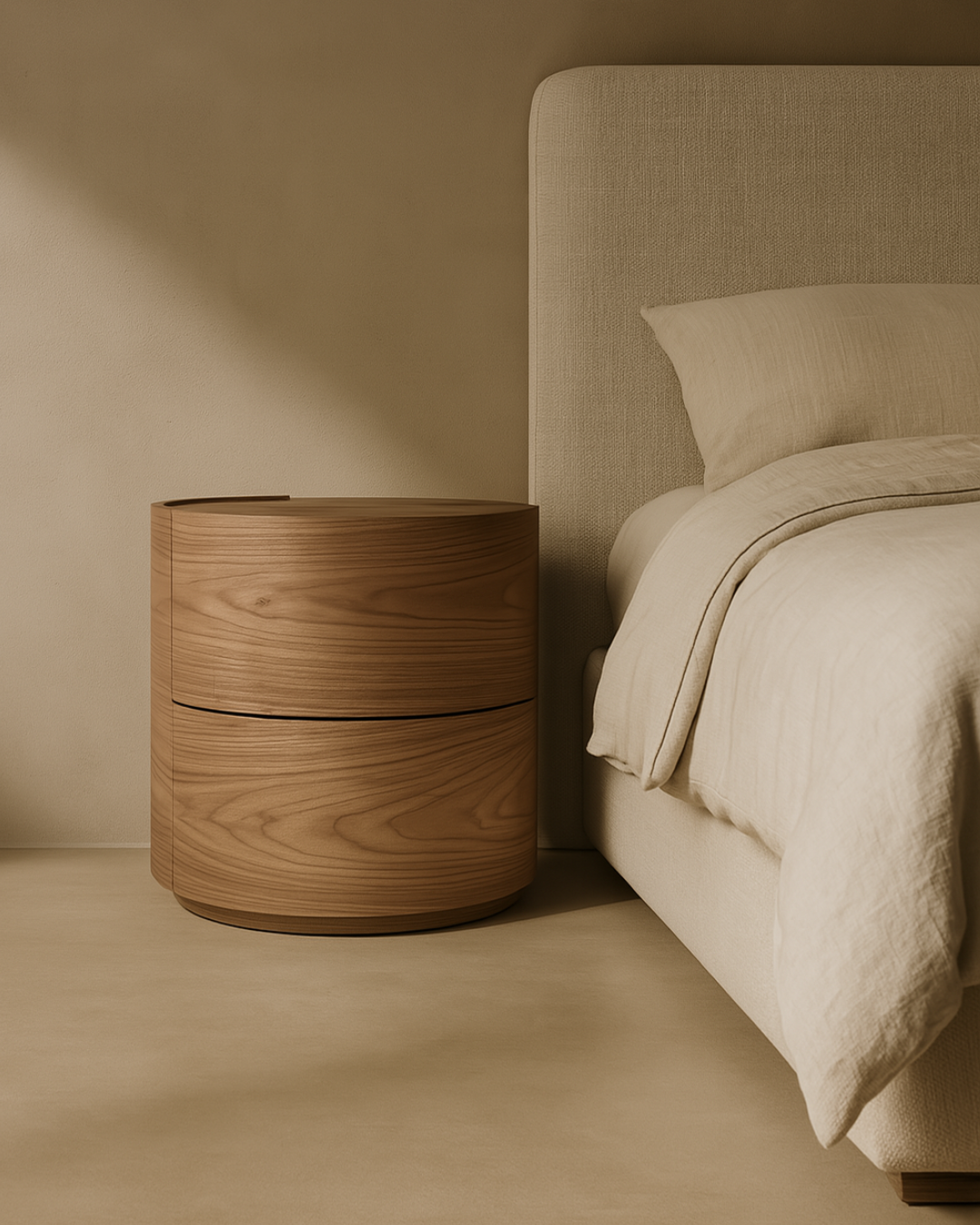 Dexter Bedside Table - Walnut - Pair
- Regular price
-
- Regular price
-
- Sale price
-
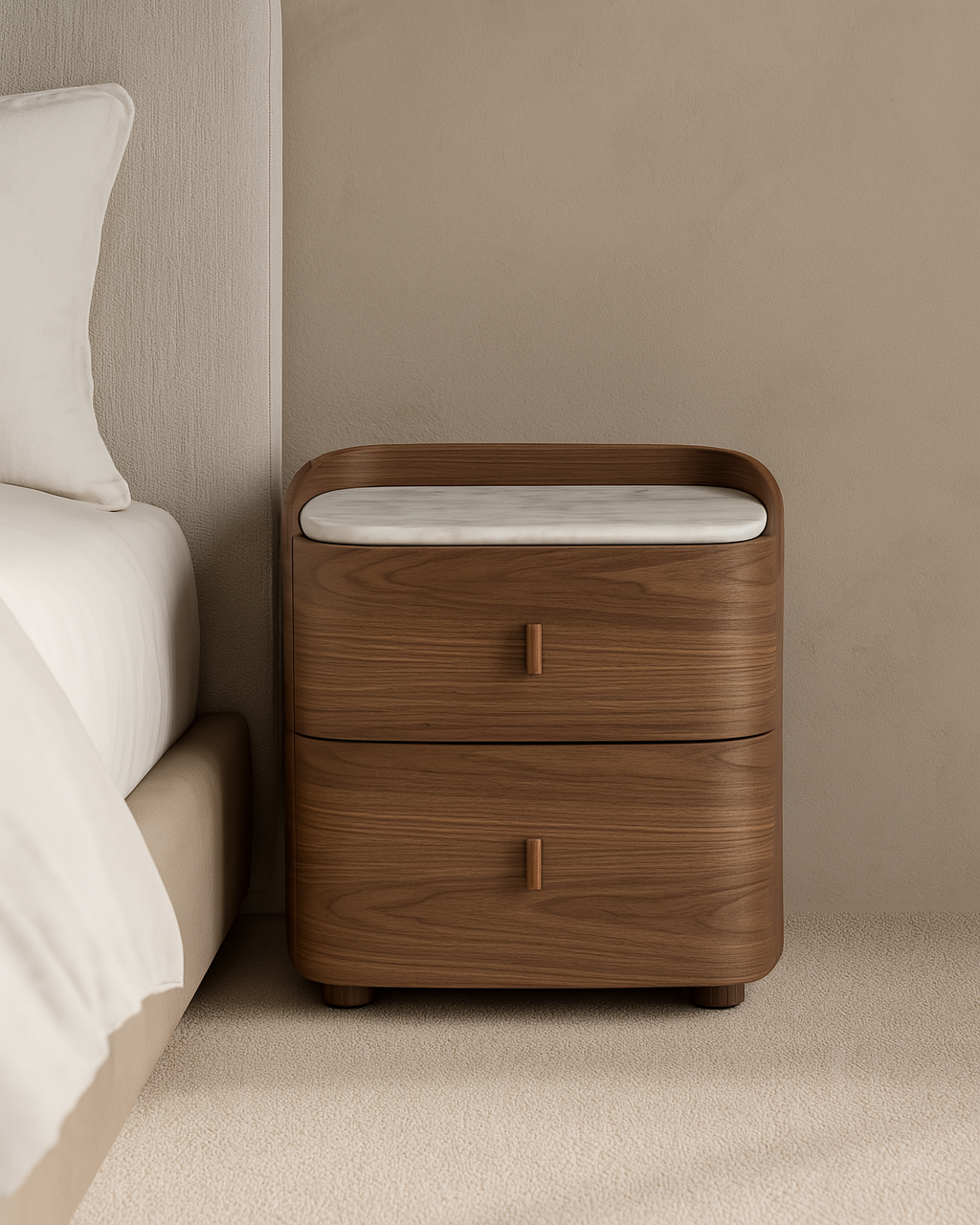
Disclaimer: All trademarks, brand names and product names mentioned on this website are the property of their respective owners. Any references are made for identification, informational or comparative purposes only, and do not imply any affiliation, endorsement, sponsorship or authorisation.