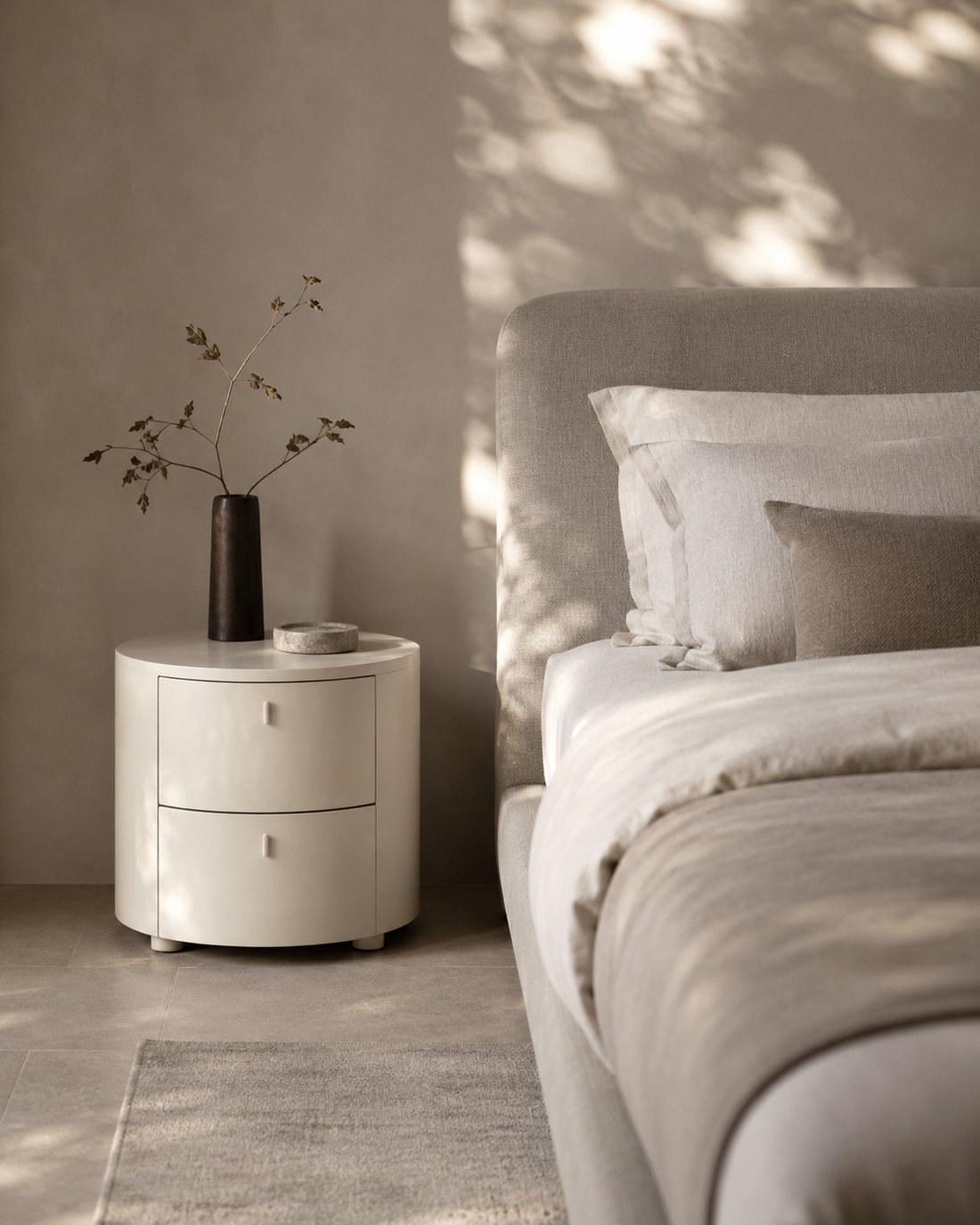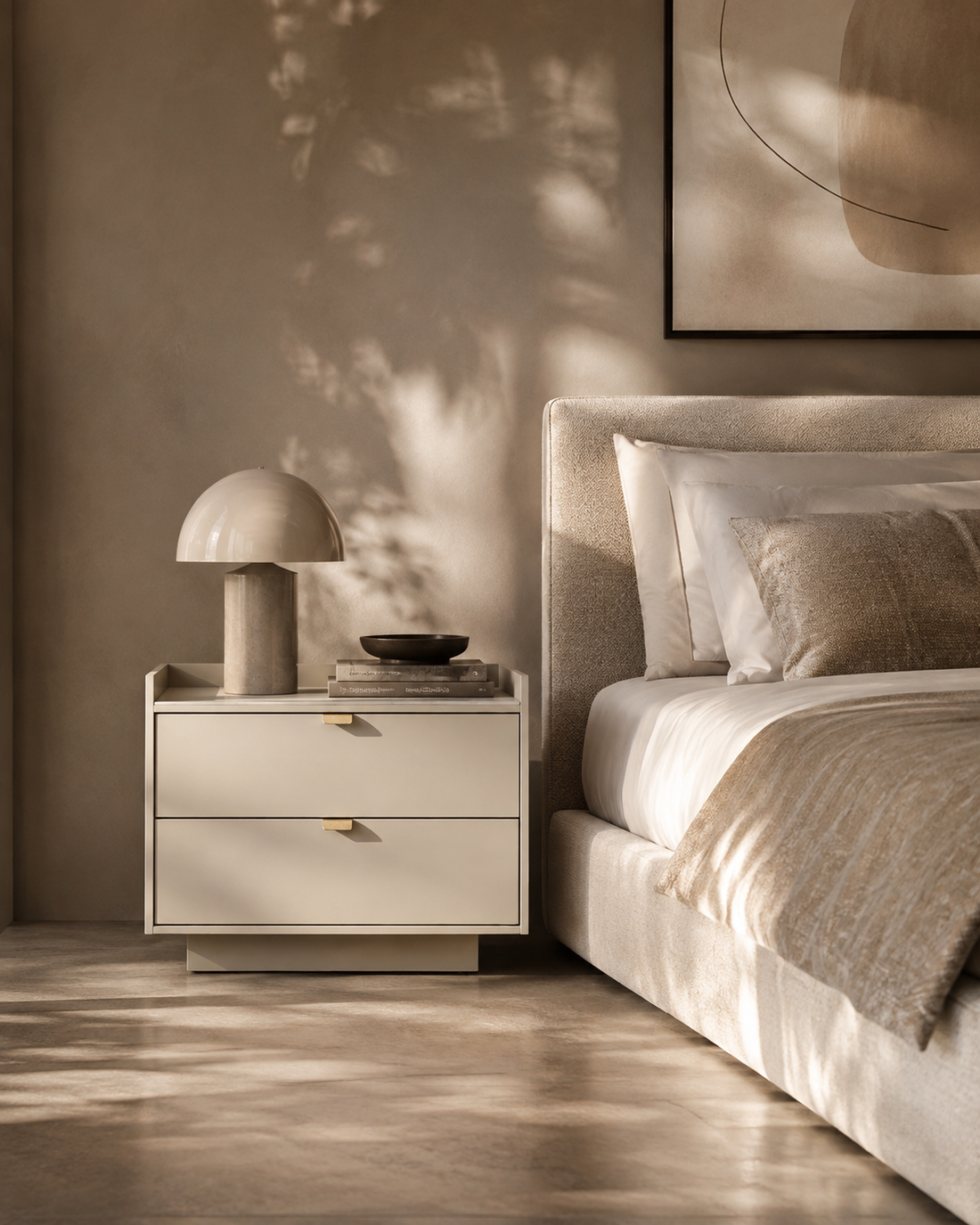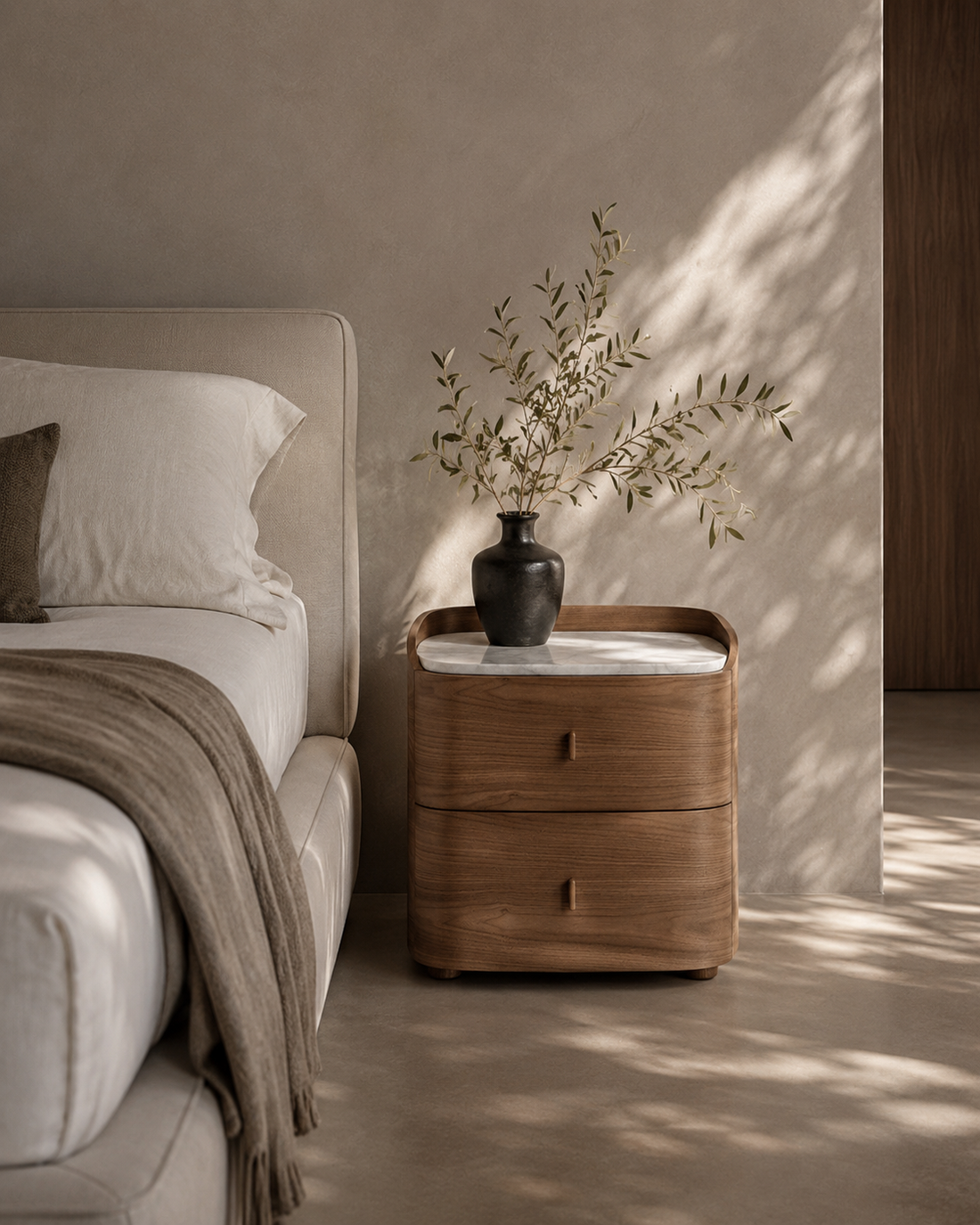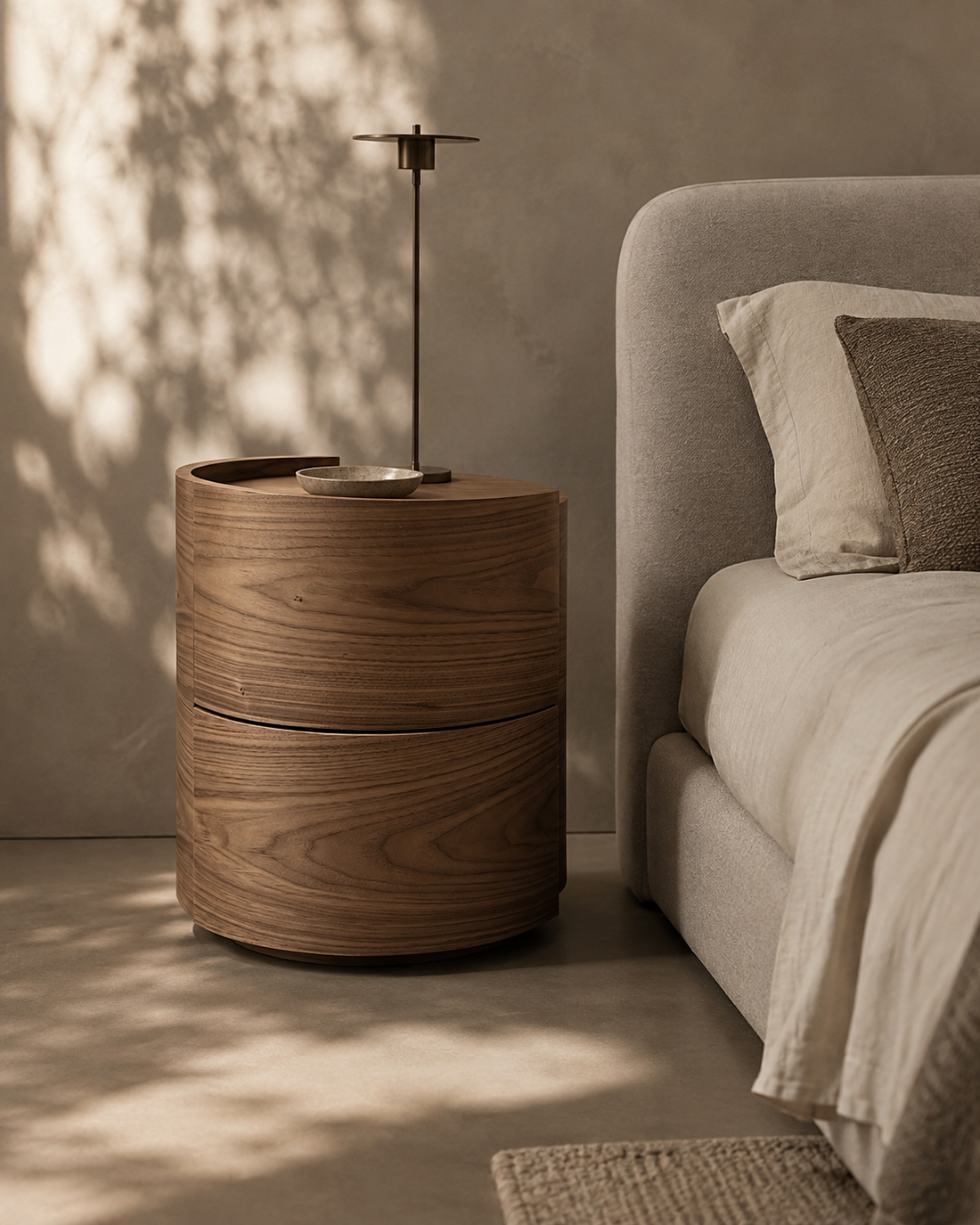
A mid century media unit is a stylish storage and display piece designed in the spirit of mid‑20th century aesthetics, blending functional organisation with iconic design language. Defined by clean lines, tapered legs, warm wood tones and thoughtful proportions, a mid century media unit brings both form and function to living spaces, particularly as a focal point for media equipment, consoles and curated décor displays.
In the UK market, interest in mid century design continues to flourish thanks to its timeless appeal and adaptability across interiors — from contemporary lofts to traditional homes seeking a modern classic touch. For trade buyers and designers, a mid century media unit offers a compelling combination of aesthetic heritage and practical usability.
What Defines a Mid Century Media Unit
Mid century design — rooted in post‑war innovation — emphasises simplicity, honesty of materials and purposeful form. A mid century media unit typically embodies these principles through:
-
Refined geometry: Straight or subtly curved lines that resist unnecessary ornamentation.
-
Warm timber finishes: Teak, walnut and oak featuring natural grain that enriches interiors.
-
Elevated leg profiles: Tapered, splayed or distinct leg details that lift the design visually and physically.
-
Functional storage: Drawers, shelves and compartments sized to accommodate media devices, consoles and accessories.
Unlike purely contemporary styles, mid century pieces draw inspiration from design movements of the 1950s and 1960s while remaining relevant to modern lifestyles. This balance of heritage and current appeal makes a mid century media unit a versatile choice for designers and retailers alike.
Key Features and Considerations
When specifying or sourcing a mid century media unit, several factors contribute to both aesthetic satisfaction and commercial performance:
Materials and Build Quality
Solid timber and engineered wood with quality veneers provide warmth and longevity. The tactile quality of timber grain adds character, while durable construction ensures the piece withstands daily use. Hardware such as soft‑close drawers and integrated cable access channels enhance functionality without detracting from design integrity.
Proportion and Scale
A media unit should relate well to the surrounding furniture and screen size. Oversized units risk overwhelming smaller spaces, while undersized designs may lack presence. Thoughtful proportion ensures the unit performs as both a functional storage hub and a visual anchor.
Storage and Organisation
Mid century media units often include a combination of open shelving for AV components and concealed storage for accessories. Adjustable shelving enhances adaptability for trade customers catering to diverse user needs.
Finish and Detailing
Finishes range from natural wood tones to subtle two‑tone contrasts that accentuate design lines. Tapered legs and restrained hardware contribute to the authentic mid century feel while supporting contemporary sensibilities.
Styling Mid Century Media Units in UK Interiors
Mid century media units integrate well with a range of UK interior schemes. In urban apartments, a compact unit with warm walnut veneer pairs beautifully with neutral upholstery, textured rugs and minimalist lighting. In larger living rooms, a longer unit can anchor the TV wall, offering storage while balancing scale.
Pairing mid century units with complementary furniture — such as low profile sofas, vintage‑inspired lighting and curated display pieces — reinforces a cohesive look. Accessories in ceramic, glass or subtle metallics enhance the narrative without overwhelming the piece’s inherent design language.
For retailers and designers, demonstrating the media unit in styled vignettes helps convey its versatility — whether as a central entertainment hub or as part of a multi‑functional living space.
Benefits for Interior Designers and Retailers
Mid century media units are a strategic category for trade buyers because they resonate with both enduring design trends and practical demands.
For interior designers, these units provide reliable visual language that integrates seamlessly with diverse schemes. Their proportionate forms offer balance and continuity, whether specified for residential projects, hospitality spaces or show homes.
For independent retailers, mid century media units offer strong commercial appeal. They cross‑sell effectively with complementary items such as coffee tables, lighting and accessories, increasing average basket value. Their timeless aesthetic ensures broad customer resonance — from design aficionados to first‑time buyers seeking a classic contemporary piece.
Tommy Franks is a favourite among interior designers and independent retailers throughout the UK for sourcing well‑designed furniture that aligns with shifting tastes and enduring design principles. Trade accounts welcome buyers seeking quality, service and flexible purchasing options.
Retail partners benefit from a vast range of UK‑held stock of mid century media units, ensuring consistent availability and swift fulfilment. Free UK delivery on all items and no minimum order value make stocking mid century media units straightforward, whether for boutique showrooms or larger retail environments. Competitive wholesale margins provide strong resale potential, all underpinned by a reliable UK supply chain focused on efficiency and quality.
Choosing the Right Mid Century Media Unit
Selecting the ideal mid century media unit involves balancing design, function and practical considerations. Trade buyers should consider:
-
Room dimensions: Choose a unit that complements the scale of the room and the intended screen size.
-
Storage needs: Evaluate the balance between open shelving for AV components and concealed storage for clutter.
-
Material finishes: Ensure finishes harmonise with surrounding furniture and interior palettes.
Mid century media units with adaptable shelving and built‑in cable management enhance usability and appeal to a broader audience, from families to urban professionals.
Tommy Franks curates mid century media units with these considerations in mind, offering designs that reflect contemporary UK trends and commercial viability. Each piece is selected for its craftsmanship, aesthetic integrity and suitability for modern living.
Installation and Aftercare
Correct installation ensures both function and visual impact. Position the media unit to allow adequate ventilation for electronic components, and organise cables discreetly to maintain a clean look. Adjust shelving as needed to accommodate devices of varying heights.
Aftercare for timber surfaces generally involves gentle dusting with a soft cloth and, where appropriate, periodic conditioning to maintain finish integrity. Avoid harsh chemical cleaners to preserve the veneer and hardware finishes. Providing clear aftercare guidance enhances customer satisfaction and supports repeat business for retailers.
Why Choose Tommy Franks?
Tommy Franks combines premium craftsmanship with commercially aware collections, making mid century media units a compelling choice for trade buyers across the UK. With carefully curated designs that reflect both classic design principles and contemporary lifestyle needs, trade partners have access to pieces that balance refined aesthetics with everyday performance.
The brand’s vast range of UK‑held stock ensures dependable availability, with free UK delivery on all items and no minimum order value for flexible purchasing. Interior designers and independent retailers alike appreciate the competitive wholesale margins and straightforward trade account support, all backed by a reliable UK supply chain.
By offering well‑designed mid century media units alongside complementary furniture and accessories, Tommy Franks supports cohesive interior schemes and strong retail performance.