

Art Sculpture
Art sculpture is a three-dimensional decorative form designed to introduce depth, movement and artistic expression into interior spaces. Unlike flat wall art, sculpture engages with its surroundings from multiple angles, creating visual interest and a sense of presence within a room. From abstract forms to figurative designs, art sculpture plays a central role in shaping the character and atmosphere of both residential and commercial interiors.
In British interiors, art sculpture is valued for its ability to act as a focal point while maintaining a refined and curated aesthetic. Whether displayed on console tables, shelving, pedestals or sideboards, sculpture brings individuality and sophistication to contemporary and classic design schemes alike.
What Is Art Sculpture?
Art sculpture refers to decorative objects created in three dimensions to express artistic form and design. These pieces can be symbolic, abstract or representational, and are selected not only for their visual appeal but for the way they interact with light, space and surrounding furnishings.
Interior designers often use art sculpture to add structure and narrative to a room. Unlike functional accessories, sculpture is chosen as a statement element that reflects personal taste and design intent. Its physical form creates shadows and highlights, adding texture and visual rhythm to interiors.
Art sculpture can range from small tabletop pieces to larger freestanding designs, making it suitable for varied environments including living rooms, bedrooms, hallways, offices and hospitality spaces.
Design Styles and Artistic Expression
Art sculpture spans a wide range of styles, allowing it to complement diverse interior aesthetics. Abstract sculptures are popular in contemporary interiors for their fluid lines and modern presence. These pieces focus on form and movement rather than literal representation, creating intrigue and conversation.
Figurative sculptures draw inspiration from human or animal forms, offering a more classical or narrative quality. They work particularly well in traditional interiors or spaces seeking a sense of heritage and artistic reference.
Geometric sculptures emphasise symmetry and structure, aligning with modern and art deco-inspired interiors. Their clean lines and balanced proportions bring order and clarity to a space.
Organic designs, influenced by nature, introduce softness and flow through curved shapes and textured surfaces. These pieces pair well with natural materials such as wood and stone, creating harmony within neutral or earthy colour schemes.
The versatility of art sculpture allows designers to layer meaning and visual interest into interiors without relying solely on furniture or wall décor.
Materials and Craftsmanship
The material of an art sculpture plays a significant role in defining its character and durability. Metal sculptures, often finished in bronze, gold or matte black tones, convey strength and modern elegance. Their reflective qualities enhance lighting and create striking contrasts within a room.
Ceramic and resin sculptures offer flexibility in shape and texture, enabling intricate designs and smooth finishes. These materials are ideal for tabletop and shelf displays where detail and proportion are important.
Stone-effect and marble-look sculptures introduce a sense of permanence and luxury, making them suitable for statement placements in living areas and reception spaces. Wood sculptures provide warmth and organic texture, softening contemporary interiors and adding natural depth.
Premium craftsmanship ensures balanced proportions, stable bases and refined finishes. A well-made art sculpture should feel substantial and visually harmonious, rather than purely decorative or lightweight in appearance.
Styling Art Sculpture in the Home
Styling art sculpture requires careful consideration of scale, placement and surrounding elements. Smaller sculptures work well on coffee tables, sideboards and shelving units, where they can be viewed closely and appreciated for detail.
Larger pieces suit open areas such as entrance halls, corners of living rooms or alongside feature furniture. Positioned on plinths or pedestals, they become focal points that define the space.
In living rooms, art sculpture can be used to complement seating arrangements and soften architectural lines. Pairing sculpture with books, vases or candles creates layered compositions that feel curated rather than staged.
Bedrooms benefit from subtle sculptural accents on dressers or bedside cabinets, adding artistic depth without overwhelming the room. Hallways and staircases are ideal for introducing vertical or freestanding sculptures that guide the eye and create visual flow.
Lighting is essential in highlighting sculpture. Natural light emphasises form and texture, while directional lamps or spotlights enhance shadows and contours, giving the piece greater presence.
Art Sculpture in Commercial Interiors
In commercial and hospitality environments, art sculpture contributes to identity and atmosphere. Boutique hotels, serviced apartments and corporate spaces use sculpture to create memorable interiors that reflect their brand and design values.
Reception areas and lobbies benefit from statement sculptures that establish a sense of arrival and distinction. In restaurants and lounges, smaller sculptural pieces can define tables and shelving, adding sophistication without crowding the space.
Retail showrooms use art sculpture to demonstrate how decorative objects can elevate interiors and complete design schemes. Sculpture encourages customers to engage visually and emotionally with a space, strengthening the impact of product displays.
Durability and finish consistency are crucial in these settings. High-quality materials and construction ensure that sculptures maintain their appearance despite regular handling and exposure.
Trade and Wholesale Positioning
For interior designers and independent retailers, art sculpture represents a commercially strong category with broad creative and retail appeal.
Trade professionals benefit from access to vast ranges of UK-held stock, enabling reliable project scheduling and shorter lead times. Free UK delivery on all items supports efficient logistics and cost control, while no minimum order value allows designers and smaller retailers to order exactly what they need without volume commitments.
Strong resale margins make art sculpture attractive for retailers, as these pieces are often purchased as statement accessories alongside furniture and wall art. Easy trade account onboarding further supports professionals by simplifying sourcing and procurement.
The combination of artistic value and dependable supply makes this category particularly suitable for trade-focused purchasing.
Choosing the Right Art Sculpture
Selecting the right art sculpture depends on the size of the space, the desired visual impact and the overall interior style. Larger sculptures suit open-plan areas and entrance spaces where they can be fully appreciated. Smaller pieces are ideal for shelves, tables and layered displays.
Material choice should complement existing finishes and textures. Metal and stone-effect sculptures suit contemporary and formal interiors, while wood and ceramic designs work well in relaxed or organic schemes.
Colour selection is also important. Neutral tones integrate easily into refined interiors, while darker or metallic finishes provide contrast and drama. The form of the sculpture should harmonise with surrounding furniture and architectural features to ensure cohesion.
For trade buyers, offering a curated selection of art sculpture in varied sizes, materials and styles ensures relevance across different client projects and preferences.
Benefits for Interior Designers and Retailers
Interior designers value art sculpture for its ability to introduce artistic expression and structure into interiors without structural changes. Sculpture allows spaces to feel complete and thoughtfully designed, enhancing both visual and emotional appeal.
Retailers benefit from the decorative strength of this category, attracting customers seeking statement accessories that elevate their homes or commercial spaces. Sculptural pieces are often purchased alongside lighting, mirrors and furniture, increasing overall order value and supporting cohesive merchandising.
With UK stock availability, professionals can plan confidently and meet deadlines. Free UK delivery on all items supports streamlined logistics, while no minimum order value ensures flexibility for businesses of every size. Competitive wholesale margins further strengthen the commercial potential of this category.
Why Choose Tommy Franks?
Tommy Franks is a favourite among interior designers and independent retailers seeking premium decorative accessories with dependable availability. Carefully curated collections reflect refined British interiors, combining artistic expression with practical design.
Each art sculpture is produced with premium craftsmanship and attention to detail, ensuring lasting quality and visual consistency. With a vast range of UK-held stock, trade clients benefit from reliable supply and predictable lead times.
Free UK delivery on all items supports efficient project planning, while no minimum order value offers flexibility for designers and retailers working across projects of every scale. Competitive wholesale margins enable strong resale performance, positioning Tommy Franks as a trusted wholesale partner for the interior trade. Trade accounts are welcome, with straightforward onboarding and a reliable UK supply chain.
Products
-
Sims Bedside Table - Matte Beige
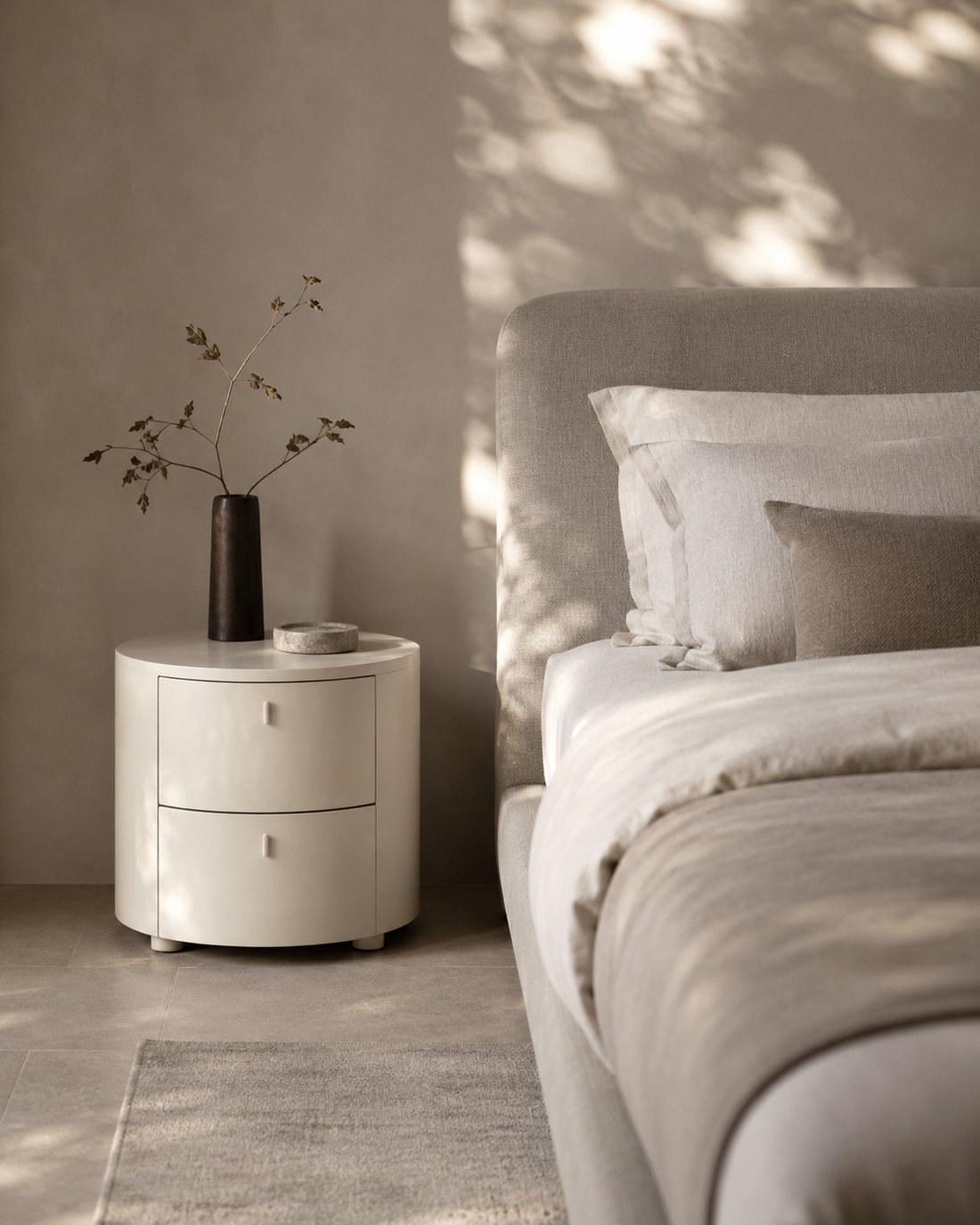 Sims Bedside Table - Matte Beige
- Regular price
-
- Regular price
-
- Sale price
-
-
Saviour Bedside Table - White Marble & Beige
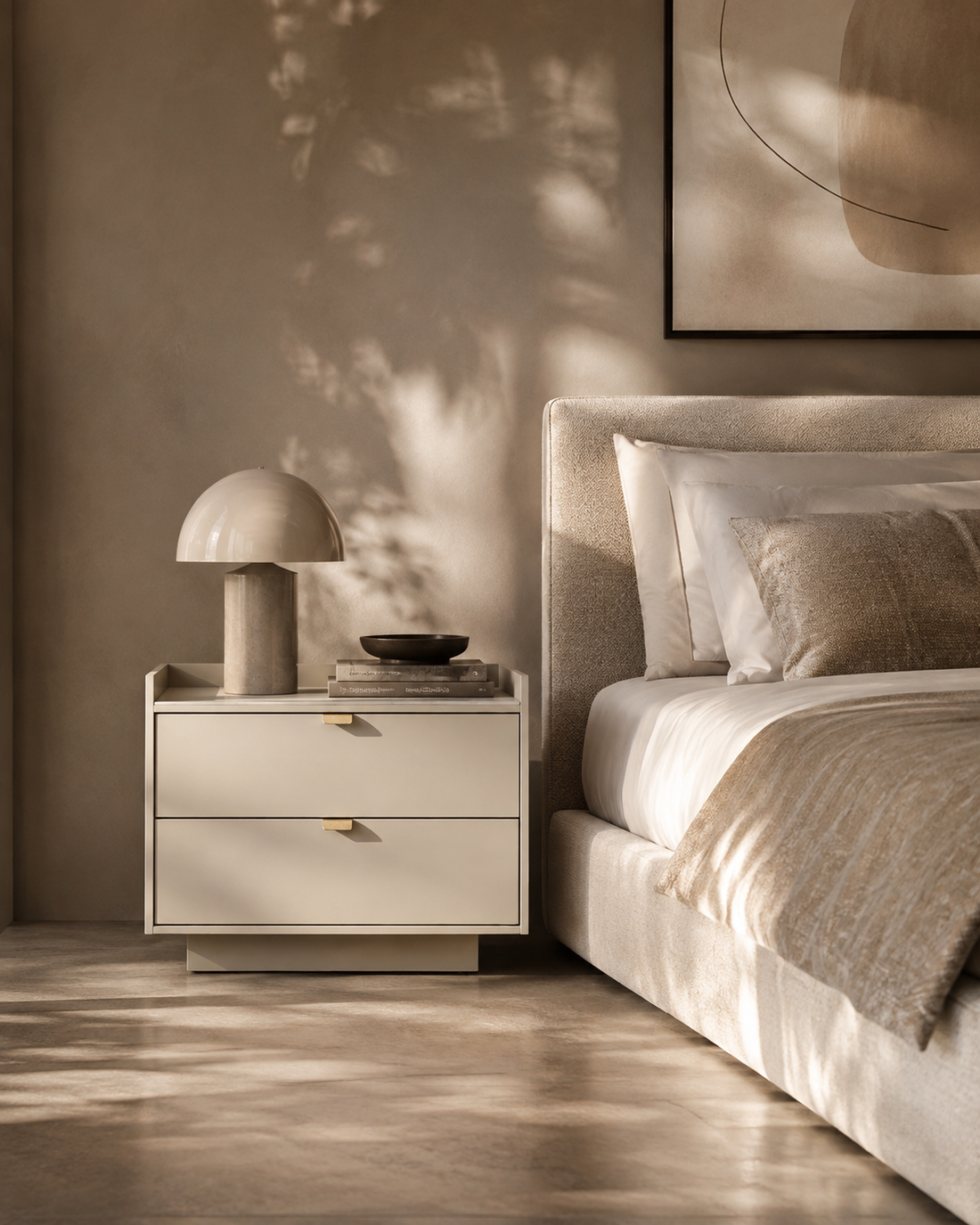 Saviour Bedside Table - White Marble & Beige
- Regular price
-
- Regular price
-
- Sale price
-
-
Dexter Bedside Table - Walnut - Pair
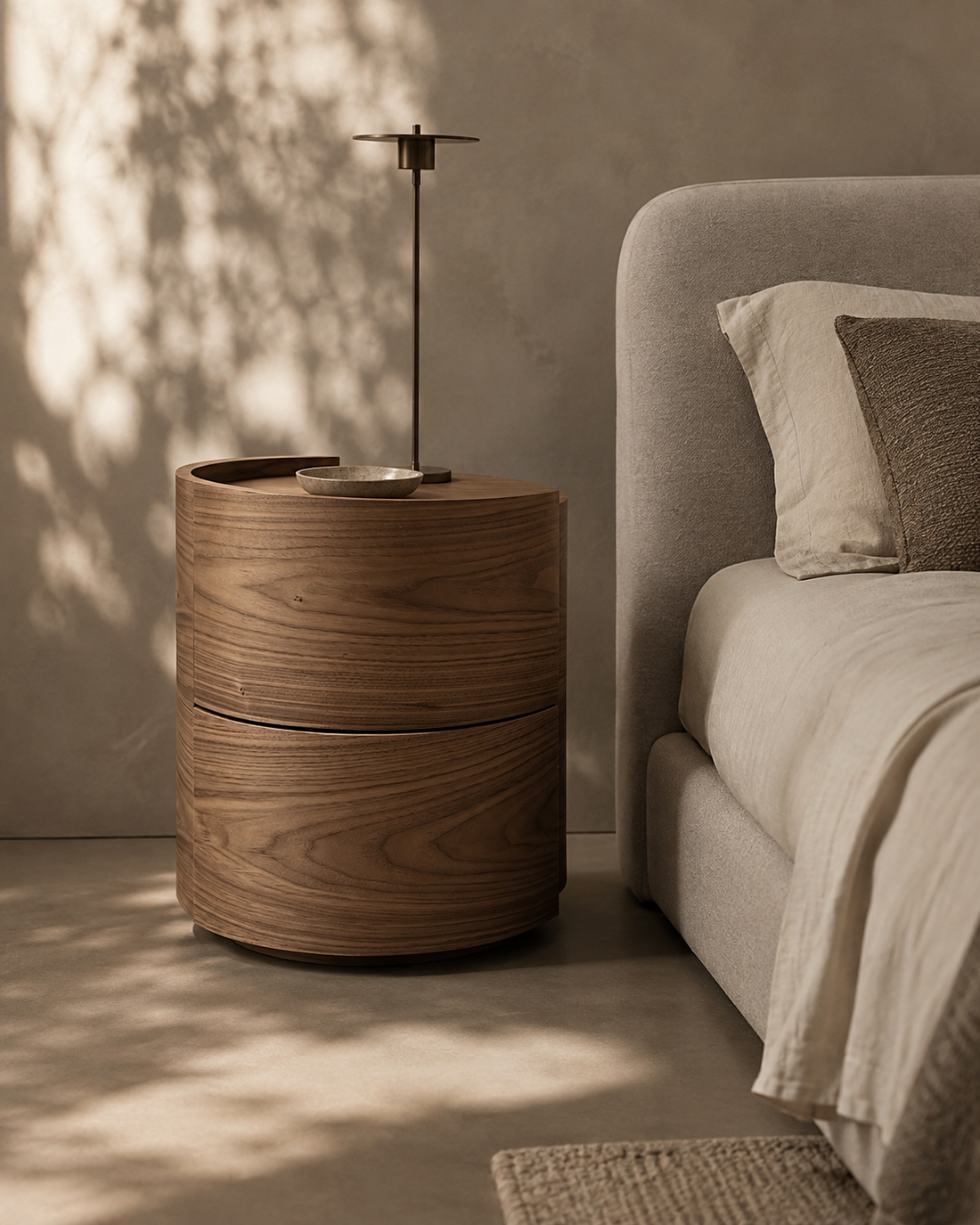 Dexter Bedside Table - Walnut - Pair
- Regular price
-
- Regular price
-
- Sale price
-
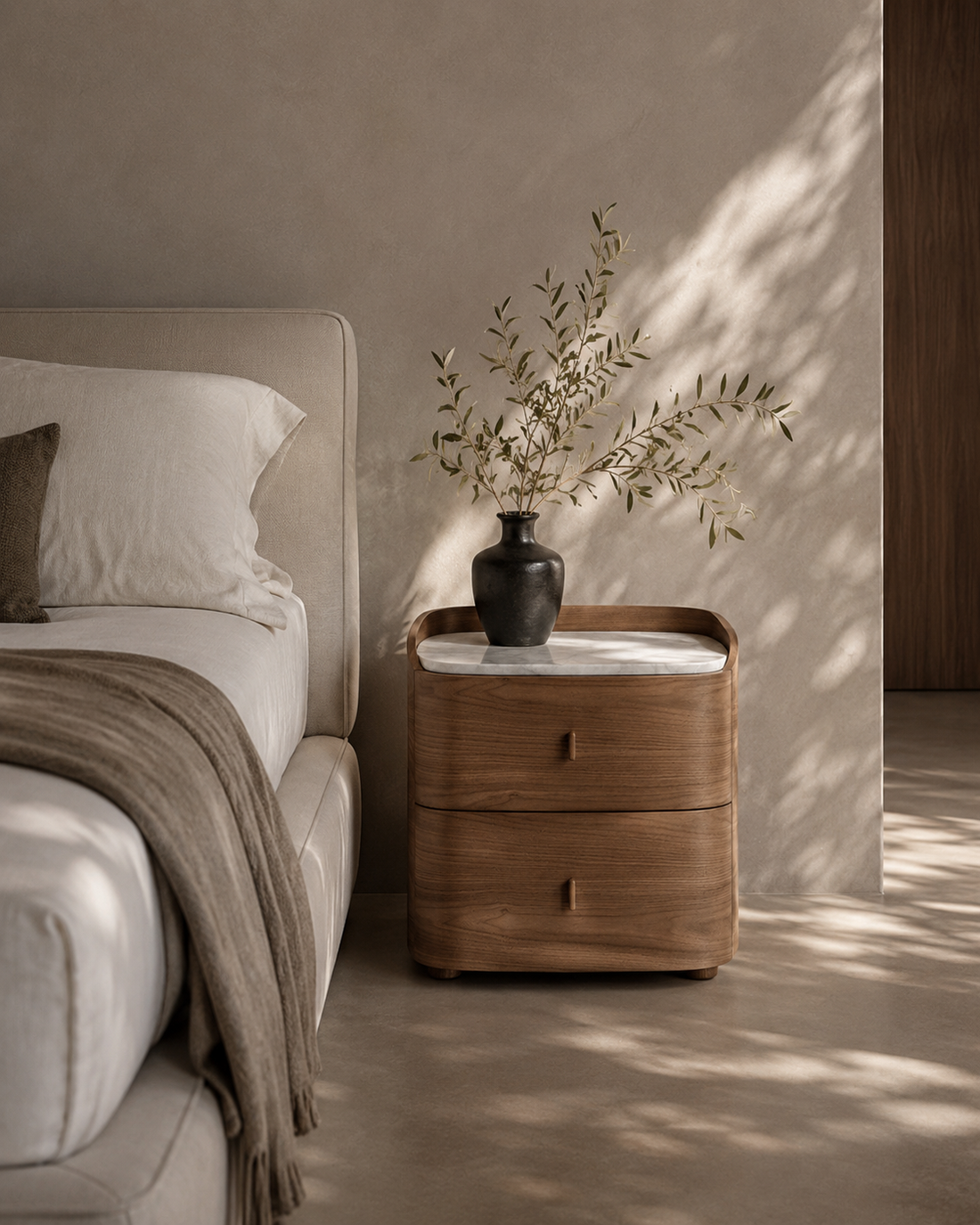
Disclaimer: All trademarks, brand names and product names mentioned on this website are the property of their respective owners. Any references are made for identification, informational or comparative purposes only, and do not imply any affiliation, endorsement, sponsorship or authorisation.