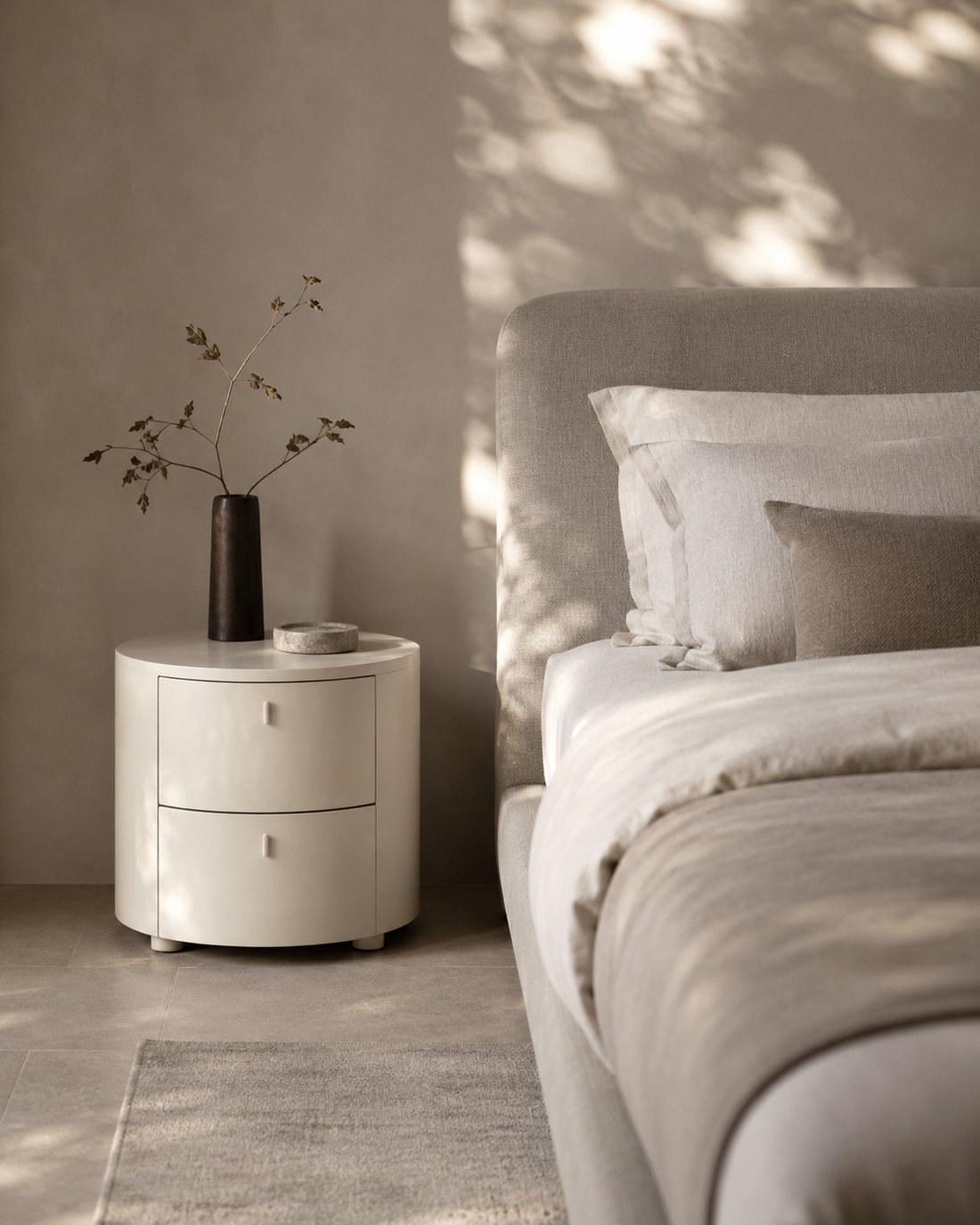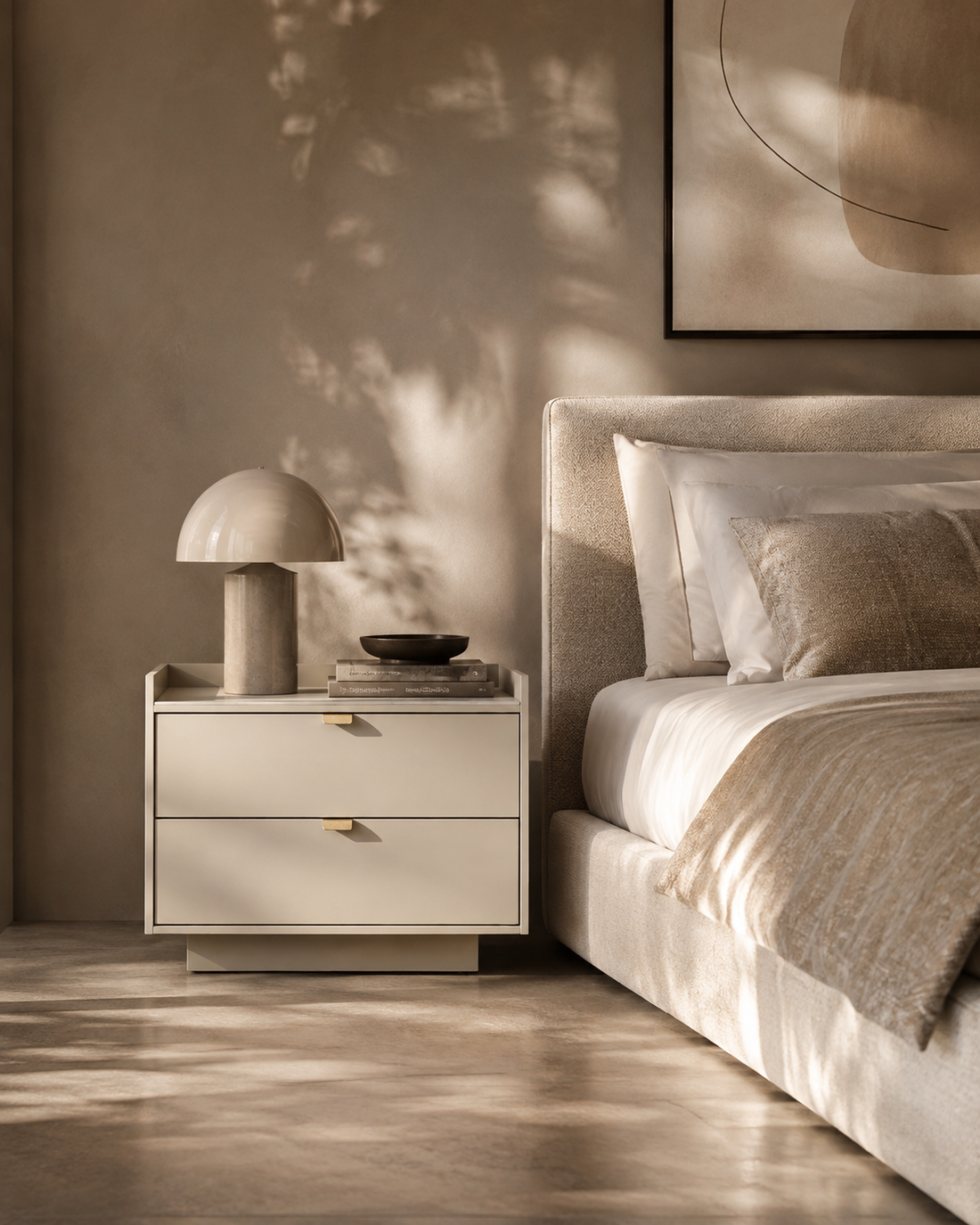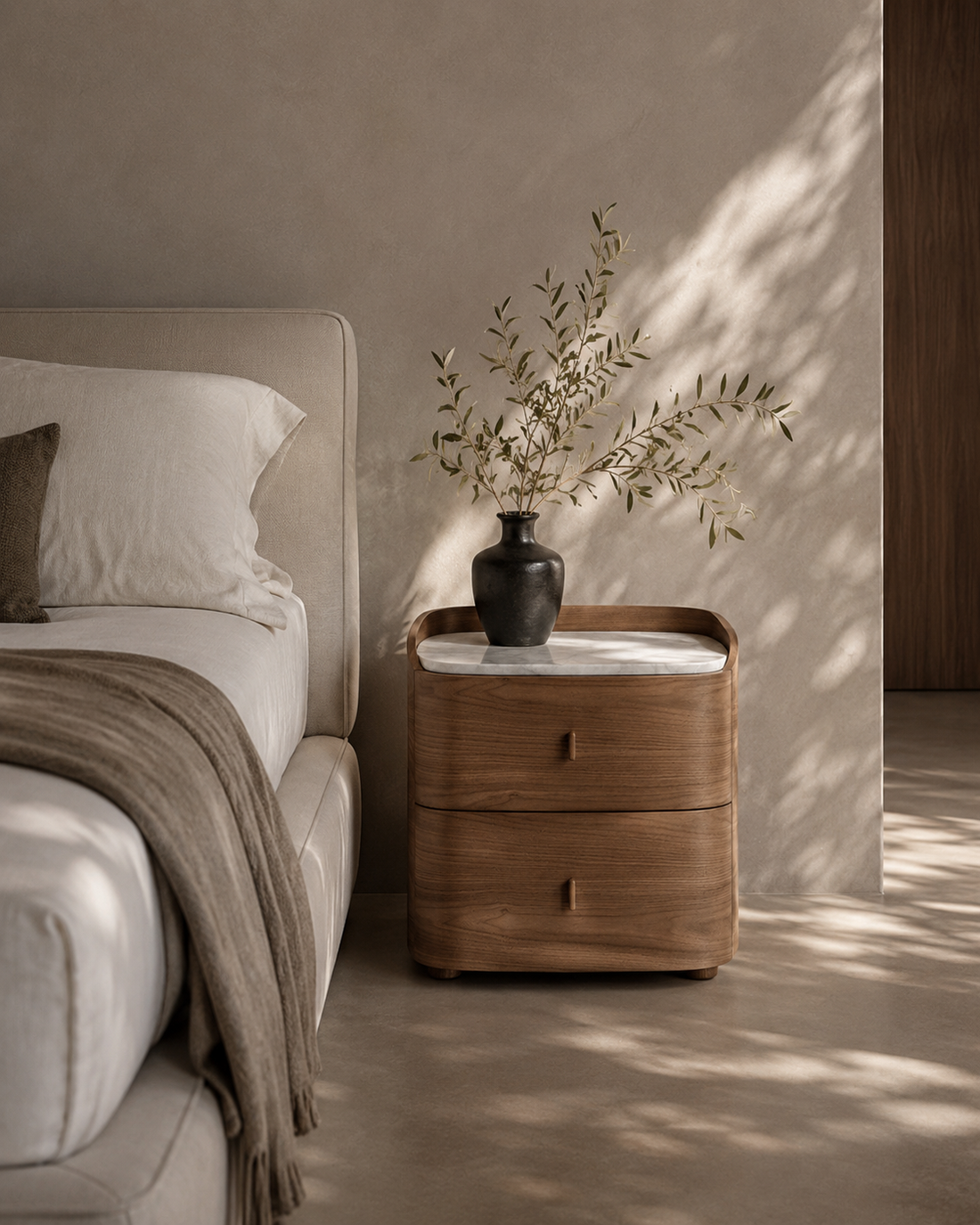
Low floor lighting refers to lighting fixtures positioned close to ground level to create subtle illumination, atmospheric depth and practical guidance within a space. Often used to enhance ambience rather than provide primary brightness, low floor lighting adds warmth, highlights architectural features and introduces a refined, layered lighting scheme suitable for both residential and commercial interiors.
Low floor lighting plays an important role in contemporary interior design, offering a balance between aesthetic appeal and functional illumination. By casting a soft glow across flooring, skirting, or lower wall areas, it enhances spatial perception and contributes to a considered, well-composed room scheme.
The Purpose and Impact of Low Floor Lighting
Unlike overhead fittings that flood a space with light, low floor lighting introduces understated ambience. Positioned at ankle or skirting height, it softens shadows, reduces glare and creates a welcoming atmosphere. This makes it particularly effective in living rooms, bedrooms, hospitality settings and boutique retail environments.
It can also act as directional lighting, guiding movement through hallways, staircases or open-plan areas. When integrated into joinery or used alongside statement floor lamps, it contributes to layered lighting — a hallmark of premium interior schemes.
Low-level illumination enhances materials such as wood flooring, textured plaster, panelling and stone, allowing finishes to stand out under gentle light. For interior designers seeking depth and warmth, low floor lighting is a strategic design tool rather than a decorative afterthought.
Popular Styles of Low Floor Lighting
There are several approaches to incorporating low floor lighting into an interior:
Floor Lamps with Low Light Cast
Statement floor lamps that diffuse light downward create a pool of warmth without overpowering a room. Designs with fabric shades or antique brass finishes are particularly popular in classic and transitional interiors.
Integrated LED Floor Strips
Installed discreetly along skirting boards or beneath cabinetry, LED strips provide a contemporary aesthetic. These are often used in modern residential projects and high-end commercial environments.
Plinth and Step Lighting
Ideal for staircases or raised platforms, plinth lighting enhances safety while maintaining elegance.
Decorative Lantern-Style Pieces
Freestanding lantern-inspired designs positioned at floor level introduce character and atmosphere, particularly in country house or boutique-style schemes.
Each style contributes differently to ambience, but all share the same principle: subtle, considered illumination that enhances rather than dominates.
Where Low Floor Lighting Works Best
Low floor lighting is especially effective in:
-
Living rooms where soft evening ambience is desired
-
Bedrooms requiring calm, layered lighting
-
Hallways and staircases for guidance lighting
-
Boutique retail environments seeking intimate atmosphere
-
Hospitality interiors aiming for understated luxury
In retail settings, low floor lighting can highlight product displays or architectural features without distracting from merchandise. For interior designers, it provides an opportunity to add visual depth without cluttering upper wall space.
Low Floor Lighting in Trade and Retail Settings
For interior designers and independent retailers, low floor lighting represents a high-demand category driven by consumer preference for layered, atmospheric interiors.
Tommy Franks is a favourite among interior designers and independent retailers seeking distinctive lighting that balances premium craftsmanship with commercial viability. Carefully curated collections ensure that each piece aligns with current design movements while maintaining timeless appeal.
With a vast range of UK-held stock and a reliable UK supply chain, designers and retailers can specify low floor lighting with confidence. Projects often run to tight timelines, and dependable availability is essential. Free UK delivery on all items and no minimum order value make procurement straightforward, whether sourcing for a single residential project or a wider retail selection.
Competitive wholesale margins provide strong resale potential for independent retailers, while trade accounts welcome new partnerships with an efficient onboarding process. This flexibility allows interior professionals to respond quickly to client briefs without compromising on quality or profitability.
Choosing the Right Low Floor Lighting
Selecting the appropriate low floor lighting depends on several factors:
Scale of the Room
In larger spaces, a substantial floor lamp with a sculptural base may anchor seating areas. Smaller rooms benefit from discreet integrated lighting or compact designs.
Finish and Materiality
Brushed brass, aged bronze and matte black finishes complement traditional and contemporary interiors alike. Materials should align with the broader scheme to ensure cohesion.
Light Temperature
Warm white tones typically enhance the softness associated with low floor lighting. Cooler temperatures may be suitable for modern architectural settings but require careful consideration to avoid harshness.
Placement Strategy
Consider how the light interacts with furniture, pathways and architectural features. Effective placement avoids glare while maximising atmosphere.
Interior designers frequently use low floor lighting to complement table lamps and ceiling fittings, ensuring a layered scheme that transitions seamlessly from day to evening.
Why Low Floor Lighting Remains a Design Essential
As interior trends continue to favour mood-driven spaces over stark illumination, low floor lighting has become integral to residential and boutique commercial design. It supports the movement towards softer, more inviting interiors while offering practical benefits such as guidance lighting and enhanced spatial perception.
For retailers, the demand reflects consumers’ growing awareness of lighting’s impact on wellbeing and comfort. Offering premium low floor lighting within a showroom setting encourages higher basket values and positions a retailer within the luxury segment.
At Tommy Franks, collections are selected with both aesthetic and commercial considerations in mind. Premium craftsmanship ensures longevity, while competitive wholesale margins allow retailers to maintain attractive pricing structures without compromising quality.
Why Choose Tommy Franks?
Tommy Franks is a trusted wholesale partner for interior designers and independent retailers across the UK. Known for carefully curated collections and premium craftsmanship, the brand combines refined design with practical trade benefits.
A vast range of UK-held stock ensures consistent availability, supported by a reliable UK supply chain that helps professionals meet project deadlines. Free UK delivery on all items simplifies logistics, and with no minimum order value, businesses can order flexibly according to project requirements.
Trade accounts welcome both established and emerging retailers, offering competitive wholesale margins designed to support profitable resale. The result is a dependable partnership model that prioritises quality, service and commercial success.