

Low Floor Lighting
Low floor lighting refers to lighting placed close to the ground to create subtle illumination, atmosphere, and visual depth within a space. Often used to highlight architectural features or softly guide movement, it adds a refined, design-led layer to interiors without overpowering the room.
Quick Facts
-
Positioned at or near floor level for gentle illumination
-
Used for ambience, accent lighting, or subtle guidance
-
Includes floor lamps, recessed lights, and low-level wall lights
-
Suitable for lounges, hallways, bedrooms, and open-plan spaces
-
Enhances atmosphere without dominating ceiling height
Why It’s Popular
Low floor lighting is popular because it creates mood and warmth while maintaining a calm, uncluttered aesthetic. Rather than relying solely on overhead lighting, it introduces a softer glow that feels relaxed and inviting.
In contemporary and luxury interiors, low floor lighting helps create layered lighting schemes, making spaces feel more considered, comfortable, and visually interesting, particularly in the evenings.
Popular Styles
Low floor lighting appears in several elegant forms:
-
Low Floor Lamps: Sculptural designs that sit below eye level
-
Recessed Floor Lights: Subtle, built-in lighting for architectural interest
-
Low Wall Lights: Positioned near the floor to wash light gently across surfaces
-
Accent Spot Lighting: Highlighting features such as fireplaces or stone walls
-
Decorative Lantern-Style Lighting: Adds warmth and character
Design-led interiors inspired by Eichholtz, Richmond Interiors, and Gallery Direct often use low-level lighting to enhance depth and atmosphere.
How to Choose
When selecting low floor lighting, consider:
-
Purpose: Ambient mood lighting or feature highlighting
-
Room Size: Use multiple low-level lights in larger spaces for balance
-
Light Temperature: Warm tones create a cosy, inviting feel
-
Placement: Position to avoid glare and highlight key features
-
Style: Ensure the design complements your furniture and décor
The best low floor lighting should feel intentional and seamlessly integrated.
Styling Tips
-
Use low lighting to soften corners and darker areas
-
Pair with table and wall lighting for a layered effect
-
Position near architectural features for subtle emphasis
-
Avoid overly bright bulbs to maintain atmosphere
-
Combine with reflective surfaces to gently enhance light spread
Benefits at a Glance
-
Creates a calm, atmospheric glow
-
Adds depth and visual interest
-
Enhances layered lighting schemes
-
Suitable for low ceilings and open-plan spaces
-
Elevates the overall ambience of interiors
Inspiration from Designer Brands
Low floor lighting is often featured in interiors inspired by Eichholtz, where sculptural floor lamps add understated drama. Richmond Interiors and Gallery Direct styling demonstrates how low-level lighting can soften modern spaces, while Pacific Lifestyle interiors show how relaxed lighting enhances comfort without sacrificing style.
Common Questions
What is low floor lighting used for?
It is used to create ambience, highlight features, and add depth to a room.
Is low floor lighting bright enough on its own?
It is usually used alongside other lighting rather than as the main light source.
Does low floor lighting suit small rooms?
Yes, it can make small spaces feel warmer and more layered.
What light colour works best?
Warm white lighting is ideal for relaxed, inviting interiors.
Can low floor lighting be used in modern homes?
Absolutely — it is especially popular in contemporary and minimalist interiors.
Finishing Touch
Low floor lighting brings quiet sophistication to interiors, creating warmth and atmosphere through subtle illumination. Thoughtfully placed, it transforms everyday spaces into inviting, design-led environments that feel both relaxed and refined.
Disclaimer
House of Isabella is not affiliated with any third-party brands mentioned. All trademarks remain the property of their respective owners.
Products
-
Sims Bedside Table - Matte Beige
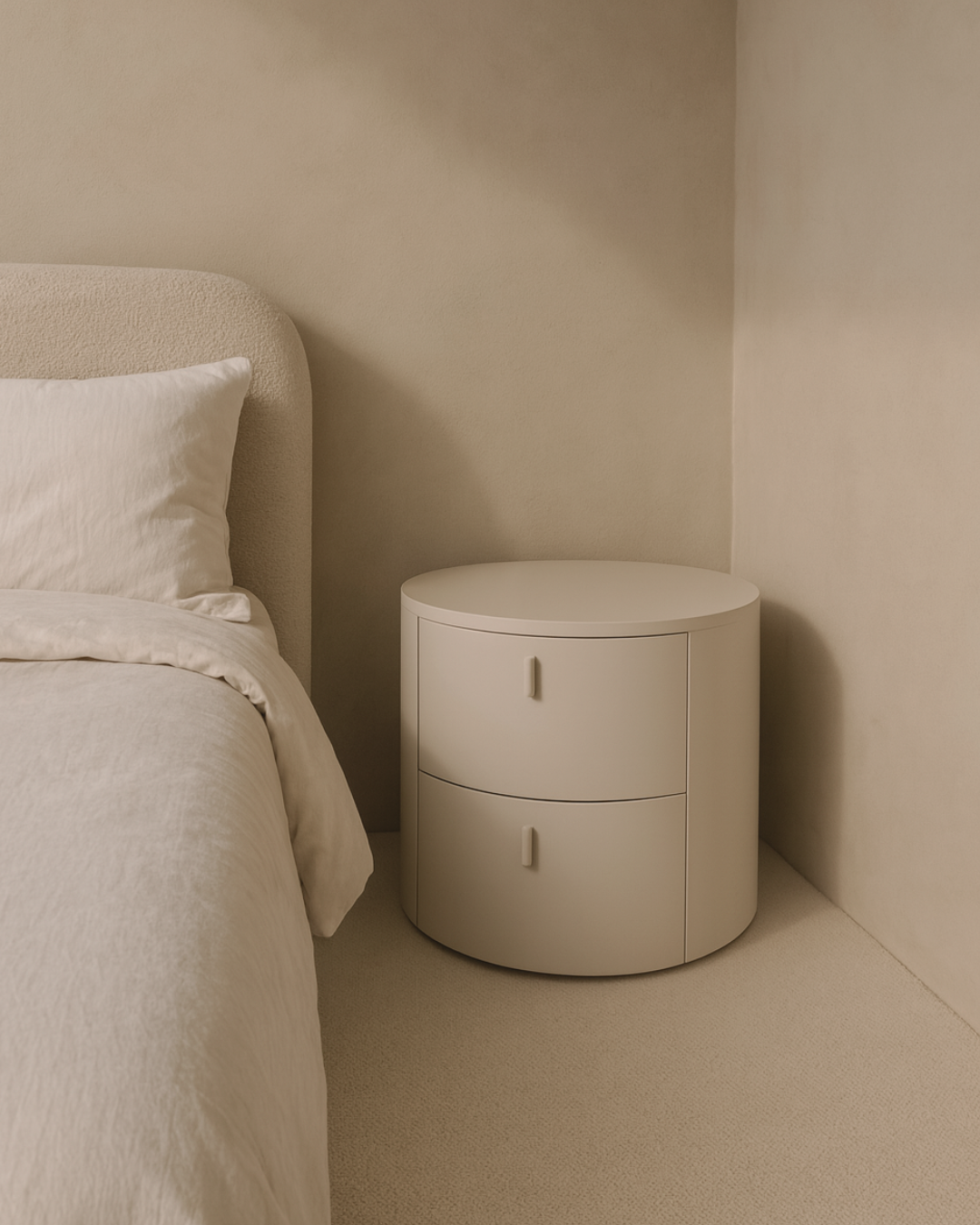 Sims Bedside Table - Matte Beige
- Regular price
-
- Regular price
-
- Sale price
-
-
Saviour Bedside Table - White Marble & Beige
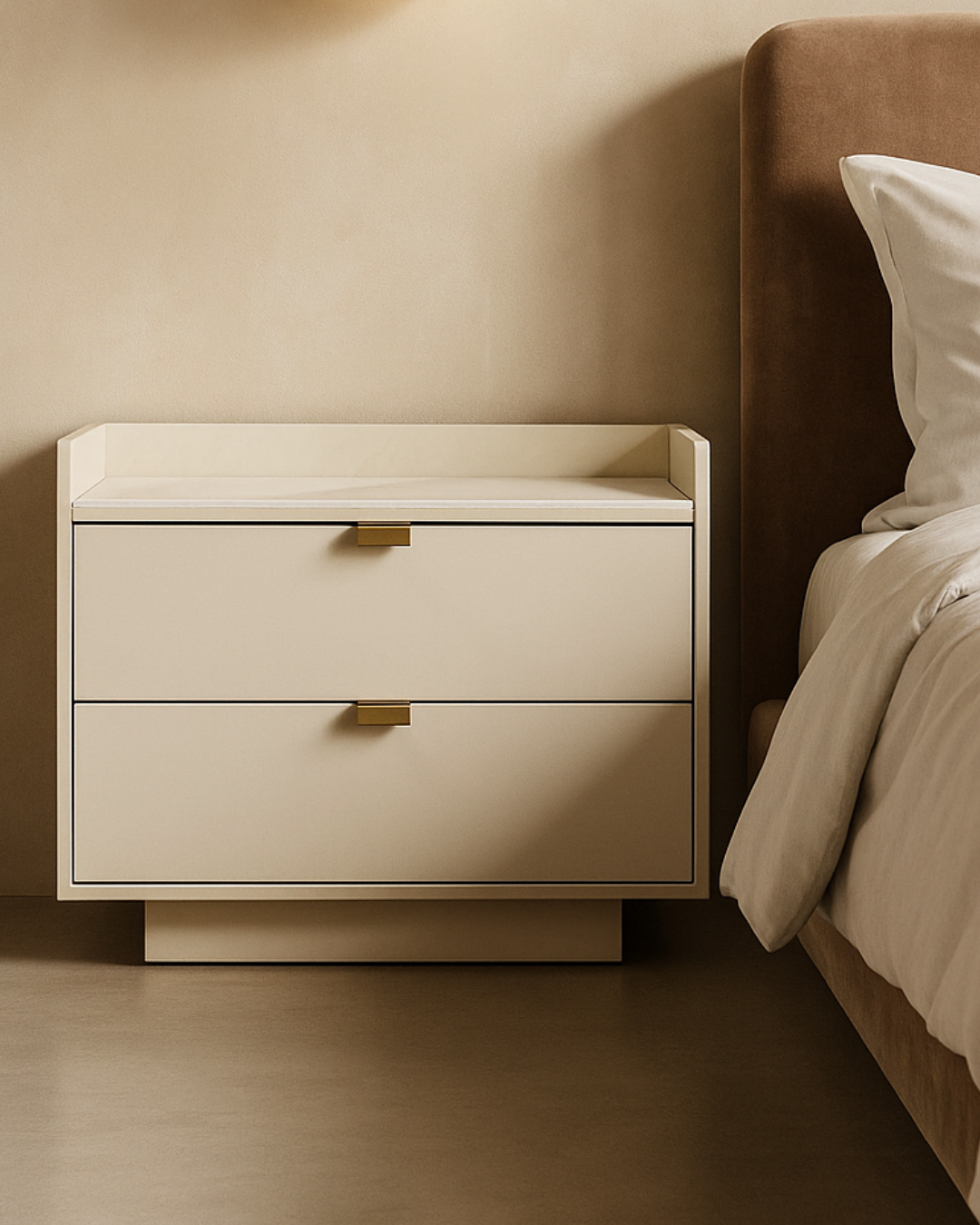 Saviour Bedside Table - White Marble & Beige
- Regular price
-
- Regular price
-
- Sale price
-
-
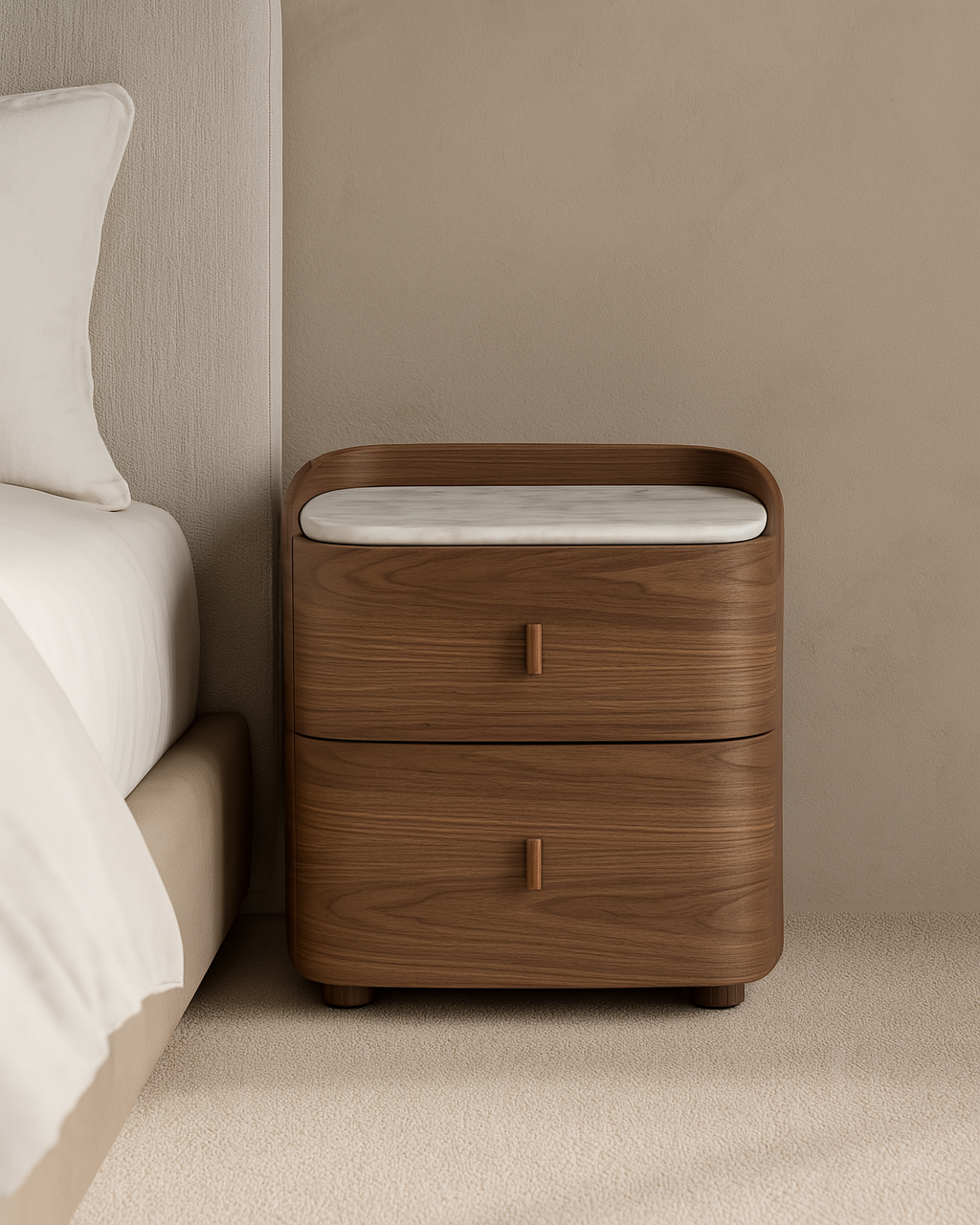
Dexter Bedside Table - Walnut - Pair
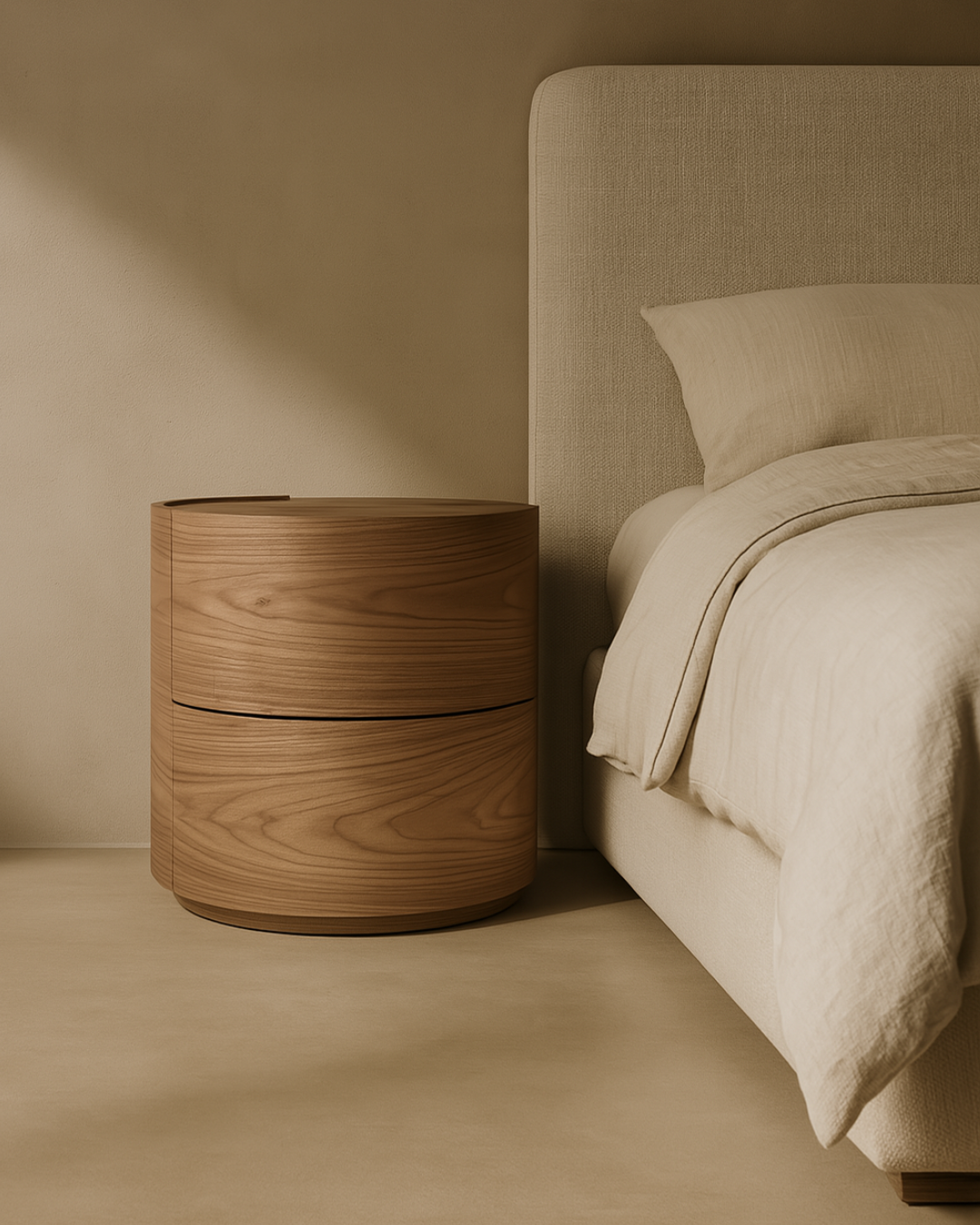 Dexter Bedside Table - Walnut - Pair
- Regular price
-
- Regular price
-
- Sale price
-
Disclaimer: All trademarks, brand names and product names mentioned on this website are the property of their respective owners. Any references are made for identification, informational or comparative purposes only, and do not imply any affiliation, endorsement, sponsorship or authorisation.