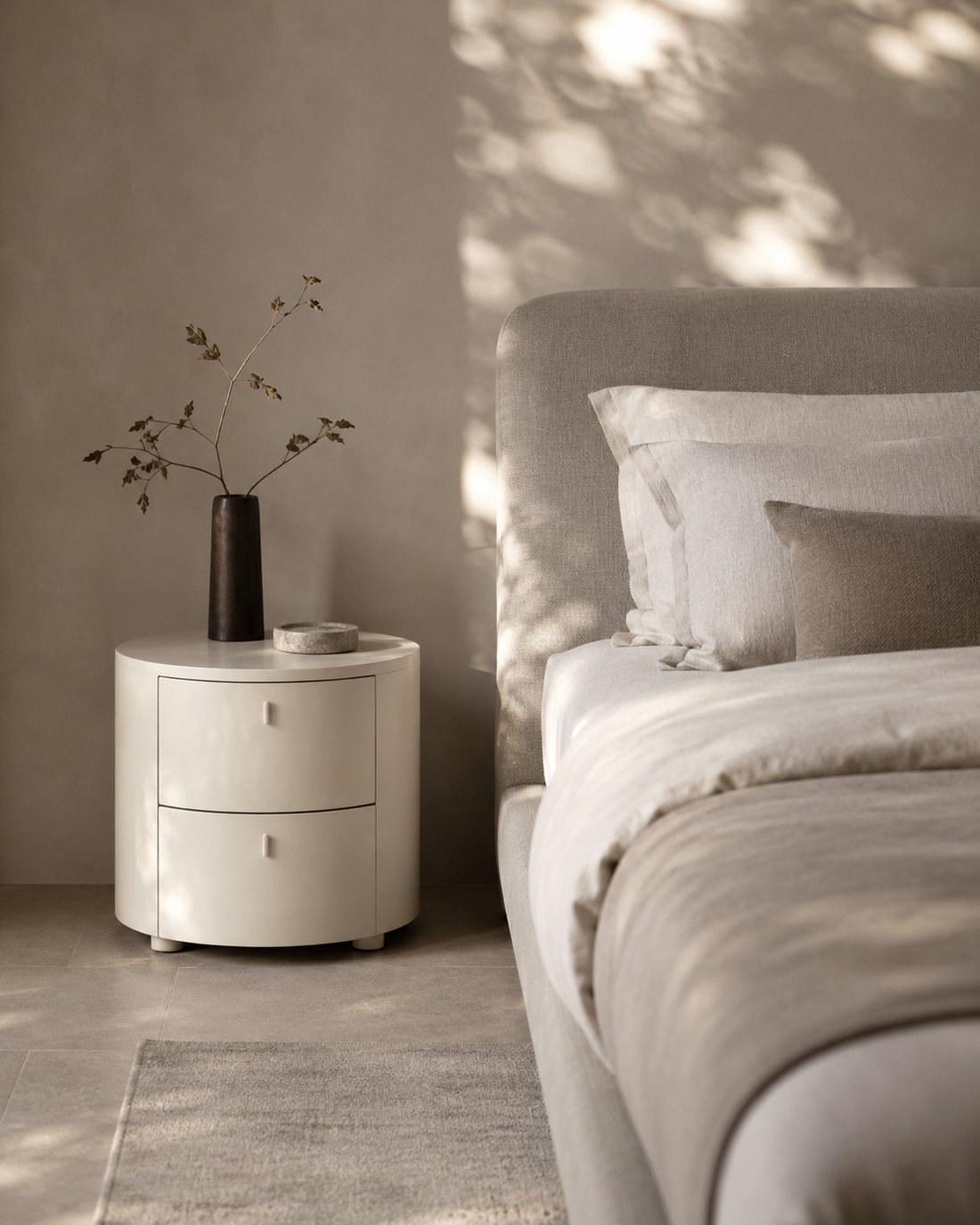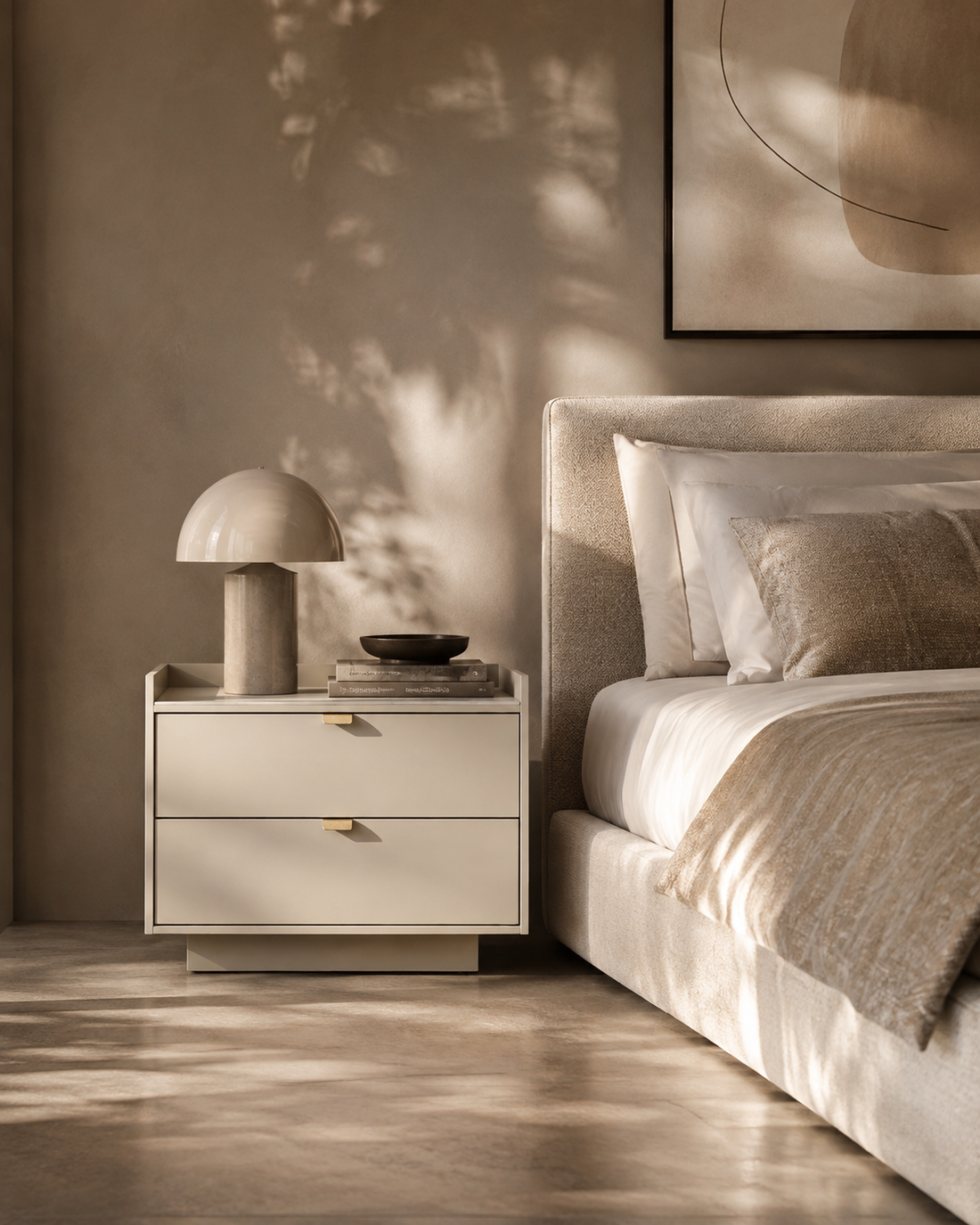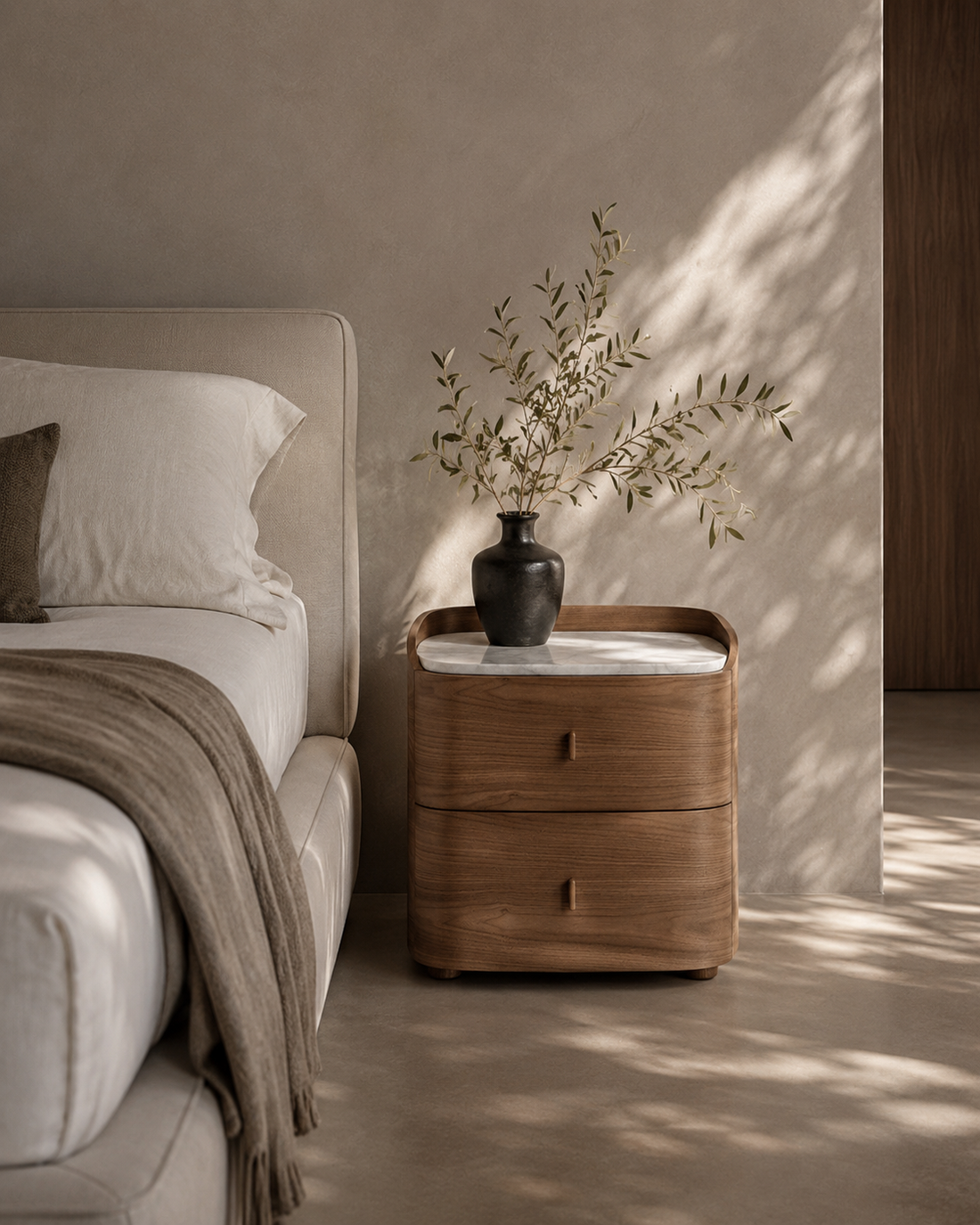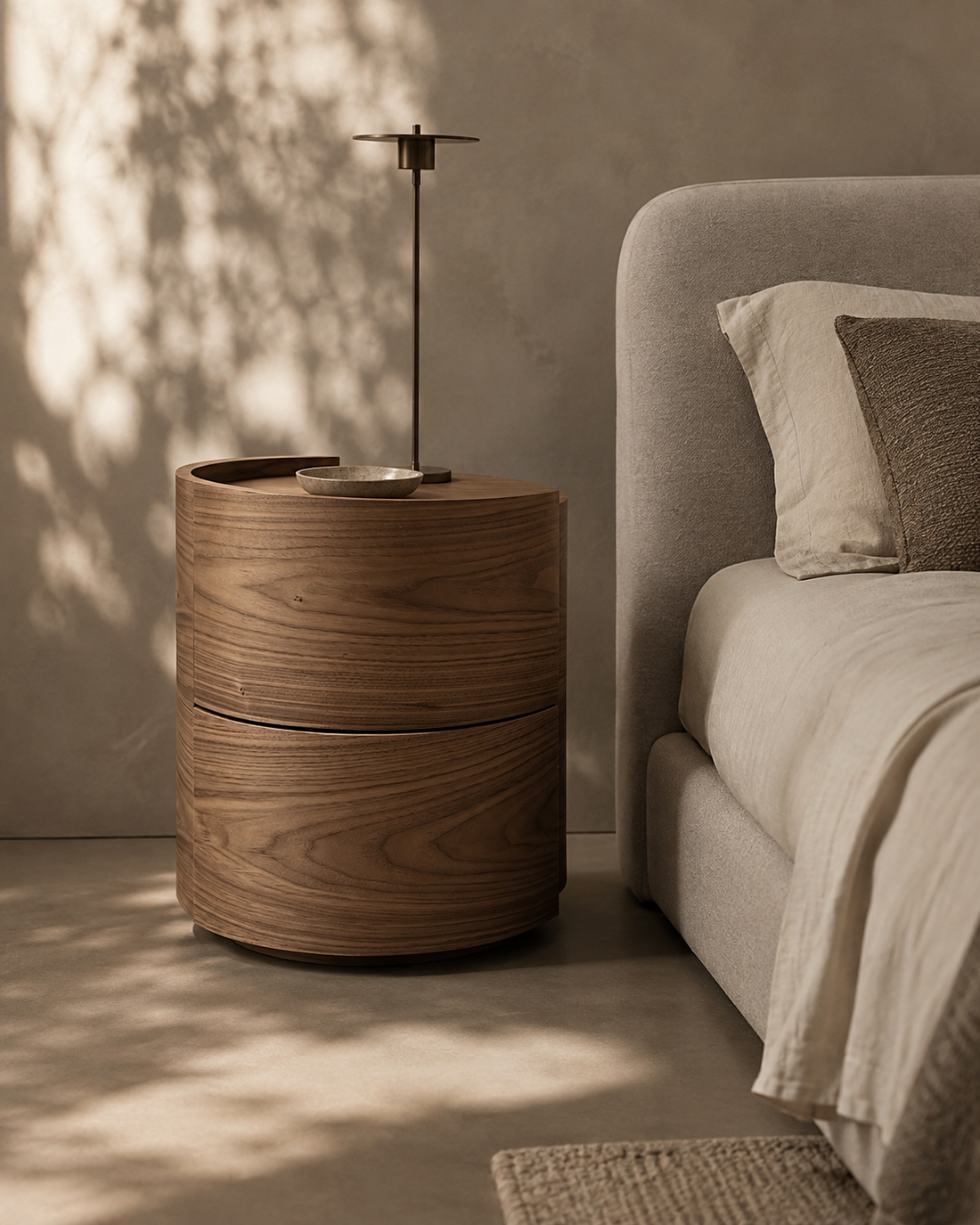
Lounge furniture design refers to the style, structure and craftsmanship behind furniture created for relaxed living spaces. It encompasses sofas, armchairs, coffee tables, consoles and accent pieces that combine comfort with considered aesthetics. In both residential and commercial interiors, lounge furniture design plays a defining role in atmosphere, functionality and long-term durability.
Well-executed lounge furniture design balances proportion, material selection and construction quality. In the UK interiors market, demand has shifted towards pieces that deliver refined detailing without compromising on practicality. Designers and retailers increasingly seek collections that offer visual impact while remaining versatile enough for modern living.
At its core, lounge furniture design is about cohesion. Upholstered seating must complement case goods. Textures should layer naturally. Finishes must work harmoniously with flooring, lighting and architectural features. Whether specifying for a private residence, show home, boutique hotel or retail display floor, consistency in tone and craftsmanship is essential.
Quality lounge furniture design begins with structure. Hardwood frames, reinforced joints and high-resilience cushioning provide longevity. Premium upholstery fabrics and carefully selected leathers elevate the finished aesthetic. Attention to stitching, piping and silhouette ensures pieces feel tailored rather than mass-produced.
Equally important is proportion. Overscaled seating can overwhelm a compact London apartment, while under-scaled pieces may feel insubstantial in larger country properties. Successful collections account for the spatial realities of UK homes, offering options that suit both contemporary open-plan layouts and more traditional settings.
Key Elements of Lounge Furniture Design
Several factors distinguish considered lounge furniture design from standard high-street offerings.
Material selection defines both appearance and durability. Solid woods, tempered glass, brushed metals and performance fabrics are chosen not only for their look but for their longevity. Premium craftsmanship ensures joints are secure, surfaces are finished correctly and upholstery maintains its shape over time.
Comfort engineering is another defining element. Seat depth, cushion density and back support must be balanced to create pieces suitable for extended use. In trade environments, where furniture is tested daily by customers or guests, structural integrity becomes even more important.
Finish consistency across a collection supports cohesive room schemes. Matching wood tones, complementary fabric palettes and repeatable design details allow designers to build layered interiors without visual conflict.
Contemporary Trends in Lounge Furniture Design
The UK market has seen a move towards understated luxury. Neutral upholstery, natural textures and subtle metallic accents dominate contemporary lounge furniture design. Curved silhouettes and soft forms soften architectural lines, while modular configurations respond to evolving lifestyle needs.
Sustainability is also influencing lounge furniture design. Responsibly sourced materials, durable construction and timeless styling reduce the need for frequent replacement. Trade buyers increasingly prioritise suppliers who can demonstrate a reliable UK supply chain and consistent stock availability.
Another emerging trend is versatility. Pieces that function across multiple interior styles are favoured by independent retailers seeking strong resale potential. Designs that work equally well in urban apartments and country homes offer broader customer appeal.
Lounge Furniture Design for Interior Designers
For interior designers, lounge furniture design is central to defining a project’s tone. Seating often anchors the room, dictating layout and influencing accessory choices. Designers require collections that are distinctive yet flexible, allowing customisation through textiles and finishes.
Reliable access to UK-held stock is critical when working to client deadlines. Delays can compromise installation schedules, particularly in residential projects or commercial refurbishments. A dependable supply partner ensures designers can specify with confidence.
Margin and resale considerations also influence specification. Competitive wholesale structures allow designers to protect profitability while delivering premium results to clients. Carefully curated collections reduce the time spent sourcing across multiple suppliers, simplifying procurement and logistics.
Tommy Franks is a favourite among interior designers and independent retailers for precisely these reasons. The brand’s lounge furniture design collections reflect a balance of statement aesthetics and everyday practicality, supporting both bespoke projects and showroom displays.
Lounge Furniture Design for Independent Retailers
For retailers, lounge furniture design must achieve visual impact on the shop floor while offering reliable repeat sales. Pieces need to photograph well, display cohesively and maintain quality across production runs.
Stock depth and UK availability are essential. A vast range of UK-held stock allows retailers to respond quickly to customer demand without long lead times. Free UK delivery on all items further streamlines operations and removes additional cost barriers.
No minimum order value supports flexibility. Independent retailers can trial new lounge furniture design lines without committing to high volumes, reducing risk while expanding offering. Competitive wholesale margins strengthen profitability and support sustainable growth.
Premium craftsmanship and attention to detail help differentiate stock from mass-market alternatives. Customers recognise quality in the weight of a table, the stitching of a sofa or the finish of a cabinet. Retailers benefit when their collections reflect this standard.
The Commercial Value of Strong Lounge Furniture Design
Beyond aesthetics, lounge furniture design carries commercial importance. High-quality pieces reduce returns, enhance customer satisfaction and reinforce brand reputation. For trade buyers, reliability is as important as style.
A reliable UK supply chain ensures continuity. Consistent availability enables retailers to reorder best-sellers and designers to complete multi-room projects without substitution. Carefully curated collections simplify visual merchandising and catalogue planning.
As the UK interiors sector grows increasingly competitive, brands that combine design credibility with operational dependability gain long-term loyalty. Trade accounts welcome policies, streamlined onboarding and responsive support further strengthen these relationships.
Why Choose Tommy Franks?
Tommy Franks has established itself as a respected name within the UK interiors trade. Known for premium craftsmanship and refined detailing, the brand delivers lounge furniture design that meets the expectations of discerning designers and retailers alike.
Collections are carefully curated to reflect evolving interior trends while maintaining timeless appeal. The vast range of UK-held stock ensures dependable availability, supported by a reliable UK supply chain that prioritises efficiency and consistency.
Free UK delivery on all items removes logistical complexity, while no minimum order value provides flexibility for growing retailers and project-based designers. Competitive wholesale margins enable strong resale performance without compromising on quality.
Trade accounts welcome policies and straightforward onboarding make it easy for professionals to access the full collection. Whether specifying for residential projects or building a retail display, partners benefit from consistency, service and considered design.
In a market where both style and supply matter, Tommy Franks offers lounge furniture design that supports commercial success as much as aesthetic ambition.