

Lighting Designs
Lighting designs refer to thoughtfully planned and executed arrangements of lighting fixtures that combine functionality, aesthetic appeal, and spatial harmony. From modern ceiling lights to decorative lamps and statement pendants, effective lighting designs enhance the atmosphere of a room while complementing furniture, textiles, and architectural features. In the UK, interior designers and independent retailers use curated lighting designs to elevate both residential and commercial interiors, balancing brightness, mood, and style.
High-quality lighting designs consider colour temperature, fixture placement, and layering, ensuring spaces feel inviting, well-proportioned, and visually cohesive. For trade professionals, these designs provide practical solutions while reinforcing premium interior aesthetics.
Understanding Lighting Designs
Lighting designs encompass a wide range of fixtures and arrangements tailored to the needs of specific spaces. They integrate ambient, task, and accent lighting to achieve both functionality and visual interest. Common considerations include:
-
Room Functionality: Lighting designs must meet the practical requirements of each space while maintaining style integrity.
-
Fixture Style and Material: From metallic pendant lights to glass table lamps, materials contribute to both durability and aesthetic cohesion.
-
Layering and Zoning: Effective designs use combinations of ceiling, wall, and table lighting to define zones and create depth.
Professional lighting designs enhance the overall interior concept, supporting both aesthetic and operational goals for homes, showrooms, and commercial projects.
Styles and Trends in Lighting Designs
UK interiors benefit from diverse lighting design styles, including:
-
Modern Minimalist: Sleek, geometric fixtures with understated finishes, ideal for contemporary schemes.
-
Scandinavian-Inspired: Light-toned metals, wood accents, and soft diffused lighting create airy, functional spaces.
-
Statement Pendants and Chandeliers: Eye-catching designs serve as focal points in living or dining areas.
-
Energy-Efficient Options: LED or low-energy lighting integrates sustainability with premium style.
These styles enable interior designers and independent retailers to deliver curated interiors that appeal to a range of clients and projects.
Applications of Lighting Designs in UK Interiors
Lighting designs are versatile and functional in various settings:
-
Residential Interiors: Living rooms, kitchens, bedrooms, and bathrooms benefit from tailored lighting that complements furniture and décor.
-
Commercial and Hospitality Spaces: Offices, hotels, and boutique showrooms rely on lighting designs to create ambience, highlight features, and support customer experience.
-
Layered Lighting Strategies: Combining ceiling fixtures, wall lights, and accent lamps enhances spatial perception and mood.
Thoughtful lighting designs ensure spaces are both practical and visually engaging, helping trade professionals demonstrate expertise and creativity.
Trade Advantages of Lighting Designs
For interior designers and independent retailers, focusing on lighting designs delivers multiple benefits:
-
Versatile and Curated Products: Adaptable solutions for diverse interior styles.
-
Commercial Appeal: Premium designs elevate showrooms and client projects.
-
Reliable UK Stock: Immediate access ensures project deadlines and retail demands are met.
-
Free UK Delivery & No Minimum Order: Simplifies procurement and reduces financial risk.
-
Strong Resale Margins: Competitive wholesale pricing supports profitability.
Tommy Franks is a favourite among interior designers and independent retailers because its lighting designs combine aesthetic sophistication with practical trade benefits, supporting both specification and retail success.
How to Specify Effective Lighting Designs
When specifying lighting designs, trade professionals consider:
-
Scale and Proportion: Fixture size and height should complement room dimensions and furniture layout.
-
Material and Finish Coordination: Fixtures should harmonise with surrounding furniture, flooring, and accessories.
-
Layered Illumination: Combining ambient, accent, and task lighting creates depth and balance.
-
Functionality and Mood: Lighting designs should meet both practical requirements and stylistic intent.
By following these principles, designers and retailers can deliver interiors that are functional, elegant, and commercially appealing.
Why Choose Tommy Franks?
Tommy Franks has established itself as a trusted partner for lighting designs among UK interior designers and independent retailers. Its curated collections combine premium craftsmanship with trade-friendly services, including access to a vast range of UK-held stock, free UK delivery, and no minimum order value.
Competitive wholesale margins ensure strong resale potential, while a reliable UK supply chain guarantees consistent availability for projects and retail displays. Trade accounts are welcome, with straightforward onboarding to provide fast access to the full collection. Tommy Franks’ lighting designs are carefully curated to integrate seamlessly with furniture and décor, enabling designers and retailers to create cohesive, high-quality interiors that reflect both style and professionalism.
Products
-
Sims Bedside Table - Matte Beige
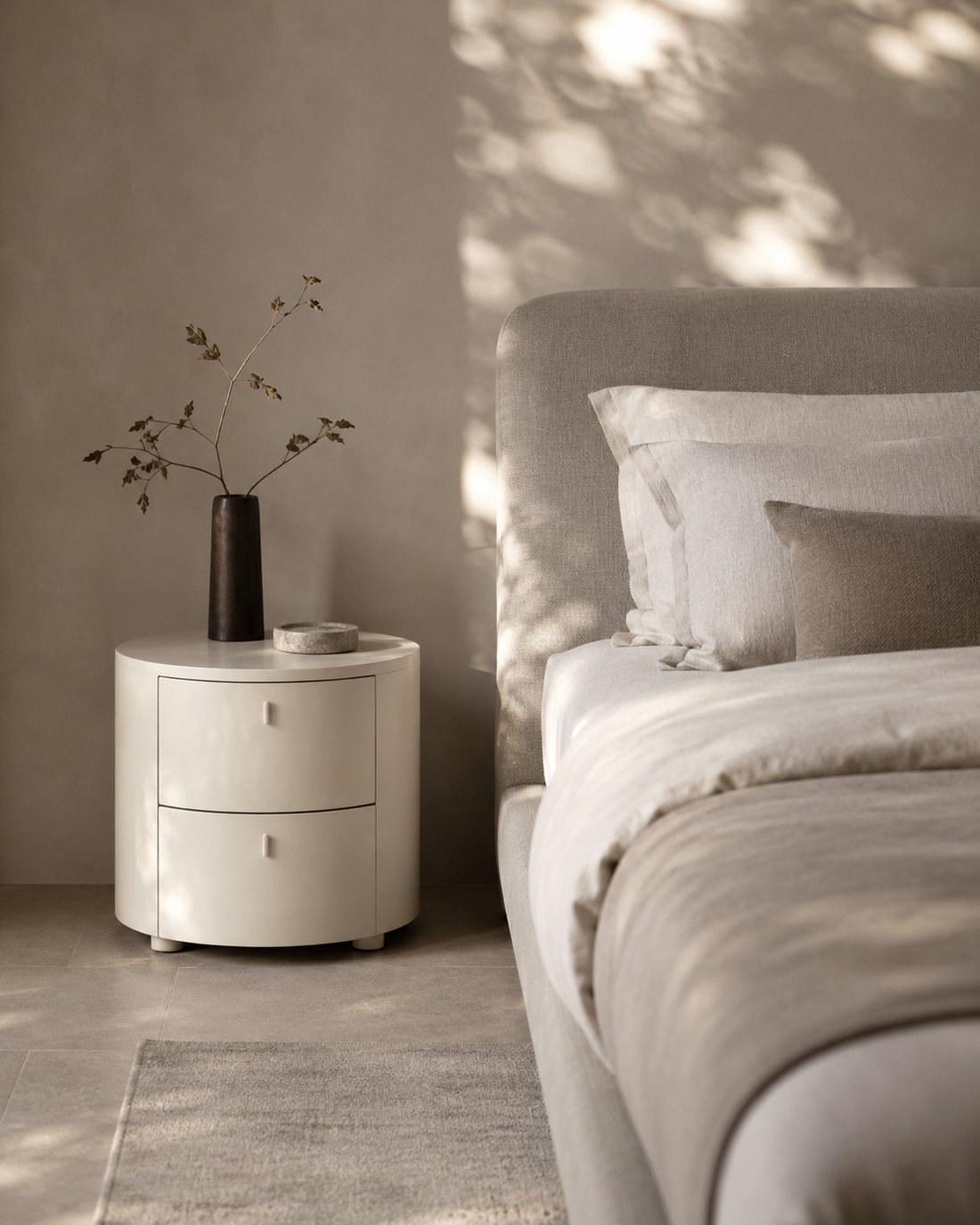 Sims Bedside Table - Matte Beige
- Regular price
-
- Regular price
-
- Sale price
-
-
Saviour Bedside Table - White Marble & Beige
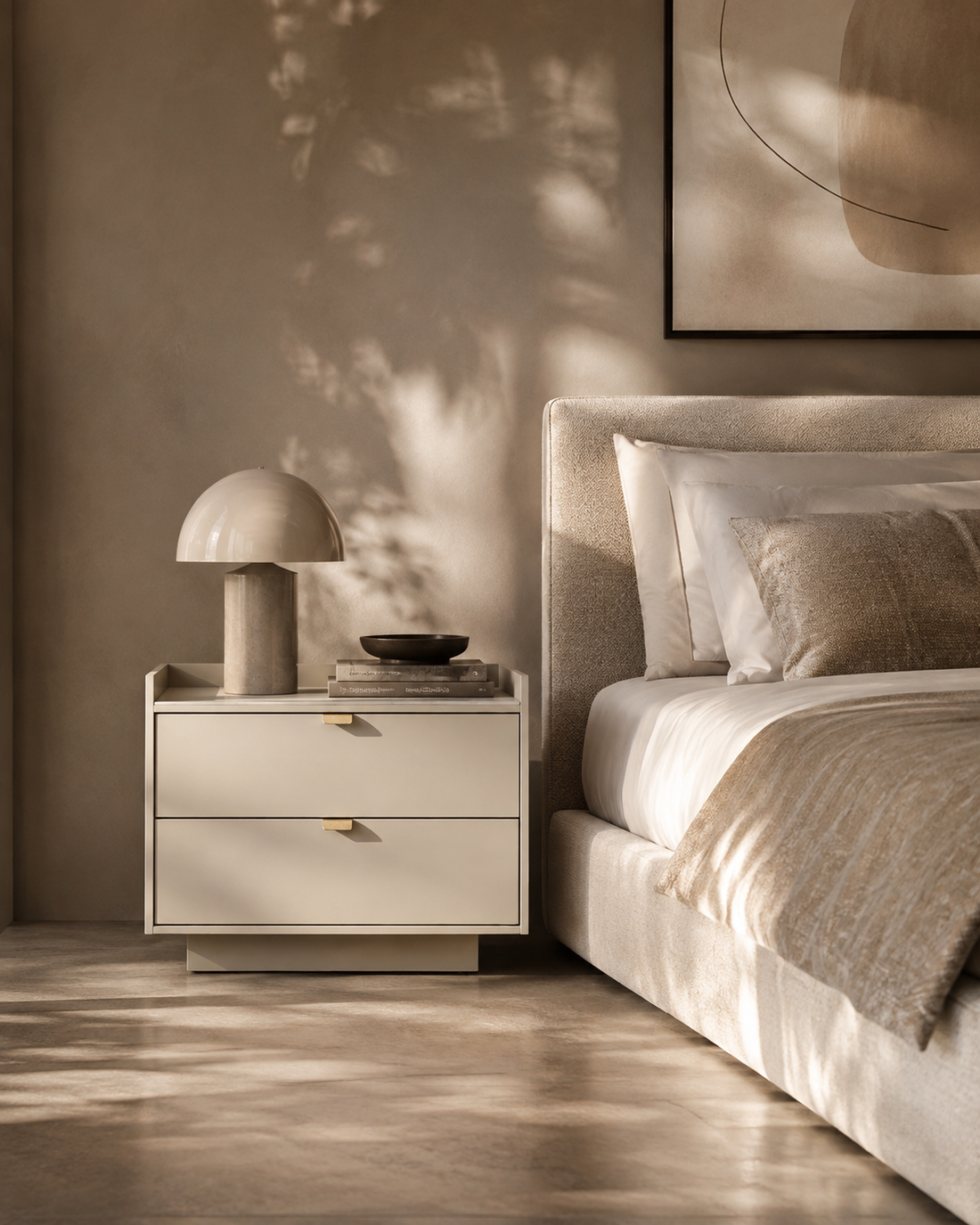 Saviour Bedside Table - White Marble & Beige
- Regular price
-
- Regular price
-
- Sale price
-
-
Dexter Bedside Table - Walnut - Pair
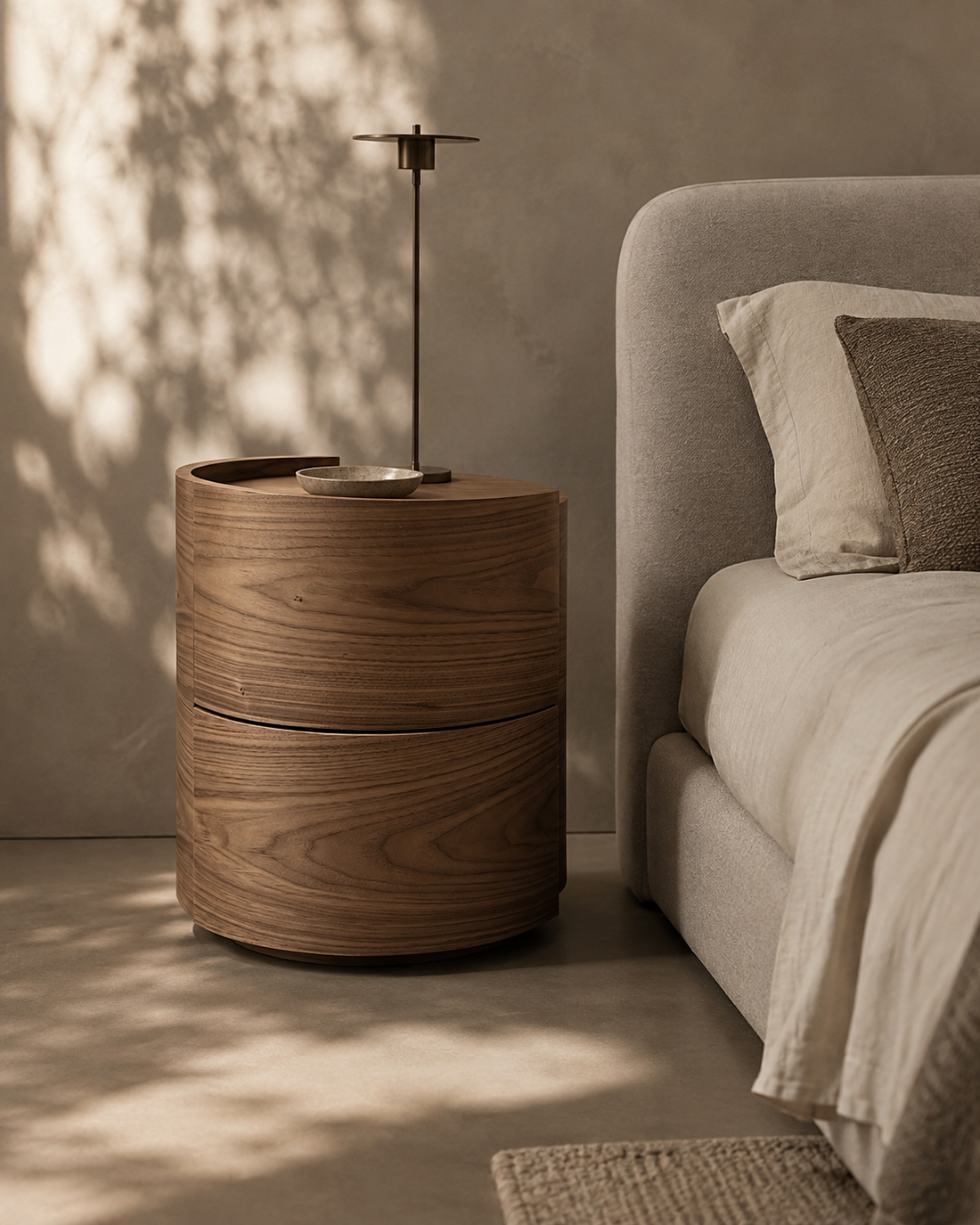 Dexter Bedside Table - Walnut - Pair
- Regular price
-
- Regular price
-
- Sale price
-
Disclaimer: All trademarks, brand names and product names mentioned on this website are the property of their respective owners. Any references are made for identification, informational or comparative purposes only, and do not imply any affiliation, endorsement, sponsorship or authorisation.