

Lighting
Lighting is a crucial element in interior design, balancing function, atmosphere, and style. In UK interiors, high-quality lighting enhances spaces by providing illumination, setting mood, and accentuating design features. Interior designers and independent retailers rely on premium lighting solutions to deliver cohesive, elegant, and practical interiors.
What Is Interior Lighting?
Interior lighting refers to any artificial light source used in a home or commercial space, including ceiling lights, chandeliers, pendant lamps, wall lights, floor lamps, and table lamps. Beyond providing visibility, lighting defines ambiance, highlights architectural features, and complements furniture and accessories.
Premium lighting focuses on craftsmanship, materials, and design detail. High-quality metals, glass, and finishes ensure longevity, while thoughtfully designed fixtures elevate interiors visually and functionally. For UK interior designers and retailers, sourcing reliable lighting solutions allows them to meet client expectations and maintain strong resale potential.
Key Features of Premium Lighting
When selecting lighting for luxury interiors, these features are essential:
-
Premium Craftsmanship: Durable construction and high-quality finishes ensure long-term performance.
-
Design Variety: From modern minimalism to ornate traditional fixtures, collections suit a wide range of interior styles.
-
Function and Ambiance: Lighting should provide both practical illumination and mood enhancement.
-
UK-Held Stock: Immediate access to stock allows trade professionals to meet tight project deadlines.
-
Energy Efficiency: LED and sustainable technologies reduce energy use without compromising on style or brightness.
Popular Styles of Interior Lighting
UK interiors incorporate a wide range of lighting styles for various applications:
-
Modern Minimalist: Sleek, understated designs with clean lines and subtle finishes.
-
Classic and Traditional: Chandeliers, lanterns, and decorative fixtures with intricate detailing.
-
Industrial and Contemporary: Metal finishes, exposed fittings, and functional aesthetics.
-
Statement Lighting: Oversized or sculptural fixtures that act as visual focal points.
Understanding these styles helps interior designers and retailers create interiors that are both functional and visually striking.
Trade and Wholesale Advantages
Tommy Franks is a favourite among UK interior designers and independent retailers for sourcing premium lighting. Trade accounts benefit from:
-
No Minimum Order Value: Purchase individual fixtures or full lighting schemes with flexibility.
-
Free UK Delivery: Ensures convenient and reliable delivery across the UK.
-
Vast UK-Held Stock: Immediate availability supports urgent projects and retail displays.
-
Competitive Wholesale Margins: Provides strong resale opportunities for retailers.
-
Easy Trade Account Onboarding: Quick access to curated collections and trade support.
These advantages make Tommy Franks a trusted partner for lighting that enhances both residential and commercial interiors.
Why Choose Tommy Franks?
Tommy Franks combines premium craftsmanship with carefully curated lighting collections, offering interior designers and retailers reliable, high-quality solutions.
Interior designers benefit from versatile designs suitable for multiple projects, while retailers gain strong resale margins, UK-held stock, and free delivery. With no minimum order value and trade-friendly services, Tommy Franks continues to be a trade-favourite for premium lighting solutions across the UK.
Styling Tips for Interior Lighting
Layered Lighting: Combine ambient, task, and accent lighting to create depth and versatility.
Focal Points: Use statement chandeliers or pendant lights to anchor spaces.
Scale and Proportion: Match fixtures to room size — large pieces for spacious rooms, smaller for compact areas.
Material Coordination: Select metals, glass, and finishes that complement furniture and décor.
Placement: Consider ceiling height, wall positions, and furniture layout for optimal lighting performance.
Trade professionals can use these strategies to deliver interiors that are both visually stunning and commercially viable.
Products
-
Sims Bedside Table - Matte Beige
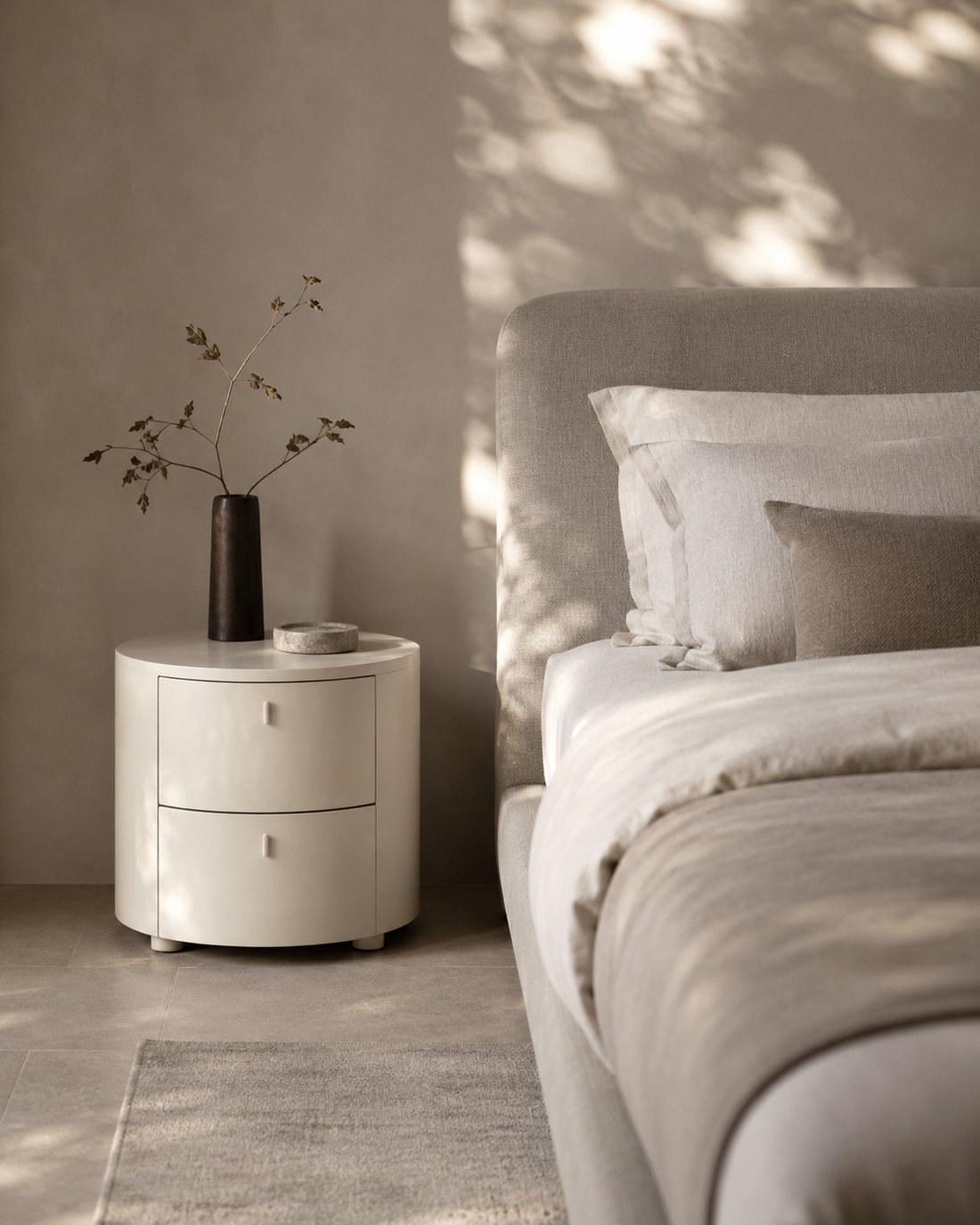 Sims Bedside Table - Matte Beige
- Regular price
-
- Regular price
-
- Sale price
-
-
Saviour Bedside Table - White Marble & Beige
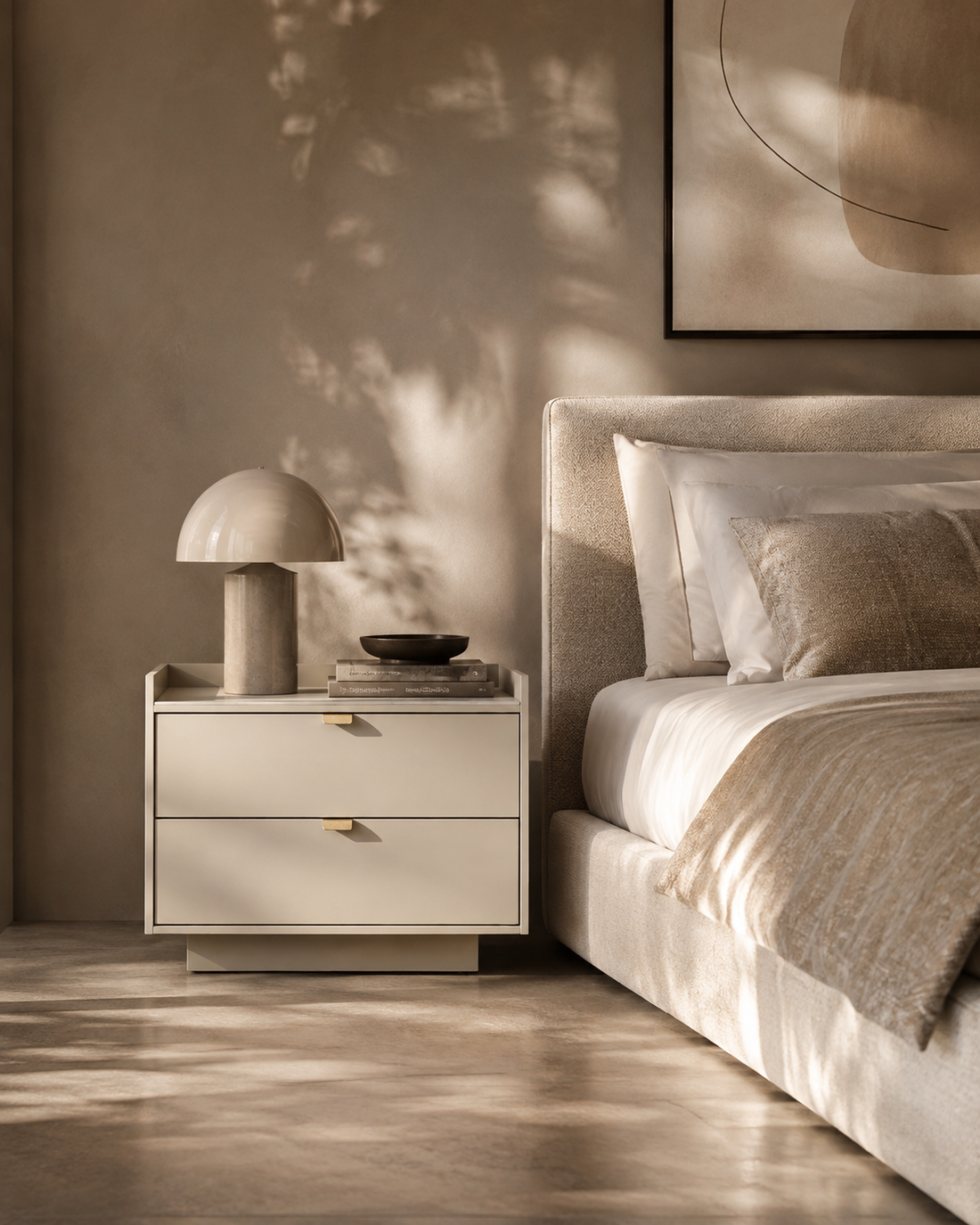 Saviour Bedside Table - White Marble & Beige
- Regular price
-
- Regular price
-
- Sale price
-
-
Dexter Bedside Table - Walnut - Pair
 Dexter Bedside Table - Walnut - Pair
- Regular price
-
- Regular price
-
- Sale price
-

Disclaimer: All trademarks, brand names and product names mentioned on this website are the property of their respective owners. Any references are made for identification, informational or comparative purposes only, and do not imply any affiliation, endorsement, sponsorship or authorisation.