

Interior Lighting Design
Interior lighting design is the professional practice of planning, specifying, and arranging lighting within a space to enhance functionality, mood, and aesthetic appeal. It combines technical knowledge of illumination with interior design principles to create environments that are both practical and visually compelling.
Favoured by homeowners, architects, interior designers, and commercial developers, interior lighting design transforms residential, commercial, and hospitality interiors by balancing ambient, task, and accent lighting to achieve a cohesive and inviting atmosphere.
What Defines Interior Lighting Design?
Interior lighting design is defined by its combination of technical expertise, creative vision, and functional planning:
-
Ambient Lighting: Provides general illumination for the overall space.
-
Task Lighting: Focused lighting for specific activities such as reading, cooking, or working.
-
Accent Lighting: Highlights architectural features, artwork, or decorative elements.
-
Layered Lighting: Combining multiple lighting types for depth and flexibility.
-
Fixture Selection: Choosing ceiling lights, wall lights, floor lamps, table lamps, and decorative lighting appropriate to the space.
This holistic approach ensures spaces are both functional and visually appealing.
Key Principles of Interior Lighting Design
-
Balance and Layering: Use ambient, task, and accent lighting together to create dimension.
-
Scale and Proportion: Choose lighting fixtures that suit the size and height of the room.
-
Colour Temperature: Warm light for cosy areas, cooler light for workspaces.
-
Highlight Features: Use spotlights or wall lights to emphasise artwork, shelving, or architectural details.
-
Energy Efficiency: Consider LED lighting and dimmers for flexibility and sustainability.
These principles help achieve a well-lit, stylish, and functional interior.
Applications of Interior Lighting Design
-
Living Rooms: Combination of ceiling lights, floor lamps, and accent lighting to create layered ambiance.
-
Bedrooms: Soft ambient lighting with bedside lamps for reading and relaxation.
-
Dining Rooms: Statement pendant lights above tables for focus and style.
-
Kitchens & Workspaces: Task lighting under cabinets or over work surfaces.
-
Hallways & Entryways: Wall sconces or ceiling lights to enhance flow and first impressions.
-
Commercial Interiors: Retail, hospitality, and offices benefit from lighting that highlights products, work areas, and décor.
Benefits of Professional Interior Lighting Design
-
Enhanced Functionality: Provides the right illumination for different tasks and activities.
-
Mood and Atmosphere: Lighting sets the tone of a room, creating warmth, drama, or calm.
-
Visual Impact: Highlights key design elements, artwork, and architectural features.
-
Energy Efficiency: Optimises fixture placement and lighting type to reduce energy consumption.
-
Cohesive Interiors: Ensures lighting complements furniture, décor, and architectural elements.
Well-designed lighting transforms ordinary interiors into inviting, functional, and stylish spaces.
Choosing the Right Interior Lighting Design
When planning lighting design, consider:
-
Purpose of the Space: Determine primary functions and required lighting levels.
-
Fixture Style: Match lighting to the interior’s design aesthetic (industrial, modern, classic, or contemporary).
-
Layering Needs: Ensure ambient, task, and accent lighting are integrated.
-
Room Scale: Larger rooms may need multiple light sources for even coverage.
-
Lighting Control: Dimmers, smart lighting, and zones for flexibility.
Careful planning ensures interiors are illuminated efficiently while complementing the overall design.
Integration with Interior Spaces
Interior lighting design works alongside:
-
Furniture: Enhances the look of sofas, tables, cabinets, and shelving.
-
Decorative Accessories: Highlights vases, sculptures, mirrors, and artwork.
-
Architectural Features: Accentuates ceiling beams, niches, and wall textures.
-
Textiles & Materials: Shows textures of rugs, cushions, curtains, and upholstery in their best light.
-
Colour Palettes: Adjusts perception of wall, flooring, and furnishing colours.
Lighting is a transformative element that ties together all aspects of interior design.
Benefits for Interior Designers and Trade Clients
-
High Design Value: Enhances aesthetics and functionality for clients.
-
Professional Credibility: Demonstrates expertise in space planning and visual composition.
-
Efficient Sourcing: Access to curated lighting collections that complement interiors.
-
Client Satisfaction: Creates spaces that are practical, stylish, and memorable.
-
Trade Support: Wholesale access to high-quality fixtures for large-scale projects.
Lighting design adds measurable value to interiors while elevating professional service offerings.
Why Choose Tommy Franks?
Tommy Franks offers professional interior lighting design solutions and access to premium lighting collections:
-
Curated UK-held stock of ceiling lights, wall lights, floor lamps, table lamps, and decorative lighting.
-
Trade accounts with competitive wholesale pricing and free UK delivery.
-
Expertise in modern, contemporary, industrial, and luxury lighting design.
-
Flexible support for residential, commercial, and hospitality projects.
-
Integration with furniture, mirrors, and decorative accessories to create cohesive interiors.
With Tommy Franks, interior designers, retailers, and homeowners can source lighting that enhances both style and function.
Products
-
Sims Bedside Table - Matte Beige
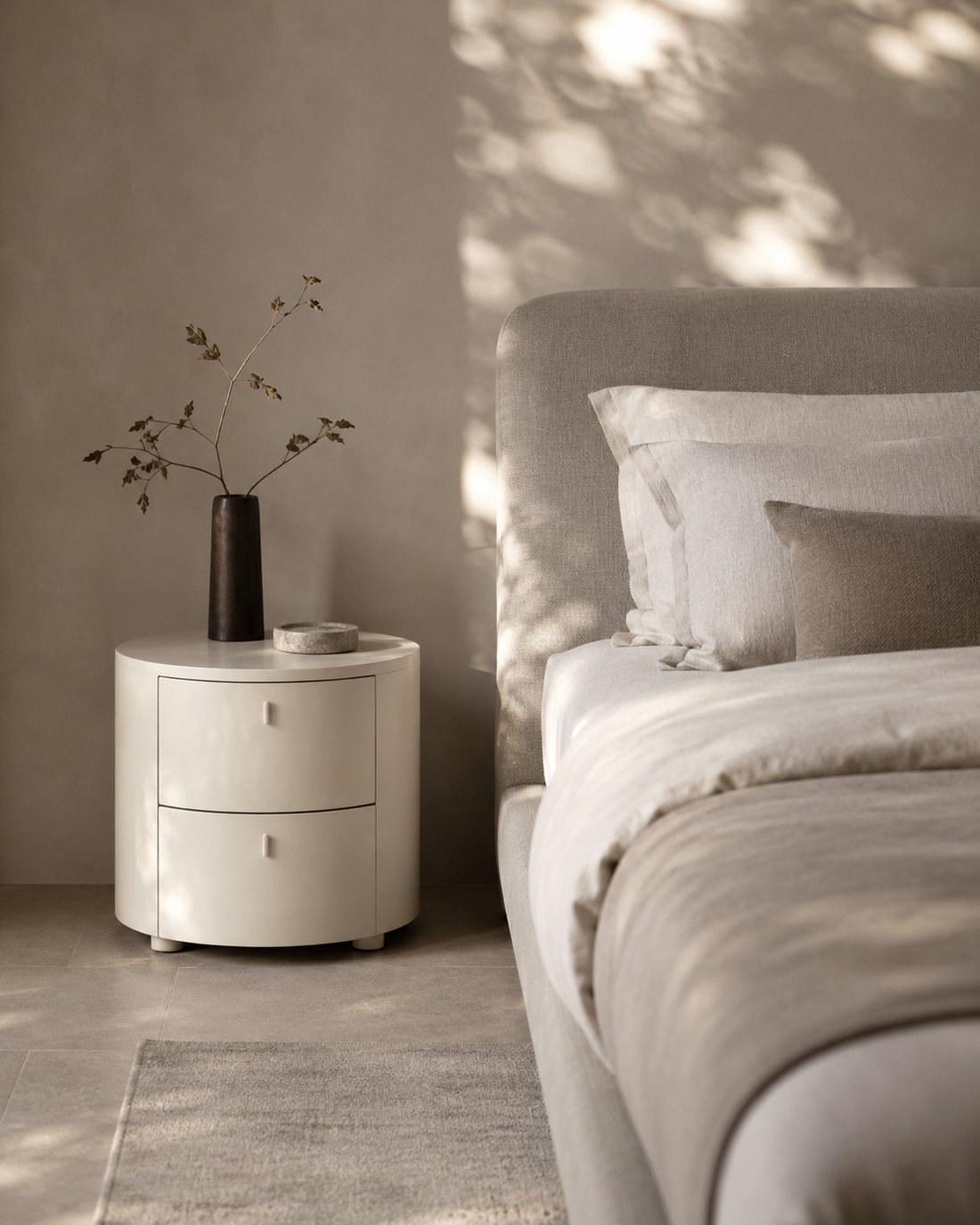 Sims Bedside Table - Matte Beige
- Regular price
-
- Regular price
-
- Sale price
-
-
Saviour Bedside Table - White Marble & Beige
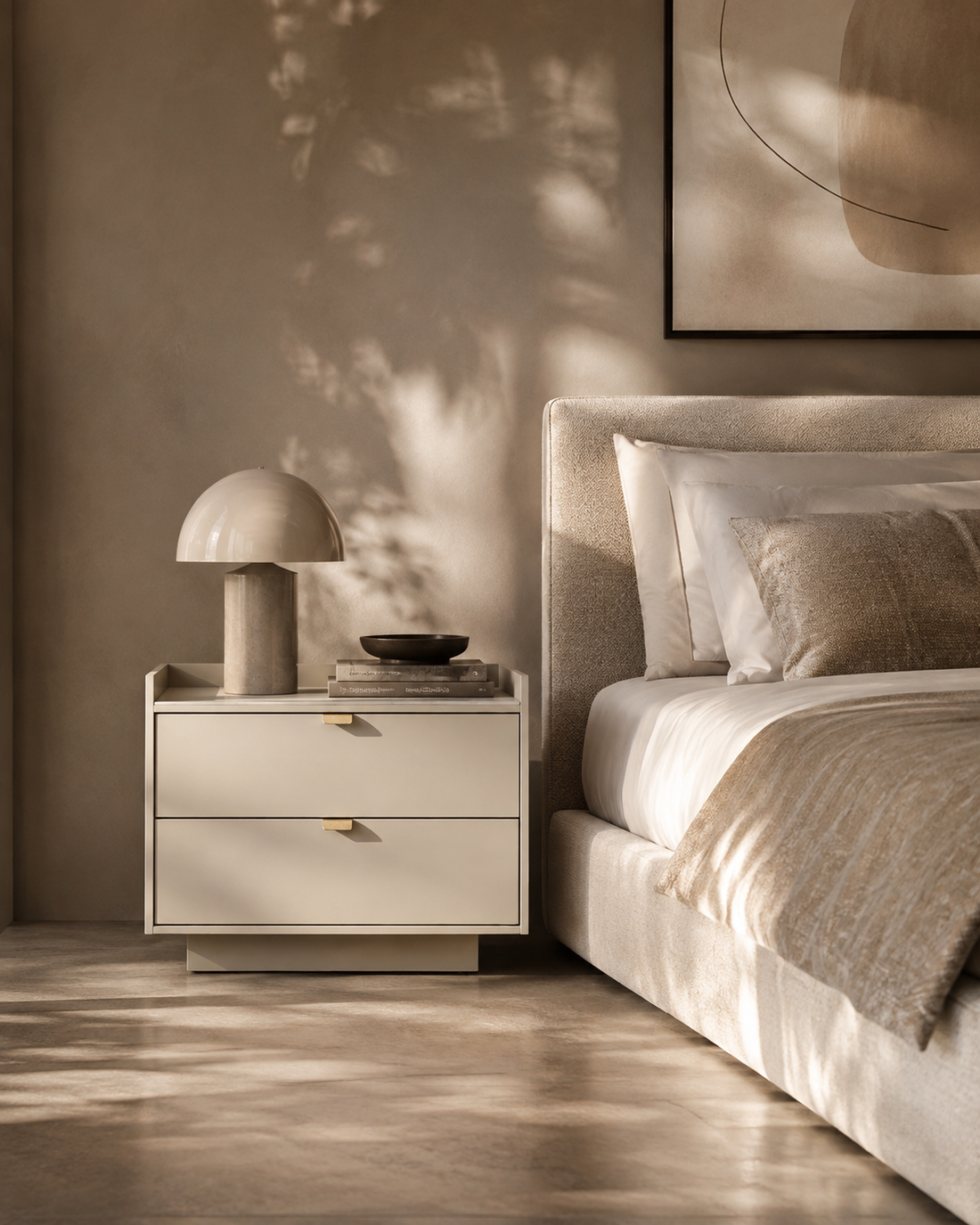 Saviour Bedside Table - White Marble & Beige
- Regular price
-
- Regular price
-
- Sale price
-
-
Dexter Bedside Table - Walnut - Pair
 Dexter Bedside Table - Walnut - Pair
- Regular price
-
- Regular price
-
- Sale price
-

Disclaimer: All trademarks, brand names and product names mentioned on this website are the property of their respective owners. Any references are made for identification, informational or comparative purposes only, and do not imply any affiliation, endorsement, sponsorship or authorisation.