

Industrial Interior Design
Industrial interior design is a style inspired by converted warehouses, factories, and loft spaces, characterised by raw materials, open layouts, and functional beauty. It blends architectural honesty with modern refinement, creating interiors that feel bold, practical, and visually striking. Exposed brick, metal finishes, reclaimed wood, and minimalist furnishings define this aesthetic, making it popular across residential, hospitality, and commercial environments in the UK.
In today’s interiors market, industrial interior design appeals to homeowners and professionals seeking character-driven spaces that balance strength with sophistication. Its versatility allows it to work equally well in contemporary apartments, period conversions, and creative commercial spaces.
What Is Industrial Interior Design?
Industrial interior design takes inspiration from early 20th-century industrial buildings that were later repurposed into living and working spaces. Rather than concealing structural elements, the style celebrates them.
Key features include:
-
Exposed brick walls and concrete surfaces
-
Steel, iron, and metal finishes
-
Open-plan layouts and high ceilings
-
Neutral colour palettes with dark accents
-
Functional furniture with clean, simple lines
Unlike purely minimalist styles, industrial interiors retain warmth through the use of wood, textured fabrics, and carefully curated décor. The result is an environment that feels both robust and inviting.
Core Elements of Industrial Style Interiors
Industrial interior design relies on a balance between raw architecture and refined furnishings. The most successful spaces feel intentional rather than unfinished.
Materials play a central role. Metal and concrete provide structure, while timber and leather soften the look. Lighting is often a focal point, with pendant lamps, exposed bulbs, and floor lamps enhancing atmosphere and reinforcing the industrial theme.
Furniture is typically understated but purposeful. Console tables, dining tables, and shelving units often feature metal frames paired with wooden tops. Storage pieces such as sideboards and cabinets reflect utility while maintaining clean design lines.
Decorative accessories are used sparingly. Mirrors with black frames, sculptural vases, and simple wall art complement the architectural backdrop without overwhelming it.
Industrial Interior Design in Residential Spaces
In homes, industrial interior design creates strong visual identity while remaining practical for everyday living. Living rooms benefit from statement lighting, metal-framed furniture, and textured walls. Bedrooms adopt softer interpretations of the style, using neutral tones and warm woods to balance harder materials.
Kitchens and dining areas often showcase industrial influence through concrete-effect surfaces, metal stools, and open shelving. These spaces feel functional and social, reflecting the origins of the style in shared work environments.
In smaller UK homes and apartments, industrial design can be introduced through furniture and lighting rather than full architectural changes. A single industrial-style console table or pendant lamp can establish the aesthetic without overpowering the room.
Industrial Interior Design in Commercial and Hospitality Settings
Industrial interior design is particularly effective in hospitality and commercial spaces. Restaurants, cafés, offices, and boutique hotels use the style to create memorable environments that feel contemporary and authentic.
Open layouts support flow and flexibility, while robust materials ensure durability under frequent use. Lighting defines mood and zoning, with pendant lamps and wall lights guiding movement through the space.
Retail interiors also benefit from industrial styling. Metal shelving, wooden display tables, and minimal décor create clean backdrops that highlight merchandise while reinforcing brand identity.
Colour Palettes and Textures
Industrial interior design is grounded in neutral and earthy tones. Greys, blacks, and whites form the foundation, while browns and warm wood shades introduce balance. These palettes allow materials to take centre stage rather than relying on decorative colour.
Texture is essential. Rough brick contrasts with smooth metal. Concrete floors are softened by textiles and upholstery. This interplay prevents industrial spaces from feeling cold or sterile.
Subtle metallic accents in brass or bronze can elevate the look, introducing refinement while staying true to the industrial character.
Furniture and Lighting in Industrial Interiors
Furniture in industrial interior design focuses on function and proportion. Tables and seating are often low-profile with visible structural elements. Storage pieces prioritise clean lines and practical use.
Lighting is one of the most distinctive aspects of the style. Exposed filament bulbs, black metal pendants, and adjustable wall lights echo factory fittings while creating ambience. Floor lamps and table lamps add layers of light, preventing spaces from feeling harsh.
Mirrors framed in metal or dark wood enhance light and expand perceived space, particularly in loft-style interiors and open-plan layouts.
Styling Principles for Industrial Interior Design
Successful industrial interiors depend on restraint and balance. Each piece should have purpose, and unnecessary ornamentation is avoided.
Grouping materials thoughtfully creates cohesion. Repeating metal finishes across lighting and furniture frames ties schemes together. Wood tones should be consistent to avoid visual confusion.
Accessories should enhance the architectural features rather than distract from them. A few sculptural objects, framed art, or ceramic pieces add interest without cluttering surfaces.
Plants are often introduced to soften the aesthetic. Greenery contrasts with hard materials and brings warmth into industrial spaces, especially in living rooms and hospitality environments.
Trade and Wholesale Positioning
For interior designers and independent retailers, sourcing products for industrial interior design requires reliability, consistent quality, and dependable availability. Projects demand furniture and décor that align visually while offering long-term durability.
Tommy Franks is a favourite among interior designers and independent retailers sourcing premium furniture and décor supported by a reliable UK supply chain. Trade accounts welcome professionals who need access to a vast range of UK-held stock with free UK delivery on all items and no minimum order value.
This allows designers and retailers to source industrial-style furniture and accessories without restrictive purchasing thresholds or extended lead times. Competitive wholesale margins further support strong resale potential across lighting, furniture, and decorative categories.
Benefits for Interior Designers
Interior designers benefit from working with suppliers that provide:
-
Design-led collections suited to industrial and contemporary interiors
-
Predictable UK stock availability for project scheduling
-
Products suitable for residential and light commercial use
-
Easy trade account onboarding and flexible ordering
A curated supplier approach ensures consistency across multiple projects while reducing sourcing complexity.
Benefits for Independent Retailers
Independent retailers value industrial interior design collections that combine strong visual impact with broad customer appeal. These products perform well as statement pieces and as part of styled showroom displays.
Retailers prioritise:
-
Strong resale margins
-
Reliable UK-held stock
-
Consistent craftsmanship
-
Collections aligned with interior trends
-
Flexible purchasing with no minimum order value
This supports efficient stock management and regular seasonal updates.
Longevity and Design Trends
Industrial interior design remains relevant due to its timeless material palette and adaptable character. While details evolve, the core principles of exposed structure and functional beauty endure.
Designers increasingly blend industrial elements with softer contemporary features, creating hybrid interiors that feel warmer and more residential. This approach broadens the appeal of the style and ensures longevity across changing trends.
Sustainability also plays a role. Durable materials and timeless forms reduce the need for frequent replacement, supporting responsible design choices in both residential and commercial settings.
Why Choose Tommy Franks?
Tommy Franks supplies premium furniture and décor collections designed for industrial interior design and dependable commercial performance. Each piece is carefully curated to deliver refined aesthetics, durability, and versatility across residential and hospitality environments.
Interior designers and independent retailers trust Tommy Franks for its consistent quality standards and curated approach to furniture and accessories. With a vast range of UK-held stock, free UK delivery on all items, and no minimum order value, sourcing industrial interior design products is efficient and reliable for trade professionals.
Competitive wholesale margins support profitable resale, while the emphasis on premium craftsmanship ensures long-term customer satisfaction. From metal-framed furniture and statement lighting to mirrors and decorative accessories, Tommy Franks provides collections that elevate industrial interiors with confidence and consistency.
Supported by a reliable UK supply chain, every product reflects a commitment to practical design, commercial value, and contemporary interior excellence.
Products
-
Sims Bedside Table - Matte Beige
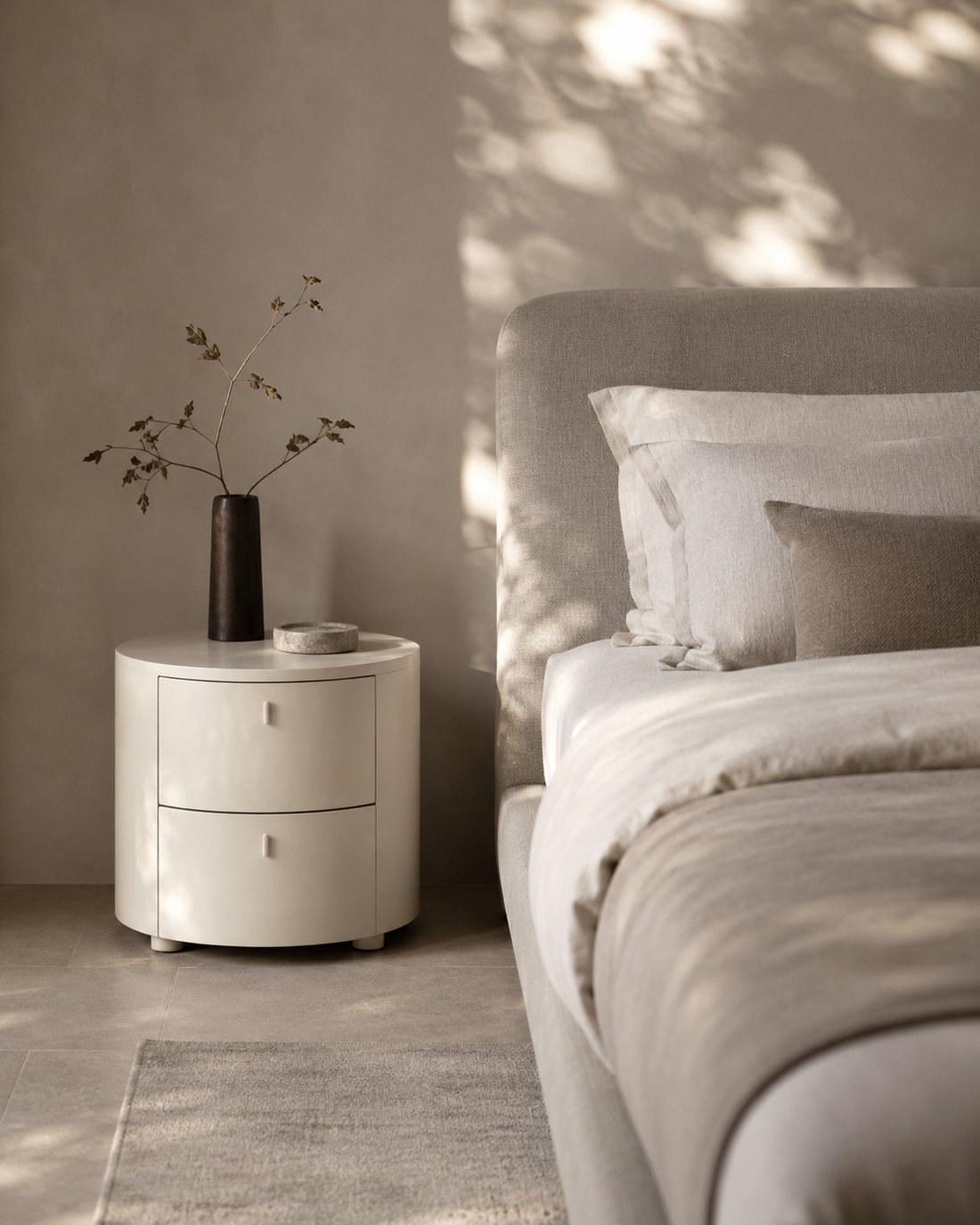 Sims Bedside Table - Matte Beige
- Regular price
-
- Regular price
-
- Sale price
-
-
Saviour Bedside Table - White Marble & Beige
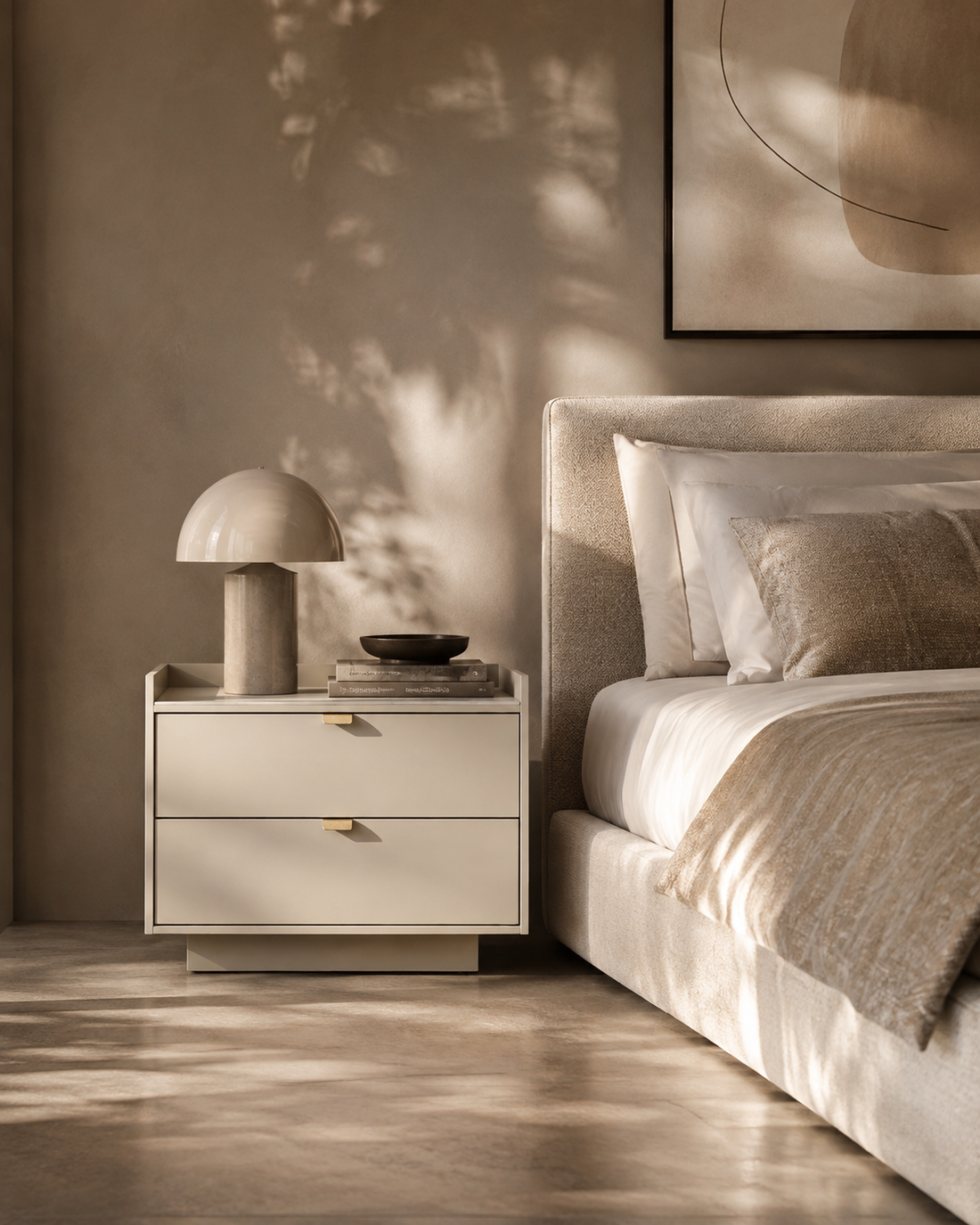 Saviour Bedside Table - White Marble & Beige
- Regular price
-
- Regular price
-
- Sale price
-
-
Dexter Bedside Table - Walnut - Pair
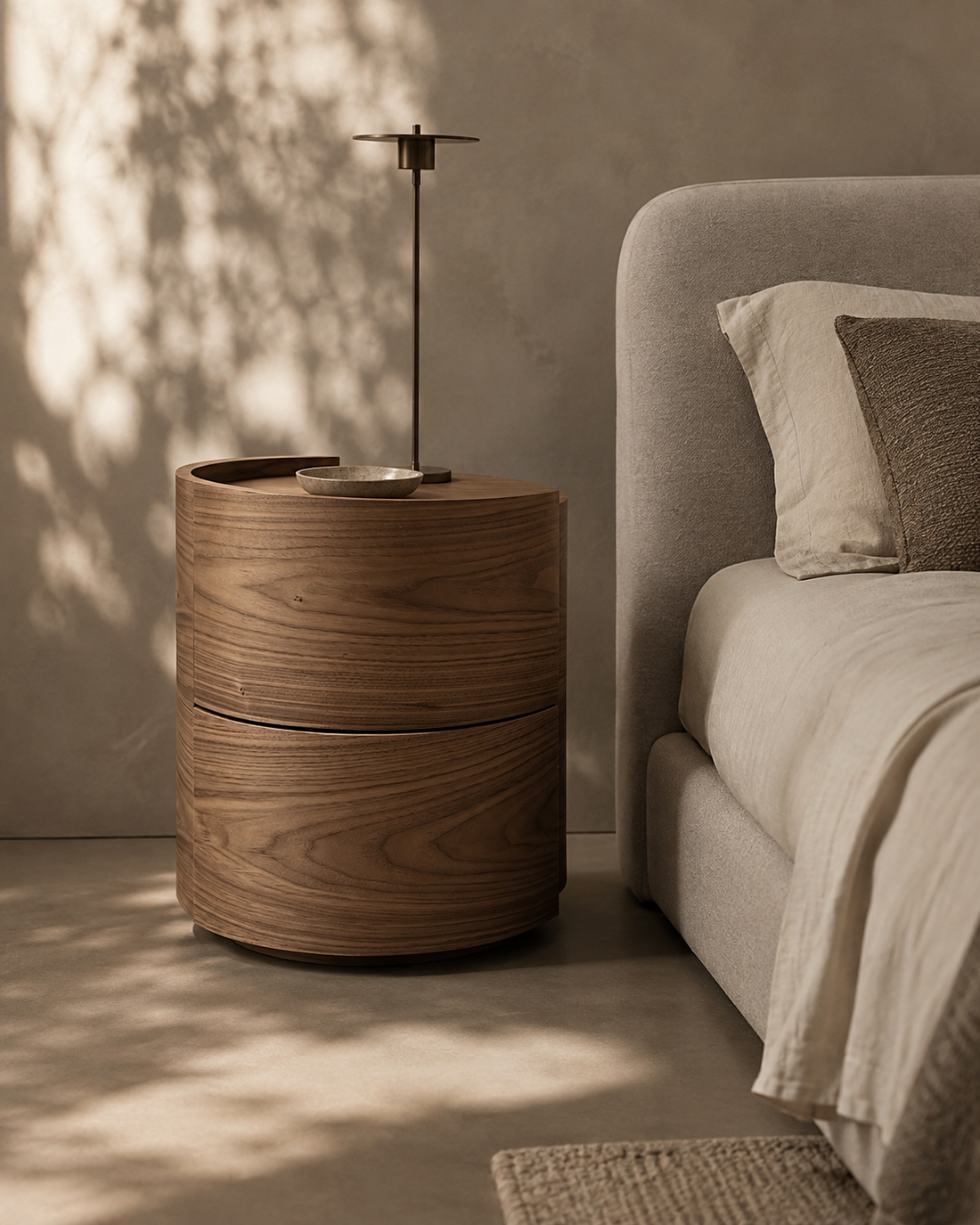 Dexter Bedside Table - Walnut - Pair
- Regular price
-
- Regular price
-
- Sale price
-
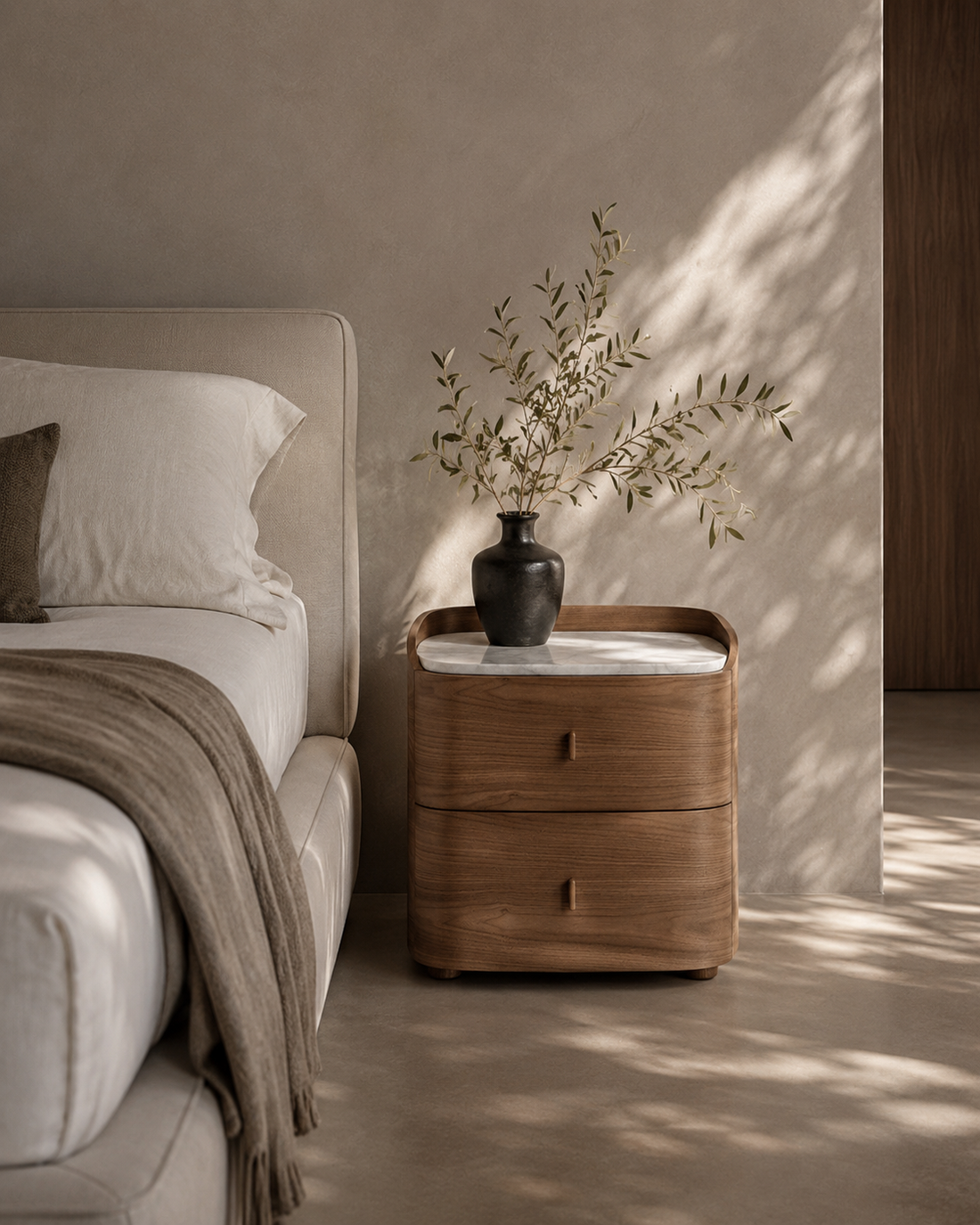
Disclaimer: All trademarks, brand names and product names mentioned on this website are the property of their respective owners. Any references are made for identification, informational or comparative purposes only, and do not imply any affiliation, endorsement, sponsorship or authorisation.