

Privacy Screen Indoor
A privacy screen indoor is a versatile interior furnishing designed to divide spaces, create visual separation and enhance the flow of a room without permanent structural changes. Commonly used in living areas, bedrooms, offices and hospitality settings, an indoor privacy screen provides both functional zoning and decorative appeal.
As modern interiors increasingly favour open-plan layouts, privacy screens have become an essential design solution. They allow flexibility while maintaining a sense of intimacy and structure, making them ideal for both residential and commercial environments.
What Is an Indoor Privacy Screen Used For?
A privacy screen indoor is primarily used to create defined areas within a room. In homes, it can separate sleeping and dressing zones, create a home office nook or add discretion to shared living spaces. In apartments and studios, privacy screens offer a practical way to introduce separation without altering the architecture.
In commercial interiors, such as hotels, salons and showrooms, privacy screens help manage footfall and create private consultation or seating areas. They also play a role in visual merchandising by guiding movement and framing displays.
Interior designers favour privacy screens because they combine flexibility with aesthetic impact. They can be repositioned easily, adapted to changing layouts and styled to complement existing décor.
Materials and Construction
The material of a privacy screen indoor determines both its appearance and performance. Wooden screens remain a popular choice due to their warmth and versatility. Natural finishes suit contemporary and classic interiors alike, while painted or stained designs allow coordination with specific colour palettes.
Metal and mixed-material screens introduce a modern, architectural quality. These designs often feature slim frames with decorative panels, perforated detailing or geometric patterns. They work particularly well in commercial environments and minimalist interiors where clean lines are essential.
Fabric and woven screens provide a softer approach, offering visual separation while maintaining light flow. These are commonly used in bedrooms, dressing areas and hospitality spaces where comfort and atmosphere are prioritised.
Premium craftsmanship ensures stability, smooth movement and durable finishes. Well-constructed privacy screens remain structurally sound while maintaining their decorative quality over time.
Design Styles and Visual Impact
Privacy screen indoor designs range from understated and minimalist to decorative and sculptural. Simple panelled screens with neutral finishes integrate seamlessly into modern interiors, allowing them to blend into the background while performing their function.
More decorative designs incorporate fluted panels, carved patterns or woven textures, turning the screen into a statement piece. These styles work well in boutique interiors and layered residential schemes where accessories play a strong visual role.
Colour choice also influences impact. Neutral tones such as beige, black and grey provide flexibility, while darker shades create contrast and drama. Lighter finishes reflect natural light and help maintain openness in smaller rooms.
For interior designers and retailers, versatility is essential. A well-designed privacy screen should suit multiple interior styles, from contemporary apartments to refined hospitality spaces.
Choosing the Right Privacy Screen Indoor
Selecting the right privacy screen indoor depends on scale, placement and purpose. Taller screens provide greater visual separation and are ideal for bedrooms or changing areas, while shorter designs suit open-plan living rooms and dining spaces.
Panel width and configuration affect both stability and appearance. Folding screens allow easy repositioning and storage, making them practical for flexible layouts. Fixed or freestanding screens create more permanent visual divisions while remaining non-structural.
Material durability is especially important in commercial and high-traffic environments. Surfaces should be easy to clean and resistant to wear, ensuring consistent presentation over time.
Light flow should also be considered. Screens with openwork designs or woven panels allow light to pass through while still offering privacy, preventing rooms from feeling closed or confined.
Privacy Screens in Professional Interior Design
In professional interior design projects, a privacy screen indoor is often used to define zones without interrupting visual continuity. They help structure open-plan spaces, creating a sense of order and purpose while preserving flexibility.
Hospitality interiors use privacy screens to create intimate seating areas, separate dining zones or enhance guest comfort in lounges and waiting areas. In retail environments, screens can guide circulation and support product presentation.
Residential developments and show homes frequently feature privacy screens to demonstrate how open spaces can be personalised and adapted. Their presence adds visual interest and lifestyle appeal, making interiors feel more functional and considered.
For independent retailers, privacy screens represent a commercially reliable product category. Their broad application across residential and commercial settings makes them suitable for a wide customer base and varied design preferences.
Trade and Wholesale Positioning
For interior designers and independent retailers, privacy screen indoor products offer both creative flexibility and commercial value. Their adaptability makes them suitable for apartments, hotels, salons, offices and property developments.
Trade buyers benefit from access to UK-held stock, ensuring dependable availability and efficient project timelines. Free UK delivery on all items simplifies logistics and reduces operational costs, while no minimum order value allows designers and smaller retailers to order confidently without volume pressure.
Strong resale margins make privacy screens an attractive category for retailers seeking consistent performance. Easy trade account onboarding supports efficient purchasing and long-term professional relationships.
Reliable UK supply ensures continuity across projects and collections, supporting designers and retailers who require dependable partners for repeated specification.
Styling and Practical Considerations
Styling a privacy screen indoor effectively enhances both its function and aesthetic contribution. Positioning is key. Screens can frame sofas, flank beds or sit behind seating areas to create visual depth and separation.
Textures and finishes should complement surrounding furniture and accessories. Wooden screens pair well with natural materials such as linen and stone, while metal designs suit modern interiors with glass and polished surfaces.
Accessories such as plants and lighting can further enhance the effect. Tall indoor planters placed beside a privacy screen create a layered, architectural look, while soft lighting highlights patterns and textures.
Maintenance should always be considered. Easy-clean finishes and stable construction are especially important in hospitality and commercial settings where screens are frequently moved or handled.
Why Choose Tommy Franks?
Tommy Franks is a favourite among interior designers and independent retailers seeking premium interior furniture supported by dependable service and supply. Carefully curated collections of privacy screen indoor designs combine refined aesthetics with practical performance, ensuring each piece meets professional standards of quality and durability.
With a vast range of UK-held stock, trade and retail customers benefit from reliable availability and shorter lead times. Free UK delivery on all items simplifies sourcing, while no minimum order value provides flexibility for projects of every scale. Premium craftsmanship ensures lasting visual appeal, and competitive wholesale margins support strong resale performance.
Trade accounts are welcome, with easy onboarding designed to support busy professionals efficiently. Supported by a reliable UK supply chain, Tommy Franks continues to be a trusted partner for furnishing interiors with confidence and consistency.
Products
-
Sims Bedside Table - Matte Beige
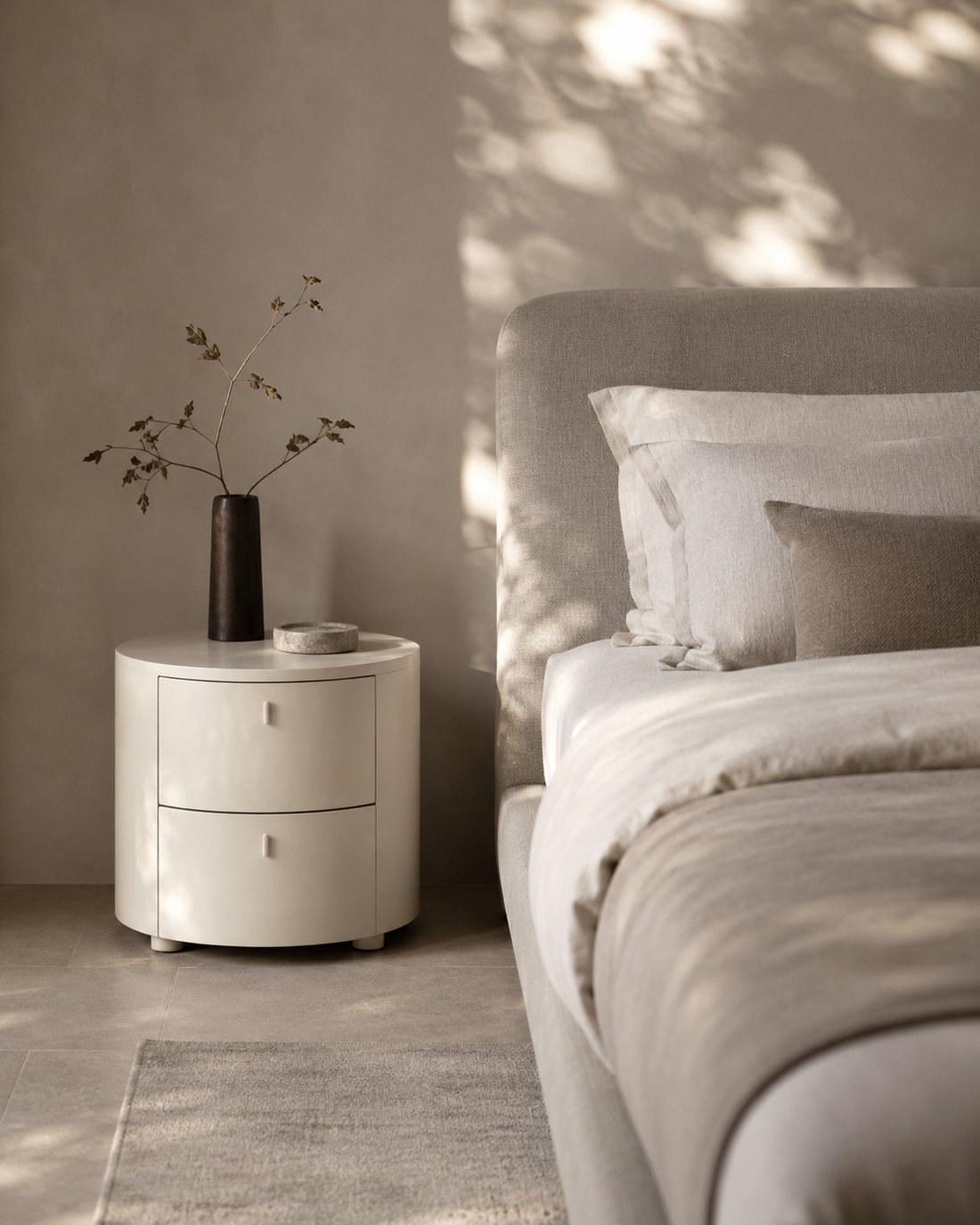 Sims Bedside Table - Matte Beige
- Regular price
-
- Regular price
-
- Sale price
-
-
Saviour Bedside Table - White Marble & Beige
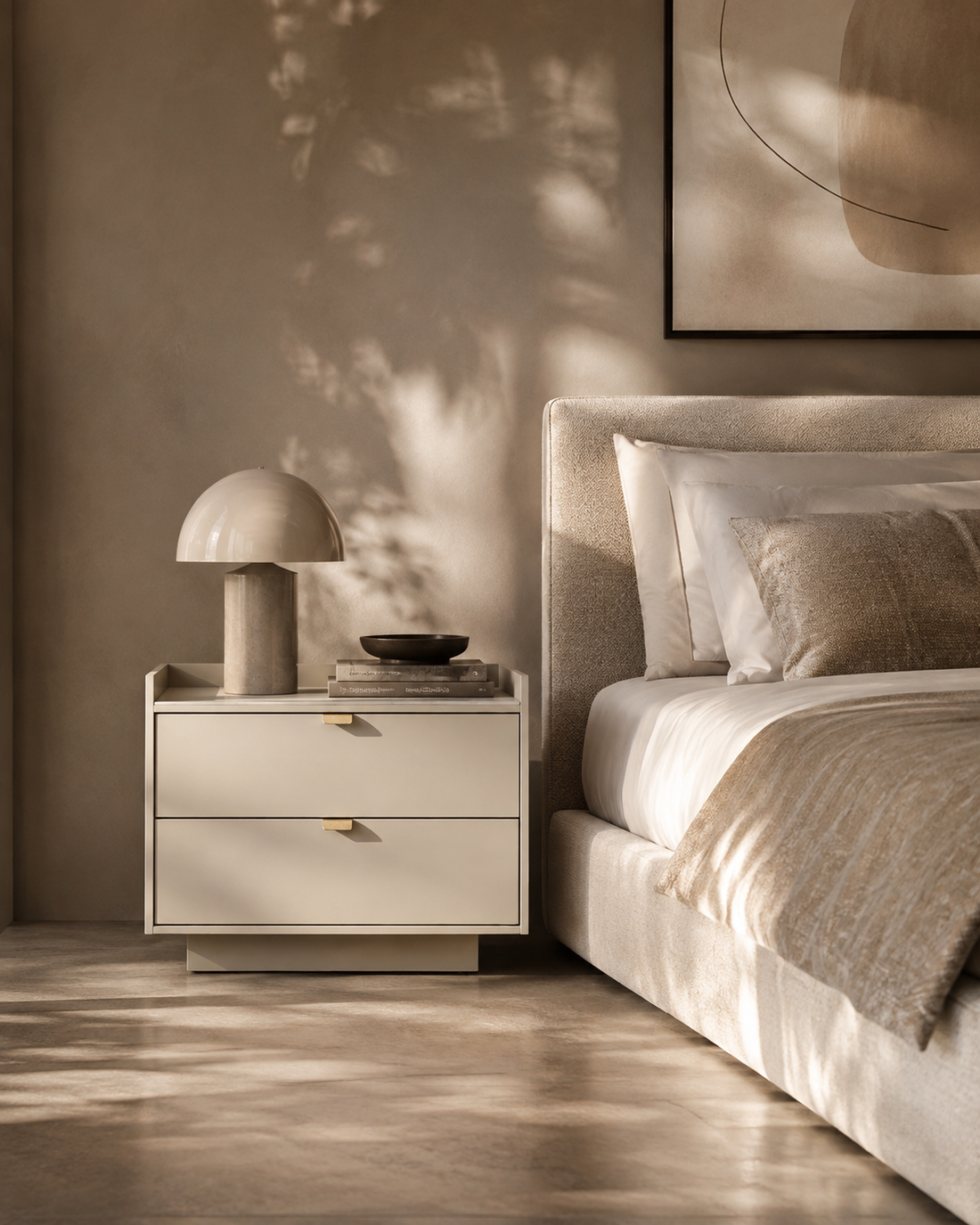 Saviour Bedside Table - White Marble & Beige
- Regular price
-
- Regular price
-
- Sale price
-
-
Dexter Bedside Table - Walnut - Pair
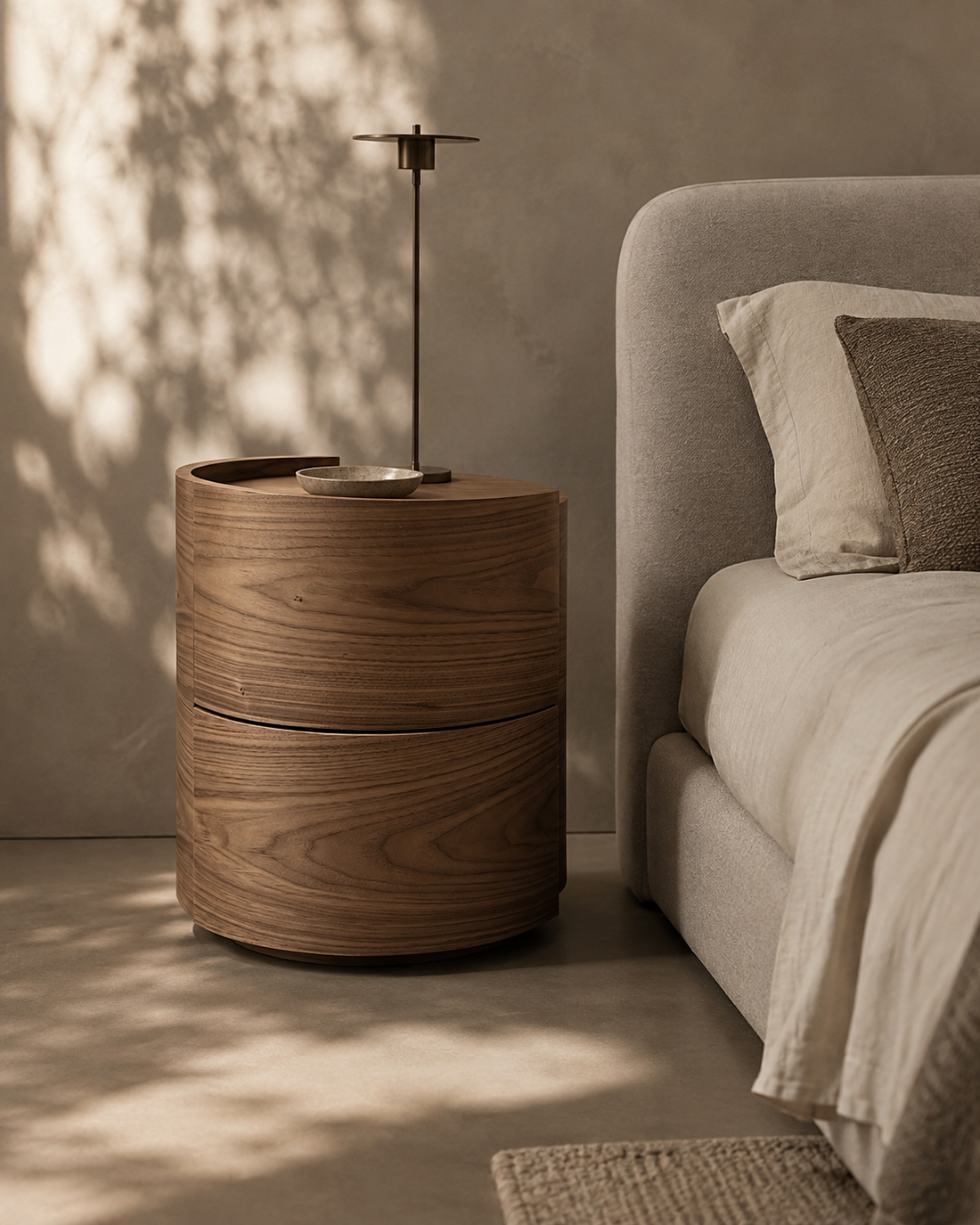 Dexter Bedside Table - Walnut - Pair
- Regular price
-
- Regular price
-
- Sale price
-
Disclaimer: All trademarks, brand names and product names mentioned on this website are the property of their respective owners. Any references are made for identification, informational or comparative purposes only, and do not imply any affiliation, endorsement, sponsorship or authorisation.