

Dressing Screens
Dressing screens are versatile interior furnishings designed to provide privacy, define space, and introduce decorative structure within a room. Often used in bedrooms, dressing areas, and open-plan interiors, a dressing screen offers both practical function and visual interest. From contemporary minimal designs to more decorative panelled styles, dressing screens enhance interiors without requiring permanent installation.
For interior designers and independent retailers, dressing screens present strong commercial value due to their flexibility, styling potential, and broad appeal across residential and hospitality environments.
What Are Dressing Screens?
A dressing screen is a freestanding, foldable or fixed-panel partition used to separate areas within a room. Traditionally associated with bedrooms and dressing spaces, modern dressing screens are now used throughout the home and in boutique commercial settings.
Key defining features include:
-
Panel construction: Usually made up of two or more connected sections.
-
Lightweight structure: Easy to move and reposition as needed.
-
Decorative finishes: Wood, fabric, rattan, metal, or mixed materials.
-
Functional privacy: Creates subtle separation without closing off space.
-
Design versatility: Suitable for classic, modern, and transitional interiors.
Interior designers favour dressing screens for their ability to add structure and softness without altering the architectural layout of a room.
Styles of Dressing Screens
Dressing screens are available in a wide range of styles, allowing them to complement different interior schemes and project requirements.
Contemporary and Minimal
Modern dressing screens focus on clean lines, neutral tones, and understated finishes. These styles work well in urban apartments and contemporary bedrooms where simplicity and light are key priorities.
Natural and Textured
Screens crafted from wood, rattan, or woven materials bring warmth and organic texture to interiors. These designs suit relaxed living spaces and Scandinavian-inspired schemes where natural elements are central.
Decorative and Statement
Some dressing screens feature patterned panels, fabric inserts, or sculptural frames. These styles act as both functional partitions and decorative features within the room.
Classic and Timeless
Traditional dressing screens often use panelled wood or soft upholstery finishes. These designs work well in country homes and heritage-inspired interiors, offering a sense of elegance and familiarity.
The Role of Dressing Screens in Interior Design
A dressing screen plays an important role in shaping how a space functions and feels. Its flexible design allows it to be used creatively across different rooms and layouts.
Its design contributions include:
-
Creating privacy: Ideal for dressing areas, bedrooms, and shared spaces.
-
Defining zones: Separates sleeping, dressing, or living areas without walls.
-
Softening interiors: Adds curves and texture to angular room layouts.
-
Visual interest: Acts as a decorative element when not in active use.
-
Adaptability: Easily repositioned for changing layouts or seasonal styling.
For retailers, dressing screens appeal to customers seeking practical solutions that also enhance interior aesthetics.
How to Choose the Right Dressing Screen
Selecting the right dressing screen requires attention to size, material, and intended use. Interior designers focus on achieving both functional privacy and visual harmony.
Key selection principles include:
-
Room size: Choose a screen proportionate to the space without dominating it.
-
Panel count: More panels provide greater coverage and flexibility.
-
Material choice: Wood adds warmth, fabric softens the look, and metal introduces a modern edge.
-
Finish and colour: Neutral tones offer versatility across different schemes.
-
Stability: Ensure a solid base for everyday repositioning and use.
These considerations help ensure the dressing screen becomes a practical and long-lasting interior feature.
Styling Dressing Screens
Styling enhances the visual impact of a dressing screen and integrates it into the wider interior scheme.
Key styling techniques include:
-
Positioning thoughtfully: Place near wardrobes, mirrors, or windows for balance.
-
Using as a backdrop: Frame beds, armchairs, or vanity areas with subtle separation.
-
Coordinating textures: Match screen materials with rugs, curtains, or cushions.
-
Maintaining simplicity: Avoid overcrowding nearby furniture.
-
Balancing tones: Pair with soft lighting and neutral décor for cohesion.
These approaches allow dressing screens to feel intentional and refined rather than purely functional.
Dressing Screens for Trade and Wholesale
Dressing screens are a valuable category for interior designers and independent retailers working across residential and hospitality projects, including show homes, serviced apartments, and boutique accommodation spaces.
Tommy Franks is a favourite among interior designers and independent retailers for its carefully curated furniture collections and dependable UK supply chain. With a vast range of UK-held stock, professionals can source dressing screens quickly and reliably, ensuring projects remain on schedule and retail displays remain consistently stocked.
Trade accounts welcome with straightforward onboarding and access to competitive wholesale margins. With no minimum order value, designers and retailers can purchase single screens for smaller schemes or larger quantities for full interior specifications without restriction.
Free UK delivery on all items removes logistical barriers and supports efficient planning. Premium craftsmanship ensures that each dressing screen meets professional expectations for durability and finish, while carefully curated collections provide consistency across furniture ranges and strong resale potential.
Quality and Sustainability Considerations
High-quality dressing screens are valued for their durability and responsible use of materials. Strong frames and carefully finished panels reduce the need for frequent replacement, supporting more sustainable interior practices.
Many collections prioritise timeless design and quality craftsmanship that age well over time. For designers and retailers, offering well-made interior accessories strengthens brand reputation and builds long-term trust with customers who value thoughtful sourcing.
Why Choose Tommy Franks?
Tommy Franks is a trusted supplier of dressing screens for interior designers and independent retailers across the UK. Our collections are carefully curated to reflect current interior trends while maintaining timeless appeal and everyday usability. Each piece demonstrates premium craftsmanship through quality materials and refined construction.
With vast UK-held stock, Tommy Franks provides reliable availability and fast fulfilment, enabling professionals to manage both retail supply and interior projects with confidence. Trade accounts welcome with access to competitive wholesale margins and no minimum order value. Free UK delivery on all items further simplifies procurement and logistics.
By focusing on carefully curated collections and a dependable UK supply chain, Tommy Franks continues to support interior professionals and independent retailers seeking premium space-defining solutions that combine elegance, flexibility, and commercial value.
Products
-
Sims Bedside Table - Matte Beige
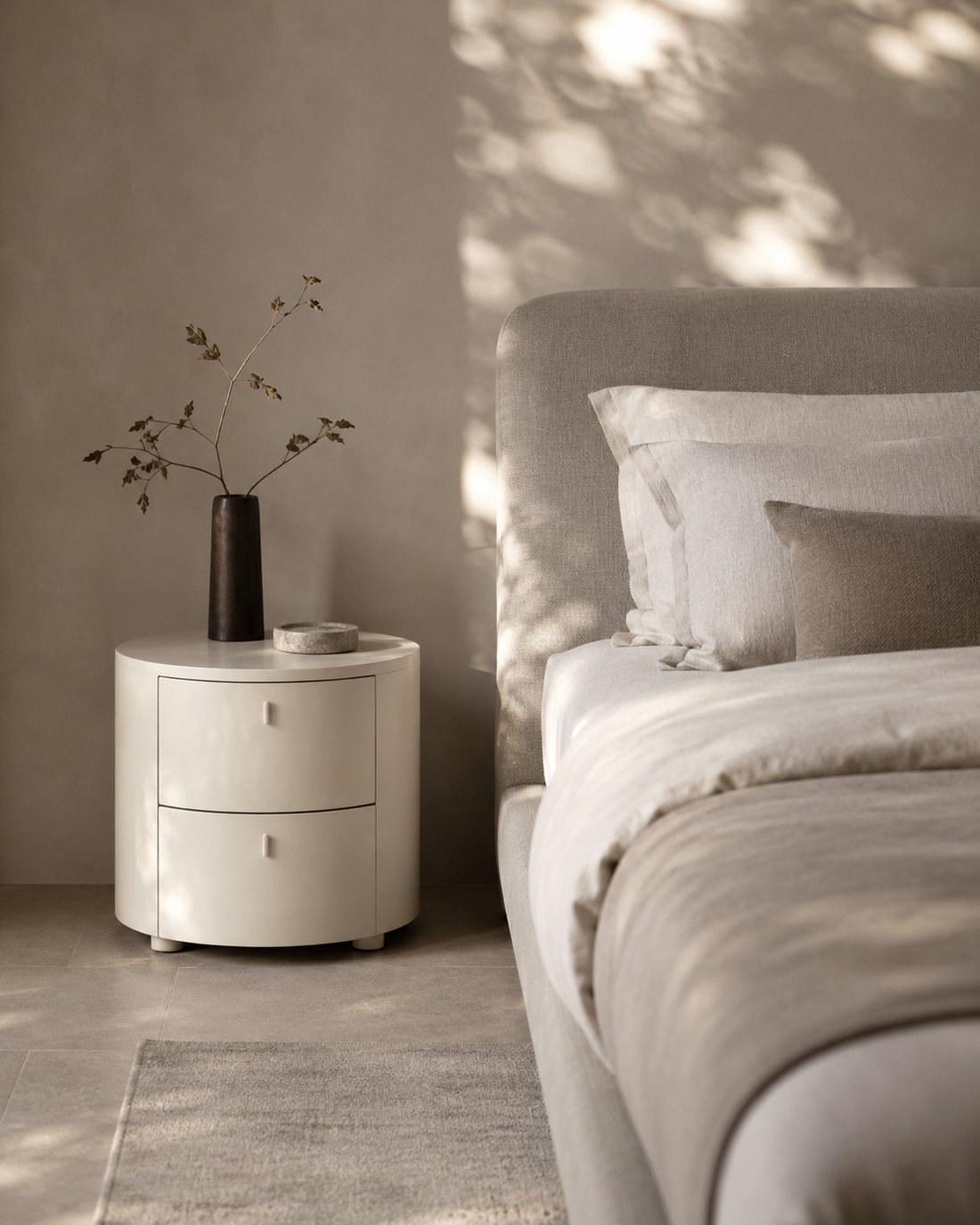 Sims Bedside Table - Matte Beige
- Regular price
-
- Regular price
-
- Sale price
-
-
Saviour Bedside Table - White Marble & Beige
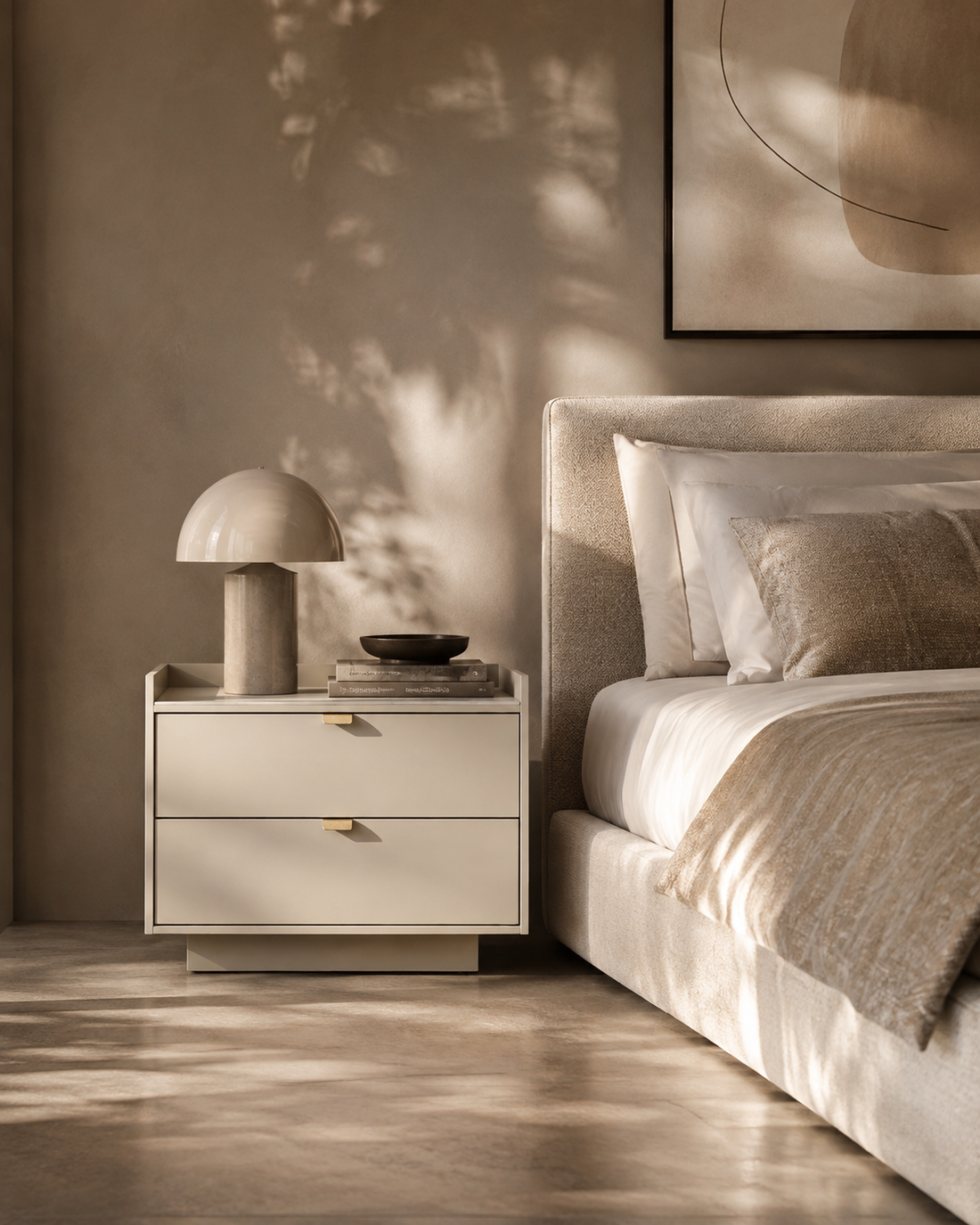 Saviour Bedside Table - White Marble & Beige
- Regular price
-
- Regular price
-
- Sale price
-
-
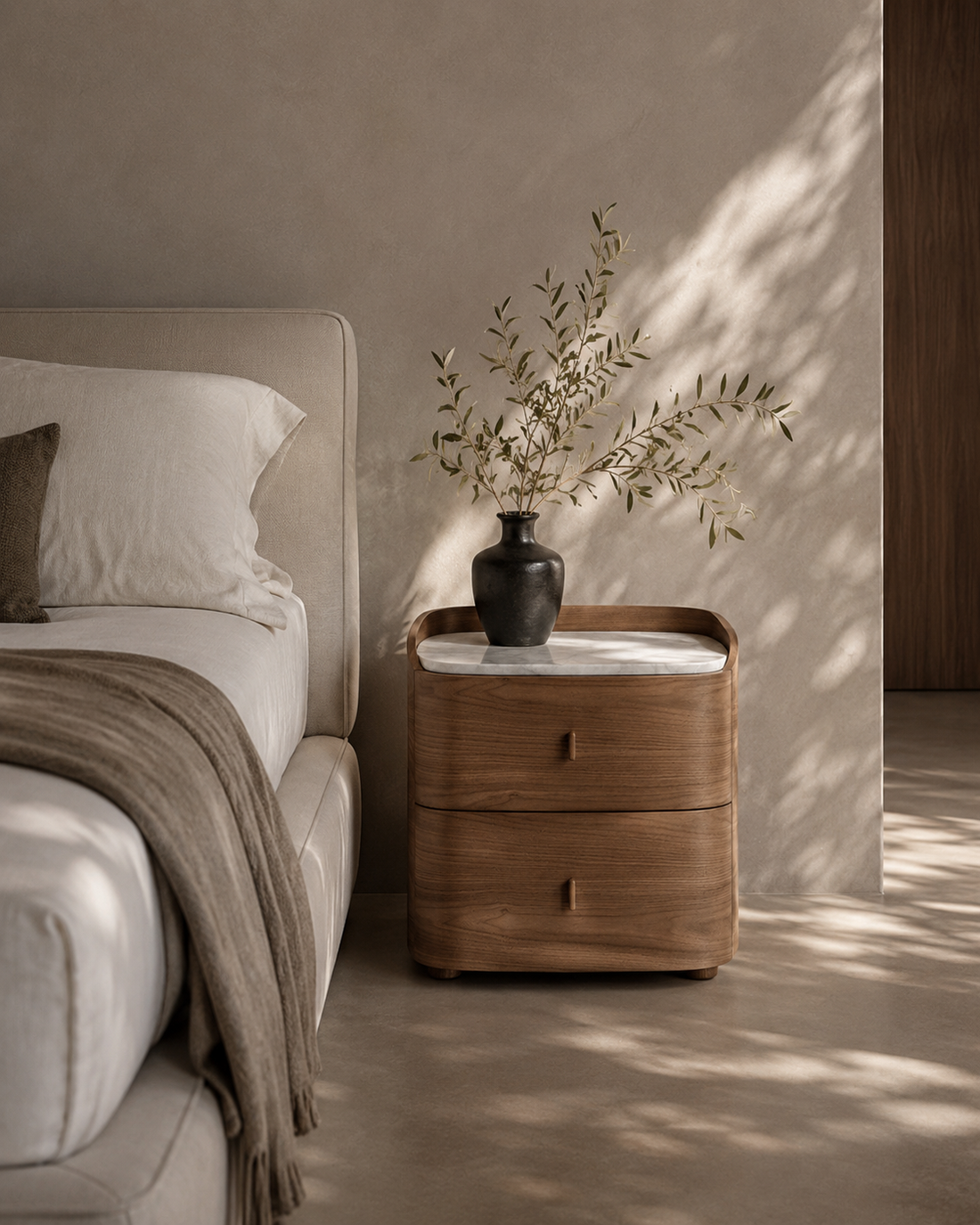
Dexter Bedside Table - Walnut - Pair
 Dexter Bedside Table - Walnut - Pair
- Regular price
-
- Regular price
-
- Sale price
-
Disclaimer: All trademarks, brand names and product names mentioned on this website are the property of their respective owners. Any references are made for identification, informational or comparative purposes only, and do not imply any affiliation, endorsement, sponsorship or authorisation.