

Dining Table And Kitchen
A dining table and kitchen combination refers to the integrated relationship between dining furniture and kitchen space within modern interior design. Whether positioned in an open-plan layout or a dedicated dining zone within the kitchen, the dining table plays a central role in shaping how the space is used for meals, socialising and everyday living.
In contemporary homes, the dining table and kitchen function as a unified environment rather than separate rooms. This approach supports modern lifestyles where cooking, entertaining and family time happen within the same shared space. The dining table becomes both a practical surface and a visual anchor that brings structure and balance to the kitchen interior.
What Is a Dining Table and Kitchen Used For?
A dining table within the kitchen provides a dedicated area for eating, gathering and informal work. It allows households to enjoy meals close to food preparation areas while creating a welcoming social hub within the home.
Interior designers use dining tables in kitchens to soften the functional nature of the space. Kitchens can feel technical and structured due to cabinetry and appliances, and the inclusion of a dining table introduces warmth, texture and comfort.
In open-plan homes, the dining table helps define zones without the need for physical barriers. It separates cooking areas from living spaces while maintaining visual flow. This zoning approach improves usability while preserving a sense of openness.
In commercial and hospitality environments such as serviced apartments and boutique hotels, the dining table and kitchen arrangement creates a residential atmosphere that appeals to guests seeking comfort and flexibility.
Styles and Design Options
Dining tables for kitchen spaces are available in a wide variety of styles to suit different interiors. Contemporary kitchens often feature tables with clean lines, slim profiles and neutral finishes that complement modern cabinetry.
Traditional kitchens pair well with wooden dining tables that add warmth and character. Farmhouse-style tables remain popular for country-inspired interiors, offering a relaxed and welcoming aesthetic.
Round dining tables are frequently chosen for kitchen settings due to their ability to maximise circulation space and encourage conversation. Rectangular tables suit larger kitchens or open-plan layouts where the table acts as a central design feature.
Material selection influences both appearance and durability. Wooden dining tables create a natural and timeless look, while metal and stone finishes introduce a more modern or industrial feel. Mixed materials such as wood with metal legs offer balance between warmth and structure.
Colour also plays an important role. Neutral tones allow the table to blend with kitchen cabinetry, while darker or contrasting finishes can be used to create a focal point within the space.
For interior designers and independent retailers, adaptable designs that work across multiple kitchen styles are particularly valuable.
Materials and Craftsmanship
The quality of a dining table and kitchen arrangement depends on robust construction and carefully selected materials. Dining tables used in kitchen environments must withstand frequent use, temperature changes and occasional spills.
Premium dining tables use solid wood, engineered timber, metal frames and stone or ceramic surfaces for long-term durability. These materials provide strength while maintaining visual refinement.
Craftsmanship is reflected in smooth finishes, strong joints and stable bases. Well-made tables remain level and secure, ensuring safety and comfort during everyday use.
In hospitality and commercial settings, durability is essential. Tables must retain their appearance despite heavy usage while maintaining a professional and inviting look.
Material choice also affects maintenance. Sealed wood and ceramic surfaces are easy to clean and resist staining, making them suitable for busy kitchens and family homes.
Choosing the Right Dining Table for the Kitchen
Selecting the right dining table for a kitchen requires consideration of scale, layout and function. The table should fit comfortably within the available space while allowing for circulation around chairs and walkways.
Smaller kitchens benefit from compact or round tables that maximise usable floor area. Larger kitchens can accommodate rectangular or extendable dining tables that support both daily meals and entertaining.
Height and proportion should align with surrounding elements such as kitchen islands and worktops. Designers often aim for visual balance between the table and cabinetry to create cohesion.
Colour and texture should complement existing finishes. A dining table can echo the wood tones of cabinetry or contrast with stone worktops to add depth and interest.
Lighting enhances the impact of the dining area. Pendant lights positioned above the table define the zone and create a focal point within the kitchen.
Function should guide design choice. A family kitchen prioritises durability and comfort, while a decorative kitchen-dining area may focus more on visual appeal and styling.
Dining Tables in Kitchen Design Projects
Interior designers frequently incorporate dining tables into kitchen layouts as part of holistic design schemes. In residential interiors, they provide a social centre where cooking, dining and conversation naturally come together.
In apartments and compact homes, a dining table within the kitchen eliminates the need for a separate dining room, improving space efficiency. In larger properties, the kitchen dining area often becomes the most used part of the home.
In hospitality and serviced accommodation, dining tables enhance usability and create a home-like atmosphere for guests. They also support multifunctional use, acting as both dining surfaces and informal workspaces.
For show homes and property staging, dining tables in kitchens help buyers visualise how the space can be lived in, reinforcing lifestyle appeal and practical use.
Trade and Wholesale Positioning
For interior designers and independent retailers, dining tables for kitchen spaces represent a high-demand furniture category with strong commercial value. Customers seek tables that combine practicality with design quality, making them a consistent and popular product line.
Retailers benefit from offering curated dining table collections that complement kitchen furniture and seating ranges. Designers value suppliers who can provide coordinated styles and reliable stock availability for multi-room projects.
Access to UK-held stock ensures dependable lead times and smooth project delivery. Free UK delivery on all items simplifies logistics, while no minimum order value allows professionals to order exactly what they need without unnecessary commitment.
Strong resale margins make dining tables for kitchens a commercially attractive wholesale option for trade clients seeking both aesthetic value and profitability.
Trends in Dining Table and Kitchen Design
Current trends in dining table and kitchen design focus on natural materials, soft forms and multifunctional use. Curved edges and rounded tables reflect a move towards comfort and fluidity in interior spaces.
There is growing interest in mixed materials such as stone tops with wooden bases or metal frames paired with timber surfaces. These combinations create visual contrast while maintaining balance.
Neutral colour palettes remain dominant, with warm wood tones and muted finishes replacing stark whites and greys. Designers are favouring timeless forms that remain relevant beyond short-term trends.
Sustainability is influencing material selection, with emphasis on responsibly sourced timber and durable construction that supports long product lifecycles.
These trends highlight the evolving role of dining tables as central design features within kitchen interiors.
Why Choose Tommy Franks?
Tommy Franks is a favourite among interior designers and independent retailers seeking premium furniture with dependable availability. Carefully curated dining table collections reflect refined British interior style and offer versatility across a wide range of kitchen and dining schemes.
Each dining table demonstrates premium craftsmanship and thoughtful material selection, ensuring strength, durability and lasting visual appeal. With a vast range of UK-held stock, trade clients benefit from reliable supply and consistent lead times.
Free UK delivery on all items removes logistical complexity, while no minimum order value allows flexibility for projects of every scale. Competitive wholesale margins support strong resale performance, and trade accounts are welcome with straightforward onboarding for busy professionals.
This commitment to quality, reliability and commercial support positions Tommy Franks as a trusted wholesale partner for dining tables and kitchen furniture within the UK interiors market.
Products
-
Sims Bedside Table - Matte Beige
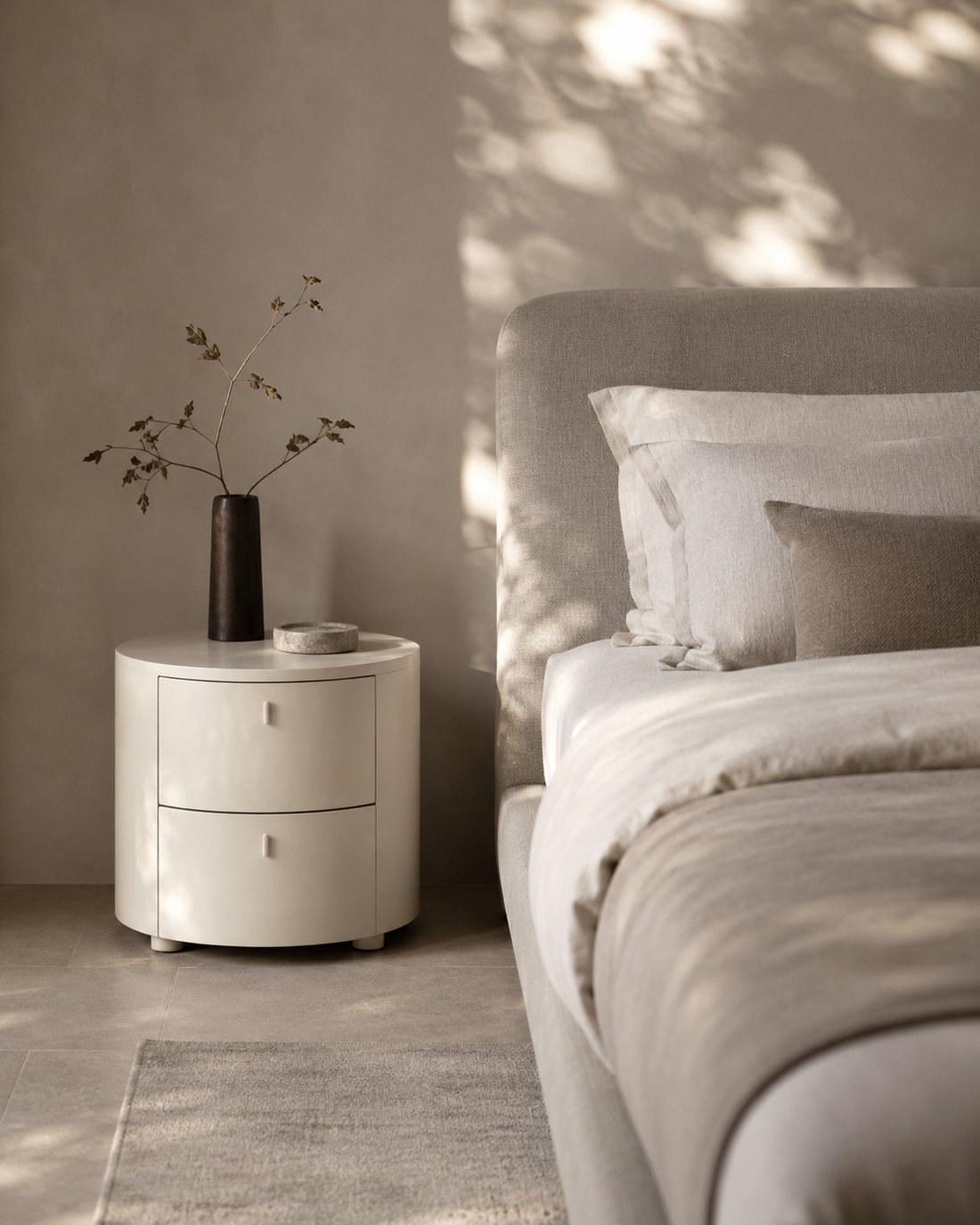 Sims Bedside Table - Matte Beige
- Regular price
-
- Regular price
-
- Sale price
-
-
Saviour Bedside Table - White Marble & Beige
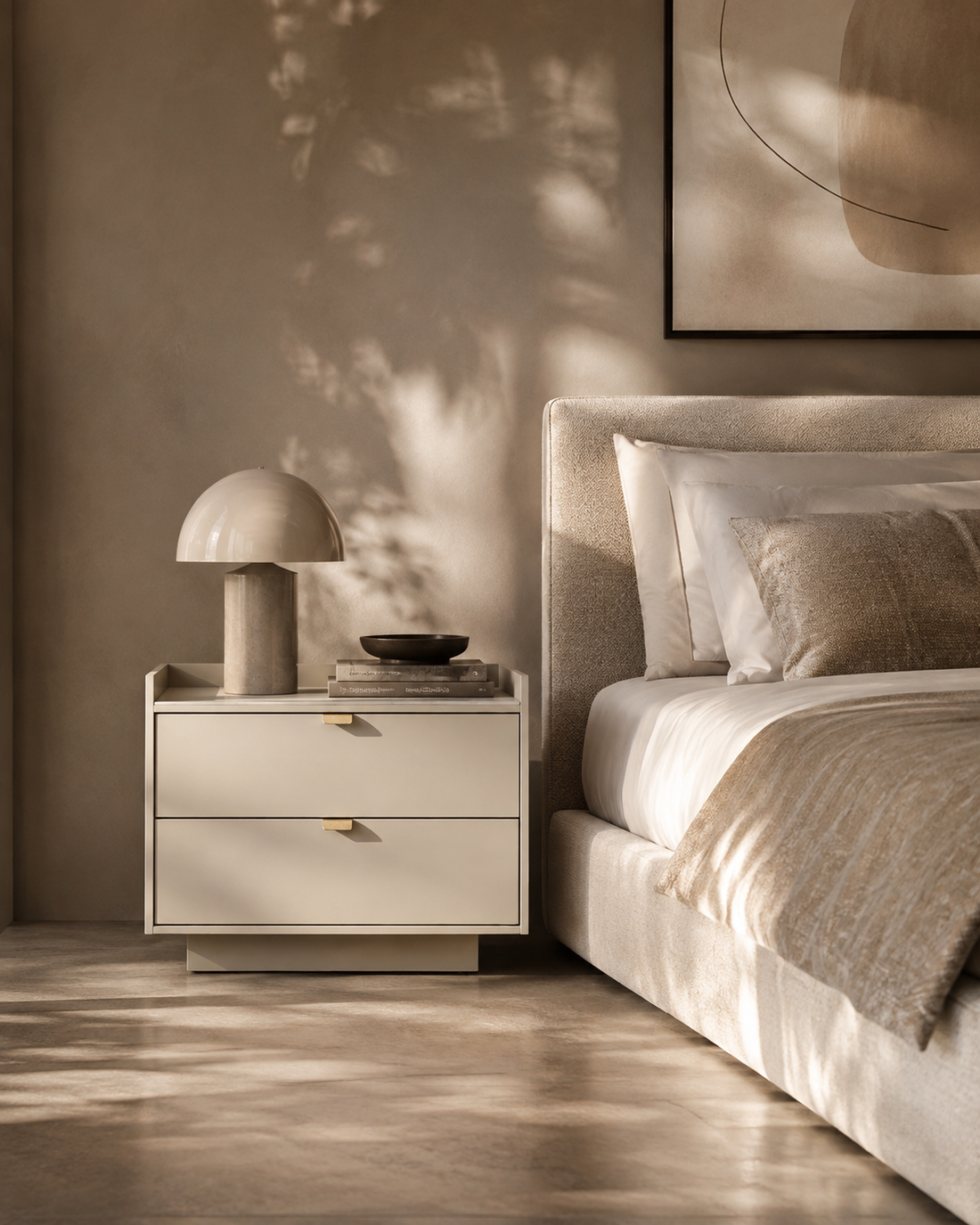 Saviour Bedside Table - White Marble & Beige
- Regular price
-
- Regular price
-
- Sale price
-
-
Dexter Bedside Table - Walnut - Pair
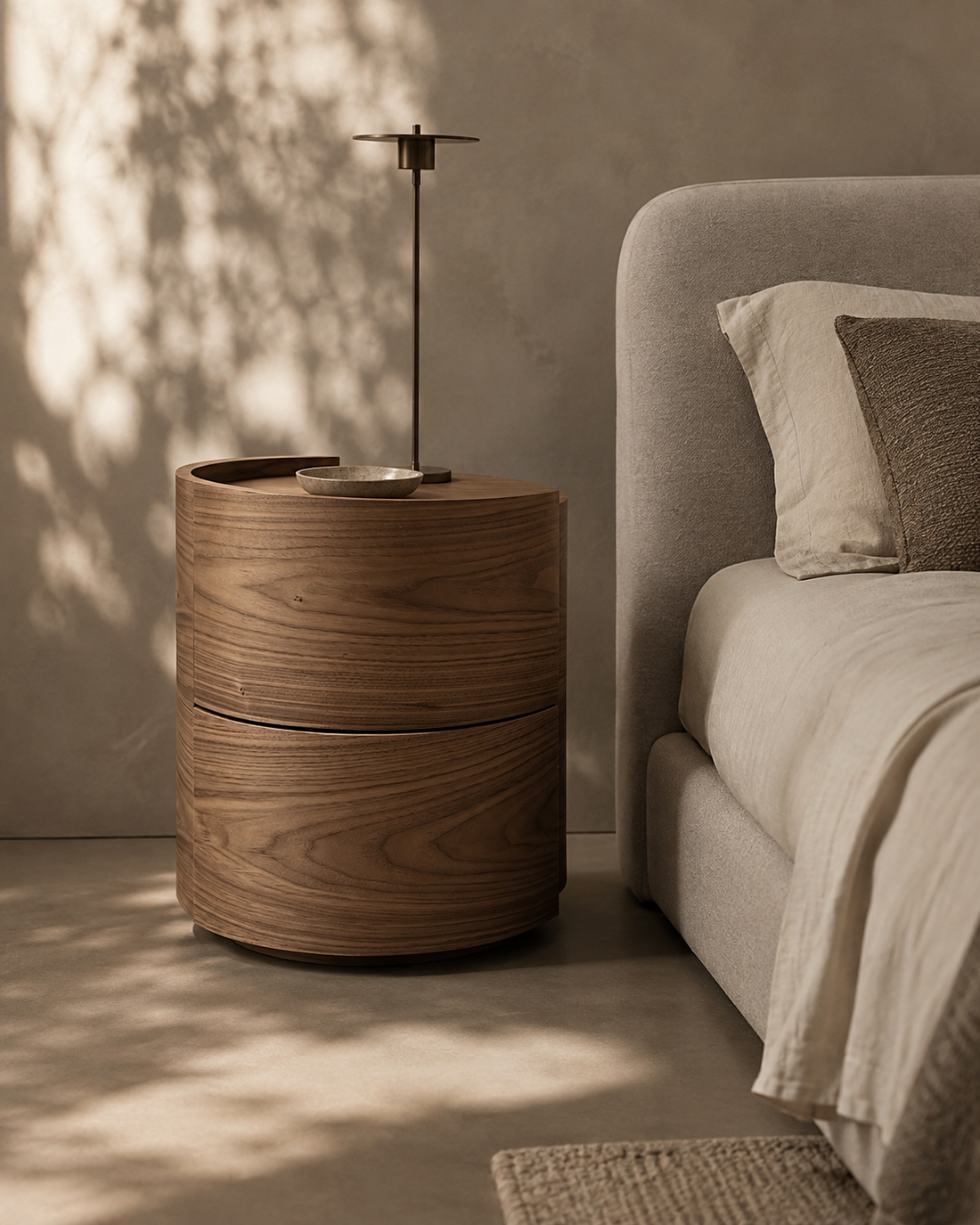 Dexter Bedside Table - Walnut - Pair
- Regular price
-
- Regular price
-
- Sale price
-
Disclaimer: All trademarks, brand names and product names mentioned on this website are the property of their respective owners. Any references are made for identification, informational or comparative purposes only, and do not imply any affiliation, endorsement, sponsorship or authorisation.