

Di Side
Di side is a shortened or informal term commonly used within interior design, furniture specification, and project discussions to refer to the design side or design-led aspect of an interior scheme. In trade and commercial interiors, di side is typically used to distinguish aesthetic and layout considerations from technical, logistical, or construction-related elements of a project.
For interior designers, developers, hospitality buyers, and retailers, understanding the di side of a project helps ensure that furniture, finishes, and styling align with the intended visual direction while remaining commercially viable.
How Di Side Is Used in Commercial & Trade Interiors
In professional interiors, di side is often referenced during early-stage planning, concept development, and specification discussions. It plays a key role in:
Hospitality projects, where design direction must balance brand identity with durability and operational needs.
Residential developments and show homes, where visual appeal directly influences buyer perception and sales performance.
Retail and showroom environments, where furniture and layout decisions support merchandising and customer flow.
Office and mixed-use spaces, where design-led decisions shape atmosphere while supporting functionality.
In trade settings, the di side informs decisions around furniture style, colour palettes, finishes, proportions, and overall spatial harmony.
Di Side in Furniture Specification
From a furniture perspective, the di side focuses on how individual pieces contribute to the overall interior scheme. This includes the selection of coffee tables, dining furniture, seating, storage, and decorative accessories that support the intended look and feel of a space.
Trade buyers must balance the di side with practical requirements such as durability, repeatability, lead times, and budget control. Successful projects integrate design intent with furniture that can be supplied consistently across multiple units or locations.
Consistency across collections is particularly important when the di side is being rolled out across large-scale residential or hospitality developments.
Materials, Finishes & Design Considerations
On the di side, material choice and finish selection are central to achieving a cohesive and professional interior. Common considerations include the use of wood finishes, metal accents, upholstery textures, and surface treatments that work together visually.
For trade interiors, finishes must also perform reliably under commercial use. Matte and satin finishes, robust coatings, and proven materials are often favoured to maintain appearance over time while supporting the design brief.
Colour consistency and finish accuracy across batches are especially important where the di side is applied across phased or repeat projects.
Why the Di Side Matters to Trade Buyers
For professional buyers and specifiers, the di side helps translate design intent into practical furniture solutions. It supports clearer communication between designers, developers, and suppliers, reducing the risk of mismatched products or unsuitable finishes.
From a wholesale perspective, furniture that satisfies the di side while meeting commercial performance standards is easier to specify repeatedly, stock reliably, and integrate into consistent collections. This reduces procurement complexity and supports predictable project outcomes.
Di Side in Styling and Final Presentation
While the di side focuses on design, it does not exist independently of function. Accessories, lighting, and soft furnishings are typically used to reinforce the furniture layout and architectural features rather than dominate them.
In trade interiors, styling choices on the di side are often restrained, ensuring spaces feel considered, professional, and adaptable for long-term use.
Brand & Trade Context
As a UK-based, trade-only furniture brand, Tommy Franks supports the di side of professional interior projects through consistent collections, reliable finishes, and furniture designed for repeat specification. With UK-held stock, free UK mainland delivery, competitive trade pricing, and a trade-focused supply model, designers and buyers can confidently deliver interiors that align with design intent while meeting commercial requirements.
This approach enables the di side of a project to be executed efficiently, consistently, and at scale.
Products
-
Sims Bedside Table - Matte Beige
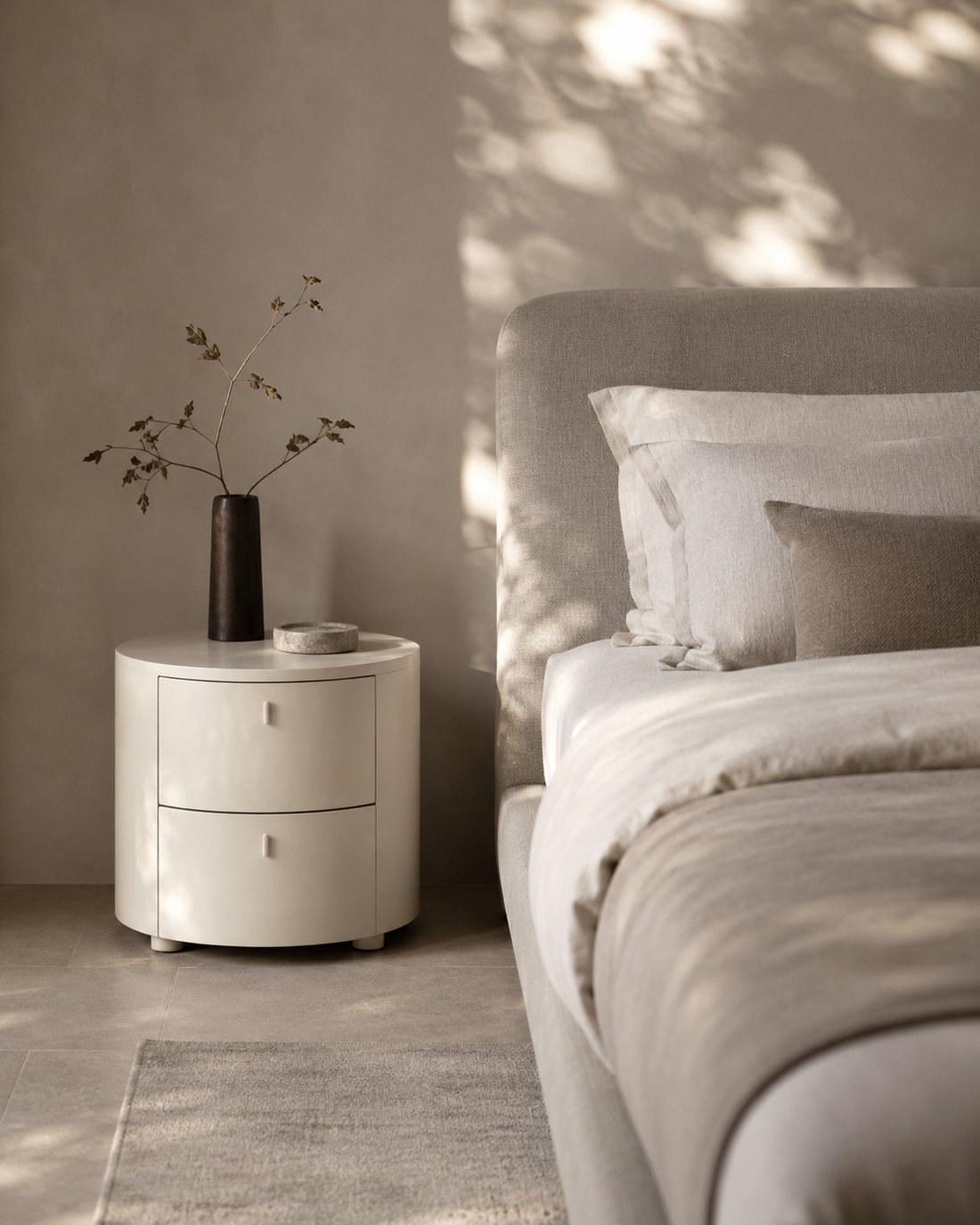 Sims Bedside Table - Matte Beige
- Regular price
-
- Regular price
-
- Sale price
-
-
Saviour Bedside Table - White Marble & Beige
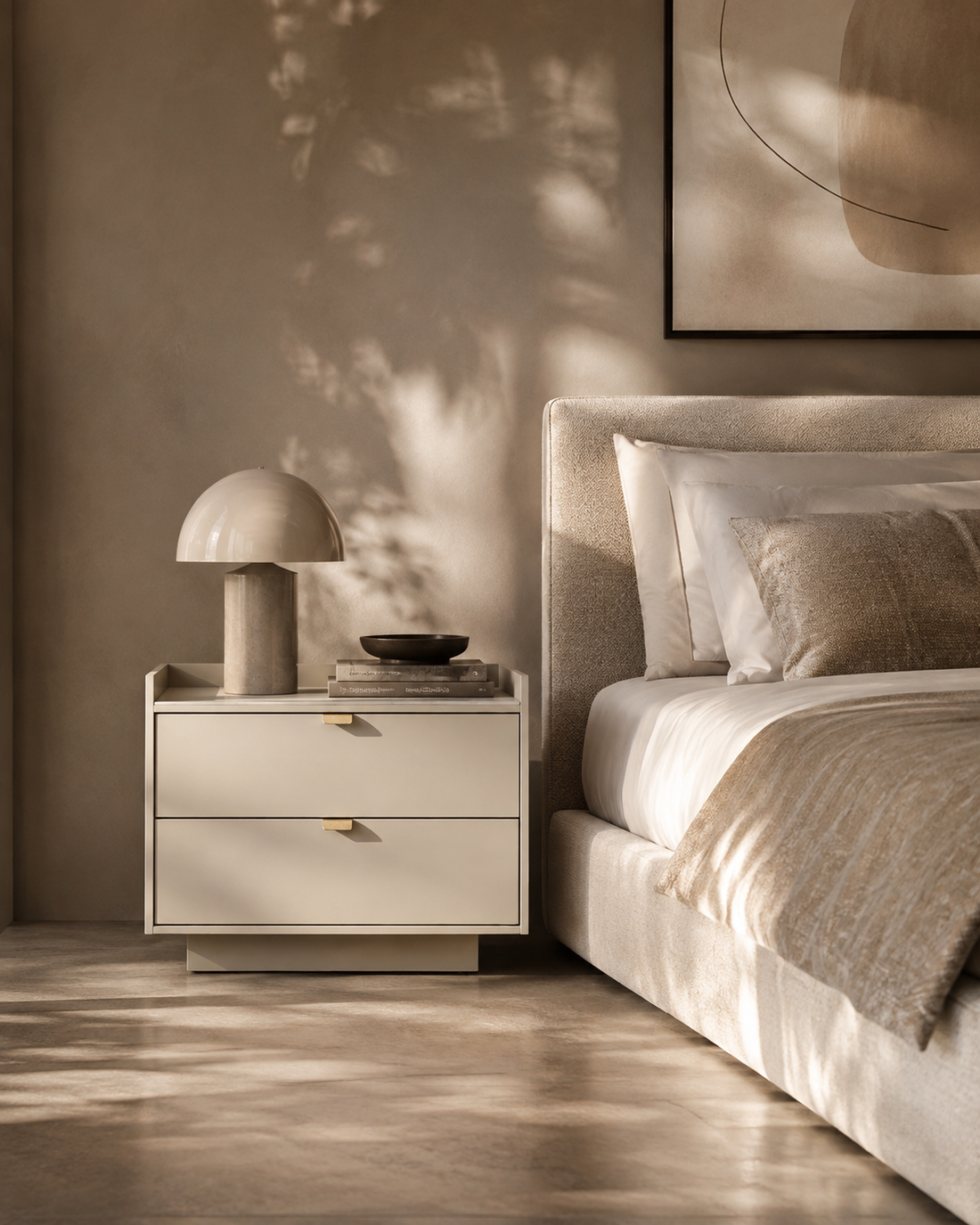 Saviour Bedside Table - White Marble & Beige
- Regular price
-
- Regular price
-
- Sale price
-
-
Dexter Bedside Table - Walnut - Pair
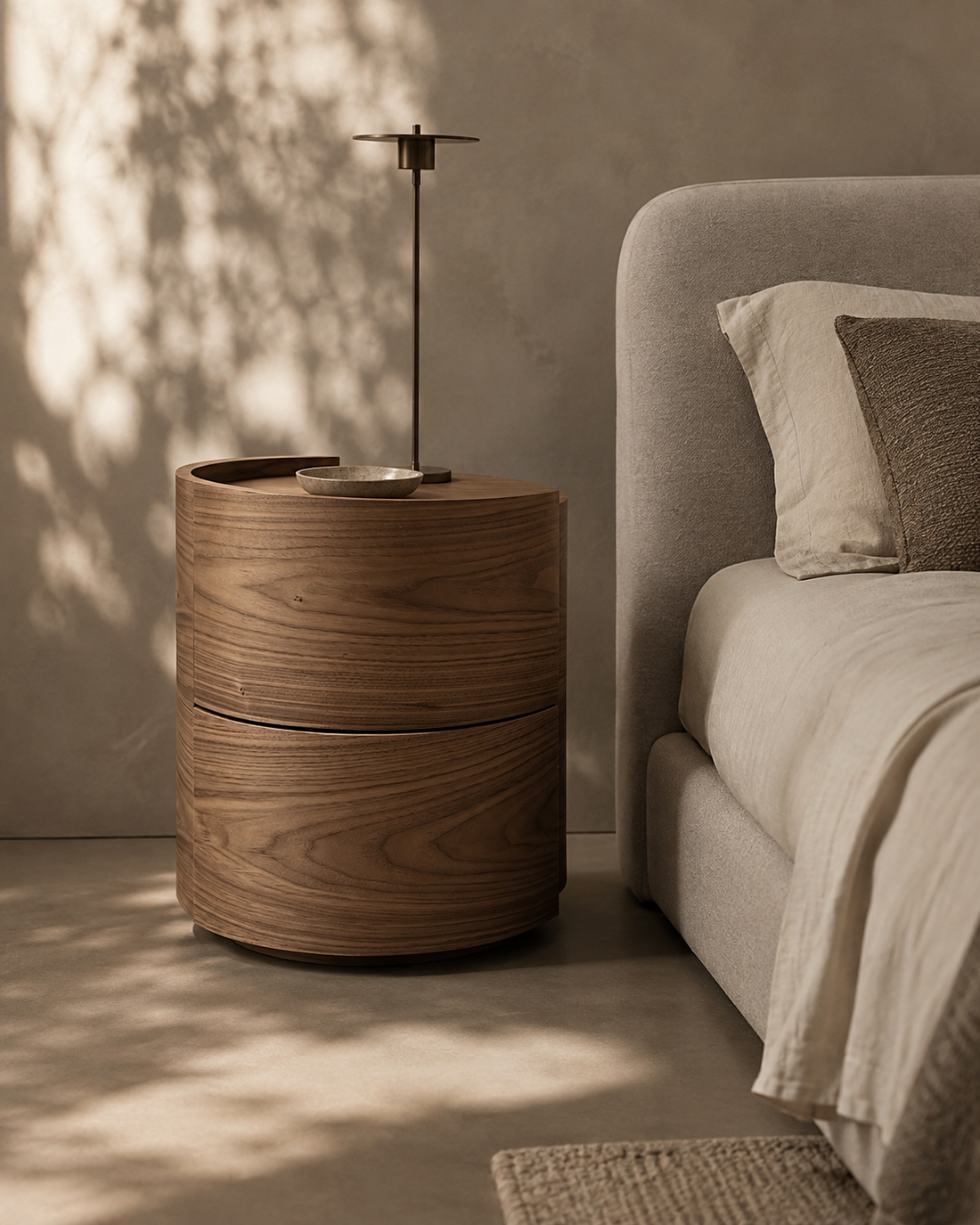 Dexter Bedside Table - Walnut - Pair
- Regular price
-
- Regular price
-
- Sale price
-
Disclaimer: All trademarks, brand names and product names mentioned on this website are the property of their respective owners. Any references are made for identification, informational or comparative purposes only, and do not imply any affiliation, endorsement, sponsorship or authorisation.