

Decorum
Decorum refers to the appropriateness, refinement, and suitability of design choices within a given interior context. In commercial and trade interiors, decorum is concerned with how furniture, finishes, and decorative elements align with the function of a space, the expectations of its users, and the brand or brief it represents.
For interior designers, developers, hospitality buyers, and retailers, decorum plays a critical role in ensuring that an interior feels intentional, credible, and professionally executed rather than purely decorative or trend-driven.
How Decorum Applies in Commercial & Trade Interiors
In commercial environments, decorum influences every layer of interior decision-making. It helps determine what styles, materials, and furniture types are appropriate for different settings, such as:
Hospitality spaces including hotels, restaurants, and lounges, where interiors must balance comfort, durability, and brand identity.
Residential developments and show homes, where furnishings should appeal to broad buyer demographics while remaining practical and repeatable.
Retail environments, where decorum ensures displays support the product offering without overwhelming or distracting from it.
Offices and co-working spaces, where design choices must project professionalism while remaining welcoming and functional.
In trade projects, decorum helps guide consistent specification across multiple rooms, floors, or locations, supporting a cohesive and credible outcome.
Decorum in Furniture Selection and Specification
From a furniture perspective, decorum relates closely to scale, proportion, finish, and placement. A well-considered coffee table, dining chair, or console table contributes to decorum when it suits the room’s function, traffic flow, and expected level of use.
Trade buyers often assess decorum when deciding between statement pieces and neutral foundations. In high-traffic or commercial settings, restrained designs with durable materials are frequently favoured, as they maintain visual order while supporting long-term performance.
Consistency across collections is also central to decorum in large-scale projects, where mismatched finishes or styles can undermine the perceived quality of an interior.
Materials, Design & Build Quality Considerations
Decorum in trade interiors is closely linked to material choice and build quality. Robust construction, stable finishes, and reliable manufacturing contribute to an environment that feels considered and appropriate rather than temporary or decorative-only.
Materials such as engineered wood, solid timber, metal frames, and commercial-grade upholstery are commonly specified to support longevity and consistency. Finishes are typically selected to complement lighting conditions, spatial scale, and surrounding furniture, reinforcing a sense of balance and refinement.
For trade professionals, decorum also includes compliance with commercial standards, fire regulations, and durability requirements where applicable.
Why Decorum Matters to Trade Buyers
For developers, designers, and hospitality operators, decorum supports brand credibility and user confidence. Spaces that demonstrate appropriate design choices tend to feel more comfortable, trustworthy, and professionally delivered.
From a wholesale perspective, furniture and accessories that align with decorum are easier to specify repeatedly, merchandise consistently, and integrate across multiple projects. This reduces risk, supports predictable margins, and simplifies procurement.
Decorum also helps future-proof interiors, ensuring they remain relevant beyond short-lived trends and continue to perform visually and functionally over time.
Decorum Within Interior Styling and Accessories
While decorum often suggests restraint, it does not exclude personality or visual interest. Decorative accessories, artwork, and accent furniture can enhance decorum when they are proportionate, well-placed, and aligned with the overall scheme.
In trade interiors, accessories are often used to reinforce rather than dominate a space, supporting the furniture layout and architectural features without compromising clarity or usability.
Brand & Trade Context
As a UK-based, trade-only furniture brand, Tommy Franks understands the importance of decorum in professional interior projects. With UK-held stock, free UK mainland delivery, competitive trade pricing, and consistent furniture collections designed for repeat specification, trade buyers can maintain appropriate, cohesive interiors across multiple sites and phases.
This approach supports reliable project delivery while helping designers and specifiers achieve interiors that feel balanced, credible, and commercially appropriate.
Products
-
Sims Bedside Table - Matte Beige
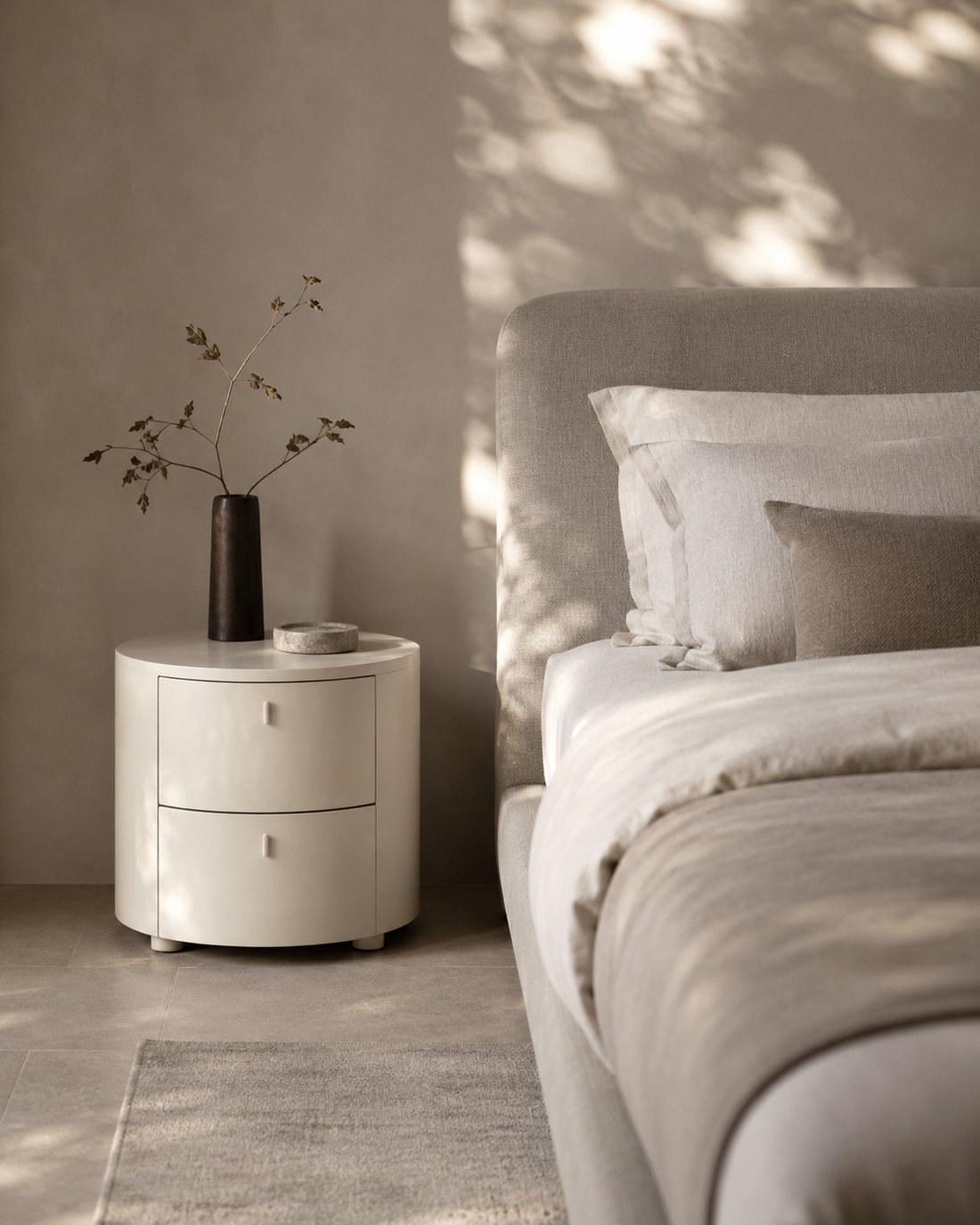 Sims Bedside Table - Matte Beige
- Regular price
-
- Regular price
-
- Sale price
-
-
Saviour Bedside Table - White Marble & Beige
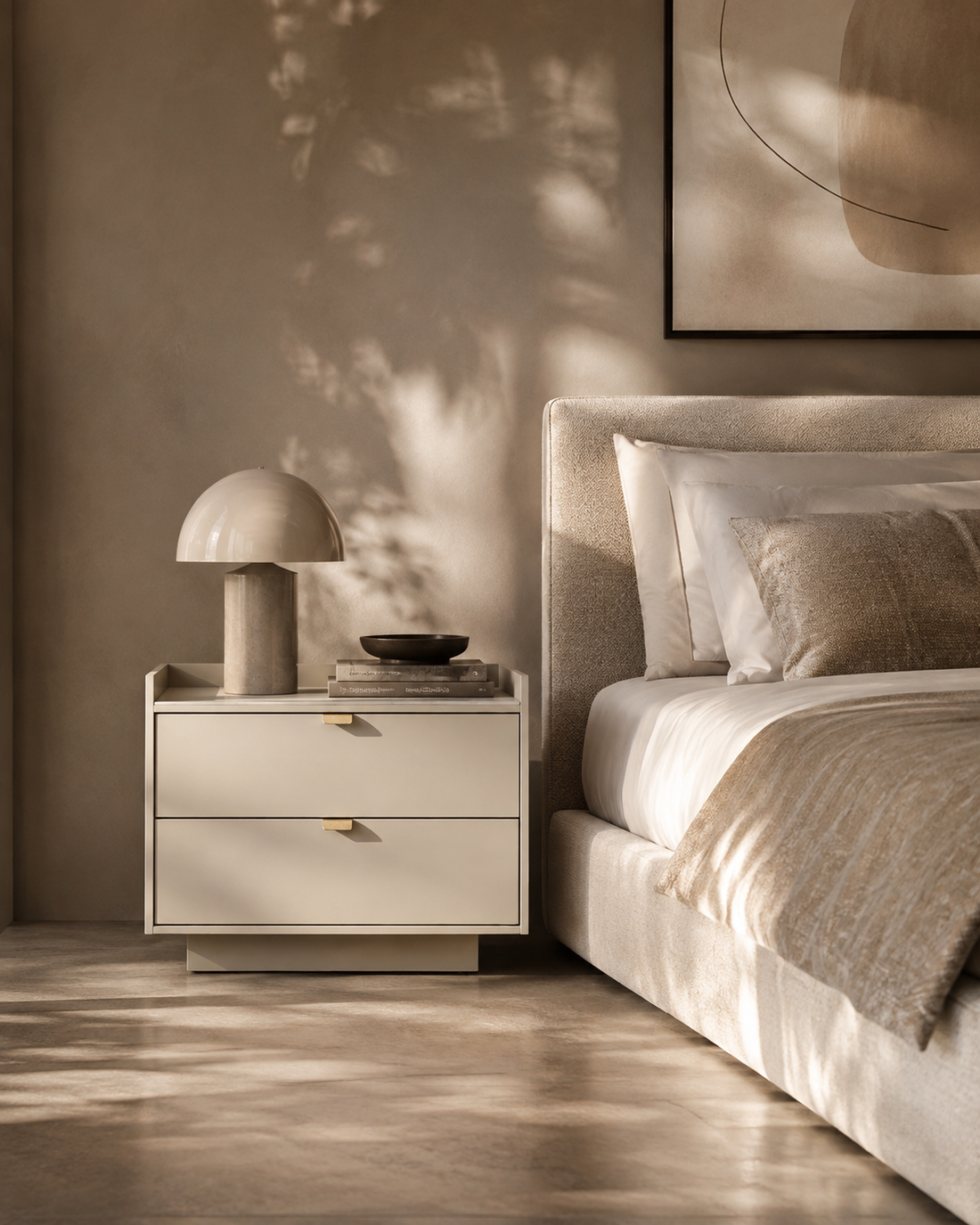 Saviour Bedside Table - White Marble & Beige
- Regular price
-
- Regular price
-
- Sale price
-
-
Dexter Bedside Table - Walnut - Pair
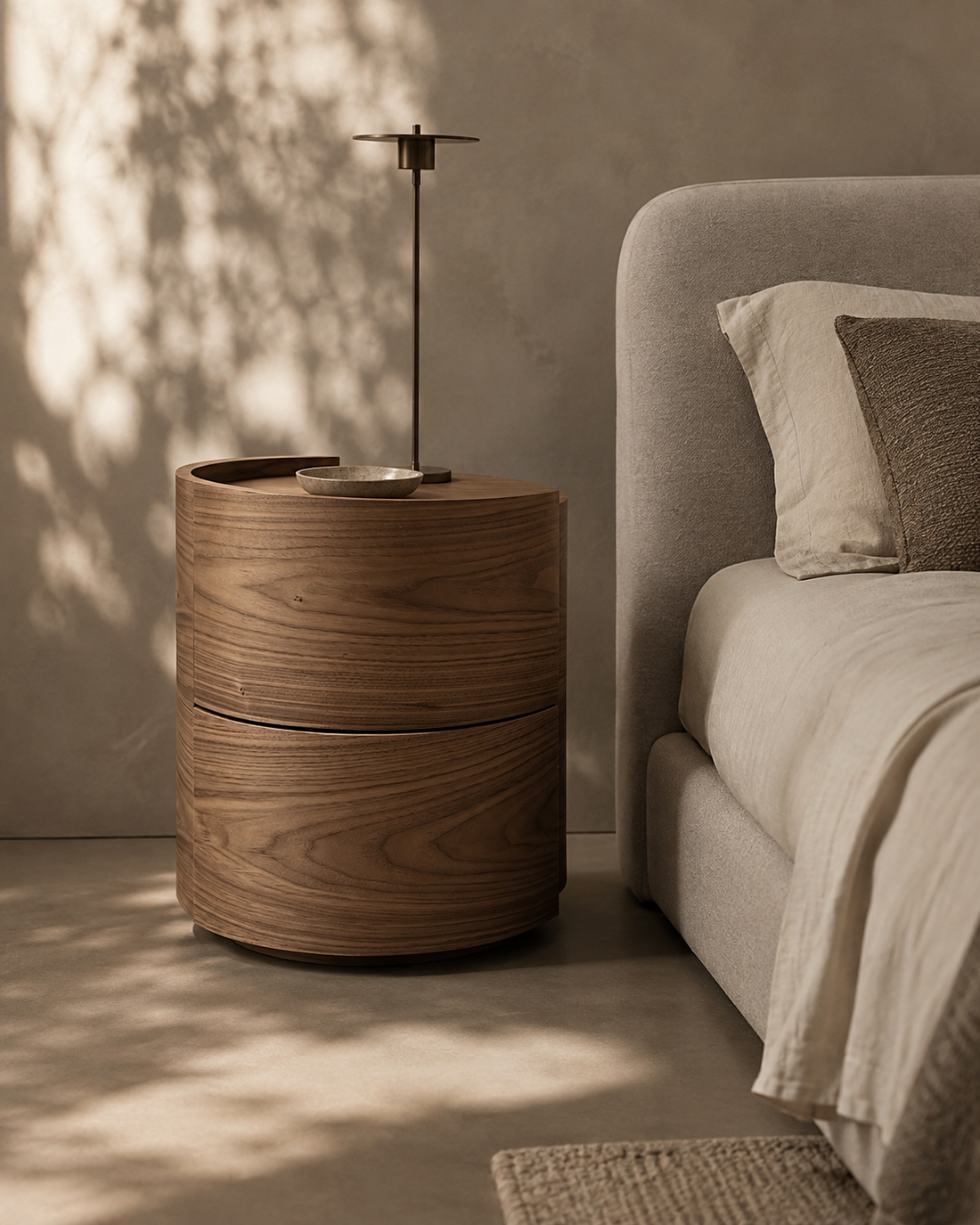 Dexter Bedside Table - Walnut - Pair
- Regular price
-
- Regular price
-
- Sale price
-
Disclaimer: All trademarks, brand names and product names mentioned on this website are the property of their respective owners. Any references are made for identification, informational or comparative purposes only, and do not imply any affiliation, endorsement, sponsorship or authorisation.