

Wooden Pillar
A wooden pillar is a decorative architectural element designed to add structure, character and visual height to an interior space. Traditionally inspired by classical columns, modern wooden pillars are used as statement features rather than load-bearing supports, bringing warmth and natural texture into residential and commercial interiors alike.
Often positioned in hallways, living rooms or entrance areas, a wooden pillar introduces vertical interest while reinforcing a sense of balance and proportion. Its natural material composition allows it to complement both contemporary and traditional schemes, making it a versatile choice for interior designers and retailers seeking distinctive decorative features.
What Is a Wooden Pillar?
A wooden pillar is a freestanding or wall-mounted decorative column crafted from solid wood or engineered timber. Unlike structural columns, it is primarily intended as an aesthetic feature, used to frame doorways, define zones within open-plan spaces or create focal points within a room.
Designers use wooden pillars to introduce architectural detail without major building work. They can be styled as standalone sculptural pieces or incorporated into layered interior compositions alongside mirrors, console tables and lighting.
The appeal of a wooden pillar lies in its ability to bring height and rhythm to an interior while maintaining a soft, organic presence through natural materials and finishes.
Design Styles and Finishes
Wooden pillars are available in a wide range of styles, from traditional carved columns to contemporary minimalist forms. Classical designs may feature fluted detailing, rounded profiles or subtle moulding inspired by historic architecture. These styles suit country homes, period properties and interiors that favour heritage influences.
Modern wooden pillars tend to adopt clean lines and smooth finishes, focusing on form and proportion rather than ornamentation. These versions work particularly well in contemporary interiors where texture and natural materials are used to soften minimal design schemes.
Finishes vary from light oak and natural timber tones to darker stained woods that introduce depth and contrast. Some pillars are finished with whitewashed or painted surfaces for a softer, more decorative effect.
Premium craftsmanship is evident in the smoothness of the surface, the precision of detailing and the stability of the structure. A well-made wooden pillar should feel substantial and balanced, ensuring both visual impact and long-term durability.
Uses of Wooden Pillars in Interior Design
Wooden pillars can be used in several creative ways within an interior. In entrance halls, they act as architectural markers that frame the space and establish a strong first impression. In living rooms, they may be positioned beside fireplaces, mirrors or feature walls to create symmetry and visual structure.
Open-plan interiors benefit particularly from wooden pillars, as they can subtly define zones without blocking light or flow. Placing a pillar between dining and lounge areas introduces separation while maintaining openness.
In retail and hospitality environments, wooden pillars are often used to reinforce branding and atmosphere. Boutique hotels and show homes use them to add a sense of craftsmanship and refinement, creating spaces that feel curated rather than purely functional.
Their vertical form makes wooden pillars ideal for drawing the eye upward, enhancing ceiling height and contributing to a sense of spaciousness.
Materials and Craftsmanship
The quality of a wooden pillar depends on both material selection and construction technique. Solid wood options such as oak, ash and pine provide natural grain patterns and long-term strength. Engineered timber alternatives offer consistency of finish and improved stability in controlled environments.
Surface finishing plays an important role in both appearance and durability. Lacquered, stained or hand-finished surfaces protect the wood while enhancing its natural character. In high-traffic or commercial spaces, protective coatings ensure resistance to wear and environmental changes.
Craftsmanship is visible in the precision of joints, the evenness of carving or shaping and the stability of the base. A premium wooden pillar should stand securely and maintain its form over time, particularly when used as a freestanding decorative feature.
For trade buyers, consistency across batches is essential. Reliable production standards ensure that projects requiring multiple pillars maintain visual cohesion and quality.
Styling a Wooden Pillar
Styling a wooden pillar requires careful consideration of proportion and surrounding elements. When used as a standalone feature, it should be positioned where it can be appreciated without obstructing circulation or sightlines.
In more decorative schemes, wooden pillars can be paired with mirrors, artwork or lighting to enhance their architectural presence. Wall lights or spotlights directed at the pillar highlight its texture and form, creating depth and visual interest.
Natural materials work particularly well alongside wooden pillars. Stone flooring, ceramic accessories and linen textiles complement the organic nature of wood, while metal accents introduce contrast and refinement.
In minimalist interiors, a wooden pillar can act as a sculptural element that adds warmth without clutter. In layered interiors, it becomes part of a broader composition that includes furniture, accessories and architectural detailing.
Wooden Pillars in Commercial Interiors
In commercial and hospitality environments, wooden pillars communicate craftsmanship and quality. They are often specified in boutique hotels, reception areas and show homes to create spaces that feel welcoming and considered.
Their neutral appearance allows them to integrate into a wide range of design concepts, from contemporary to classic. In retail environments, wooden pillars can be used to frame displays or guide customer flow while reinforcing a premium visual identity.
Durability is key in these settings. A well-crafted wooden pillar should be finished to withstand regular interaction while maintaining its appearance. This makes it suitable for moderate-traffic environments where both form and function are required.
Retailers benefit from offering wooden pillars as decorative statement pieces that complement furniture and accessories, encouraging customers to build cohesive interior schemes.
Trade and Wholesale Positioning
For interior designers and independent retailers, wooden pillars represent a distinctive and commercially attractive decorative category. Their architectural nature makes them suitable for residential and commercial projects where visual impact is important.
Trade professionals benefit from access to UK-held stock, supporting tight project timelines and reducing uncertainty around lead times. Free UK delivery on all items simplifies logistics and cost planning, while no minimum order value allows designers and smaller retailers to order exactly what they need without volume pressure.
Strong resale margins make wooden pillars an appealing addition to curated collections, particularly as they are often used as statement pieces within larger design schemes. Easy trade account onboarding further supports professionals by streamlining sourcing and enabling efficient project delivery.
The combination of design versatility and dependable supply makes wooden pillars a practical choice for trade-focused sourcing.
Choosing the Right Wooden Pillar
Selecting the appropriate wooden pillar depends on scale, finish and intended use. Taller pillars work well in entrance halls or large rooms where vertical emphasis enhances the space, while shorter pillars suit more compact interiors or decorative corners.
Finish should align with the wider interior scheme. Light woods create a fresh and natural feel, while darker finishes add drama and formality. Carved or fluted designs suit classic interiors, while smooth, minimalist pillars complement contemporary spaces.
Placement is equally important. A wooden pillar should enhance the room’s composition rather than interrupt it. Designers should consider sightlines, lighting and furniture layout when determining its position.
For trade buyers, offering a curated range of sizes and styles ensures relevance across multiple project types and client preferences.
Why Choose Tommy Franks?
Tommy Franks is a favourite among interior designers and independent retailers seeking premium decorative furnishings with dependable availability. Carefully curated collections reflect refined British interiors, balancing classic inspiration with contemporary design.
Each wooden pillar is crafted with premium craftsmanship and attention to detail, ensuring durability and visual consistency across ranges. With a vast range of UK-held stock, trade clients benefit from reliable supply and predictable lead times.
Free UK delivery on all items supports efficient project planning, while no minimum order value provides flexibility for designers and retailers working across projects of every scale. Competitive wholesale margins enable strong resale performance, positioning Tommy Franks as a trusted wholesale partner for the interior trade. Trade accounts are welcome, with straightforward onboarding designed to support busy professionals.
Products
-
Sims Bedside Table - Matte Beige
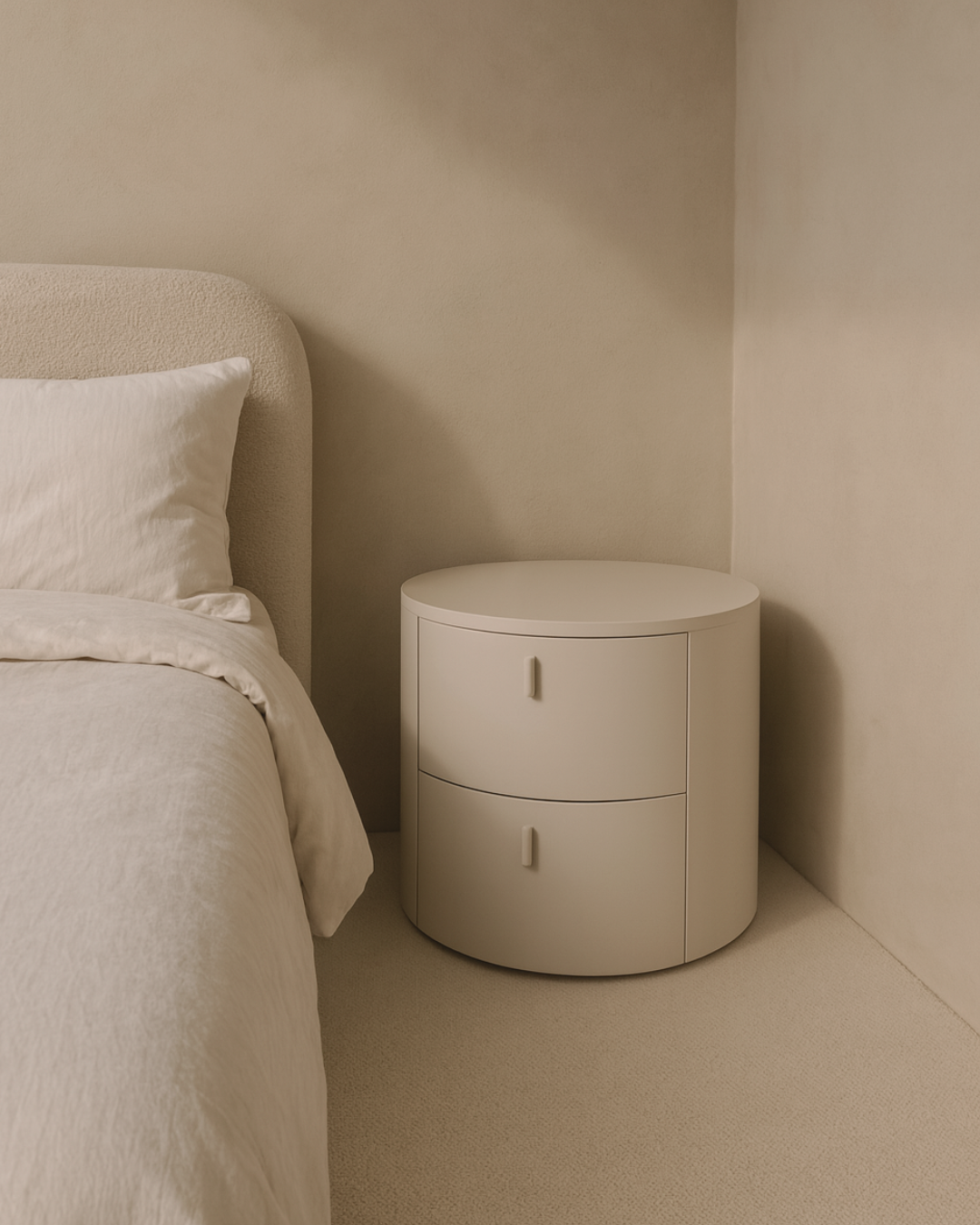 Sims Bedside Table - Matte Beige
- Regular price
-
- Regular price
-
- Sale price
-
-
Saviour Bedside Table - White Marble & Beige
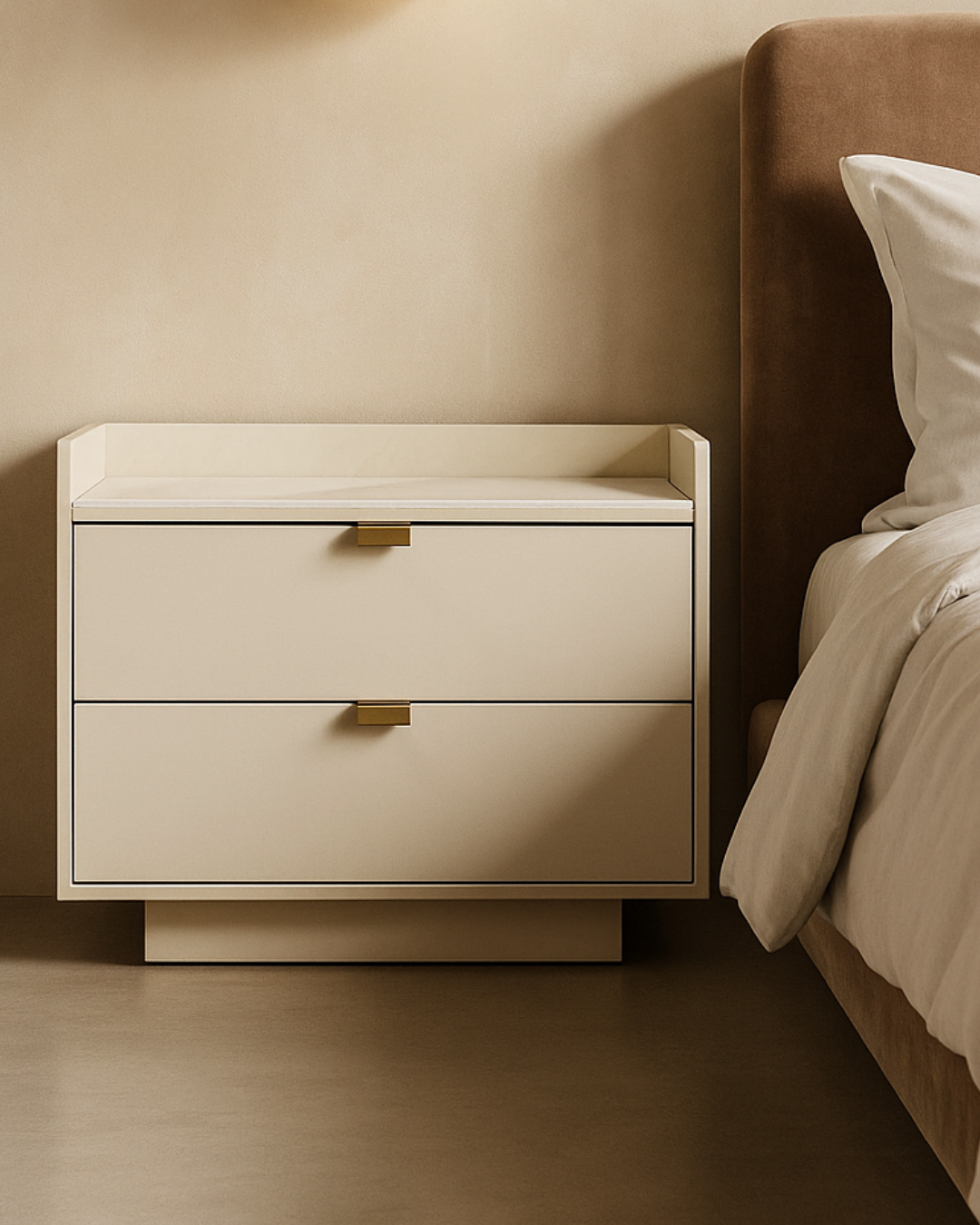 Saviour Bedside Table - White Marble & Beige
- Regular price
-
- Regular price
-
- Sale price
-
-
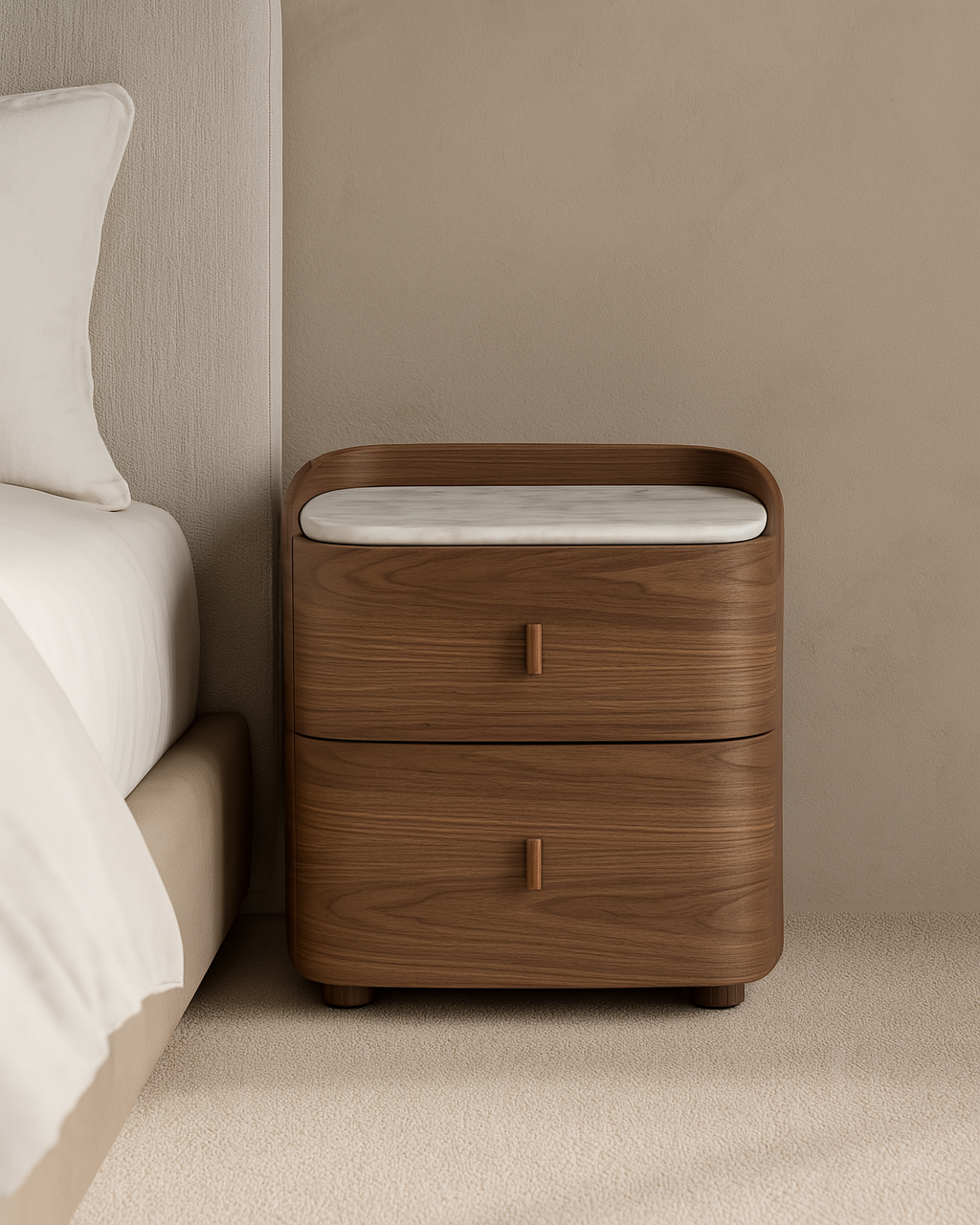
Dexter Bedside Table - Walnut - Pair
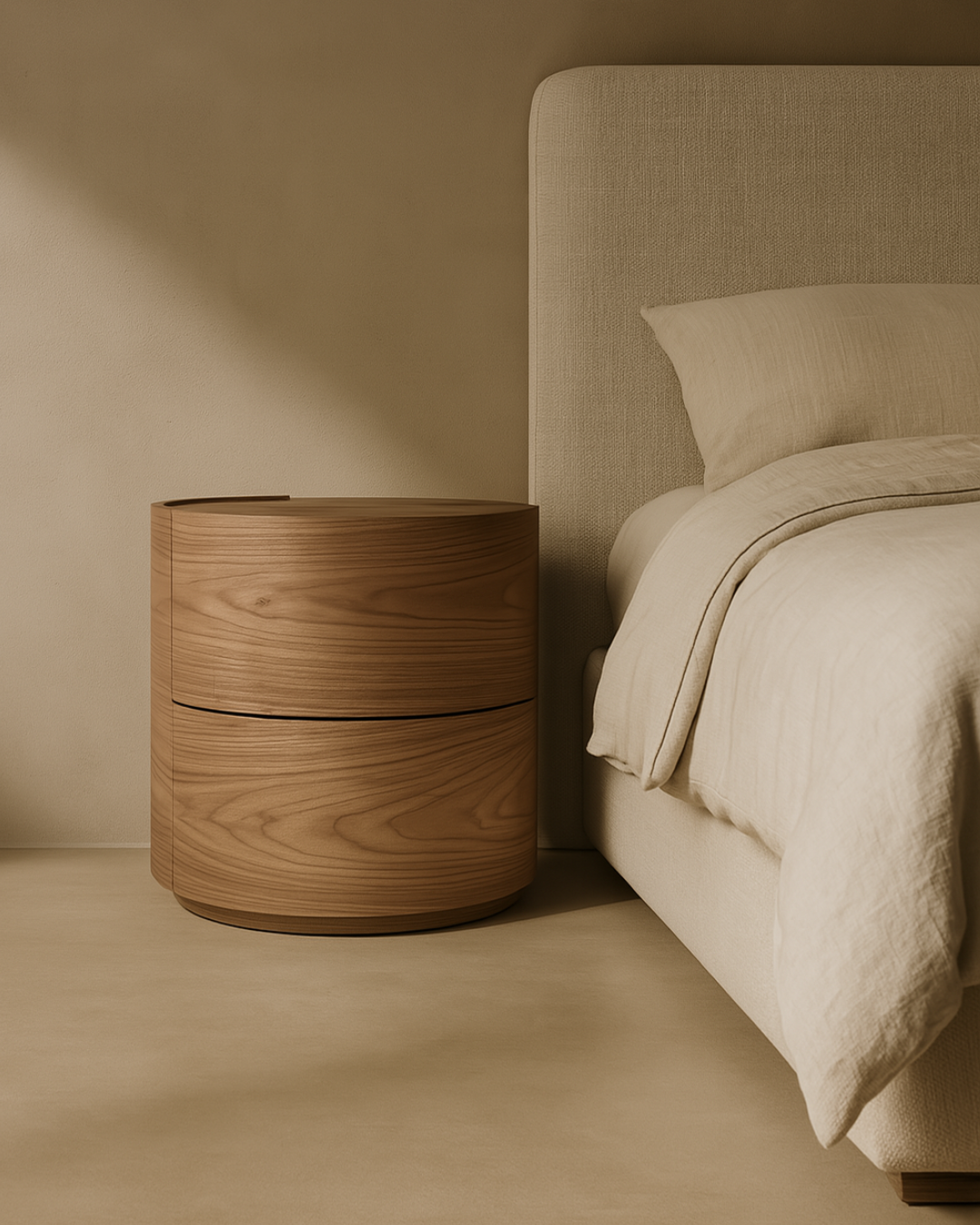 Dexter Bedside Table - Walnut - Pair
- Regular price
-
- Regular price
-
- Sale price
-
Disclaimer: All trademarks, brand names and product names mentioned on this website are the property of their respective owners. Any references are made for identification, informational or comparative purposes only, and do not imply any affiliation, endorsement, sponsorship or authorisation.