

Trays For Decoration
Trays for decoration are functional yet stylish accessories designed to organise, display and elevate interior spaces. Used across living rooms, bedrooms, dining areas and hospitality environments, decorative trays provide structure to surfaces such as coffee tables, sideboards and console tables while enhancing visual composition through material, colour and form.
Rather than serving purely practical purposes, trays for decoration are considered design elements in their own right. They help create curated arrangements, introduce texture and bring cohesion to interior schemes by grouping objects into intentional displays.
What Are Trays for Decoration Used For?
Trays for decoration are primarily used to organise and present everyday objects in a visually refined way. They frame items such as candles, vases, books, remote controls and small accessories, transforming clutter into composed arrangements.
In living rooms, decorative trays are commonly placed on coffee tables or ottomans to anchor styling pieces and define zones within open-plan layouts. In bedrooms, they appear on dressing tables or chests of drawers, holding jewellery, fragrance bottles or personal accessories. Dining spaces often feature trays on sideboards to display glassware or decorative centrepieces.
In hospitality and commercial interiors, trays are used to reinforce brand identity and maintain consistency across rooms. Boutique hotels and serviced apartments use decorative trays to present guest amenities in a considered and elegant manner, contributing to the overall experience without overwhelming the space.
From a design perspective, trays for decoration provide a foundation for layered styling, helping to balance form and function across multiple surfaces.
Popular Styles of Decorative Trays
Decorative trays are available in a wide range of styles to suit different interior schemes. Minimalist designs favour clean lines and neutral finishes, allowing them to blend seamlessly into contemporary spaces. These trays often use materials such as glass, metal or smooth lacquered wood.
Classic interiors benefit from trays with traditional detailing, including raised edges, subtle patterns or antique-style finishes. These designs introduce character while maintaining a timeless aesthetic.
Statement trays are increasingly popular in modern interiors. Crafted from marble, mirrored glass or sculptural metal, they act as focal points on coffee tables or consoles. Their visual presence allows them to stand alone or support a small selection of carefully chosen objects.
Texture plays an important role in tray design. Woven materials, ribbed surfaces and hammered metals add depth and interest, particularly in layered interior schemes where multiple finishes are used together.
Materials and Craftsmanship
The material of a decorative tray significantly influences its appearance and durability. Wooden trays offer warmth and natural character, making them suitable for both traditional and contemporary interiors. Hardwoods and well-finished veneers provide strength while maintaining refined aesthetics.
Marble and stone trays bring architectural elegance and are often used in premium residential and hospitality settings. These materials convey luxury and permanence, particularly when paired with soft furnishings or metallic accents.
Metal trays, including brass, stainless steel and aluminium, provide a modern and versatile option. They work well in both minimalist and industrial-inspired interiors and are valued for their durability and easy maintenance.
Glass and mirrored trays reflect light and create a sense of openness, making them ideal for compact spaces. They pair effectively with candles, perfumes and decorative objects that benefit from subtle reflection.
Premium craftsmanship ensures that trays for decoration retain their structure and finish over time. Smooth edges, balanced weight and quality surface treatments distinguish well-made trays from mass-produced alternatives.
How to Style Trays for Decoration
Styling trays for decoration requires careful consideration of proportion and balance. The tray should complement the surface it sits on without dominating it. A large coffee table may support a substantial tray with multiple objects, while a bedside table benefits from a smaller, more restrained design.
A common approach is to mix functional and decorative items. A tray might hold a candle, a small plant and a decorative object, creating a layered composition that feels intentional rather than random. Height variation helps maintain visual interest, with taller elements positioned toward the back and lower items in front.
Colour coordination is also important. Trays can echo tones found elsewhere in the room, creating cohesion across furnishings and accessories. Neutral trays offer versatility, while darker or metallic finishes introduce contrast and drama.
In professional interior styling, restraint is key. Overloading a tray can undermine its purpose and disrupt the clarity of the arrangement. Carefully curated selections allow the tray itself to remain part of the visual statement.
Trays for Decoration in Interior Design Schemes
Interior designers view trays for decoration as tools for visual organisation. They provide a framework that allows decorative objects to feel cohesive rather than scattered. In open-plan layouts, trays help define areas within a larger surface, reinforcing structure and balance.
In minimalist interiors, a single tray with one or two sculptural objects reinforces clean lines and negative space. In more layered schemes, trays support collections of books, candles and art objects that introduce personality and narrative.
Commercial interiors rely on decorative trays to maintain consistency and professionalism. In hotel rooms, they may present amenities in a uniform way. In show homes, they support visual merchandising by highlighting accessories and reinforcing design themes.
Because trays are easy to reposition and restyle, they offer flexibility for seasonal updates and evolving interior schemes without requiring major changes to furniture.
Practical Considerations When Choosing Decorative Trays
When selecting trays for decoration, size and proportion should be the first consideration. The tray must suit the surface it will sit on, leaving adequate space around it for functionality and visual breathing room.
Material durability is particularly important in high-use environments. Hospitality and retail interiors require trays that resist marks and wear while maintaining their appearance. Protective finishes and stable construction ensure longevity.
Weight is another factor. Heavier trays offer stability for objects such as candles or vases, while lighter trays are easier to reposition for styling adjustments.
Maintenance should also be considered. Surfaces that can be wiped clean easily are ideal for everyday use, especially in commercial or rental settings.
Trade and Wholesale Benefits for Designers and Retailers
For interior designers and independent retailers, trays for decoration are a reliable and commercially attractive product category. They offer strong styling value and suit a wide range of client preferences and budgets.
Designers benefit from using decorative trays to complete interior schemes, providing structure and cohesion across surfaces. Retailers benefit from their broad appeal and ease of display within showrooms and visual merchandising areas.
Access to UK-held stock is essential for professionals working to project timelines. Reliable availability supports consistent delivery schedules and improves client confidence. Free UK delivery on all items simplifies logistics, while no minimum order value allows smaller studios and independent retailers to purchase flexibly.
Strong resale margins make decorative trays an effective add-on product, particularly when paired with complementary accessories such as candles, vases and books.
Why Choose Tommy Franks?
Tommy Franks is a favourite among interior designers and independent retailers seeking refined decorative accessories with dependable availability. Carefully curated collections ensure that trays for decoration complement a wide range of interior styles while maintaining a premium aesthetic.
Each piece reflects premium craftsmanship and attention to detail, supporting both residential and commercial use. With a vast range of UK-held stock, trade clients benefit from reliable supply and consistent lead times.
Free UK delivery on all items simplifies procurement, while no minimum order value provides flexibility for projects of every size. Competitive wholesale margins support strong resale performance, and trade accounts are welcome with easy onboarding for busy professionals. Tommy Franks’ reliable UK supply chain makes it a trusted partner for designers and retailers alike.
Products
-
Sims Bedside Table - Matte Beige
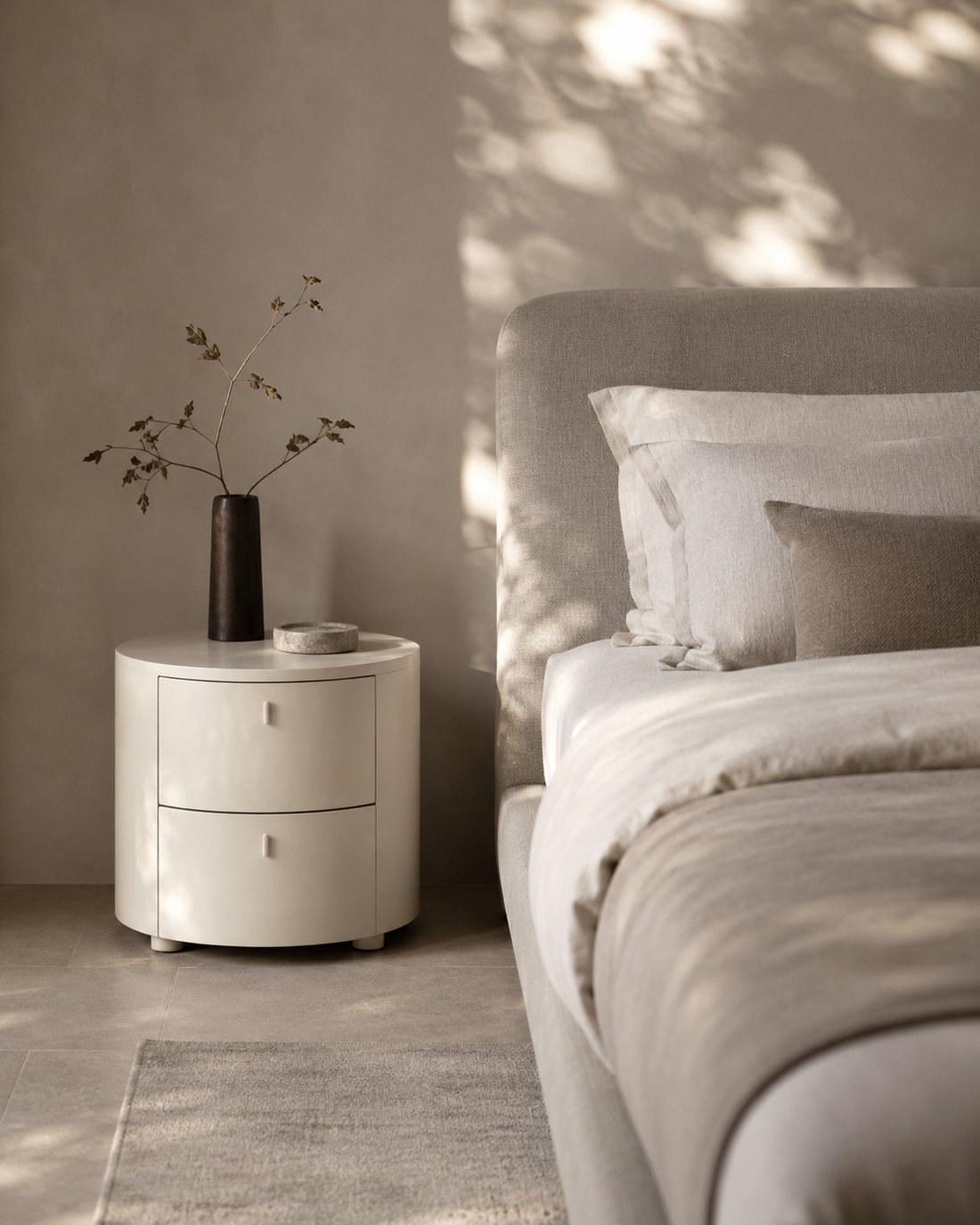 Sims Bedside Table - Matte Beige
- Regular price
-
- Regular price
-
- Sale price
-
-
Saviour Bedside Table - White Marble & Beige
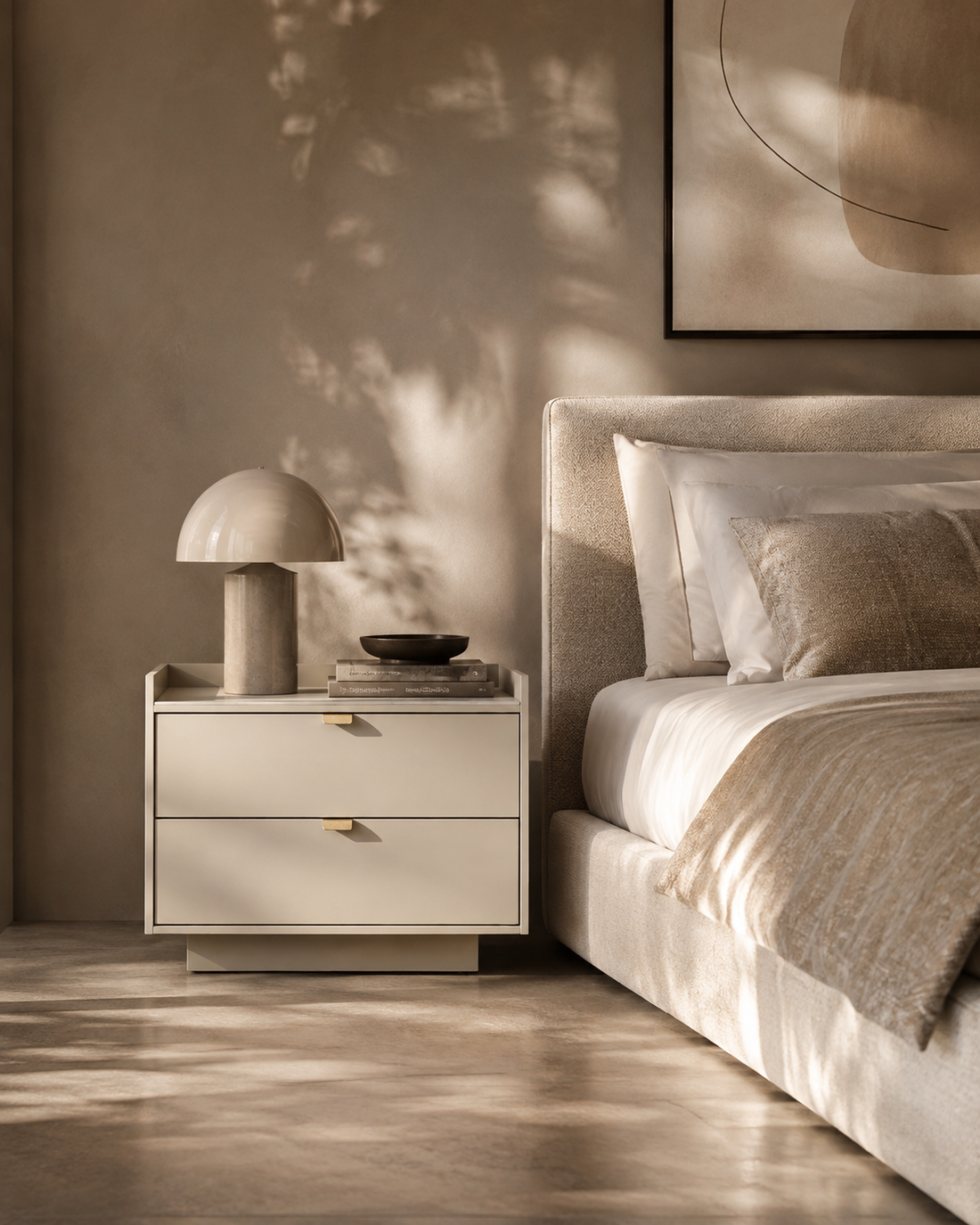 Saviour Bedside Table - White Marble & Beige
- Regular price
-
- Regular price
-
- Sale price
-
-
Dexter Bedside Table - Walnut - Pair
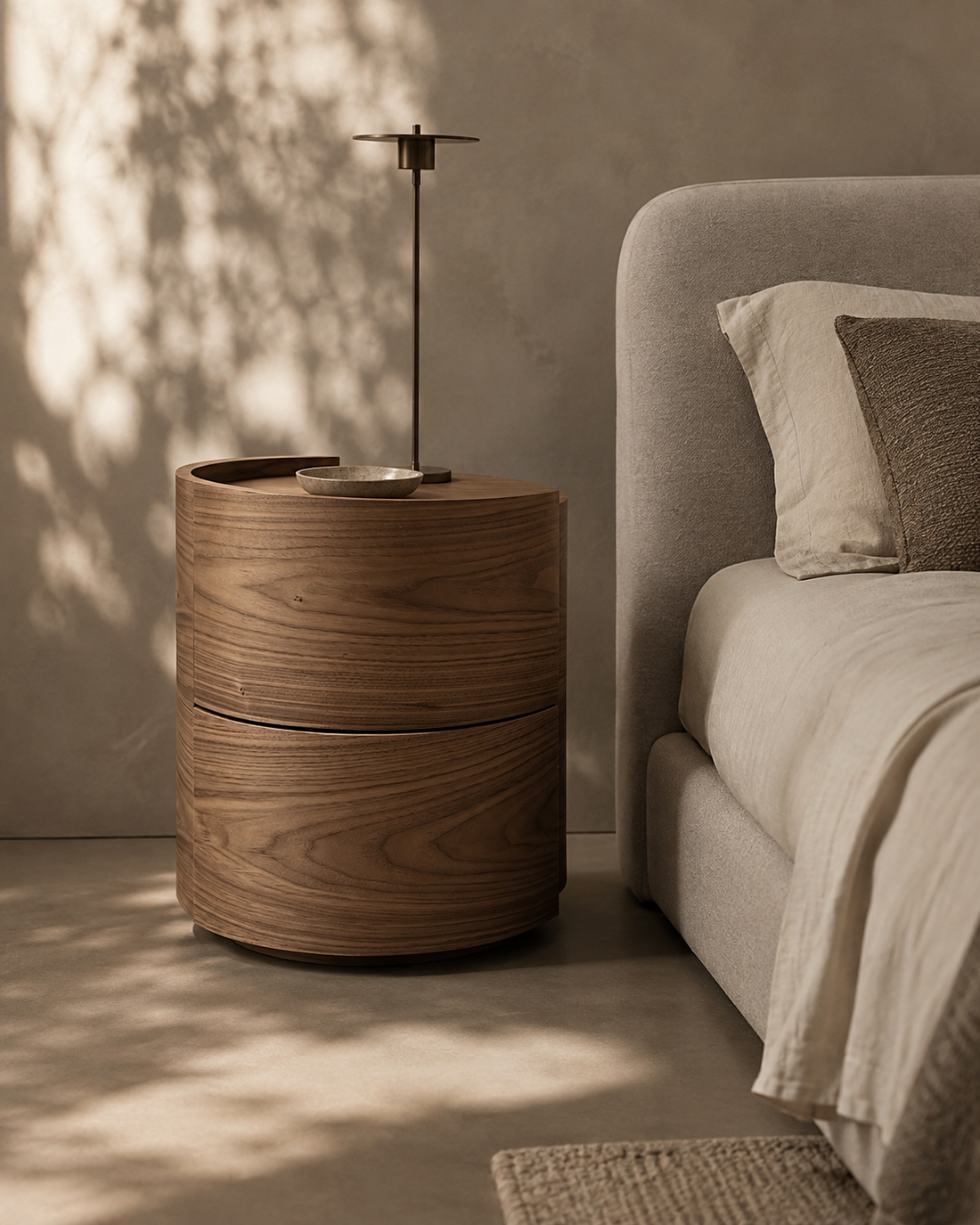 Dexter Bedside Table - Walnut - Pair
- Regular price
-
- Regular price
-
- Sale price
-
Disclaimer: All trademarks, brand names and product names mentioned on this website are the property of their respective owners. Any references are made for identification, informational or comparative purposes only, and do not imply any affiliation, endorsement, sponsorship or authorisation.