

Sculpture Art
Sculpture art is a form of three-dimensional visual expression that adds depth, texture, and personality to interior spaces. Unlike flat artwork, sculpture engages with light, shadow, and physical form, creating a strong visual presence from multiple angles. In contemporary interiors, sculpture art is valued not only as a creative statement but also as a refined design element that enhances atmosphere and architectural balance.
Used in homes, hospitality spaces, and commercial interiors, sculpture art brings individuality and artistic identity to a room while complementing furniture, lighting, and layout.
What Is Sculpture Art?
Sculpture art refers to decorative or artistic objects created in three dimensions using materials such as metal, stone, ceramic, resin, wood, or glass. These pieces can be abstract or representational, minimal or expressive, and are often selected for their ability to create focal points within a space.
Interior designers frequently incorporate sculpture art to introduce movement and contrast into otherwise structured environments. A well-placed sculpture can soften sharp architectural lines, add visual intrigue, or reinforce the design narrative of a room.
Sculpture art is not limited to large statement pieces. Smaller decorative sculptures placed on shelves, sideboards, or coffee tables offer subtle artistic accents that elevate everyday interiors.
Types of Sculpture Art for Interiors
Sculpture art comes in many styles and forms, making it suitable for a wide range of interior schemes. Abstract sculptures focus on shape and form rather than literal representation. These are popular in modern and contemporary spaces where simplicity and artistic expression are key.
Figurative sculptures depict people, animals, or recognisable objects and are often used to introduce character and storytelling into interiors. These pieces can be classic or contemporary in style depending on finish and form.
Organic sculptures inspired by nature use flowing lines and textured surfaces to echo natural elements such as stone, leaves, or waves. These work particularly well in neutral or biophilic interiors.
Geometric sculptures rely on structured shapes and symmetry, offering a more architectural and design-led feel. They suit minimalist schemes and commercial interiors where visual clarity is important.
Wall-mounted sculptures also form part of sculpture art, adding dimension without taking up floor or surface space. These pieces bridge the gap between traditional wall art and freestanding sculpture.
Materials and Craftsmanship
Material choice plays a central role in the impact of sculpture art. Metal sculptures offer a sleek, modern appearance and reflect light beautifully in contemporary settings. Stone and ceramic pieces bring weight and tactile interest, adding depth and permanence to a room.
Wooden sculptures introduce warmth and organic texture, making them ideal for scandi, rustic, or transitional interiors. Resin allows for greater freedom of form and colour, enabling sculptural designs that are lightweight yet visually bold.
Craftsmanship is essential, particularly in design-led interiors. Finishing, surface texture, and balance determine whether a piece feels refined or unfinished. High-quality sculpture art should be visually strong from every angle, with considered proportions and consistent detailing.
In trade and commercial environments, durability and stability are also key factors, ensuring pieces remain presentable and safe over time.
Where to Use Sculpture Art
Sculpture art is highly versatile and can be placed throughout the home or within commercial interiors. In living rooms, it is often used on coffee tables, console tables, or as floor-standing statement pieces beside seating areas.
Hallways and entrance spaces benefit from sculpture art as it creates immediate visual interest and sets the tone for the rest of the interior. A single sculptural piece on a plinth or console can transform a transitional space into a curated moment.
In dining rooms, sculpture art placed on sideboards or shelving adds elegance and personality without interfering with functionality. Bedrooms benefit from smaller decorative sculptures that soften the environment and introduce calm, artistic detail.
Hospitality interiors such as hotels, restaurants, and reception areas rely heavily on sculpture art to define atmosphere and brand identity. Sculptural pieces act as visual anchors and help create memorable guest experiences.
Styling Sculpture Art
Styling sculpture art requires balance and restraint. Because sculptures naturally draw attention, they should be positioned where they can be appreciated without competing with surrounding furniture or accessories.
Designers often place sculptures against neutral backgrounds to allow form and texture to stand out. Lighting is crucial, as directional or ambient light enhances shadows and highlights the contours of the piece.
Grouping sculptures of varying heights can create visual rhythm, but overcrowding should be avoided. A single strong piece often has greater impact than multiple smaller ones competing for attention.
Colour coordination helps integrate sculpture art into the wider scheme. Neutral-toned sculptures work well in minimalist interiors, while darker or metallic finishes add contrast and drama to lighter spaces.
Sculpture art can also be used to connect different materials in a room, echoing tones from furniture, lighting, or architectural features.
Choosing Sculpture Art for Interior Projects
Selecting sculpture art depends on scale, style, and the narrative of the interior design scheme. Large spaces allow for bold, floor-standing pieces that act as focal points, while smaller rooms benefit from compact sculptures that add interest without overwhelming the layout.
Proportion is critical. A sculpture should relate to the size of the furniture and architectural elements around it. Oversized pieces can dominate, while pieces that are too small may appear insignificant.
Designers also consider the emotional response. Sculpture art can evoke calm, curiosity, or sophistication depending on form and material. This makes it an important tool for shaping atmosphere in both residential and commercial environments.
Durability and finish quality are particularly important for hospitality and retail settings, where sculpture art must withstand regular interaction and maintain a premium appearance.
Sculpture Art for Interior Designers and Retailers
Sculpture art is a key category for interior designers and independent retailers seeking distinctive decorative elements with strong visual appeal. It allows designers to personalise spaces and create moments of interest without structural changes.
Designers value sculpture art for its flexibility. Pieces can be moved, re-styled, or replaced as schemes evolve, making them ideal for both permanent and seasonal installations.
Retailers benefit from the display impact of sculpture art. Sculptural pieces draw attention, photograph well, and support premium positioning within curated collections. They also encourage customers to view interiors as layered compositions rather than purely functional layouts.
Access to UK-held stock is essential for trade professionals working to project deadlines. Reliable availability ensures consistent supply for both small and large projects. Free UK delivery on all items removes logistical complexity and supports efficient project planning. No minimum order value allows designers and retailers to source individual sculptures without committing to bulk quantities.
Strong resale margins make sculpture art a commercially attractive category, combining artistic value with profitable retail potential.
Practical and Maintenance Considerations
Sculpture art should be selected with care for its environment. Heavier materials such as stone or metal require stable surfaces and secure placement. Lightweight pieces may need discreet fixing in high-traffic areas.
Cleaning typically involves gentle dusting or wiping with a soft cloth. Harsh chemicals should be avoided, especially on painted or textured surfaces.
In hospitality or commercial interiors, regular inspection ensures sculptures remain safe, stable, and visually presentable. Well-made pieces retain their aesthetic impact and reinforce the quality of the overall interior scheme.
Because sculpture art often becomes a focal point, consistency in finish and craftsmanship is essential to maintaining a refined and cohesive look.
Why Choose Tommy Franks?
Tommy Franks is a favourite among interior designers and independent retailers seeking premium decorative objects and furniture with dependable availability. Carefully curated collections focus on refined design, premium craftsmanship, and timeless artistic appeal.
Trade accounts are welcome, offering straightforward onboarding for professionals across the interior design and retail sectors. With a vast range of UK-held stock, clients benefit from reliable supply and reduced lead times for residential and commercial projects.
Free UK delivery on all items removes logistical complexity, while no minimum order value allows flexibility for both small and large-scale requirements. Competitive wholesale margins support strong resale performance, and a reliable UK supply chain ensures confidence in ongoing availability.
Through thoughtfully selected collections and consistent quality, Tommy Franks provides sculpture art that enhances interiors with character, depth, and artistic distinction.
Products
-
Sims Bedside Table - Matte Beige
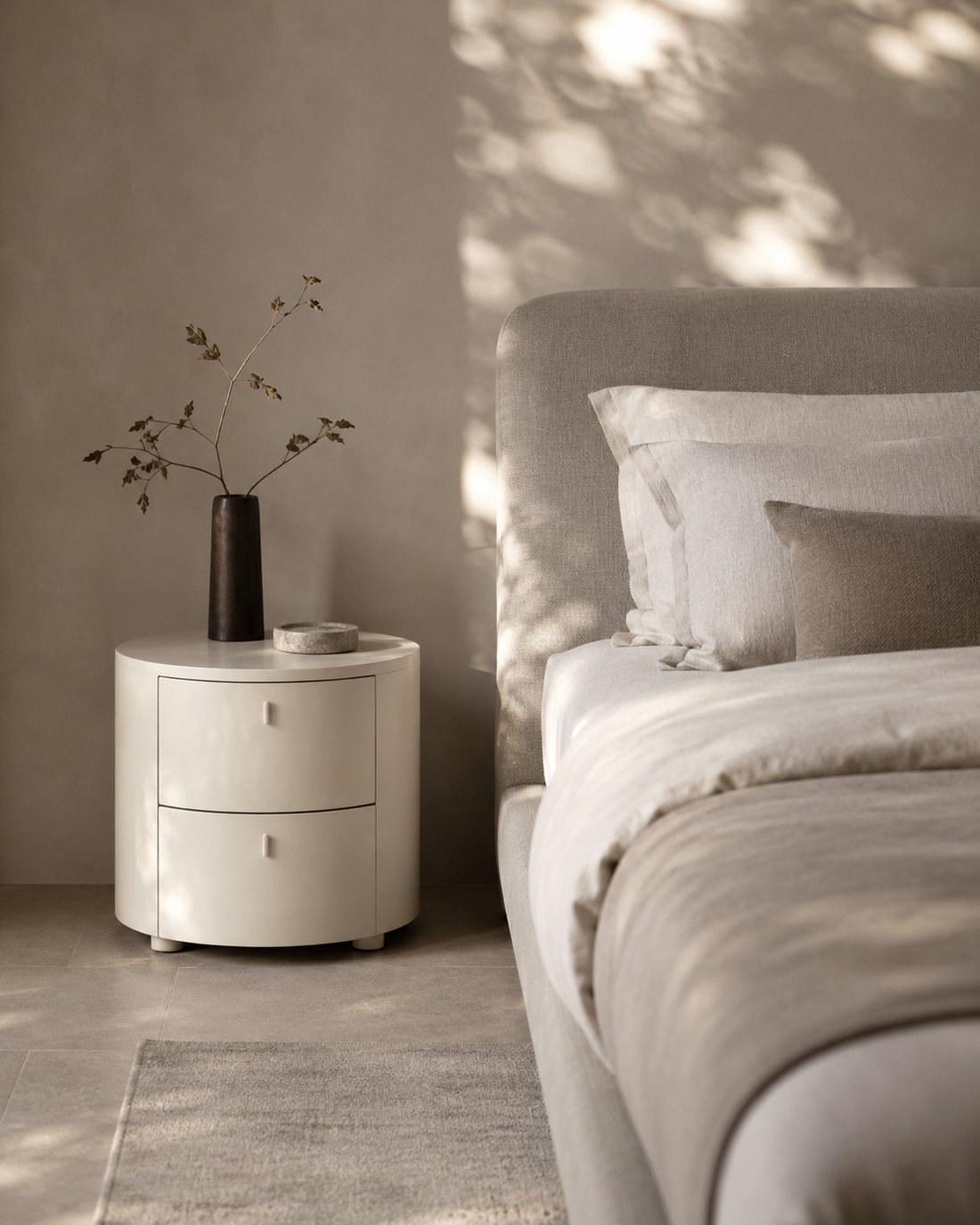 Sims Bedside Table - Matte Beige
- Regular price
-
- Regular price
-
- Sale price
-
-
Saviour Bedside Table - White Marble & Beige
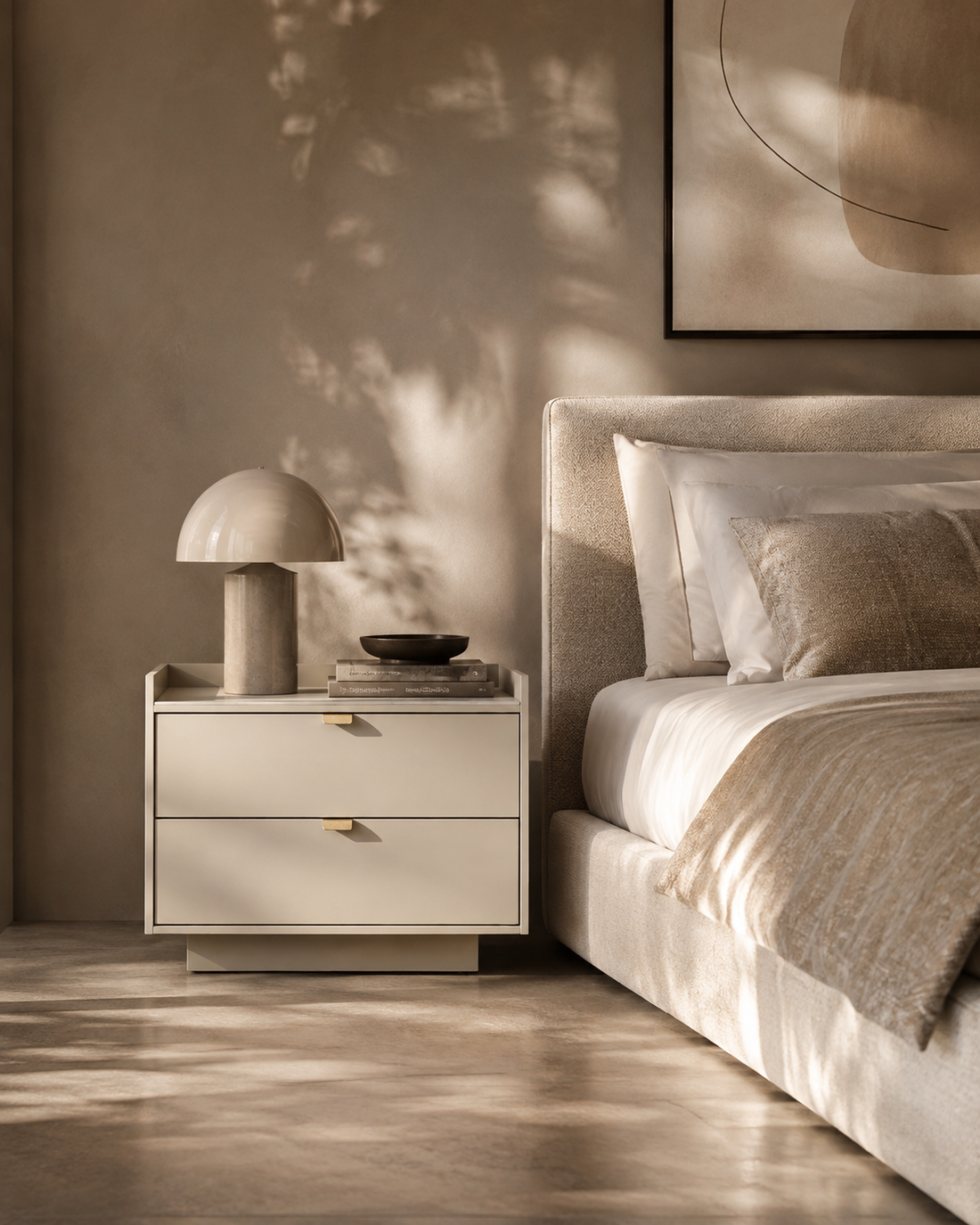 Saviour Bedside Table - White Marble & Beige
- Regular price
-
- Regular price
-
- Sale price
-
-
Dexter Bedside Table - Walnut - Pair
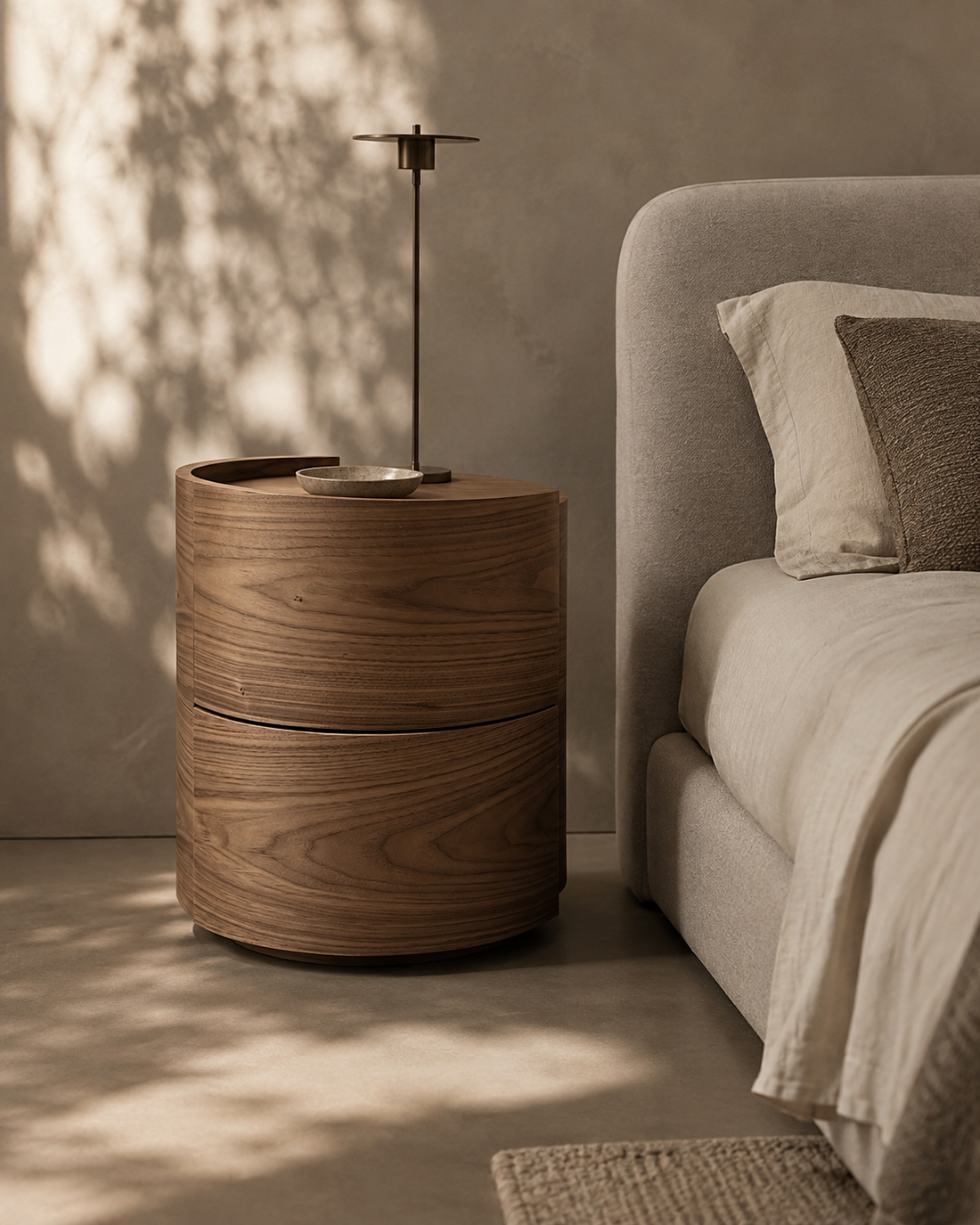 Dexter Bedside Table - Walnut - Pair
- Regular price
-
- Regular price
-
- Sale price
-
Disclaimer: All trademarks, brand names and product names mentioned on this website are the property of their respective owners. Any references are made for identification, informational or comparative purposes only, and do not imply any affiliation, endorsement, sponsorship or authorisation.