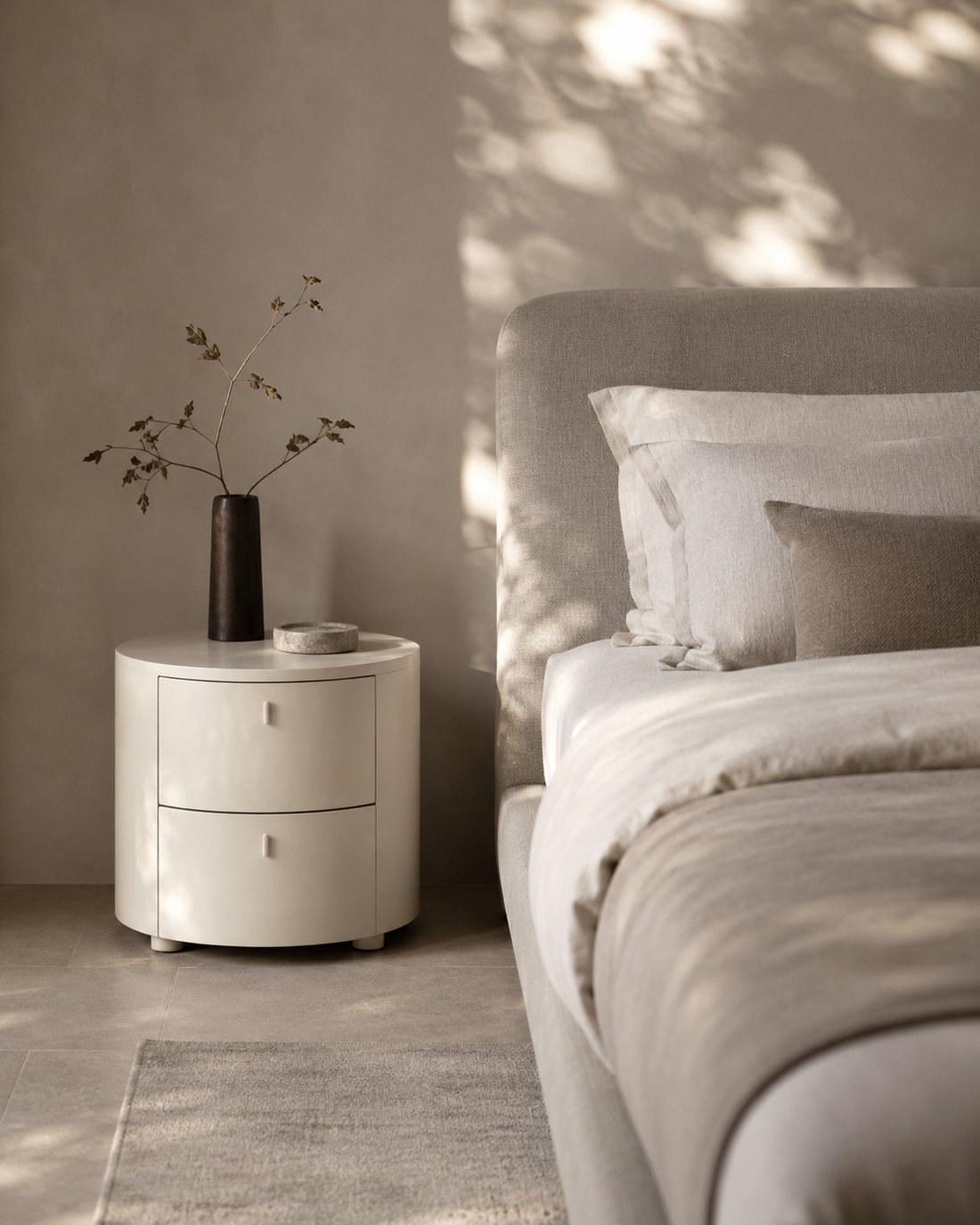
Ceiling lights design refers to the purposeful planning and specification of overhead lighting that enhances both functionality and atmosphere within interior spaces. These fixtures are fundamental to creating well‑lit, visually balanced environments — from ambient illumination in living rooms and dining areas to focused task lighting in kitchens and workspaces. A thoughtful ceiling lights design integrates scale, style, light distribution and finish to suit the spatial requirements and aesthetic intent of a scheme.
For interior designers and independent retailers across the UK, ceiling lights are more than functional hardware; they are design levers that shape mood, highlight architectural features and harmonise with furniture and material palettes. Whether specifying statement pendants, recessed systems or minimalist flush lights, a successful ceiling lights design elevates the experience of space while supporting practical lighting needs.
Defining Ceiling Lights Design
Ceiling lights design encompasses the selection, placement and integration of overhead luminaires to meet both technical and aesthetic objectives. It involves understanding:
-
Lighting hierarchy — balancing ambient, task and accent lighting
-
Proportion and scale — ensuring fixtures feel appropriate to ceiling height and room size
-
Design language — matching form and finish to the broader interior scheme
-
Performance criteria — including luminous output (lumens), colour temperature and energy efficiency
Interior professionals view ceiling lights as essential structural elements, not afterthoughts. Whether the aim is understated elegance or sculptural drama, ceiling lights design plays a crucial role in defining the spatial atmosphere.
Types of Ceiling Lights
A comprehensive ceiling lights design draws on a variety of fixture types to address different lighting needs:
Pendant Lights
Pendant lights hang from the ceiling on cords, rods or chains, delivering both focused illumination and visual interest. They work exceptionally well above dining tables, kitchen islands and entry foyers. Trade buyers select pendants based on scale, material and finish to complement surrounding furnishings.
Flush and Semi‑Flush Lights
Flush ceiling lights sit close to the ceiling plane, making them ideal for rooms with lower ceilings or where a minimalist profile is desired. Semi‑flush lights hang slightly below the ceiling for added depth while maintaining a restrained silhouette.
Recessed and Downlights
Recessed lights are integrated into the ceiling plane, offering clean sightlines and even general illumination. Downlights are adjustable and precise, perfect for highlighting artwork or task areas.
Track and Surface‑Mounted Systems
Track systems combine flexibility with design adaptability, allowing multiple light heads to be repositioned along a track. Surface‑mounted lights are practical in spaces where recessed fitting is not feasible.
Feature and Architectural Lighting
Statement fixtures — such as cascading chandeliers, sculptural LED installations or cluster pendants — act as focal points that express personality and elevate interior design narratives.
Design Principles for Effective Ceiling Lights
Scale and Proportion
A core consideration in ceiling lights design is scale. Fixtures should feel proportionate to room dimensions. Large rooms can support bold, oversized lights, while compact spaces benefit from more restrained forms. A general guideline is that pendants should be sized to suit furniture groupings — for example, 150–300 mm in diameter for a bedside area and 450 mm or more above a dining table, depending on table size.
Light Quality and Temperature
Colour temperature significantly affects mood. Warm tones (2700–3000 K) create inviting, domestic ambience, while cooler temperatures (3500 K and above) support focus and task clarity. CRI (Colour Rendering Index) values above 80 are preferred to ensure colours appear natural and vivid under artificial light.
Layered Lighting
Good ceiling lights design does not rely solely on overhead units. It considers layered lighting — combining ceiling luminaires with floor lamps, wall lights and accent lighting to achieve depth and balance throughout a scheme.
Material and Finish Harmony
The choice of metal finishes, glass types or textile shades influences both aesthetic coherence and perceived quality. Brushed brass, aged bronze and matt black are enduring popular finishes in contemporary British interiors. Glass diffusers, opaline shades and tactile materials add subtle refinement.
Styling Ceiling Lights in Interior Schemes
Interior designers often use ceiling lights to reinforce the character of a space:
Living Rooms — A central pendant or chandelier provides ambient light, while supplementary recessed lights offer even illumination. In layered schemes, task lights near reading corners add functional depth.
Dining Areas — A row of coordinated pendants or a single sculptural light above the table establishes focus. Positioning should allow even light across the surface without glare.
Kitchens — A blend of recessed general lighting and pendants over islands supports task clarity and visual rhythm. Adjustable fixtures help tailor light distribution to different activities.
Bedrooms — Soft overhead lighting coupled with accent wall lights and bedside lamps creates a relaxed and adaptable ambience.
Retailers benefit from presenting ceiling lights in styled vignettes that illustrate both functional placement and aesthetic pairing with furniture and finishes. Demonstrating varied uses — from ambient glow to layered scenarios — helps customers envision lighting solutions that suit their own spaces.
Trade and Wholesale Positioning
For interior designers and independent retailers, sourcing ceiling lights through a reliable UK wholesaler streamlines specification and inventory planning.
Tommy Franks is a favourite among interior designers and independent retailers because the collections combine refined design sensibilities with practical performance considerations. With a vast range of UK‑held stock, trade buyers can plan projects and orders confidently, avoiding the uncertainty often associated with extended international lead times.
Free UK delivery on all items supports clearer budgeting and preserves resale margins, while the absence of a minimum order value gives flexibility — whether selecting a single feature light or securing multiple fixtures for larger schemes.
Trade accounts welcome straightforward onboarding and access to competitive wholesale margins, helping professionals balance quality design with commercial viability. These advantages enable designers to specify with confidence and retailers to curate compelling lighting assortments that resonate with discerning UK customers.
Benefits for Interior Designers
Interior professionals gain both aesthetic and practical advantages through trade sourcing of ceiling lights:
-
Curated selections that reflect current UK lighting and interior design trends
-
Reliable UK‑held stock, reducing project lead‑time risk
-
Free UK delivery to eliminate hidden logistical costs
-
No minimum order value for flexible specification
-
Competitive wholesale margins that support project cost management
These benefits help designers deliver cohesive lighting schemes that elevate both residential and commercial interiors.
Benefits for Independent Retailers
Independent retailers benefit from trade terms that support availability and flexibility:
-
Easy trade account onboarding for fast access to pricing and stock
-
No minimum order value, enabling dynamic inventory strategies
-
Free UK delivery to protect resale margins
-
Carefully curated ceiling lights collections that appeal across customer segments
This combination of quality, availability and flexible terms supports engaging merchandising and encourages customer loyalty.
Choosing the Right Ceiling Lights Design
When specifying or selecting ceiling lights for a project or retail range, trade buyers should consider:
Spatial Functionality — Identify the lighting purpose — ambient, task or accent — and choose fixtures that deliver appropriate light output and distribution.
Proportion and Placement — Confirm that sizes and positions correspond with room dimensions and functional zones.
Finish and Materiality — Ensure coordination with furniture, metal finishes and architectural elements for harmonious interiors.
Performance and Quality — Evaluate luminous efficiency, colour rendering and build quality to ensure lasting performance.
Tommy Franks’ lighting collections encompass a diverse range of ceiling lights designed to satisfy both aesthetic ambitions and practical performance needs, giving trade buyers confidence in specification and retail merchandising.
Why Choose Tommy Franks?
Tommy Franks positions itself as a premium wholesale partner committed to the interior trade. Each ceiling lights design is selected with attention to refined aesthetics and performance reliability, reflecting both contemporary trends and everyday usability.
With a vast UK‑held stock, designers and retailers benefit from dependable supply and faster fulfilment than many alternatives constrained by lengthy overseas lead times. Free UK delivery on all items and no minimum order value make it easier to manage projects and inventory with clarity and confidence.
Competitive wholesale margins help retailers balance quality with profitable retail pricing, while carefully curated collections reflect enduring design principles and evolving UK tastes. Through easy trade account onboarding and attentive supply chain support, Tommy Franks enables professionals to deliver exceptional lighting solutions in both specification and retail environments.