

Astley
Astley is a term most commonly used in interiors to reference a place name or style association, rather than a specific furniture type. In trade and commercial interiors, astley is typically encountered as part of location-based project briefs, heritage references, or naming conventions linked to residential developments, hospitality venues, or regional design influences within the UK.
For interior designers, developers, hospitality buyers, and retailers, understanding how astley is used contextually helps ensure furniture and décor choices align appropriately with the character, expectations, and functional requirements of a project.
How Astley Is Referenced in Commercial & Trade Interiors
In professional interiors, astley may appear in several practical contexts, including:
Residential developments or housing schemes named after Astley, where furniture must reflect the positioning and target market of the location.
Hospitality projects such as pubs, boutique hotels, or serviced accommodation that reference Astley as part of their branding or geographic identity.
Design briefs that require furniture styles sympathetic to regional or heritage influences associated with the area.
Retail or mixed-use developments where location-driven naming informs interior tone and presentation.
In these scenarios, astley functions as a contextual anchor, guiding material choices, colour palettes, and furniture styles rather than defining a single product category.
Furniture Specification Considerations for Astley-Referenced Projects
When astley is part of a project brief, trade buyers typically prioritise furniture that feels appropriate, reliable, and commercially viable. This often means selecting designs that balance character with durability and repeatability.
Common considerations include scale and proportion suitable for residential or hospitality layouts, finishes that feel timeless rather than trend-led, and materials capable of performing in medium- to high-use environments. Neutral foundations such as dining tables, coffee tables, storage furniture, and seating are often specified to allow flexibility across multiple rooms or units.
Consistency across collections is particularly important where astley-referenced projects involve phased delivery or multiple properties.
Materials, Design & Build Quality
Trade interiors associated with astley typically require furniture that demonstrates solid build quality and dependable finishes. Engineered wood, solid timber elements, metal frames, and commercial-grade upholstery are commonly used to support longevity and ease of maintenance.
Finish consistency, colour stability, and reliable manufacturing standards are critical for trade buyers, especially where like-for-like replacements may be required in the future. These factors help ensure interiors remain cohesive over time, even as individual items are updated or replaced.
Why Trade Buyers Value Contextual Terms Like Astley
For professional buyers, understanding terms such as astley supports clearer communication between developers, designers, and suppliers. It allows furniture to be specified in a way that aligns with location-driven identity while still meeting commercial performance requirements.
From a wholesale perspective, furniture suited to astley-style or location-led projects tends to favour proven designs that can be specified repeatedly, reducing risk and simplifying procurement. This supports predictable margins and efficient project delivery across residential and hospitality sectors.
Design Compatibility and Styling
Astley-referenced interiors are often styled using restrained, balanced schemes that prioritise comfort and longevity. Furniture is typically complemented by subtle decorative accessories, layered lighting, and neutral textiles to create spaces that feel welcoming without being overly stylised.
This approach allows interiors to appeal to a wide audience while maintaining a sense of place and professionalism.
Brand & Trade Context
As a UK-based, trade-only furniture brand, Tommy Franks supports projects where contextual terms such as astley influence the interior brief. With UK-held stock, free UK mainland delivery, competitive trade pricing, and consistent collections designed for repeat specification, trade buyers can confidently furnish residential, hospitality, and mixed-use developments aligned with location-led identities.
This trade-focused model enables reliable supply, consistent finishes, and efficient delivery across projects of varying scale.
Products
-
Sims Bedside Table - Matte Beige
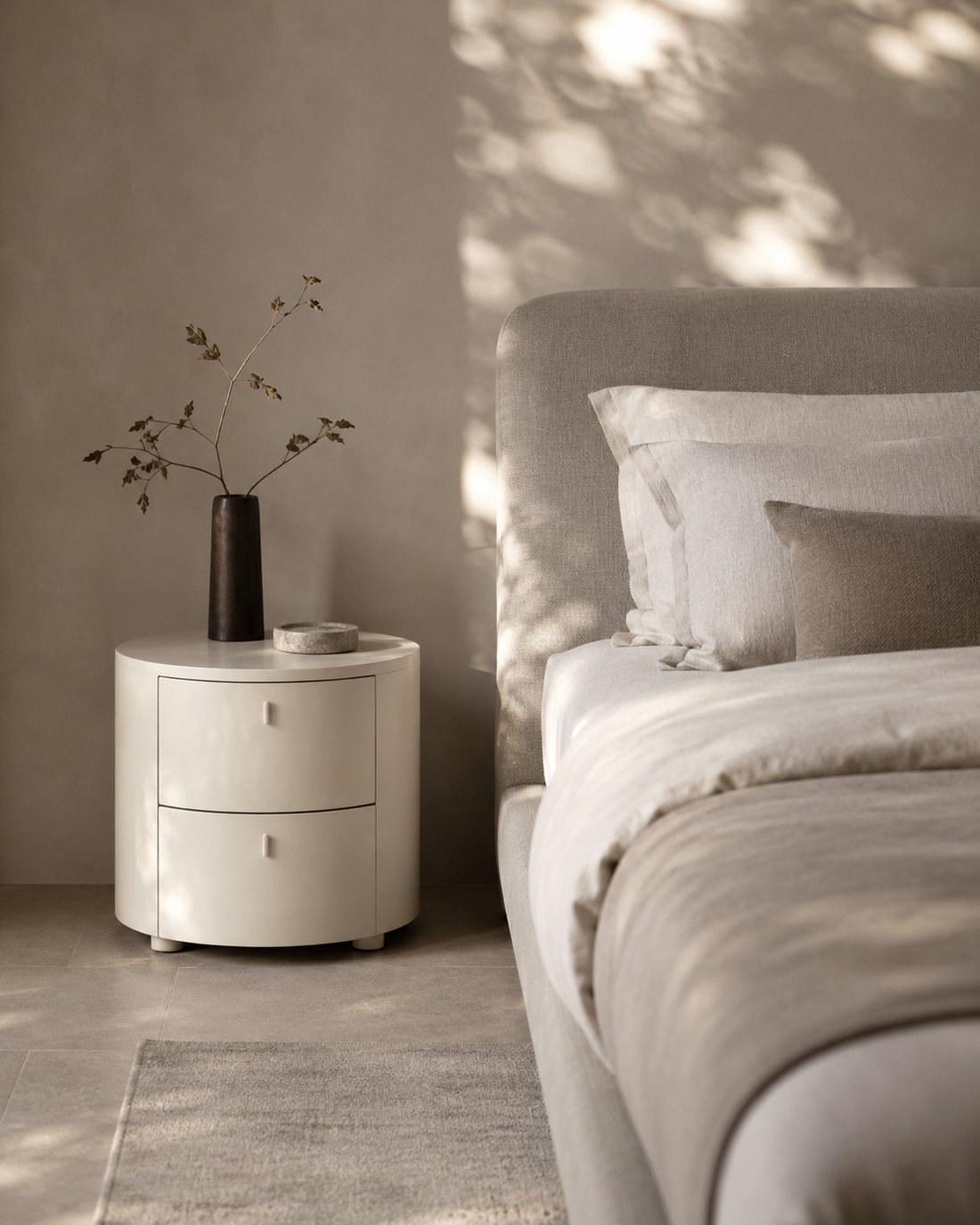 Sims Bedside Table - Matte Beige
- Regular price
-
- Regular price
-
- Sale price
-
-
Saviour Bedside Table - White Marble & Beige
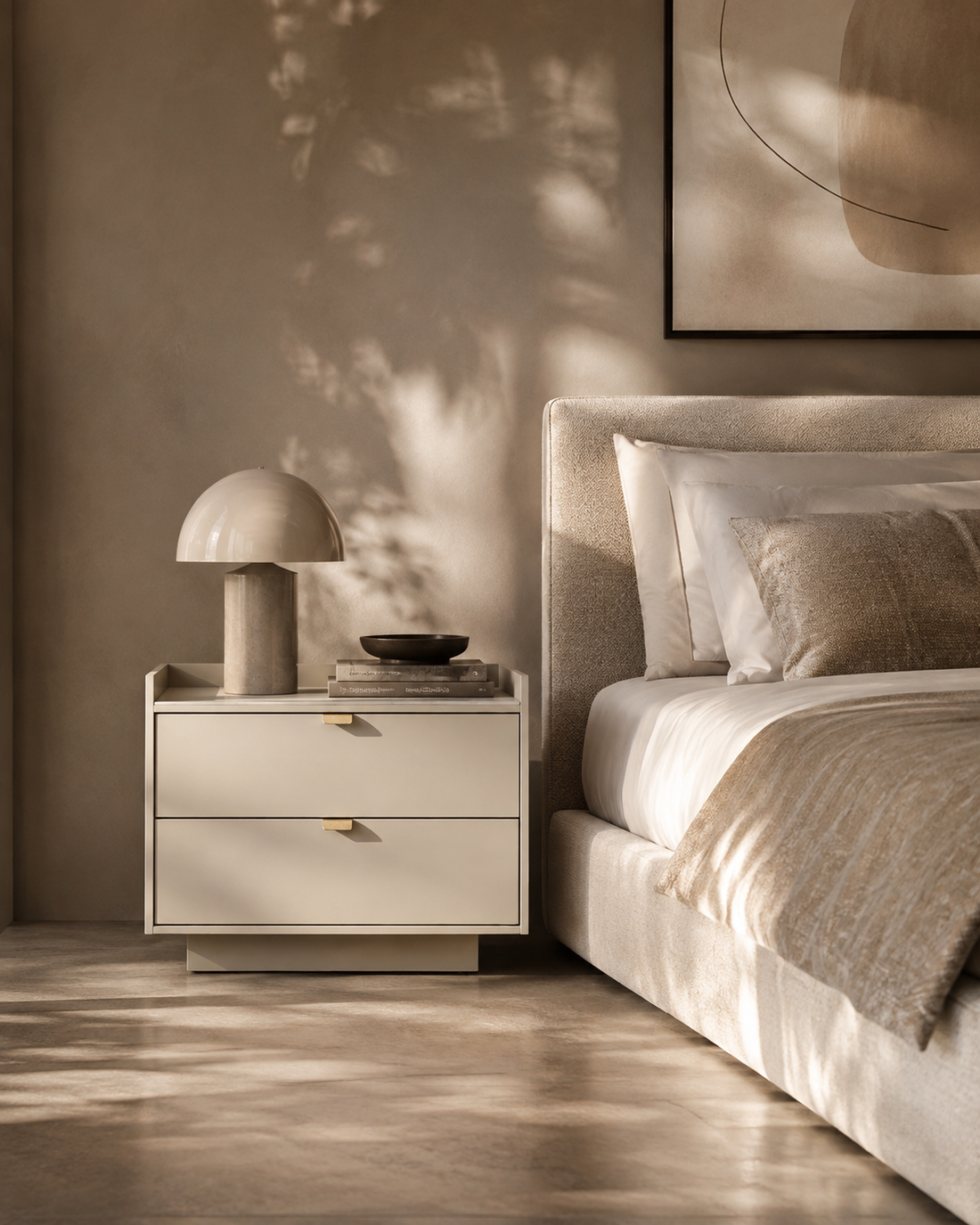 Saviour Bedside Table - White Marble & Beige
- Regular price
-
- Regular price
-
- Sale price
-
-
Dexter Bedside Table - Walnut - Pair
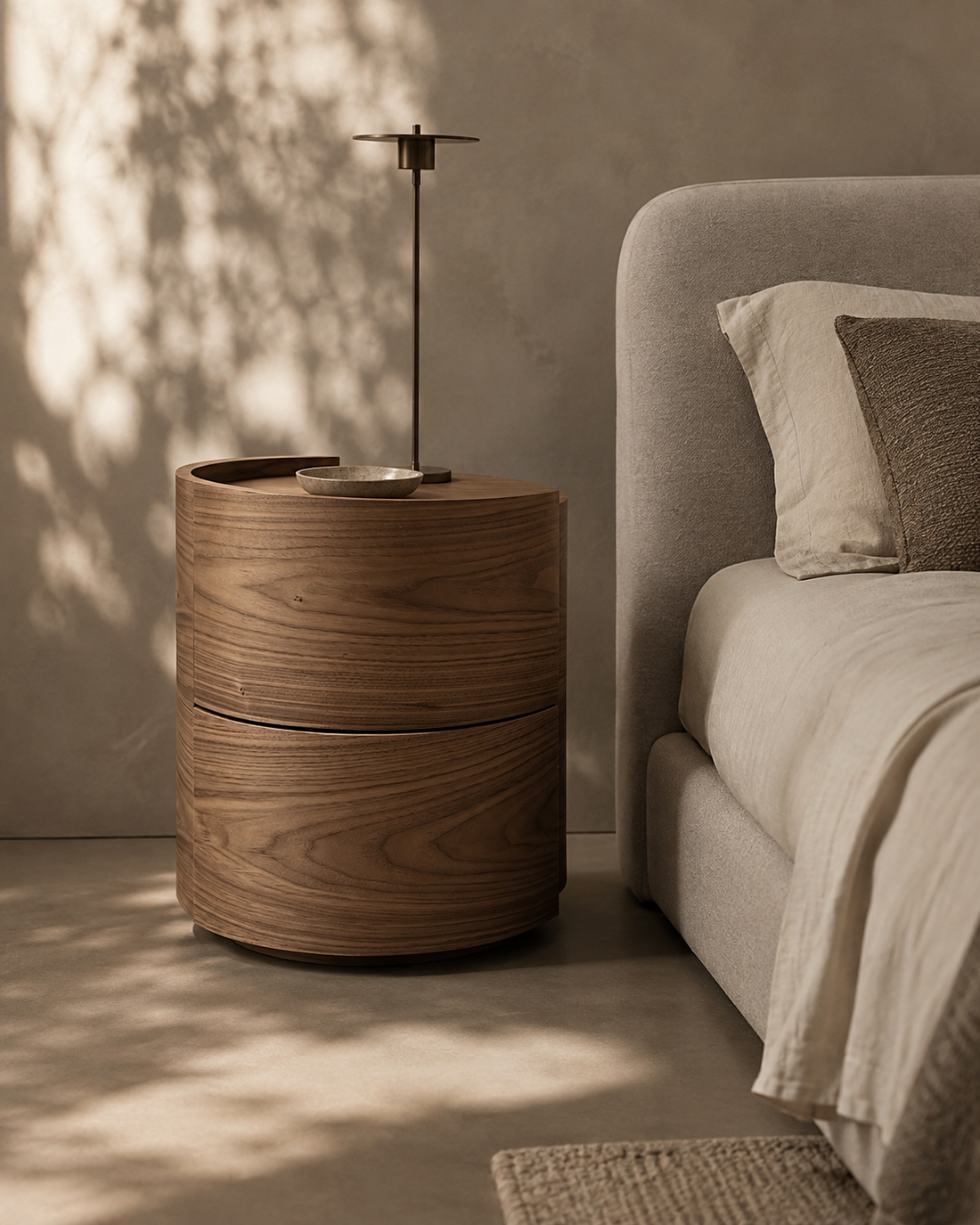 Dexter Bedside Table - Walnut - Pair
- Regular price
-
- Regular price
-
- Sale price
-
Disclaimer: All trademarks, brand names and product names mentioned on this website are the property of their respective owners. Any references are made for identification, informational or comparative purposes only, and do not imply any affiliation, endorsement, sponsorship or authorisation.