

Alternatives To Side Tables
Alternatives to side tables refer to furniture pieces and surface solutions that provide similar functionality to traditional side tables while offering greater flexibility, visual interest, or space efficiency. In trade and commercial interiors, these alternatives are specified to suit varying room layouts, spatial constraints, and design briefs, particularly where standard side tables may not be the most practical or visually appropriate option.
How Alternatives to Side Tables Are Used in Commercial & Trade Interiors
In hospitality settings such as hotels, serviced apartments, and lounges, alternatives to side tables are often used to maximise usable space while maintaining functionality. Items such as nesting tables, stools, slim consoles, or wall-mounted shelves can provide convenient surfaces without overcrowding guest areas.
In residential developments and show homes, designers may specify ottomans, small cabinets, or occasional tables to create layered, styled interiors that feel more considered than a uniform approach. Retail and office interiors also use alternative surface solutions to support flexible layouts, particularly in waiting areas or collaborative spaces. For trade buyers, the ability to specify these items consistently across multiple rooms or units is key.
Materials, Design & Build Quality
Alternatives to side tables are produced in a wide range of materials, including solid wood, veneers, metal frames, upholstered forms, and stone or composite surfaces. Trade buyers prioritise durability, stability, and ease of maintenance, particularly in high-traffic environments.
Design considerations include appropriate height, footprint, and load-bearing capability to ensure the piece performs effectively as a surface or support item. Consistent finishes and construction quality are important where alternatives are specified alongside bedside tables, coffee tables, or other occasional furniture within a coordinated scheme.
Why Trade Buyers Specify Alternatives to Side Tables
Trade buyers choose alternatives to side tables to introduce flexibility and adaptability into interior layouts. These options allow designers and developers to respond to space limitations, varied room uses, or evolving end-user needs without resorting to bespoke furniture solutions.
From a commercial standpoint, alternatives often offer strong repeatability and margin potential, with compact forms that support efficient logistics and bulk ordering. Their versatility across hospitality, residential, and retail settings makes them a reliable category for professional specification.
Brand & Trade Context
As a UK-based, trade-focused furniture brand, Tommy Franks supports the specification of alternatives to side tables through consistent, commercially suitable collections. With UK-held stock, free UK mainland delivery, competitive trade pricing, and furniture ranges designed for repeat use, the brand enables interior designers, developers, and hospitality buyers to deliver cohesive, practical interiors across multiple projects.
Products
-
Sims Bedside Table - Matte Beige
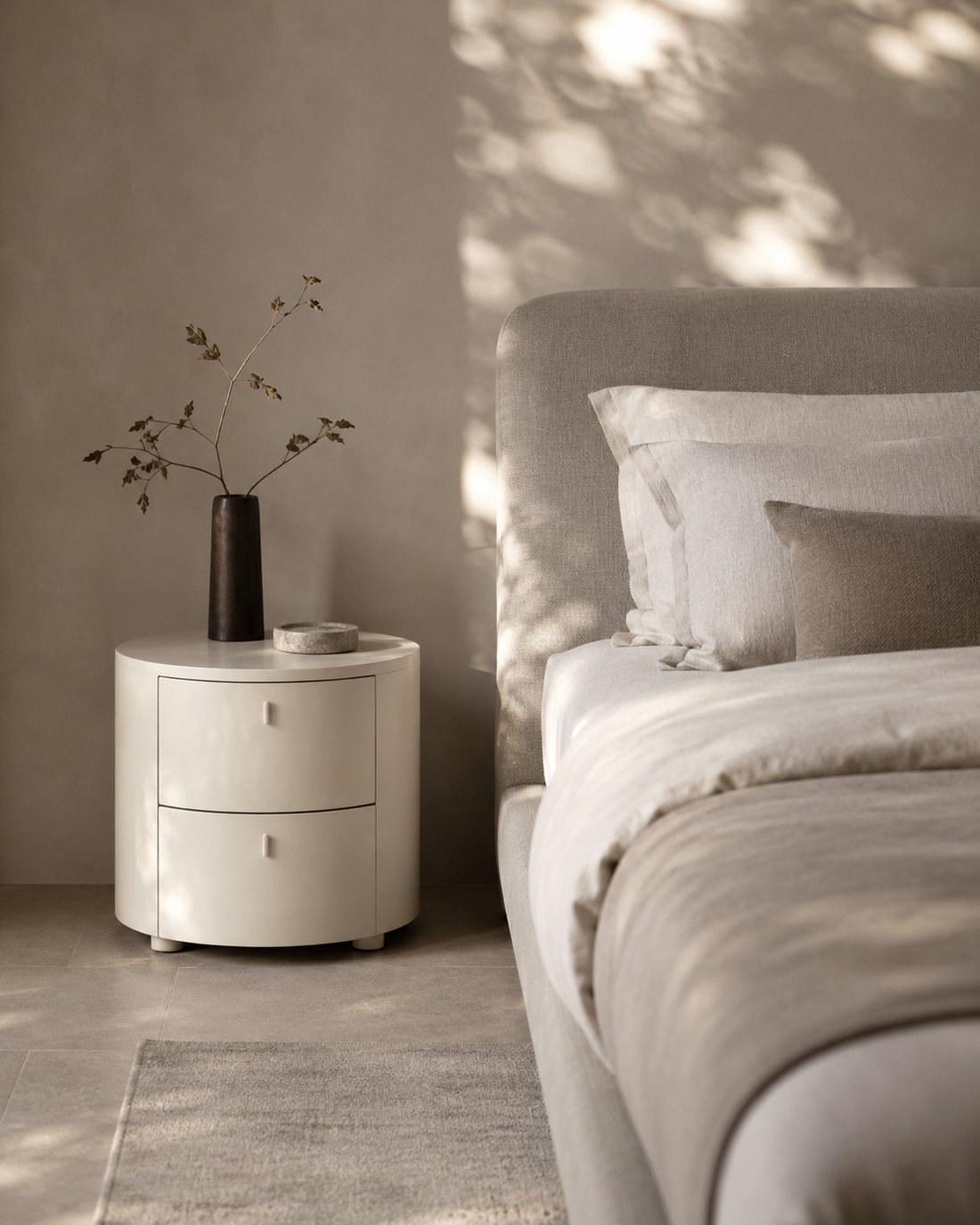 Sims Bedside Table - Matte Beige
- Regular price
-
- Regular price
-
- Sale price
-
-
Saviour Bedside Table - White Marble & Beige
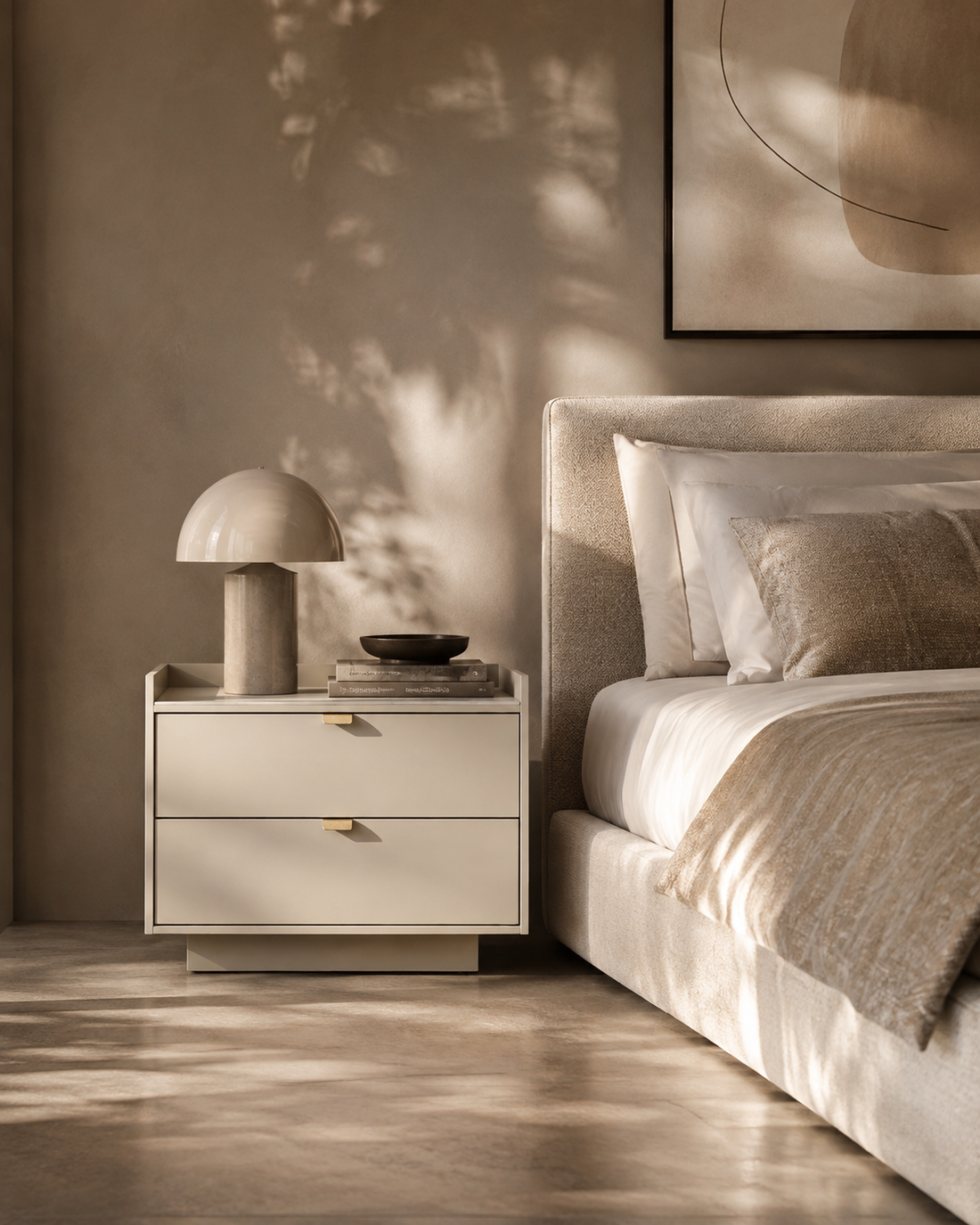 Saviour Bedside Table - White Marble & Beige
- Regular price
-
- Regular price
-
- Sale price
-
-
Dexter Bedside Table - Walnut - Pair
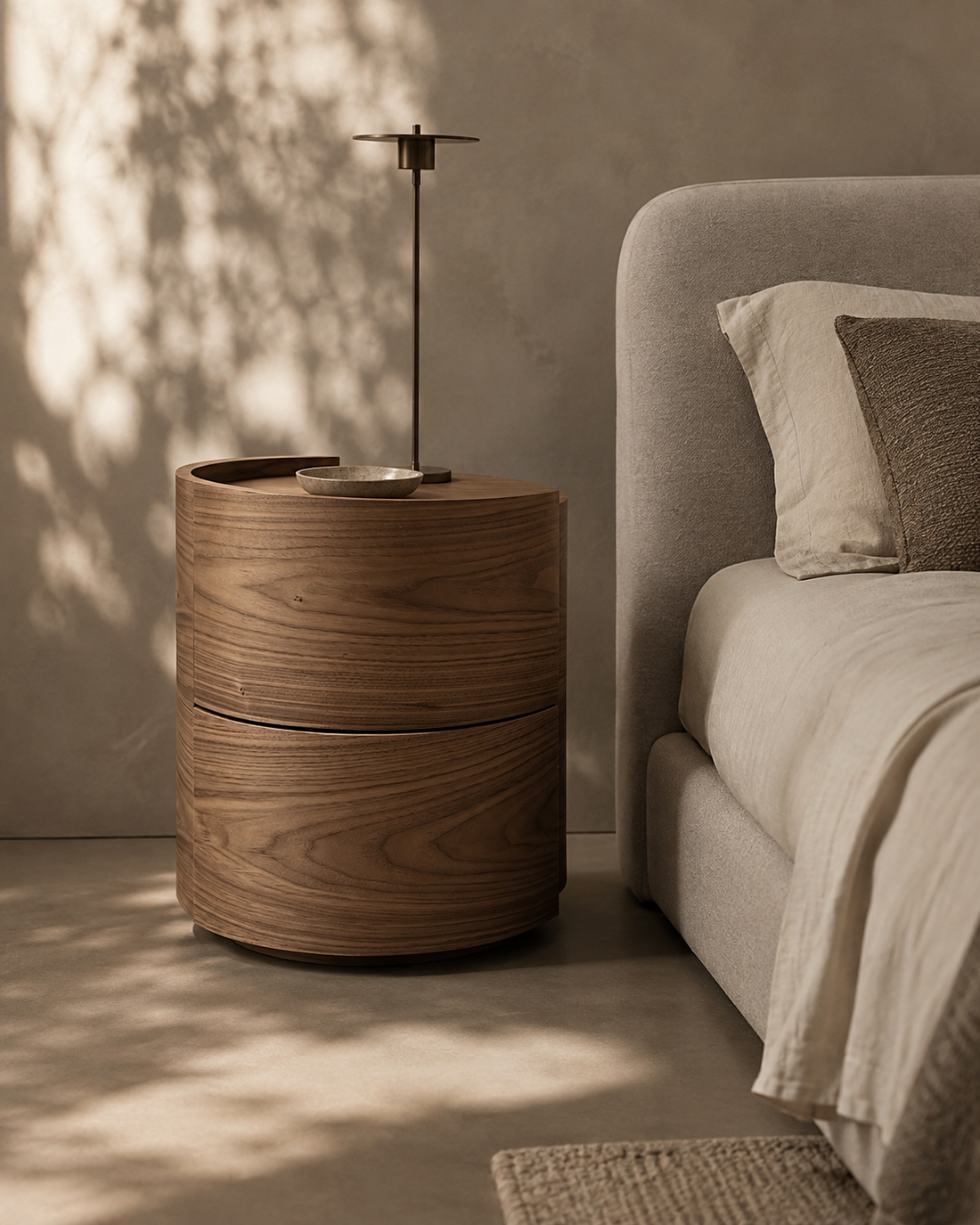 Dexter Bedside Table - Walnut - Pair
- Regular price
-
- Regular price
-
- Sale price
-
Disclaimer: All trademarks, brand names and product names mentioned on this website are the property of their respective owners. Any references are made for identification, informational or comparative purposes only, and do not imply any affiliation, endorsement, sponsorship or authorisation.